




Decorative Pottery Plate
These decorative pottery plate examples span centuries of ceramic artistry, offering collectors rich painted scenes and bold hand-glazed finishes for display or service.
Decorative Pottery Plate
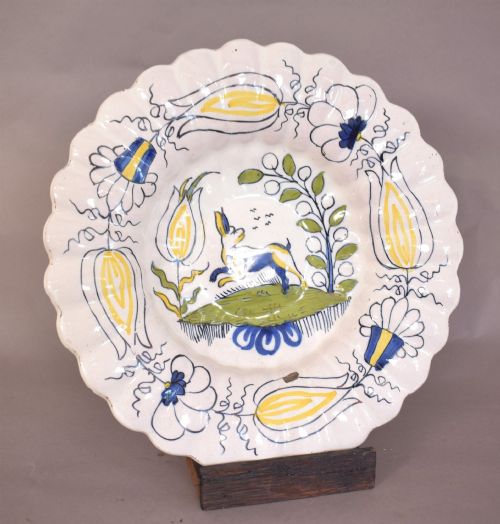
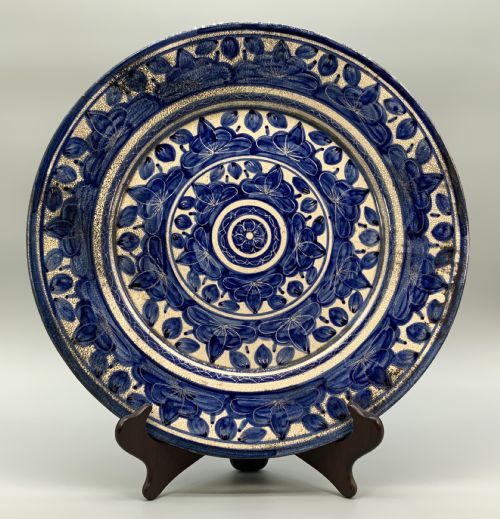
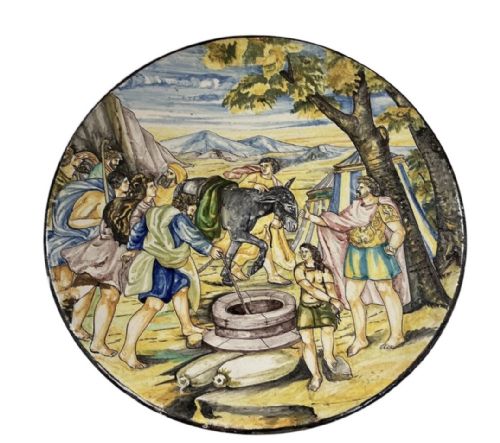
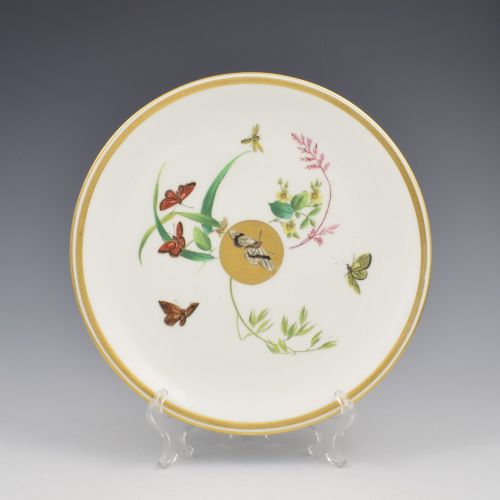
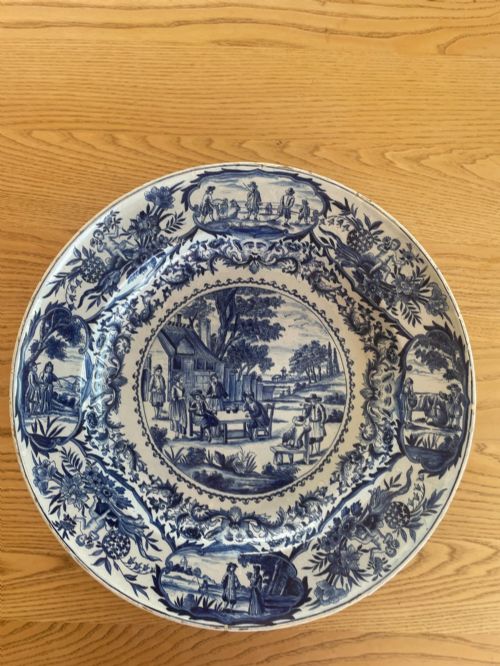
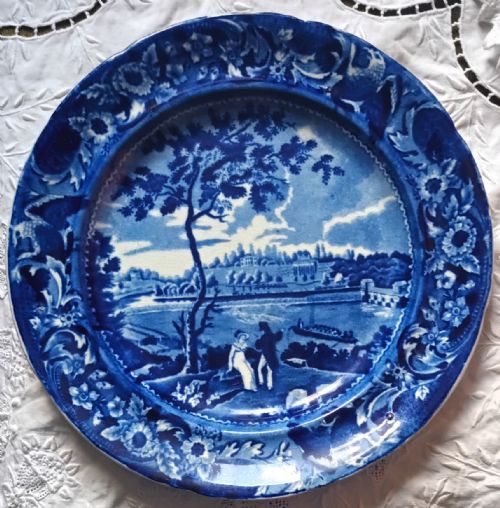
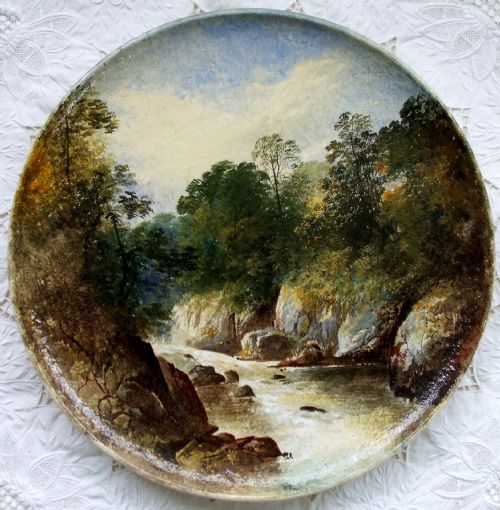
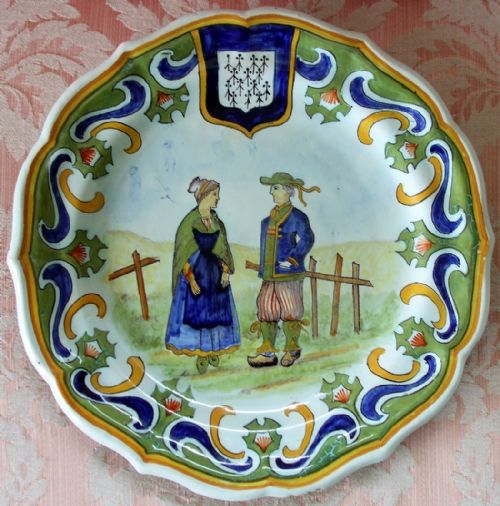
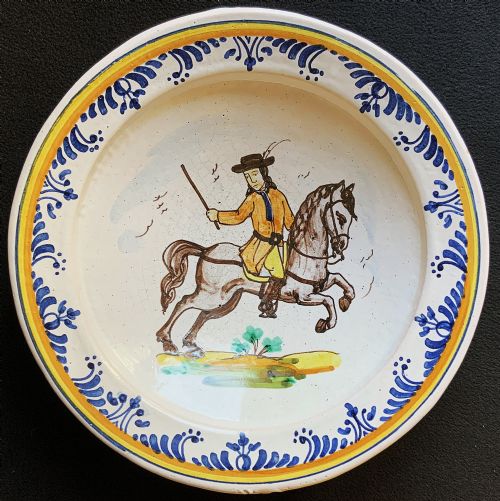
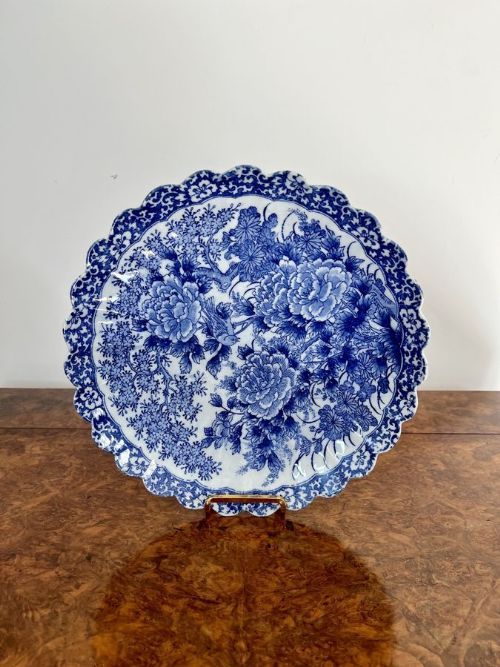
When searching for a decorative pottery plate, a buyer encounters a diverse selection of chargers, cabinet plates, and serving platters spanning the 18th century to the Art Deco era. The selection includes earthenware, porcelain, and tin-glazed vessels designed primarily for display rather than daily dining.
Continental tin-glazed earthenware chargers and English transfer-printed pottery dominate the offerings, alongside Japanese porcelain and Victorian majolica pieces. Forms range from broad wall chargers to smaller dessert plates and plaques.
Pieces originate from various European and Asian traditions, including Dutch Delftware, French faience, English earthenware potteries, and Japanese Imari or Satsuma workshops.
How they were made
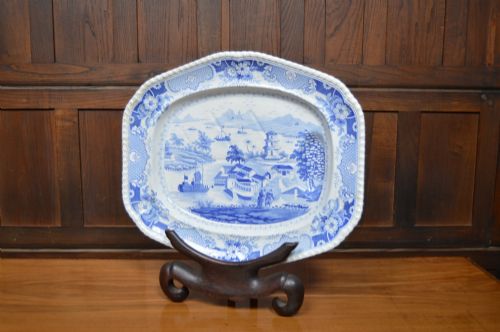
Potters shaped ceramic bodies from earthenware, stoneware, or porcelain, often finishing surfaces with tin glaze, enamel, or transparent lead glazes to receive painted decoration. Artisans applied pigments by hand or utilised transfer-printing techniques to transfer detailed monochrome and polychrome scenes.
Firing methods varied from low-fired earthenware bodies requiring tin opacification to high-fired stoneware and porcelain baked in kilns to vitrify the material. Many charger plates received gold leaf accents or metallic lustre highlights during secondary kiln firings.
Listings feature earthenware, porcelain, and ceramic materials shaped into chargers, plaques, and serving platters across the 18th, 19th, and 20th centuries.
What varies in quality
Quality rests upon the crispness of the painted or transferred design and the stability of the glaze across the ceramic surface. Superior examples display precise brushwork, balanced polychrome palettes, and minimal kiln distortion in the fired body.
The sophistication of the moulded rim, the depth of the tin glaze, and the preservation of hand-applied gold leaf or enamel separate standard utilitarian wares from exceptional cabinet pieces.
Doulton Lambeth·Minton·Stubbs·William Yale·Clarice Cliff
The Decorative Pottery Plate Glossary
- Charger
- A large decorative plate or platter typically displayed on walls or sideboards rather than used for dining.
- Tin-Glazed Earthenware
- Pottery coated with a white opaque glaze containing tin oxide, providing a smooth white ground for painted pigments.
- Transferware
- Ceramic decorated by transferring a printed design from an engraved copper plate onto the pottery surface prior to glazing and firing.
- Majolica
- Heavy earthenware pottery covered with colourful opaque lead glazes, popular during the Victorian period.
- Imari
- Japanese porcelain decorated in underglaze blue and contrasting iron red and gold, widely imitated by European potteries.
Decorative Pottery Plate: Frequently Asked Questions
How were decorative pottery plates displayed?
Historic households typically mounted large chargers on walls using wire hangers or displayed them upright on plate rails and dressers to showcase the painted scenes. Smaller dessert plates and cabinet pieces rested on specialised stands or sat within dedicated cabinetry.
Today, owners utilise similar methods to exhibit these ceramics safely, keeping them away from heavy traffic areas to protect the glazed surfaces.
What is the difference between earthenware and porcelain?
Earthenware is a porous, lower-fired ceramic body that requires a glaze to become impermeable to liquids. Porcelain is a dense, vitrified ceramic fired at much higher temperatures until the body becomes white and translucent.
Tin-glazed earthenware plates offer opaque white backgrounds suited for painted tin-glaze designs, whereas porcelain provides a finer, harder surface for delicate enamels.
Can these plates still be used for food?
Most antique decorative plates are intended for display rather than culinary use due to the fragile nature of historic glazes and potential surface wear. Older tin-glazed and lead-glazed surfaces can scratch easily or absorb moisture from moist foods.
Displaying them on walls or tables preserves the integrity of the original paintwork and glaze.