



Cobalt Glaze Dish
A cobalt glaze dish brings brilliant blue pigment onto tin-glazed earthenware and ceramic forms, offering rich tones that draw the eye.
Cobalt Glaze Dish
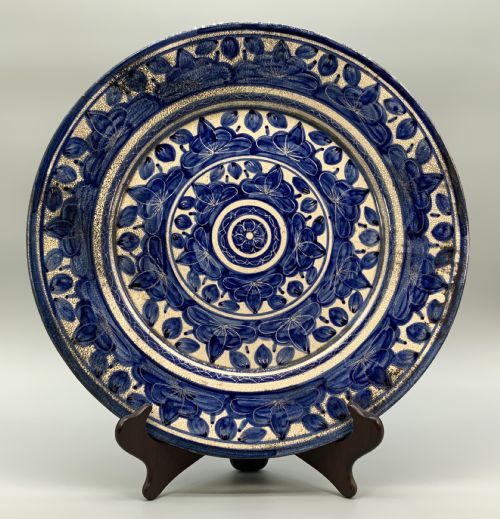
A cobalt glaze dish encompasses large decorative chargers, shallow bowls, and plates originating mainly from seventeenth, eighteenth, and nineteenth century production centres. These domestic and display pieces record centuries of ceramic design through distinctive blue and white motifs.
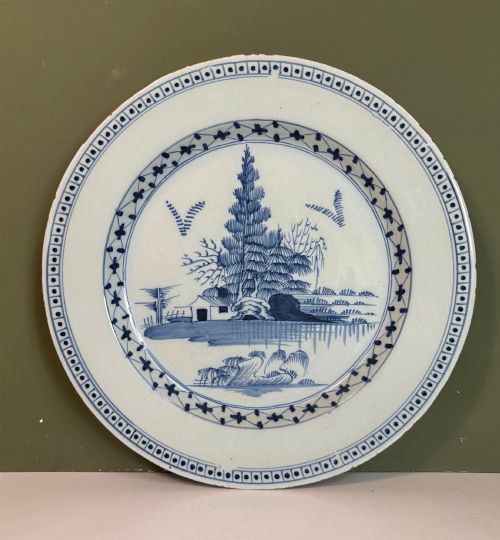
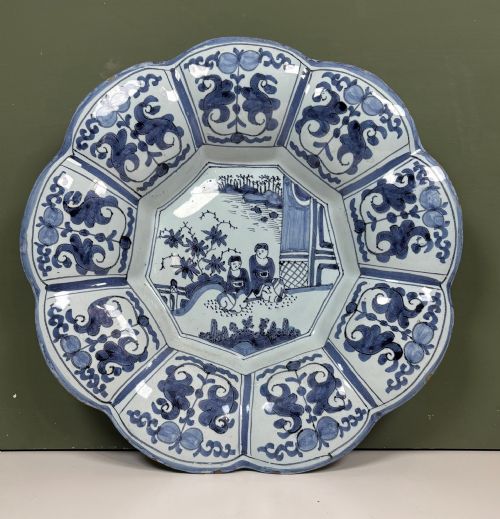
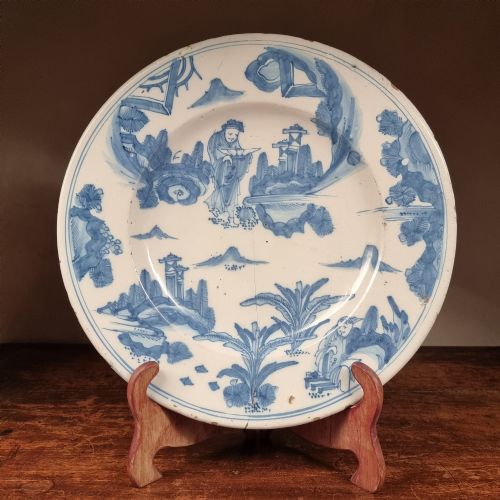
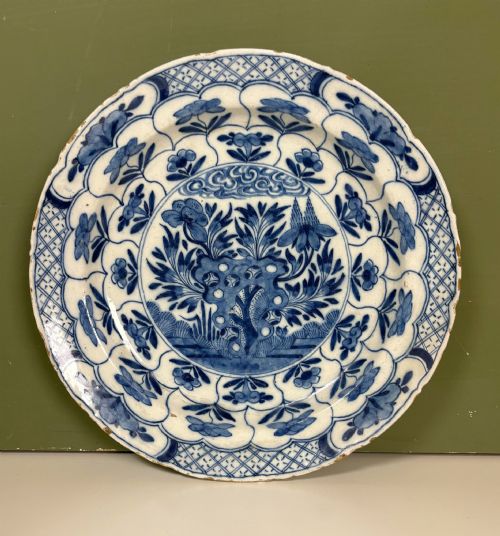
The version most frequently met on this page is the eighteenth century Delft charger or plate. English and continental potteries produced these earthenware vessels with characteristic tin glazes and cobalt pigment decoration.
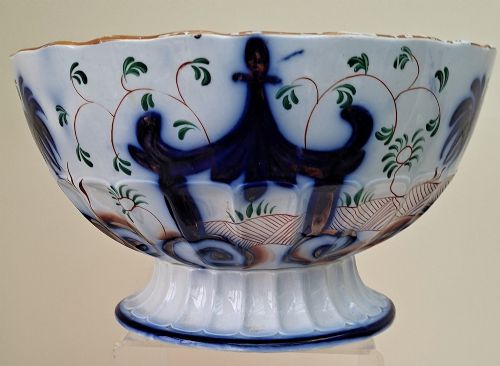
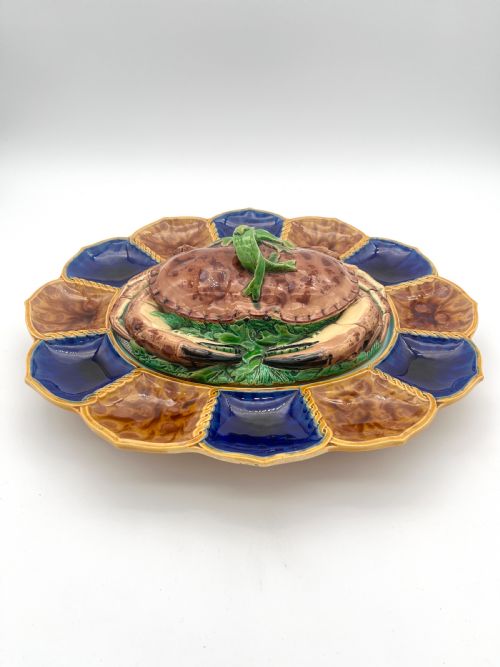
Beyond standard Delftware, the selection expands to include nineteenth century majolica, Moorcroft pottery bowls, and Chinese blue and white ceramics. Each variation demonstrates how diverse traditions utilised cobalt oxide to decorate earthenware and porcelain surfaces.
Materials and Techniques
Potters constructed these vessels using earthenware, stoneware, or ceramic bodies, shaping them into plates, chargers, and bowls before firing. Artisans then applied a tin glaze or standard ceramic glaze to create a smooth opaque white or cream ground.
Painters applied cobalt pigment or cobalt oxide directly onto the unfired or raw glaze by hand, often creating deep blue designs inspired by Chinese porcelain or local styles. A subsequent high temperature kiln firing fused the metallic oxide into the glaze, producing the characteristic vibrant blue colour.
Materials recorded across the selection include earthenware, tin glaze, ceramic, stoneware, and cobalt pigment.
Evaluating the Pieces
Quality rests primarily on the clarity, depth, and control of the cobalt painting against the glaze ground. Finer examples display precise brushwork and rich, stable blue tones without excessive bleeding into the surrounding glaze.
The weight, throwing consistency, and overall preservation of the ceramic body separate standard domestic utilitarian items from superior display chargers. Early tin-glazed pieces also vary according to the smoothness of the glaze surface and the crispness of the moulded form.
John Ridgway·Kinkozan Kyoto·Minton·Moorcroft·Spode
The Cobalt Glaze Dish Glossary
- Cobalt Glaze
- A vitreous coating coloured with cobalt oxide, applied to ceramic bodies to produce deep blue decorative effects during firing.
- Tin-Glazed Earthenware
- Pottery covered with a lead glaze made opaque by the addition of tin oxide, providing a white background for painted cobalt designs.
- Charger
- A large ornamental plate or dish intended primarily for display on walls or sideboards rather than everyday dining.
- Delftware
- Tin-glazed earthenware produced in Dutch and English potteries, widely known for blue and white painting imitating imported Asian porcelain.
- Majolica
- Pottery featuring colourful lead glazes applied over an earthenware body, popular during the nineteenth century for decorative tablewares and serving dishes.
Cobalt Glaze Dish: Frequently Asked Questions
How do I hang a heavy charger safely?
Display chargers require specialist spring-loaded wall hangers with rubber-coated grips to distribute weight evenly across the rim. Ensure the fixing hook secures firmly into solid masonry rather than relying on standard plasterboard anchors.
Position the piece away from direct sunlight and heavy foot traffic to protect the tin glaze and ceramic body from accidental knocks.
Can I use these antique dishes for food?
Historical tin-glazed earthenware and porous ceramics absorb moisture and oils through microscopic crazing in the glaze surface. Using them for serving food risks staining the body and potentially releasing soluble components from older glazes.
Treat these items strictly as decorative display pieces rather than functional tableware.
How do I clean an old ceramic bowl?
Dust the surface gently with a dry, soft microfiber cloth to remove surface particles without disturbing vulnerable glazes. Avoid soaking porous earthenware or submerging pieces with historic repairs in water.
Consult a professional restorer if stubborn grime requires more than light surface cleaning.
How do I tell eighteenth century Delft from later pottery?
Eighteenth century Delft pieces typically feature softer earthenware bodies with hand-applied tin glazes that show subtle pooling and minor surface irregularities. The cobalt painting sinks slightly into the wet glaze during firing, creating soft feathered edges.
Nineteenth and twentieth century reproductions often display harder ceramic bodies, brighter uniform glazes, and modern transfer-printed marks rather than hand-painted touches.