






Decorative Porcelain Serving Dishes
These decorative porcelain serving dishes bring hand-painted artistry and centuries of refined dining history straight to the table.
Decorative Porcelain Serving Dishes
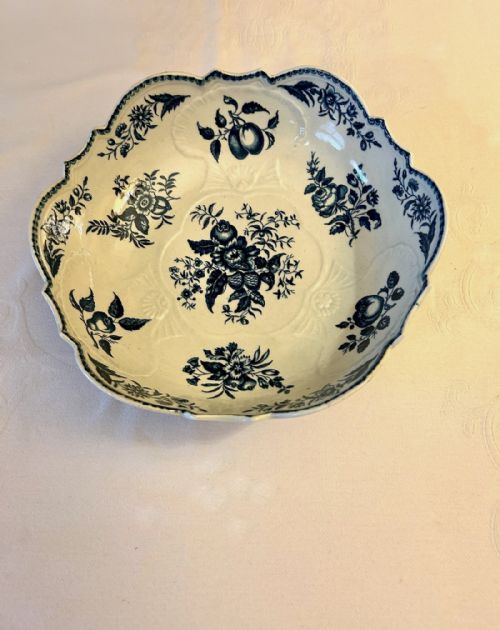
Decorative porcelain serving dishes encompass a wide variety of plates, bowls, chargers, and platters created to serve food or display craftsmanship across multiple centuries. Buyers searching for decorative porcelain serving dishes encounter items ranging from eighteenth-century English blue and white wares to nineteenth-century Japanese Imari chargers and twentieth-century cabinet pieces.
Materials and Manufacture
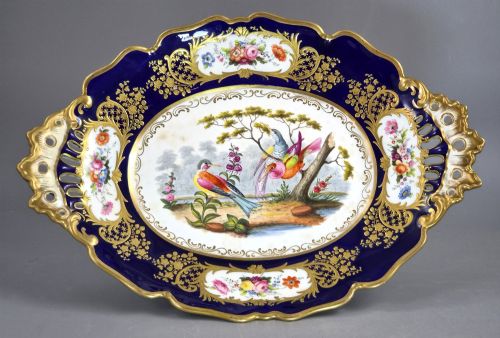
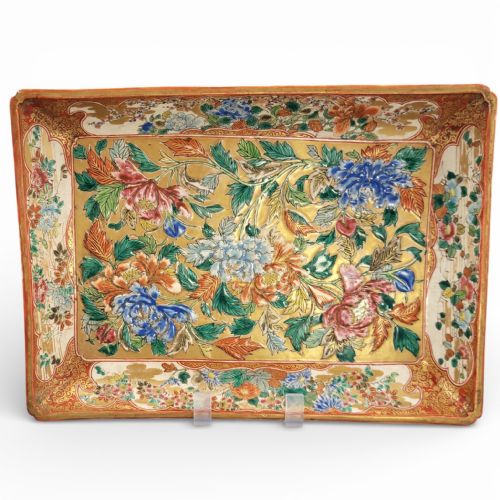
Potters shaped these wares from fine porcelain, bone china, felspar porcelain, and ironstone, applying detailed glazes to seal the ceramic body. Many examples incorporate hand-painted pigments alongside gold leaf, gilding, and gilt accents to highlight motifs of birds, florals, and figures.
Firing techniques varied from early blue and white underglaze transfer printing to elaborate overglaze enamel painting executed by specialist artists in European and Asian workshops.
Assessment of Quality
Excellence in these pieces rests upon the precision of the hand-painted brushwork, the richness of the enamel colours, and the purity of the porcelain body. Superior examples often bear the signature of a recognised ceramic artist or originate from distinguished named services.
Royal Crown Derby·Royal Doulton·Royal Worcester·Chamberlain s Worcester·Müller Volkstedt
The Decorative Porcelain Serving Dishes Glossary
- Imari
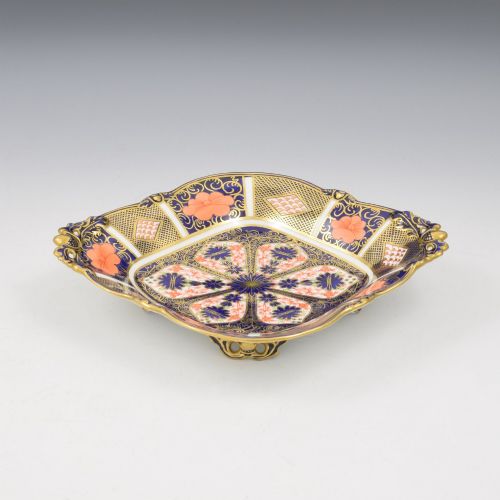
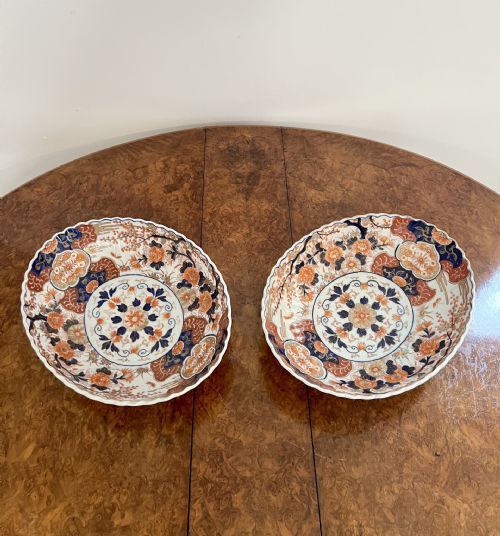
- A style of Japanese porcelain featuring vibrant underglaze blue and overglaze iron red, supplemented by gold. English factories frequently copied this colourful aesthetic during the eighteenth and nineteenth centuries.
- Ironstone
- A heavy, durable type of earthenware patented in the nineteenth century to imitate porcelain. It offered exceptional strength for large soup tureens and heavy serving platters.
- Cabinet Dish
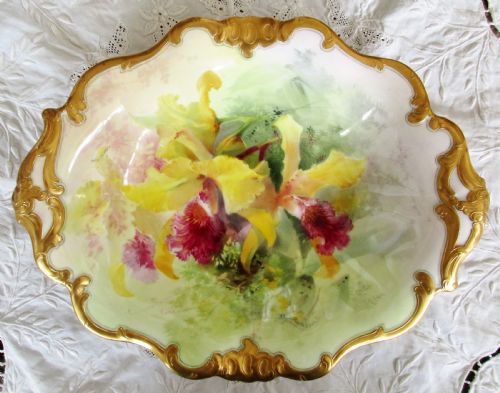
- A decorative plate or tray intended primarily for display in a cabinet rather than functional table use. These pieces usually display intricate hand-painted subjects such as fruit or botanical studies.
- Charger
- A large decorative plate traditionally used as a base under other courses or displayed upright on a wall or dresser. They provide a broad canvas for detailed floral, bird, or narrative scenes.
- Gilt
- A thin layer of gold applied to the surface of porcelain as leaf or liquid paint. It accents rims, handles, and borders to create a reflective contrast against painted glazes.
Decorative Porcelain Serving Dishes: Frequently Asked Questions
How do I care for antique porcelain serving dishes?
Wash these pieces gently by hand using lukewarm water and mild soap, avoiding dishwashers entirely to protect delicate enamel and gold leaf.
Store them securely on padded plate hangers or upright in cabinets where temperature fluctuations remain minimal.
Were these dishes used for food?
Many served functional roles at formal dining tables for holding fish, dessert, fruit, or soups during large nineteenth-century banquets.
Others functioned strictly as cabinet pieces or decorative chargers meant for visual admiration rather than daily dining.
How can I tell Japanese Imari from English Imari?
Japanese examples typically feature a slightly greyish or sand-adhered base with looser, hand-thrown potting characteristics from the Meiji period or earlier.
English interpretations by factories like Royal Crown Derby utilise refined bone china bodies with precise, standardised factory marks.
What defines a junket dish?
A junket dish is a specialised shallow bowl designed historically for serving curdled milk or cream desserts flavoured with rosewater and spices.
Early examples often feature decorative pierced rims and intricate blue and white underglaze painted patterns.