
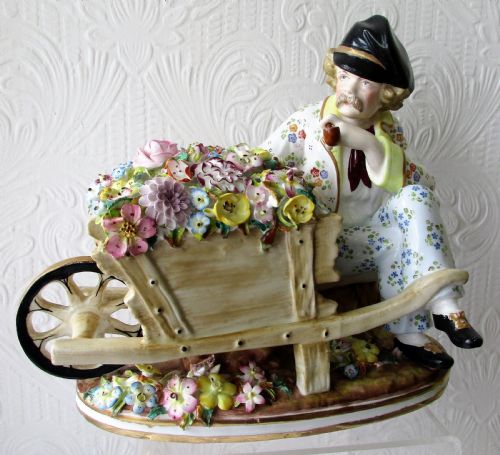


Decorative Porcelain Sculpture
These decorative porcelain sculpture pieces capture centuries of figurative artistry in ceramic, crossing periods from the eighteenth century to the Art Deco era.
Decorative Porcelain Sculpture
When you search for decorative porcelain sculpture, you encounter a diverse range of figures, figurines, and sculptural groups spanning the eighteenth, nineteenth, and early twentieth centuries. These works include European manufactory figures, Staffordshire pottery, Asian export wares, and sculptural depictions of human, animal, and allegorical subjects.
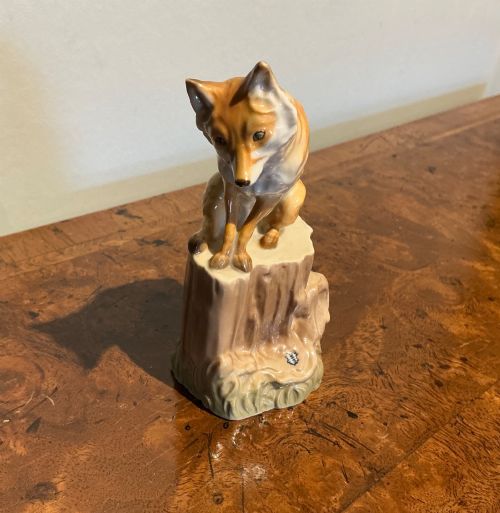
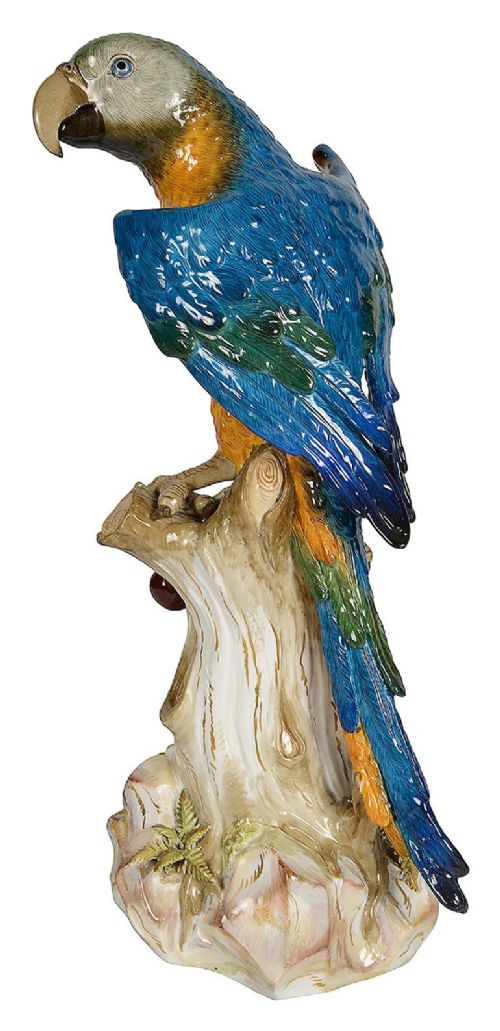
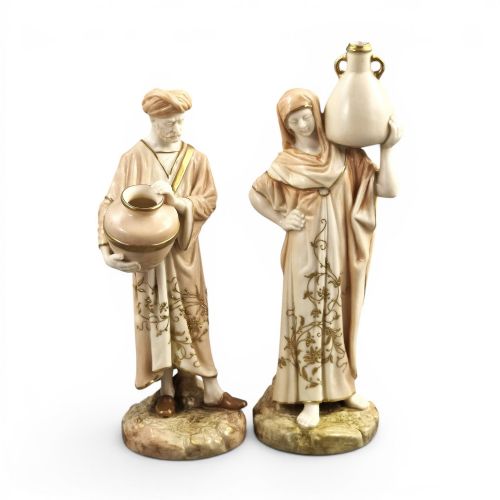
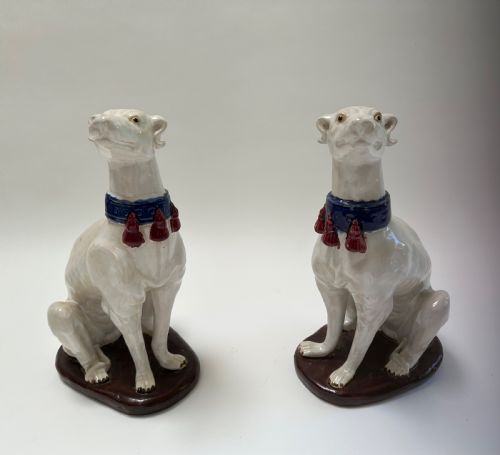
The pieces represented on this page are most frequently nineteenth-century and Edwardian works, alongside Victorian creations and select examples from the Art Nouveau and Art Deco periods. Forms extend from cabinet figurines and portrait busts to large centrepieces, water carriers, and animal statues mounted on circular or rustic bases.
How They Were Made
Makers utilised porcelain, earthenware, ceramic, and white bisque pottery, often shaping hard-paste clay into detailed sculptural forms before firing. Glaze, enamel, and gold leaf were applied to highlight surface details, while specialised techniques produced the matte finish characteristic of Parian ware.
Many of these objects incorporate painted polychrome palettes, Sancai glazes, or intricate gilding. Firing temperatures and modelling techniques determined the final stability and texture of the pieces, allowing for both delicate glazed surfaces and porous earthenware structures.
Poodles and dogs carved in biscuit pottery share shelf space with eighteenth-century harlequins, Chinese ducks, and water-carrying musicians.
What Varies in Quality
The standard of a decorative porcelain sculpture rests on the precision of the modelling and the crispness of the painted or gilded details. Finer examples display meticulous attention to facial expressions, drapery folds, and anatomical proportions, whereas simpler pieces show softer lines and broader mass-production techniques.
Material application also dictates quality, distinguishing between carefully layered enamels and standard washes. The clarity of factory marks, the preservation of delicate limbs and extremities, and the sophistication of the overall composition separate ordinary output from high-grade manufacture.
Nymphenburg·Meissen·Royal Worcester·James Hadley·John Bevington·C. G. Schierholz·Royal Dux·Ernst Whaliss·Carl Thieme Dresden
The Decorative Porcelain Sculpture Glossary
- Biscuit porcelain
- Unglazed porcelain fired once to create a matte, porous finish resembling marble. It is frequently employed for sculptural busts and figures where fine surface detail is paramount.
- Hard-paste
- A dense, durable ceramic composition fired at very high temperatures. It resists scratching and provides a sturdy body for intricate European figurines.
- Majolica
- A type of earthenware coated with an opaque tin-glaze and painted with metallic oxide colours. This technique yields vibrant hues and glossy surfaces on figural and vessel forms.
- Parian ware
- A fine-grained, unglazed porcelain developed in the nineteenth century to imitate white marble. Sculptors utilised it widely for portrait busts and classical figures.
- Famille rose
- A Chinese porcelain palette characterised by opaque pink enamel introduced during the Qing dynasty. It allowed artisans to render subtle tonal gradations on pictorial and figural subjects.
Decorative Porcelain Sculpture: Frequently Asked Questions
How were these figures displayed historically?
Owners typically placed these sculptures on mantelpieces, sideboards, and central dining tables as conversation pieces. Large figural groups and centrepieces functioned as formal table decorations during nineteenth-century dining.
Smaller figures and portrait busts were kept in display cabinets or on dedicated brackets to showcase the owner's taste and appreciation for fine craftsmanship.
How do I identify different periods?
Stylistic cues such as neoclassical drapery, Victorian ornamentation, Art Nouveau flowing lines, and Art Deco geometric forms indicate specific eras of production. Examining the base for factory stamps, painted marks, and impressed numbers often provides a direct link to a particular manufactory.
The choice of materials, from eighteenth-century hard-paste to nineteenth-century Parian ware and twentieth-century ceramic styles, further assists in dating a sculpture.
How do I care for antique porcelain?
Keep these sculptures out of direct sunlight to prevent the fading of painted enamels and gilt highlights. Dust them gently with a soft, dry brush rather than using wet cloths that might harm unglazed bisque surfaces.
Ensure they rest on stable, vibration-free surfaces because projecting elements like fingers, branches, and musical instruments are vulnerable to accidental knocks.