




Decorative Porcelain Platter
These decorative porcelain platter examples span centuries of ceramic artistry, bringing intricate hand-painted detail and rich glaze work directly to a wall or table.
Decorative Porcelain Platter
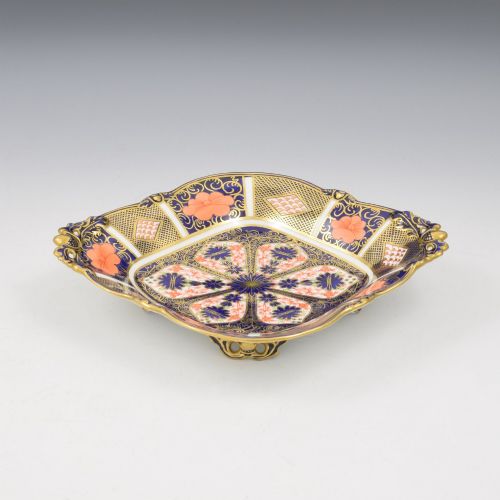
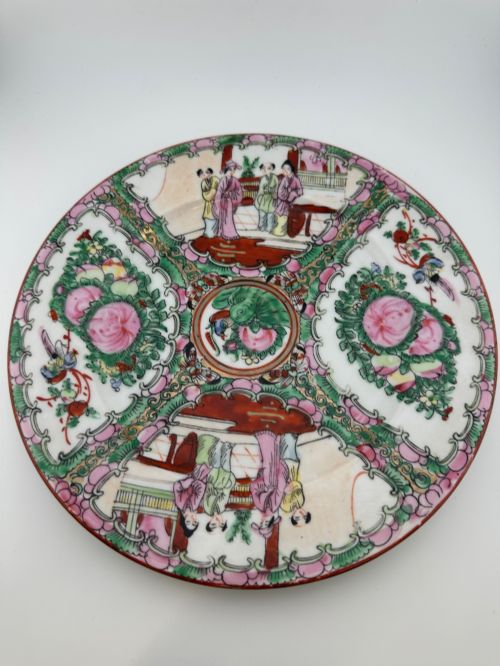
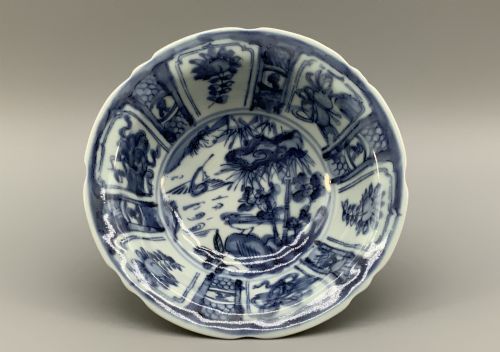
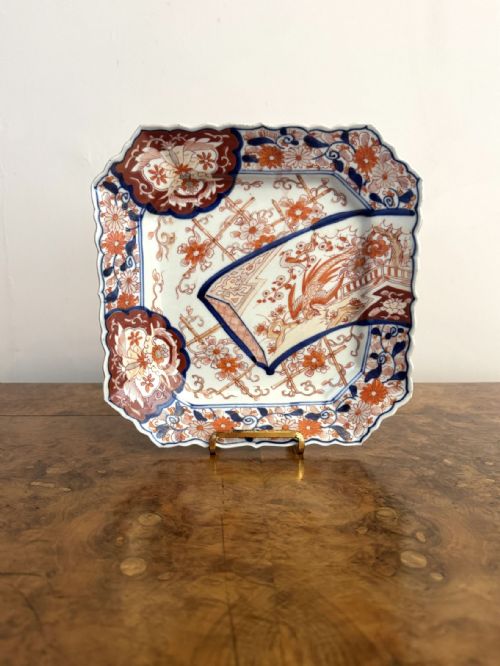
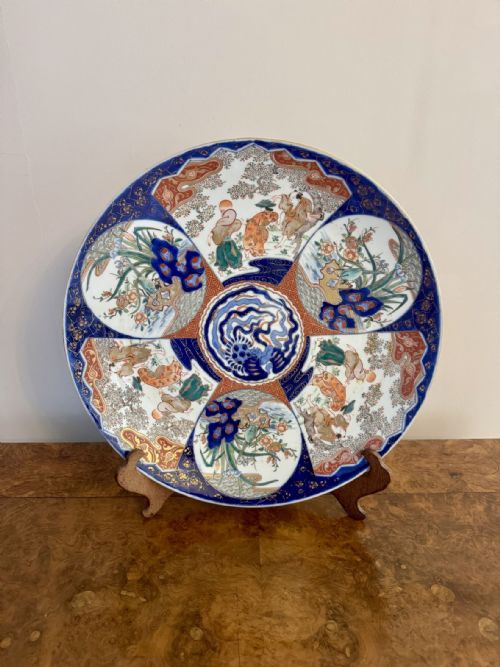
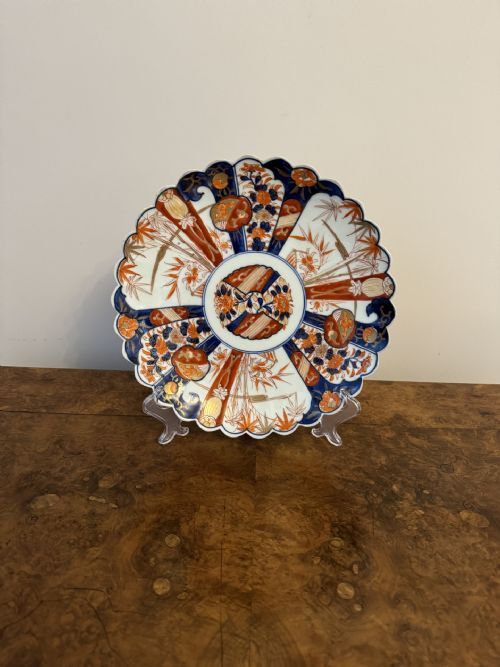
When you search for a decorative porcelain platter, you encounter a diverse array of chargers, cabinet plates, and serving dishes originating from English, French, and East Asian traditions. The selections on this page range from 18th century Delft chargers and Kangxi period lobed bowls to Meiji period Japanese Imari and Kutani wares.
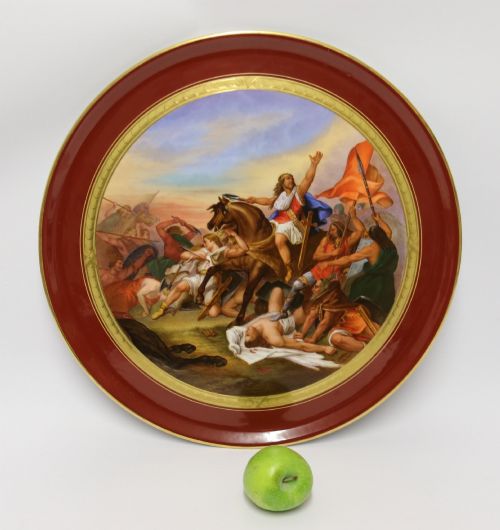
The most common items meeting this search are large Japanese Arita and Imari chargers alongside 19th century English ironstone and porcelain dishes. These pieces often measure significantly larger than standard dinnerware, designed originally for display on sideboards or walls rather than everyday dining.
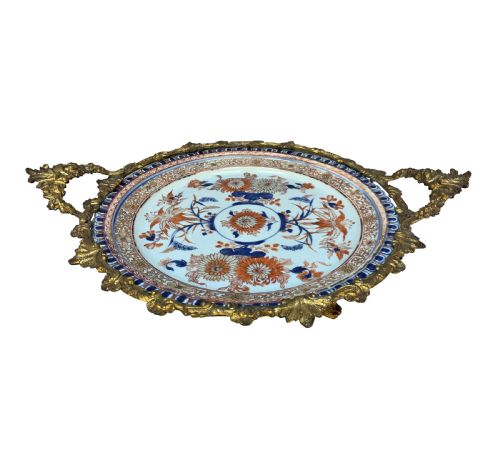
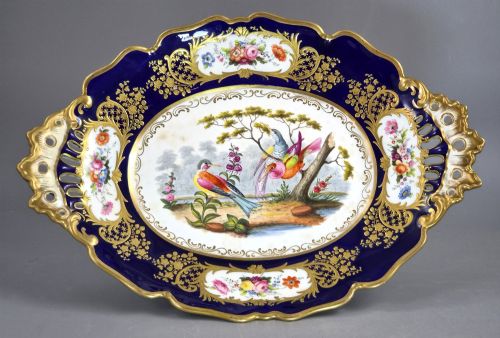
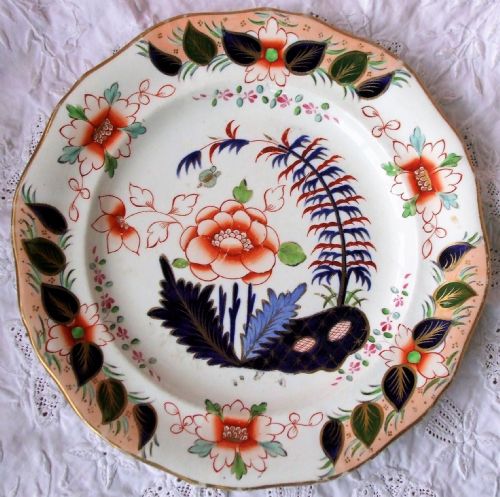
European makers are also well represented through French Paris porcelain, Sevres centrepieces with gilt bronze mounts, and English factories such as Coalport and Spode. Each region brings distinct stylistic signatures, from cobalt blue hand-painted botanicals to elaborate moriage relief work.
Materials and Techniques
The physical construction of these pieces relies on high-fired ceramic bodies finished with durable glazes, often enhanced by cobalt underglaze painting. Artisans applied pigments by hand before the final firing to achieve deep blue tones beneath the clear glass surface.
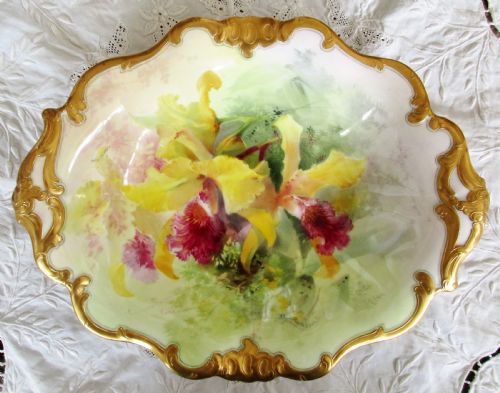
Many examples incorporate lavish surface embellishments including gold leaf, gilding, and enamel work applied over the glaze. French and English pieces frequently integrate metalwork mounts made from ormolu, champlevé enamel, and gilt bronze to elevate the decorative function.
Japanese masters utilised specialised techniques such as moriage, building up raised clay dots and lines to give floral and faunal motifs tangible texture. Ironstone and felspar porcelain bodies provided robust alternative bases for heavy enamelling and transfer printing.
Assessing Quality and Execution
The distinction between ordinary and exceptional pieces rests upon the precision and ambition of the hand painting. Superior examples exhibit fluid brushwork, intricate detailing in figures or plumage, and careful registration of multiple enamel colours.
Weight, resonance, and potting thickness indicate the standard of the ceramic body itself. Finer items achieve a delicate balance between structural strength and refined thinness, particularly evident in scalloped edges and pierced rims.
The presence of secondary materials such as fire-gilt ormolu mounts and champlevé enamel work signals high-end production for the luxury export and domestic drawing-room markets.
Royal Crown Derby·Royal Doulton·John Davenport of Longport·Müller Volkstedt
The Decorative Porcelain Platter Glossary
- Charger
- A large decorative plate or dish, typically exceeding thirty centimetres in diameter. These substantial items were primarily intended for display on sideboards or walls.
- Imari
- A traditional Japanese export style characterised by a palette of cobalt blue, iron red, and gold. This aesthetic heavily influenced European ceramic design throughout the Georgian and Victorian eras.
- Moriage
- A Japanese ceramic technique using raised slip or clay trails to create textured relief decorations. It frequently highlights feathers, petals, and traditional garments on Kutani and Satsuma wares.
- Cabinet Plate
- A decorative ceramic dish made for display inside a glass-fronted cabinet rather than functional dining use. They often feature detailed hand-painted scenes or botanical studies by named artists.
- Cobalt Underglaze
- A pigment applied to the raw ceramic body before glazing and high-temperature firing. This method ensures the deep blue decoration remains permanently sealed beneath the glass surface.
Decorative Porcelain Platter: Frequently Asked Questions
How were antique porcelain chargers displayed?
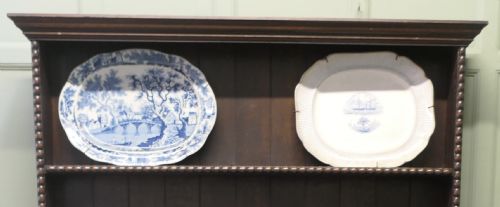
Historically, large chargers and platters were stood upright on sideboards, slotted into plate rails, or mounted directly onto walls using specialised wire hangers. Their generous dimensions and detailed central motifs made them ideal focal points for dining rooms and parlours.
Today, modern collectors often utilise similar display stands or professional wall-mounting systems to showcase these historic items safely in domestic interiors.
Can these decorative platters still be used for serving food?
While many of these items were originally functional vessels or serving dishes, antique pieces featuring delicate overglaze enamels, gold leaf, or ormolu mounts are best reserved for display. Heavy use can wear down fragile hand-painted surfaces and historical gilding.
Ironstone and sturdy porcelain bodies are more resilient, but older glazes may contain trace impurities or show crazing that makes modern culinary use inadvisable.
How do I identify the period of an antique plate?
Dating relies on observing a combination of potting characteristics, glaze textures, stylistic influences, and factory marks stamped or painted on the reverse. Early pieces often feature hand-written numerals or blue underglaze symbols rather than standardised maker stamps.
Comparing the painting style to known dated examples helps narrow down the decade of production, particularly for Japanese Meiji period wares and 19th century English porcelain.