



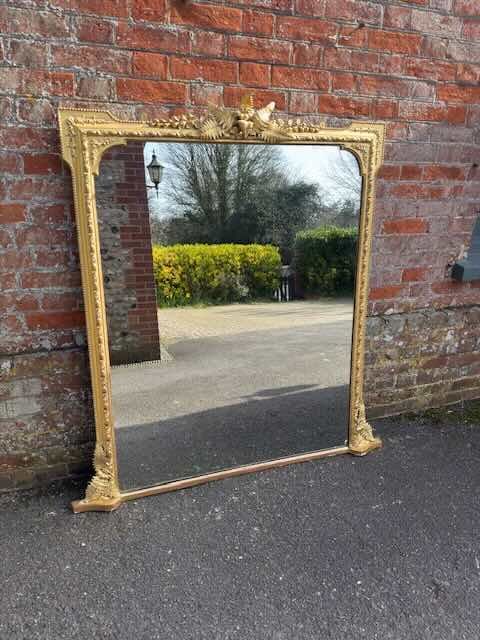


Decorative Mantle Mirror
A decorative mantle mirror anchors a room above a fireplace, bringing light and scale through gilt frames and antique glass.
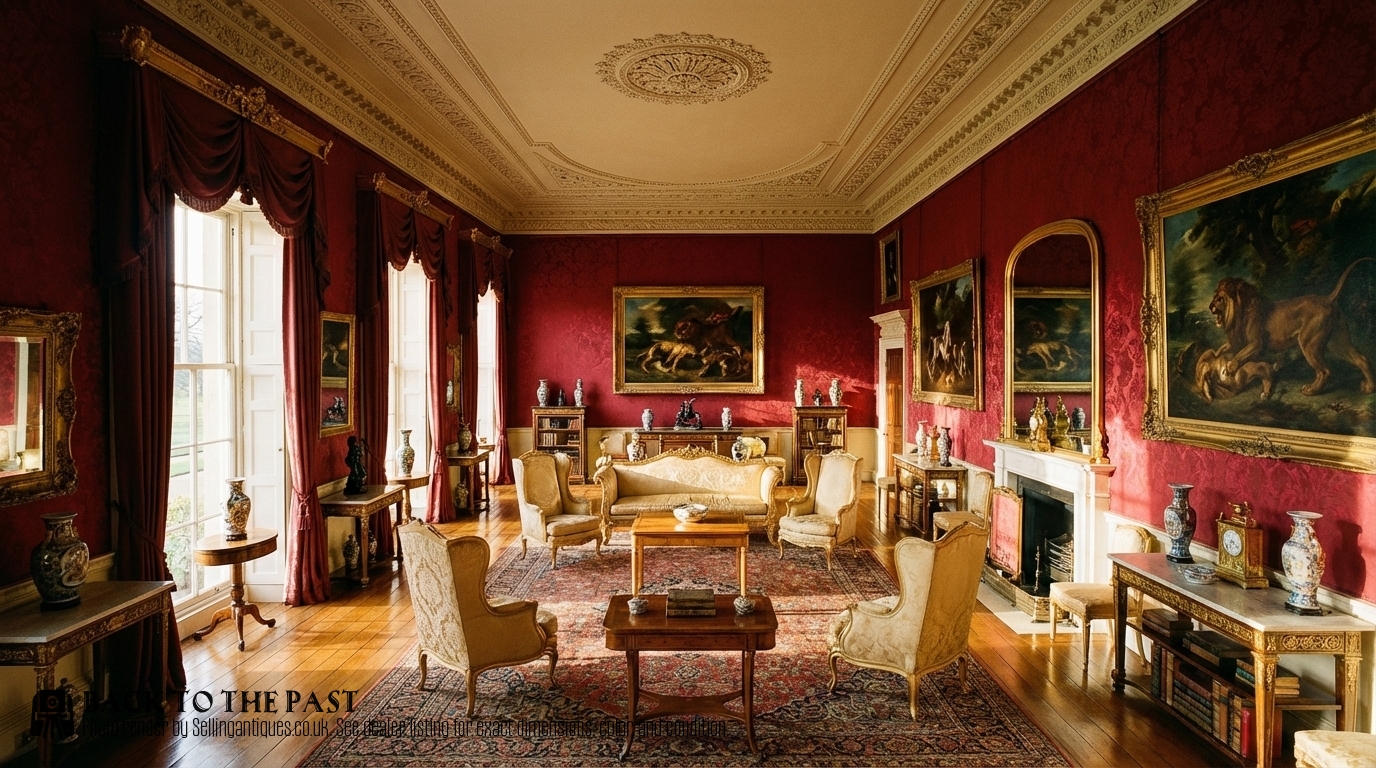
Decorative Mantle Mirror
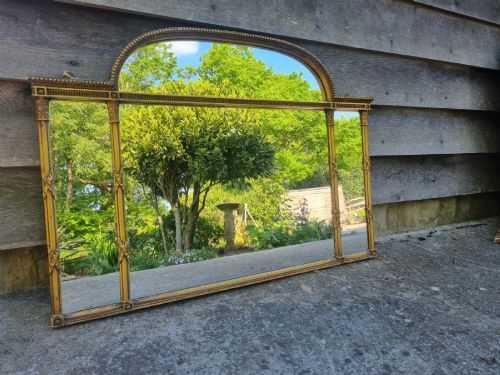
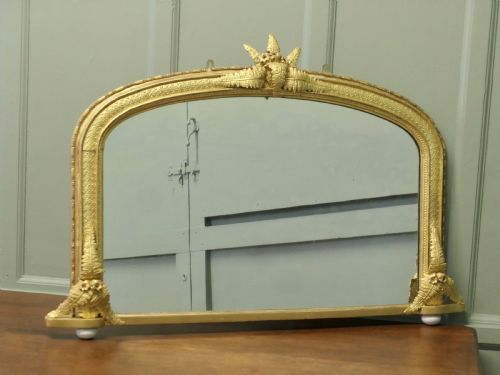
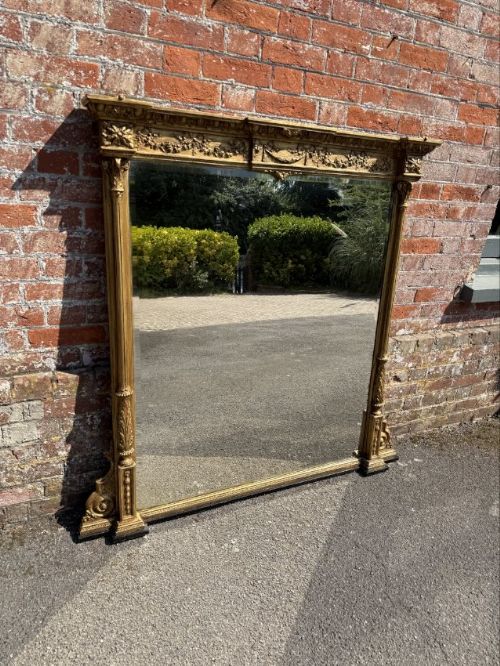
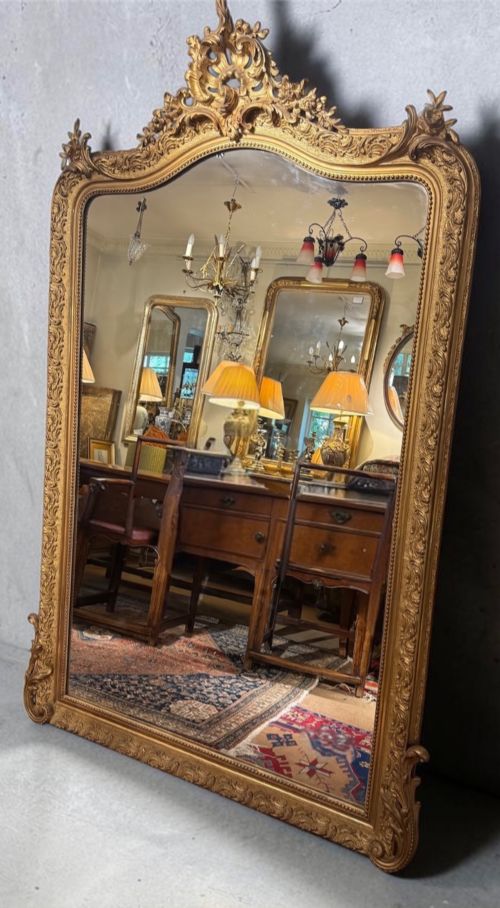
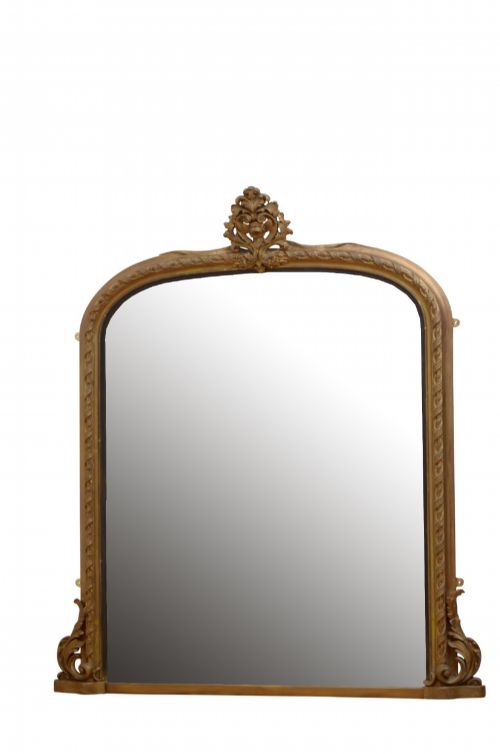
A decorative mantle mirror is designed specifically to sit above a fireplace hearth, using substantial proportions to reflect light and fill wall space. The most common examples met on this page are grand nineteenth-century pieces, spanning periods from the Regency era through the Victorian decades.
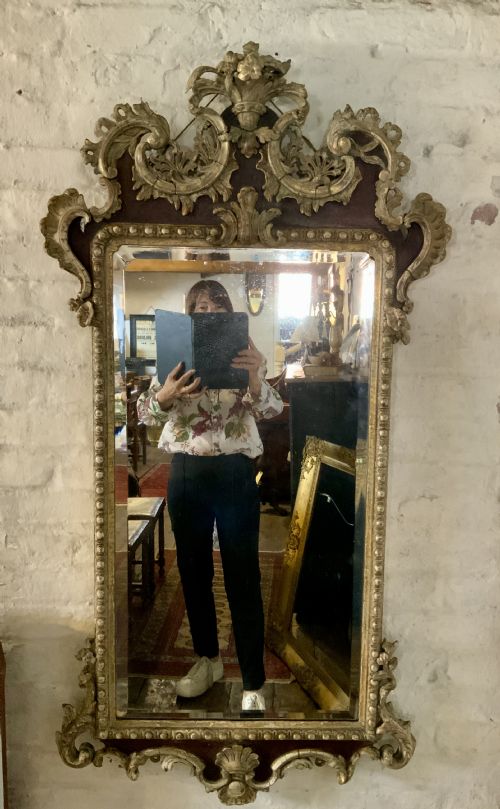
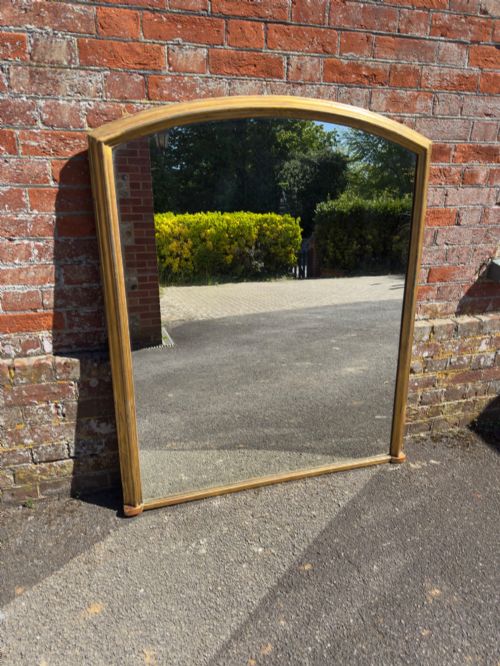
These items take various structural forms, including arched tops, rectangular plates, and triple sections, often built to span the width of a chimney breast. Alongside overmantles, the selection includes related wall mirrors framed in wood, oak, or mahogany.
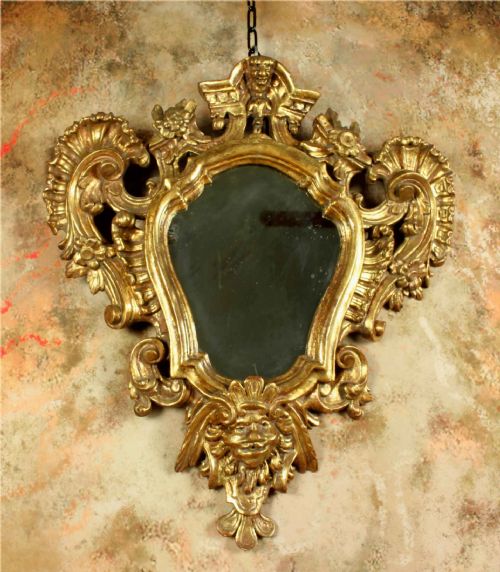
Origins stretch across English and French workshops, encompassing styles such as French Rococo Revival, Louis XVI, and Edwardian designs. Buyers find pieces ranging from simple painted wooden frames to elaborate gilded architectural structures.
How they were made
Makers built the structural frames of these mirrors using timber foundations such as wood, oak, walnut, and mahogany, carved into architectural columns, crests, and moulded shapes. Carved wood and composition ornaments were applied directly to the wooden carcasses to build up intricate relief patterns.
Giltwood and gold leaf finishes were achieved by applying thin layers of gold to gesso surfaces prepared over the wood, sometimes combined with silver leaf, paint, or black ebonised treatments. Mirror glass was then fitted into the rebate, occasionally featuring marginal plates, etched designs, or cushion framing.
Decorative Mantle Mirror Retail Price Guide 2026
Typical asking prices for decorative mantle mirror among the pieces listed under this phrase on Sellingantiques today, from the lower quarter to the upper quarter. They describe what is for sale here now, not the wider market.
Several mirrors include painted wooden eagles perched atop the frame, watching over the room.
What varies in quality
Quality in a decorative mantle mirror rests upon the crispness of the carved wood and gesso ornamentation, where deeply modelled mouldings and defined architectural details separate superior pieces from simpler variants. The handling of the gilding surface, whether gold leaf or painted gesso, dictates the visual depth and richness of the frame.
The integrity of the mirror glass itself influences value, with older silvering and marginal plates showing distinct character compared to later replacements. Scale and proportion also matter, as larger, well-balanced arched and columned overmantles demand greater joinery skill than smaller standard wall mirrors.
The Decorative Mantle Mirror Glossary
- Overmantle mirror
- A large mirror specifically proportioned to hang on the wall directly above a fireplace mantle. These pieces frequently feature architectural framing or decorative crests.
- Gesso
- A plaster-based material applied over wooden frames to create a smooth surface for gilding or painting. Artisans carved intricate decorative motifs directly into this dried layer.
- Giltwood
- Timber that has been gilded with gold leaf or metal leaf applied over a prepared base. It provides the characteristic bright, reflective surface seen on period frames.
- Trumeau mirror
- A decorative wall mirror incorporating a painted panel or artwork directly above the glass plate. Originating in France, these pieces served as permanent wall decorations.
- Cushion mirror
- A frame constructed with a rounded, convex profile that slopes outward or inward toward the glass. This style creates additional planes to reflect ambient light.
- Marginal plate
- A mirror design featuring a large central glass plate surrounded by smaller, bevelled border mirror strips. These sections are typically held together by decorative corner rosettes or strips.
Decorative Mantle Mirror: Frequently Asked Questions
How do I hang a heavy overmantle mirror safely?
Heavy mantle mirrors require secure fixing directly into masonry or substantial wall studs using appropriate brackets suited to the weight of the timber and glass.
Because these pieces were originally built to rest upon a fireplace shelf while anchored to the wall, professional installation ensures the frame remains stable.
What is the difference between an overmantle and a wall mirror?
An overmantle mirror is specifically horizontal or arched in proportion to span the width of a fireplace surround, whereas standard wall mirrors are built for general room placement.
Overmantles often incorporate wider frames, heavy crests, and architectural columns designed to anchor the visual weight of a hearth.
Can I place these mirrors in rooms without fireplaces?
These mirrors function effectively as principal wall hangings in hallways, dining rooms, and living spaces regardless of whether a working fireplace is present.
Their substantial scale and reflective glass naturally draw light into dark corners and expand the perceived dimensions of a room.
How do I identify nineteenth-century French mirrors?
French nineteenth-century pieces often display characteristic Rococo Revival or Louis-style curves, delicate painted trumeau panels, and crests featuring floral or scroll motifs.
Makers frequently utilised gesso over carved wood with bright gilding, and the reverse of the frame often reveals traditional French joinery methods.