
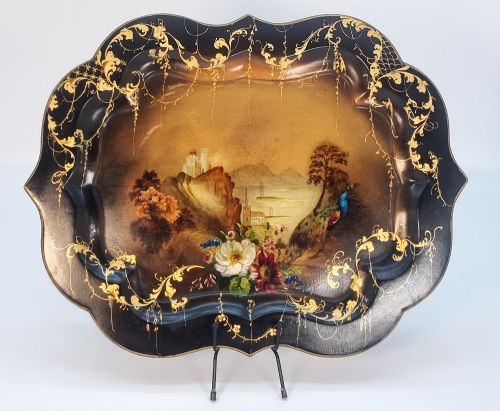


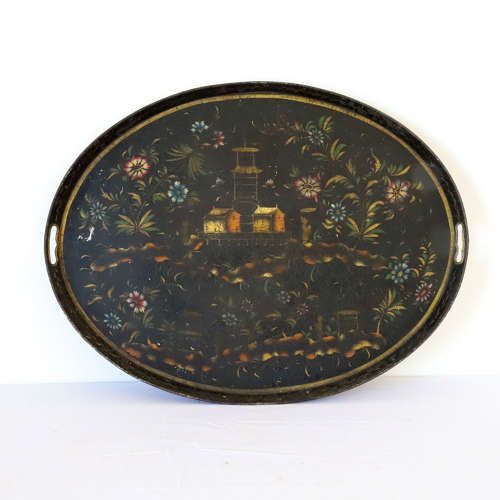


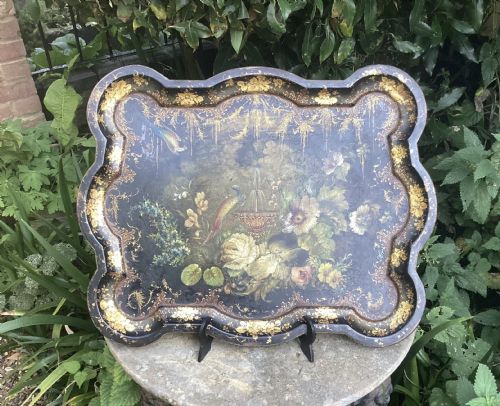
Decorative Lacquered Serving Tray
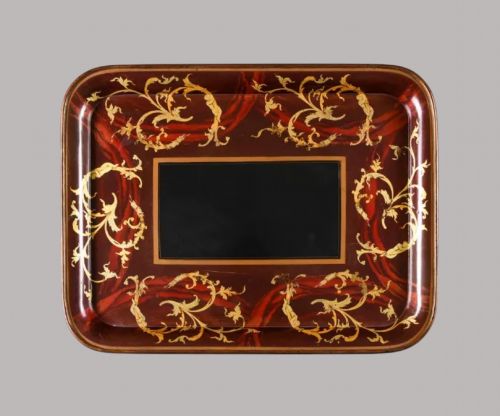
These decorative lacquered serving trays bring a rich surface of paint, gilding, and lacquer into a room, offering both history and utility.
Decorative Lacquered Serving Tray
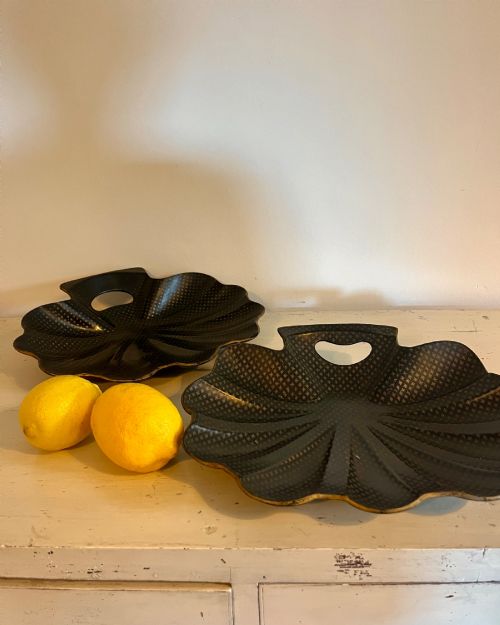
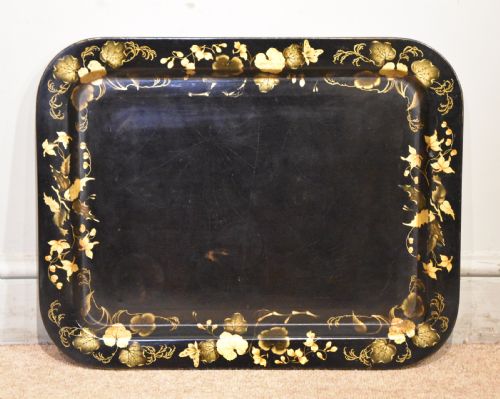
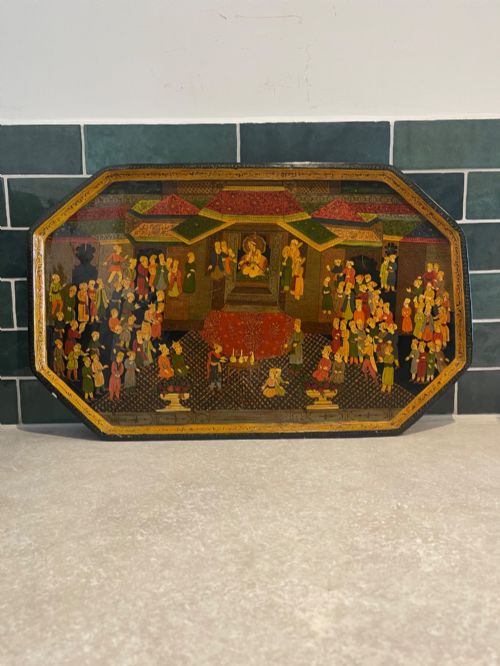
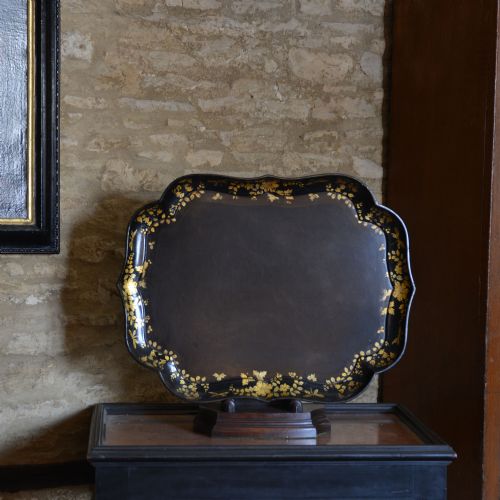
A decorative lacquered serving tray combines rigid support with layered surface finishes, appearing across Georgian, Regency, and Victorian periods. You encounter oval, rectangular, and octagonal forms designed for domestic display or service.
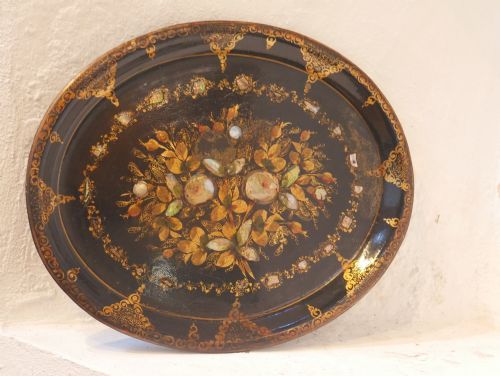
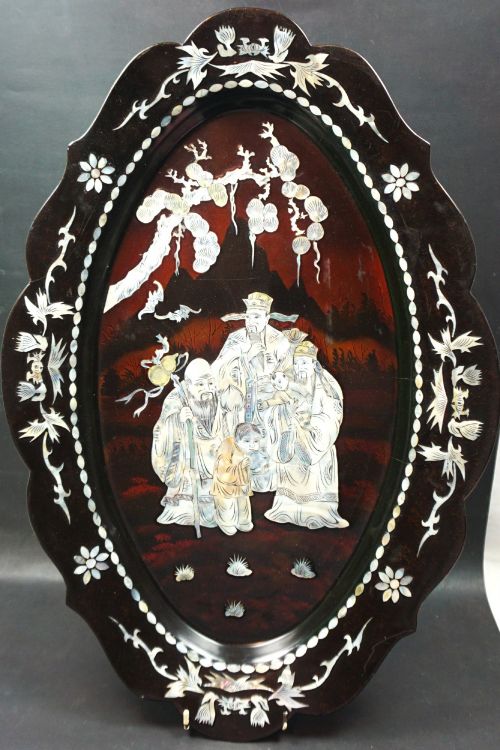
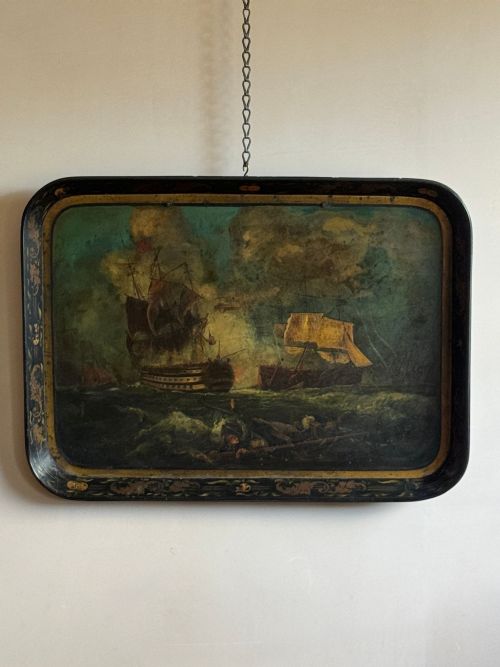
The materials span papier-mâché, wood, and toleware, often embellished with gold leaf, paint, or mother-of-pearl inlay. Many examples reflect stylistic influences from Chinoiserie and Kashmiri traditions alongside European landscape and hunting scenes.
While some pieces function independently as serving platters, others survive paired with tray tables or adapted for wall hanging. The selection here privileges pieces originating from English, French, Chinese, Japanese, Swedish, and Kashmiri workshops.
Materials and construction
Papier-mâché serves as the primary base for many of these surfaces, built from layers of paper pulp or sheets compressed and bonded together to form a remarkably tough yet light foundation. Wood and metal toleware provide alternative structures across the Georgian and Victorian eras.
Lacker, paint, and gilding build up the decoration, sometimes incorporating mother-of-pearl inlay to catch the light. Artisans applied successive coats of varnish and pigment, often curing and polishing the surface to achieve a hard, lustrous finish.
An oversized papier-mâché tray survives dedicated entirely to the subject of fishing, proving that historic snack delivery occasionally required a thematic piscatorial backdrop.
Judging quality in lacquered trays
Quality rests in the execution of the hand-painted details and the stability of the lacquer ground. Superior examples display crisp brushwork in landscapes or figures, alongside secure inlay work that sits flush with the surrounding surface.
The depth of the papier-mâché moulding and the crispness of edge profiles distinguish finer pieces from plainer utilitarian items. Original decoration and retained gilding elevate an object far beyond examples with later overpainting or heavy surface losses.
Jennens and Bettridge·Clay
The Decorative Lacquered Serving Tray Glossary
- Papier-mâché
- A composite material made from paper pulp or reinforced paper sheets mixed with glue, pressed into moulds, and dried to form a durable tray base.
- Toleware
- Enamelled or japanned metalware, typically iron or tinplate, finished with painted and lacquered decorations.
- Japanned
- European work imitating Japanese and Chinese lacquer finishes, using dark varnishes and applied metallic decoration.
- Chinoiserie
- European artistic style reflecting Chinese motifs, often featuring pavilions, figures, and exotic landscapes on lacquered surfaces.
- Mother of pearl
- Iridescent inner layer of mollusc shells, sliced thin and inlaid into lacquer surfaces to create glowing highlights.
Decorative Lacquered Serving Tray: Frequently Asked Questions
Can I use an antique tray for serving food?
Most of these surfaces resist light moisture, but historic lacquers and painted finishes suffer from abrasive cleaning and alcohol spills. It is safer to use them for display or dry service.
For practical hosting, placing a protective glass insert or limiting use to decorative placement preserves the delicate gilding and painted scenes.
How do I mount a tray on the wall?
Hanging requires specialised bracket fixings that support the rim or underside without gripping too tightly. Avoid drilling directly through the papier-mâché or wood body.
Ensuring the weight distributes evenly across a secure wall hook protects the structural integrity of Georgian and Victorian frames.
How do I distinguish Regency from Victorian trays?
Regency examples frequently lean towards classical motifs, japanned finishes, and restrained gilt borders. Victorian pieces often embrace bolder polychrome palettes and elaborate mother-of-pearl inlay.
Examining the depth of the papier-mâché rim and the style of the painted landscape helps clarify the period of manufacture.