






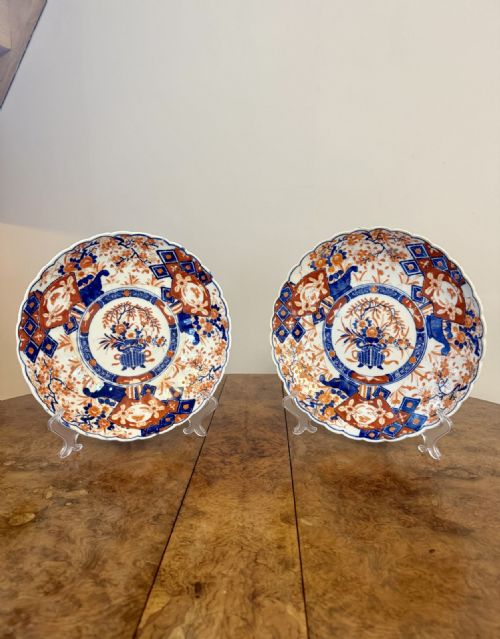
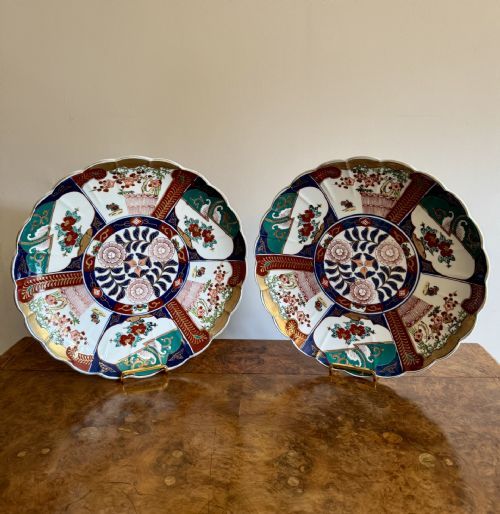
Decorative Imari Porcelain Charger
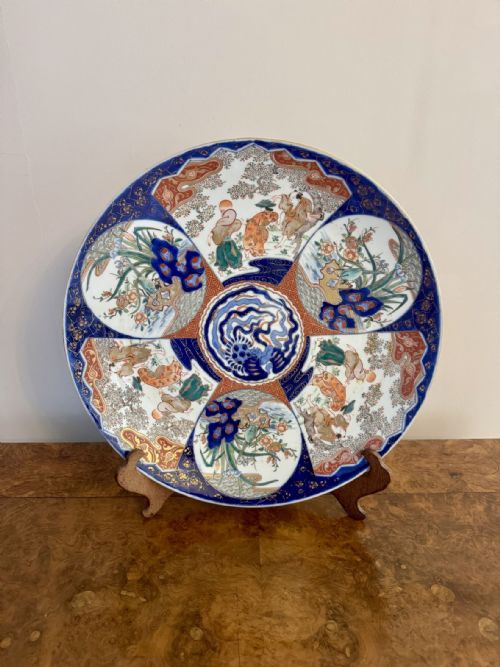
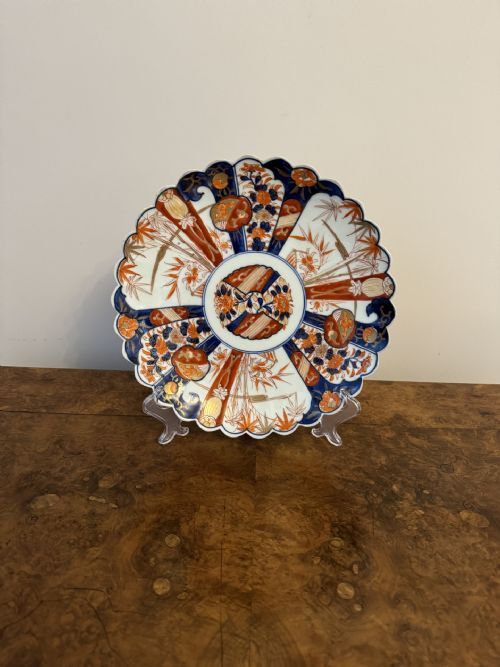
A decorative imari porcelain charger brings bold cobalt and iron-red palettes into a room, offering striking wall or table display through traditional Japanese and Chinese craftsmanship.
Decorative Imari Porcelain Charger
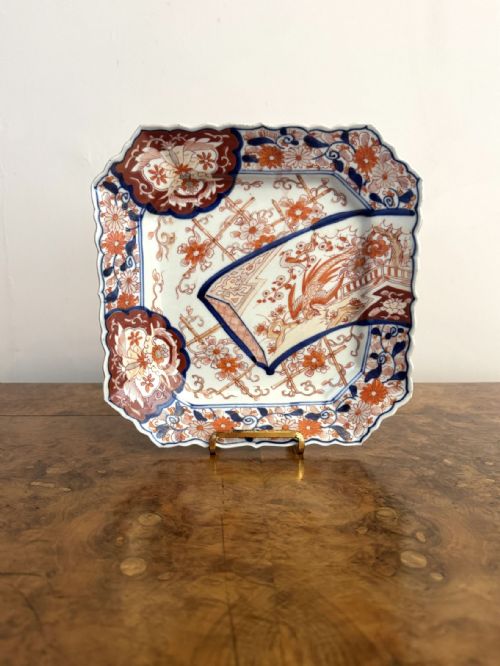
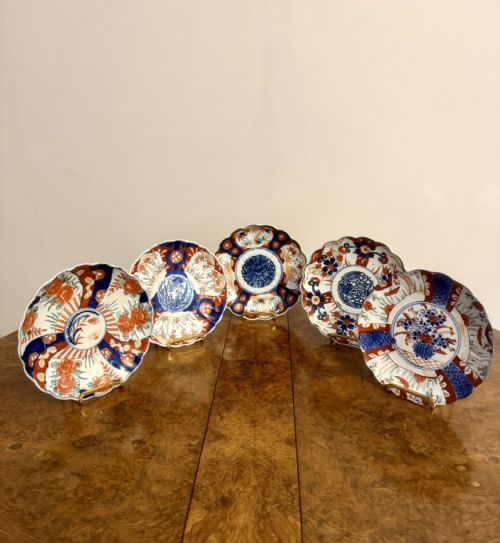
A decorative imari porcelain charger brings heavy, pattern-rich ceramics into domestic spaces, functioning primarily as a wall-hung display piece or a centrepiece bowl. Buyers seeking these large plates encounter robust round forms alongside scalloped edges and occasional square shapes.
The selections span distinct periods, running from eighteenth-century Chinese export and Qing dynasty examples through nineteenth-century Meiji period Japanese work up to twentieth-century Showa pieces. Japanese Arita imari forms dominate the listings, frequently featuring floral, bird, or figural compositions.
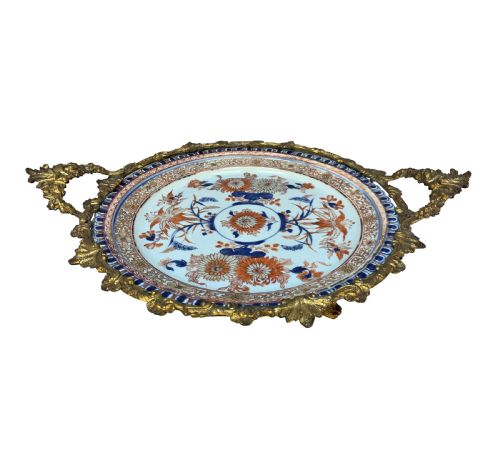
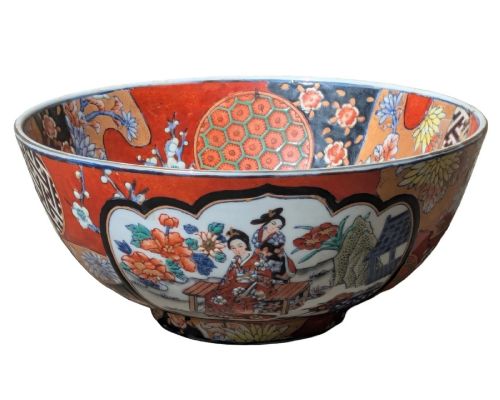
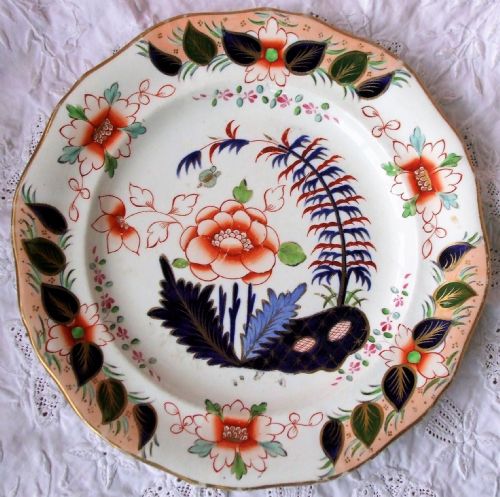
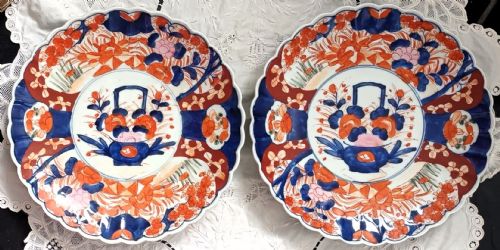
Beyond standard chargers, the groupings include large bowls, shallow dishes, and paired sets created for visual impact. European adaptation also appears through items like ormolu-mounted plates and English ironstone imari-pattern tableware.
What varies in quality
Precision in the hand-painted brushwork defines the upper tier of these ceramics, separating crisp botanical and figural depictions from simpler, hurried application. The crispness of the cobalt underglaze and the preservation of gold leaf or enamel layers also mark superior examples.
Form complexity influences distinction, with deep scalloped edges, square profiles, or paired matching chargers commanding greater visual weight. The integration of period mounts, such as ormolu fittings, alters the overall character and craftsmanship level.
Listings span from the 18th century through the Meiji period, featuring porcelain, enamel, and cobalt underglaze.
John Davenport of Longport
The Decorative Imari Porcelain Charger Glossary
- Imari
- A style of porcelain originating from the Japanese port of Imari, traditionally distinguished by a palette of cobalt blue, iron-red, and gold. This aesthetic was later adopted by Chinese export kilns and European potteries.
- Charger
- A large decorative plate utilised historically for ceremonial service or displayed upright on walls and buffets. These pieces measure significantly larger than standard dining plates.
- Meiji Period
- The era of Japanese history spanning from 1868 to 1912, known for intense artistic production and export of intricate porcelain to Western markets.
- Cobalt Underglaze
- A blue pigment applied to raw ceramic bodies before glazing and firing, capable of withstanding high kiln temperatures without fading. It forms the deep blue foundation of traditional imari designs.
- Arita
- The Japanese town and surrounding region in Saga Prefecture where foundational imari porcelain production took place. Kilns here supplied the bulk of exported wares.
Decorative Imari Porcelain Charger: Frequently Asked Questions
How were decorative imari chargers used?
These large plates served primarily for display on walls, sideboards, or tables rather than everyday dining. Their substantial scale and rich palette made them central decorative elements in period interiors.
Pairs and sets allowed symmetrical arrangement in formal rooms, while bowls and deeper dishes accommodated both display and utility.
How do you hang a heavy porcelain charger?
Displaying these pieces safely requires coated wire spring hangers that distribute weight evenly across the rim. Wall placement should avoid high-traffic areas and direct structural vibrations.
Professional framing or specialised bracket mounts provide secure support for larger nineteenth-century examples and ormolu-mounted pieces.
What does the Meiji period signify on a charger?
The Meiji period indicates production between 1868 and 1912, marking an era when Japanese kilns increased export output to meet Western demand. Items from this time show high technical proficiency in hand-painted flora and fauna.
Pieces bearing these dates reflect both traditional Japanese aesthetics and the rapid industrialisation of local pottery workshops.