



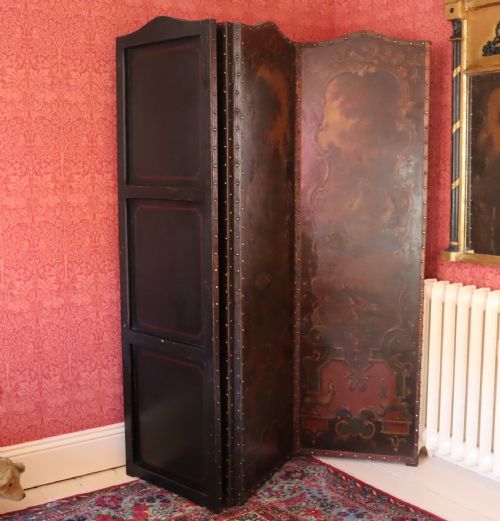



Decorative Folding Room Divider
A decorative folding room divider breaks a vast room into intimate corners with panels of painted leather, lacquered wood, or heavy textile.
Decorative Folding Room Divider
A decorative folding room divider structures interior space through hinged leaves that fold back on themselves for flexible placement.
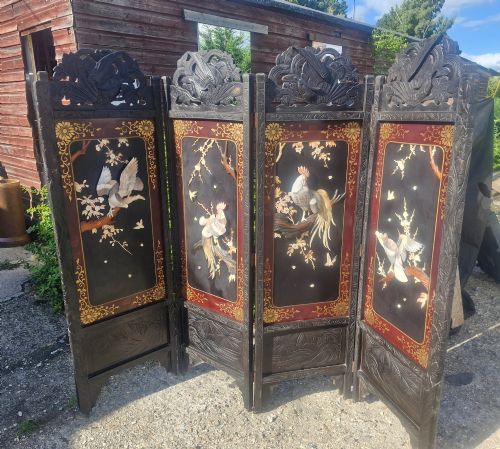
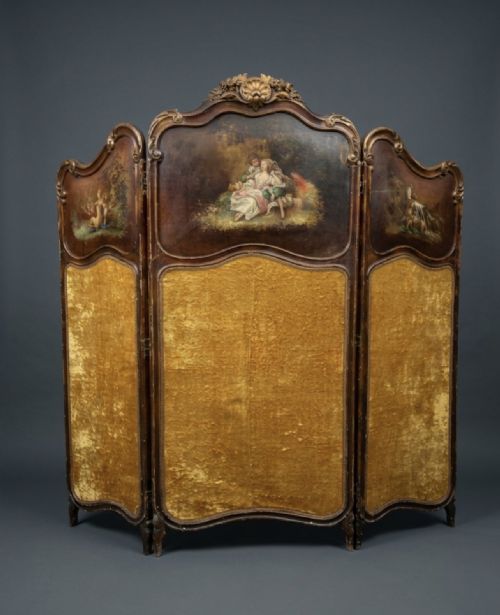
The selections span from large multi-panel Japanese and Chinese lacquer screens to smaller French walnut and modesty screens designed for privacy or warmth.
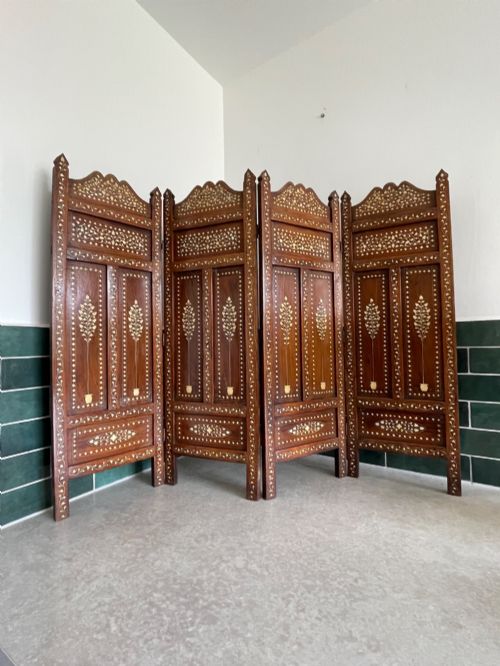
Makers utilised wood, brass, canvas, and leather, finishing them with oil paint, gilding, hardstone mounts, or deep bone carvings.
How they were made
Carpenters constructed robust frames in hardwood, walnut, or oak to support multiple folding leaves joined by sturdy hinges.
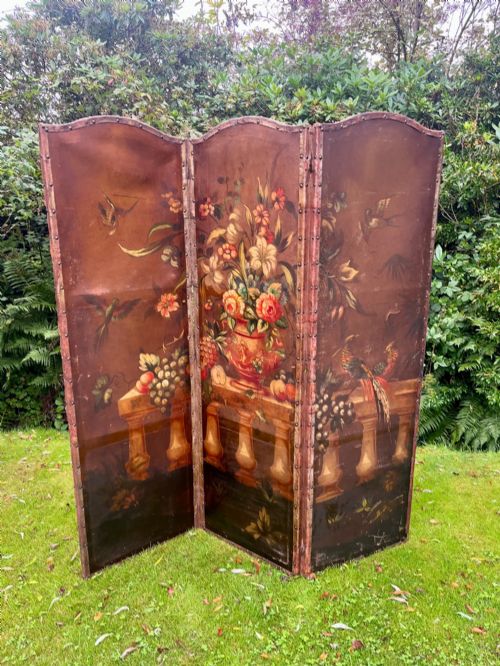
Surfaces received elaborate treatments including hand-painted leather, gilt embossing, lacquering, and textile upholstery such as silk cotton and velvet.
Listings feature periods spanning from the eighteenth century through the 1950s, employing materials like giltwood, brass, and canvas.
What varies in quality
The refinement of the panel decoration, whether carved bone, hardstone inlay, or meticulous hand painting, determines the distinction of a piece.
Structural integrity in the joinery and the original quality of the hinges govern how smoothly the leaves fold and stand over time.
Paul Sormani·William Morris
The Decorative Folding Room Divider Glossary
- Modesty screen
- A low folding screen originally intended to shield a person from draughts or direct heat near a hearth. These smaller examples sit easily on tables or beside seating.
- Chinoiserie
- European decorative art influenced by Chinese styles and motifs, typically featuring whimsical landscapes and figures. It appears frequently on lacquer and painted screens from the nineteenth and early twentieth centuries.
- Cordoban leather
- Heavy leather decorated with rich paint, gilding, and embossed relief patterns. This durable material was traditionally produced in Spain and utilised for luxurious wall hangings and screen panels.
- Fire screen
- A protective panel placed in front of a fireplace when the hearth is unlit. Many take a folding form to block radiant heat or simply conceal an empty grate during warmer months.
Decorative Folding Room Divider: Frequently Asked Questions
How do you use a room divider in a modern space?
A folding screen zones an open-plan room by creating a visual barrier for a home office, a dressing area, or a quiet reading nook.
Position the panels at an angle to ensure the structure remains stable while adding texture and colour against plain walls.
What is the difference between a fire screen and a room divider?
Fire screens are traditionally smaller portable panels designed specifically to stand before a hearth to deflect heat or block an unlit grate.
Room dividers feature multiple tall folding leaves intended to partition floor space and obstruct lines of sight across a large interior.
How are antique leather screens maintained?
Painted and gilt leather panels require stable indoor humidity away from direct sunlight to prevent the material from drying out or cracking.
Dust the surface gently with a dry, soft cloth and avoid chemical cleaning agents that might damage the historical pigments and gold leaf.
How do you identify Japanese Meiji period screens?
Meiji period screens often incorporate detailed craftsmanship such as deep carved bone figures, hardstone mounts, and intricate lacquered woodwork.
These pieces reflect the artistic exchange between Japan and the West during the late nineteenth and early twentieth centuries.