





Decorative Ceramic Wall Dish
A decorative ceramic wall dish brings colour and pattern directly to interior spaces, offering a rich surface for display.
Decorative Ceramic Wall Dish
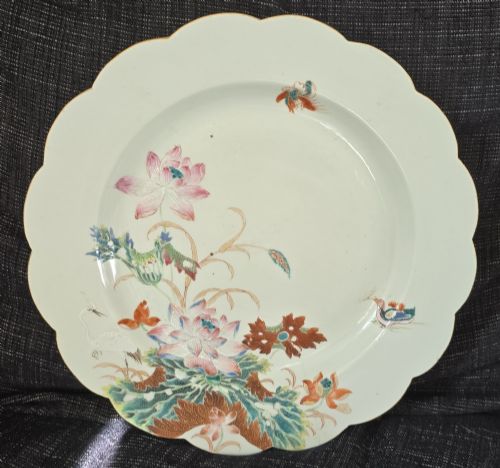
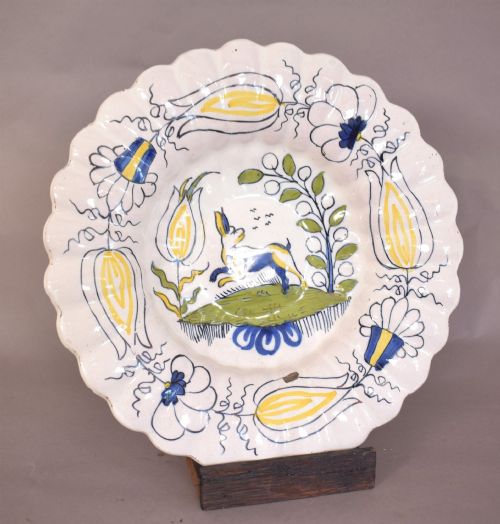
When searching for a decorative ceramic wall dish, buyers encounter a diverse selection of plates, chargers, and cabinet plates originating from various periods and traditions. The inventory spans from eighteenth-century European tin-glazed earthenware to nineteenth-century Japanese porcelain.
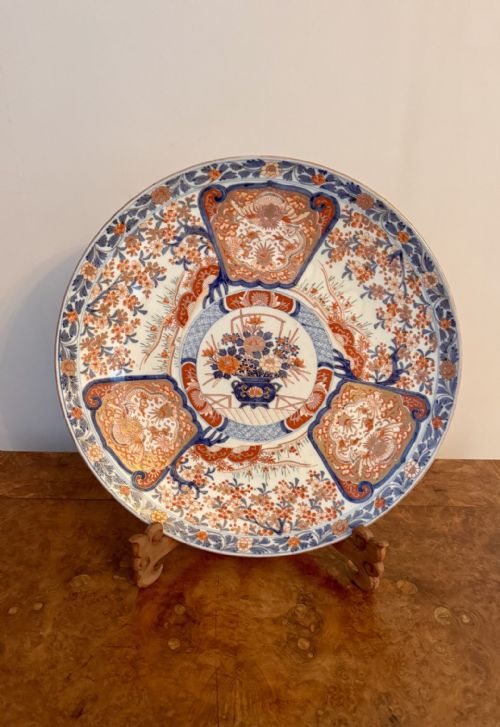
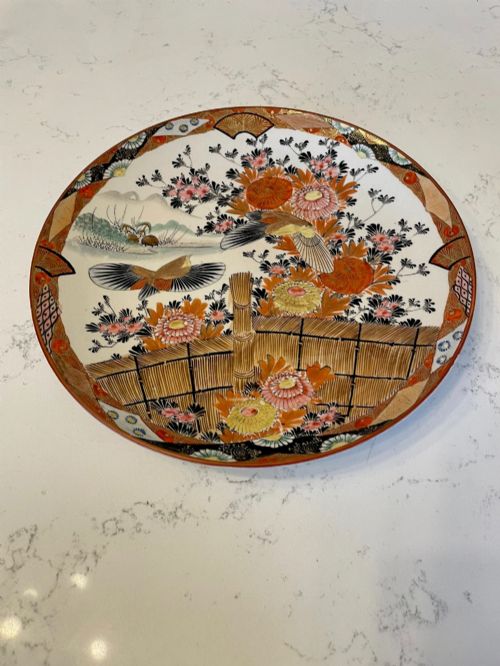
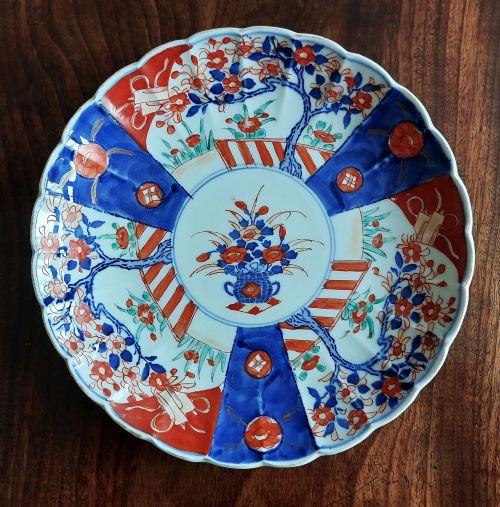
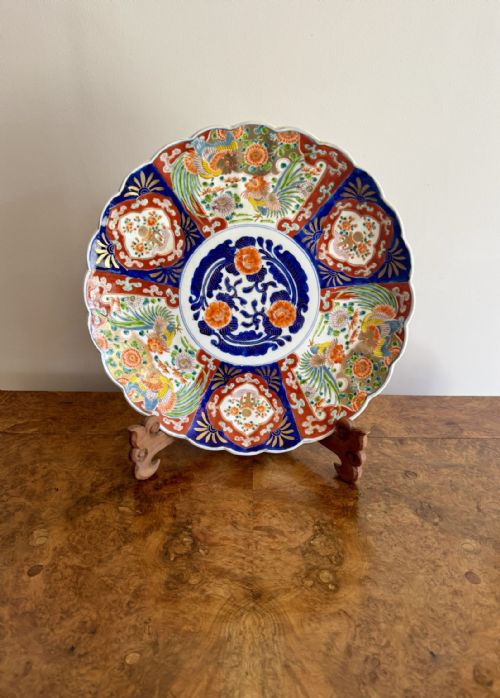
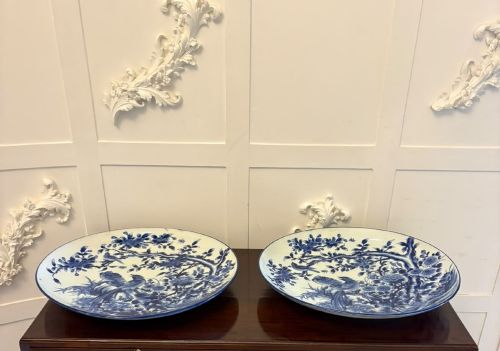
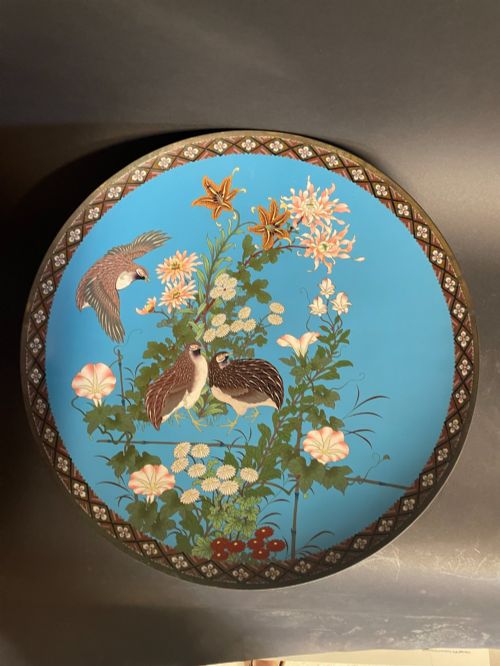
Large chargers and cabinet plates dominate the selection, often featuring intricate hand-painted designs. Pieces range from blue and white Delft wares to vibrant Japanese Imari and Satsuma productions.
Origins include English, French, Italian, Spanish, Dutch, and Japanese workshops, reflecting global trade and aesthetic exchanges across centuries. Examples stretch from the Georgian era through the Victorian period and into the early twentieth century.
How they were made
Potters utilised earthenware, stoneware, and porcelain as foundational bodies, shaping them into plates, plaques, and deep chargers. These pieces frequently received tin-glaze, enamel, or standard ceramic glaze layers before undergoing kiln firing.
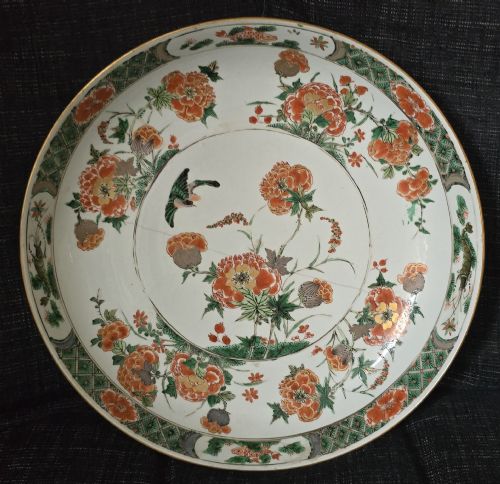
Decoration relied on skilled brushwork, often incorporating blue and white pigments, polychrome enamels, and occasional applications of gold leaf or gilt details. Specialised techniques such as moriage relief work and cloisonné enamel added distinct tactile dimensions to the ceramic surfaces.
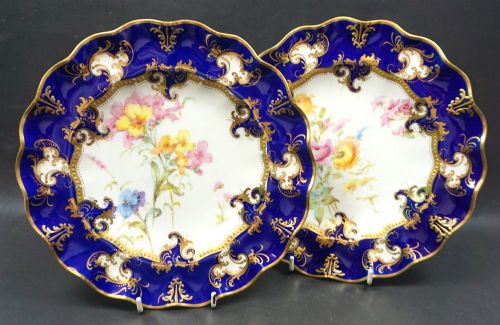
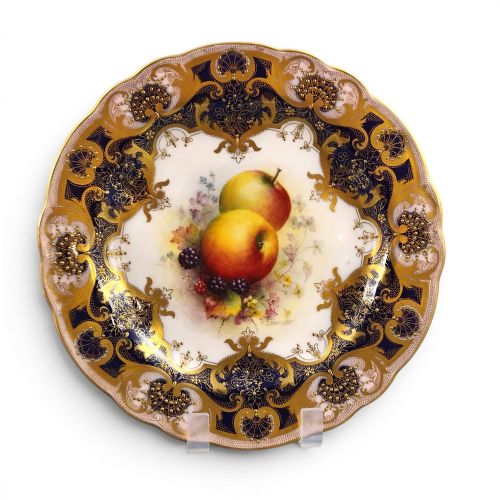
Listings span multiple centuries of ceramic production, featuring eighteenth-century Delft alongside twentieth-century porcelain cabinet plates and Japanese Imari chargers.
What varies in quality
The standard of a decorative ceramic wall dish rests primarily on the crispness and complexity of its painted or enamelled decoration. Pieces featuring finely detailed figural scenes, deliberate brushwork, and well-balanced polychrome or blue and white palettes stand apart from simpler production wares.
The purity of the ceramic body and the smoothness of the glaze application further distinguish finer examples. Superior specimens display careful control during the firing process, resulting in stable forms and vibrant, lasting colours.
John Ford·Richard Sebright·John Davenport·William Yale·Pucher Deroche
The Decorative Ceramic Wall Dish Glossary
- Charger
- A large decorative plate traditionally intended for display rather than dining use. These substantial dishes command significant wall or cabinet space.
- Tin-Glazed Earthenware
- Pottery coated with a white, opaque glaze containing tin oxide, providing a smooth canvas for painted decoration. This technique underpins traditional Delft and maiolica wares.
- Imari
- A style of Japanese porcelain featuring a distinctive palette of underglaze blue, iron red, and gilt highlights. Originating in Arita, these pieces found immense popularity in European interiors.
- Cabinet Plate
- A decorative plate produced specifically for display in a cabinet or on a wall rather than practical table service. They often showcase highly detailed painted scenes by named artists.
- Moriage
- A Japanese ceramic technique involving the application of raised clay slip to form textured decorative motifs. This method creates tangible relief patterns beneath the glaze or enamel.
Decorative Ceramic Wall Dish: Frequently Asked Questions
How were ceramic wall dishes displayed historically?
Historically, large chargers and decorative plates were mounted on walls using specialised wire hangers or displayed upright on dresser shelves and sideboards to showcase wealth and taste.
In domestic interiors, groupings of blue and white or polychrome dishes created striking visual focal points in dining rooms and parlours.
Can antique ceramic dishes be hung on walls safely?
Most antique plates and chargers can be mounted securely using modern, non-damaging spring-loaded brass wire hangers that distribute weight evenly across the rim.
It remains essential to check that the wire tension is correct and that any wall fixings are anchored firmly into solid masonry or studwork.
What is the difference between earthenware and porcelain?
Earthenware is a porous, opaque pottery body fired at lower temperatures, commonly found in tin-glazed delftware and faience dishes.
Porcelain is a dense, vitrified ceramic made from refined clay that fires at much higher temperatures, producing a hard, ringing white body that is non-porous.