



Polychrome Ceramic Plaque
A polychrome ceramic plaque brings brilliant pigments and wall-hung colour from centuries of European and Asian kiln work into domestic spaces.
Polychrome Ceramic Plaque
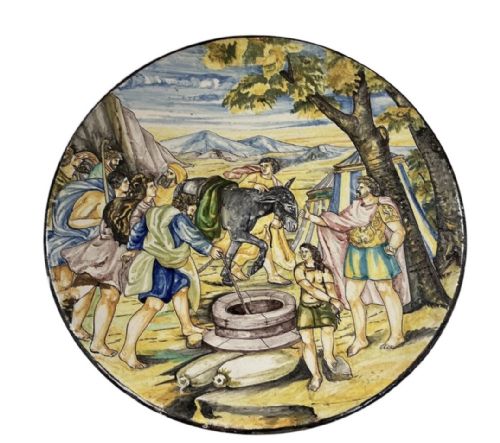
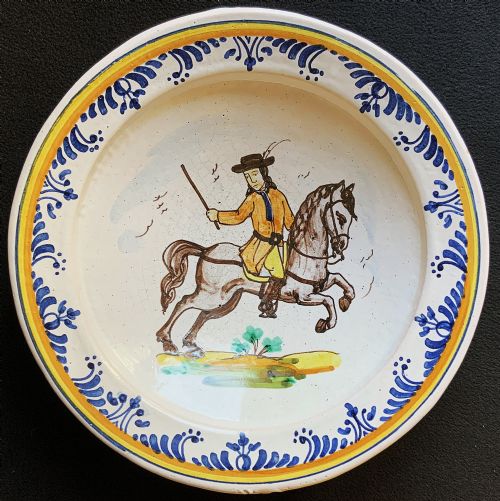
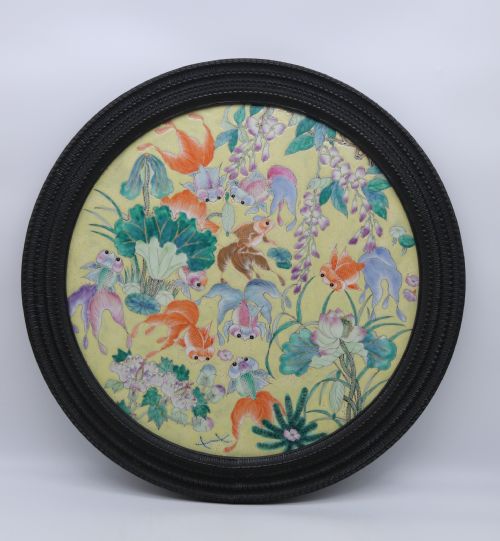
When you search for a polychrome ceramic plaque, you encounter painted wall art, chargers, and framed panels spanning the eighteenth and nineteenth centuries alongside later periods. These works include Italian maiolica, Spanish delft faience, French enamel, and Chinese porcelain panels.
You meet large decorative chargers and framed tiles featuring historical scenes, figures, and birds. The selection draws from Renaissance Revival, French Baroque, and Meiji period traditions.
Most examples function as wall decoration, utilising earthenware, tin-glazed pottery, and porcelain to present detailed narratives and aquatic scenes.
How they were made
Maker workshops apply pigments over glazes on ceramic bases, utilising tin-glazed earthenware and porcelain supports. Painters build up multi-coloured designs before firing the pieces in kilns to fix the vibrant pigments.
Enamel plaques employ metal or ceramic foundations fused with glass pastes, while tile works such as those from Longwy combine raised clay outlines with coloured glazes.
Cats and cheetahs occasionally share kiln space with emperors and fiddlers.
What varies in quality
The refinement of the painted brushwork dictates the distinction between standard decorative output and masterwork panels. Control over the multi-coloured palette during kiln firing creates depth in figures and landscapes.
The complexity of the glaze surface and the precision of the modelling shape the visual impact of each wall plaque or charger.
The Polychrome Ceramic Plaque Glossary
- Maiolica
- Tin-glazed Italian earthenware decorated with colourful metal oxides. It often depicts historical or mythological subjects.
- Faience
- Tin-glazed pottery produced in France, Spain, and the Netherlands. The technique creates an opaque white background for painted decoration.
- Charger
- A large decorative plate intended for display on walls or sideboards rather than dining use. These pieces showcase elaborate painted scenes.
- Enamel
- Vitreous material fused to a surface through high-temperature firing. It provides a glossy, durable finish with intense colour.
- Pratt Ware
- English earthenware featuring low relief figures painted in characteristic coloured glazes. Production flourished during the nineteenth century.
Polychrome Ceramic Plaque: Frequently Asked Questions
How do I hang a heavy ceramic charger?
Display large wall chargers using specialised spring-loaded brass wire hangers that grip the rim securely without causing damage to the body. Ensure the wall fixing engages directly into brickwork or a stud rather than relying on standard plaster.
Position the piece at eye level where adequate lighting reveals the painted detail and glaze quality without exposing the hanging hardware.
What is the difference between faience and maiolica?
Tin-glazed earthenware takes different regional names depending on where the kiln operated. Italian workshops call their output maiolica, while French, Spanish, and Dutch potteries use the term faience.
Both traditions rely on an opaque white tin glaze painted with metal oxide pigments before a final firing seals the colours.
Can these plaques be cleaned safely?
Remove surface dust from glazed and enameled surfaces using a soft, dry artist's brush or a feather duster. Avoid using water or liquid cleaning solutions, as moisture can penetrate old hairline cracks or unglazed reverse areas.
Keep pieces away from direct sunlight and damp walls to protect the integrity of the ceramic body and the pigments.
How do I distinguish eighteenth-century pieces?
Examine the unglazed foot rim and the back of the ceramic body for signs of age, including kiln grit, crazing, and hand-mixed clay composition. Eighteenth-century examples often exhibit subtle irregularities in shape from wood-fired kilns.
Compare the pigment tones and painting style with documented examples from production centres like Delft, Limoges, or Spanish kilns.