

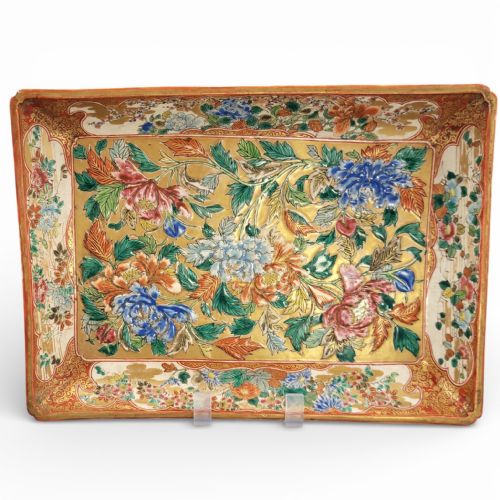


Decorative Ceramic Serving Tray
These decorative ceramic serving tray pieces bring hand-painted artistry and utility to the table, spanning Georgian potters to early twentieth-century porcelain makers.
Decorative Ceramic Serving Tray
Buyers frequently encounter oval fish dishes, twin-handled serving vessels, and shaped cabinet plates originating from notable English, continental, and Japanese kilns. The selection includes transfer-printed earthenware alongside finely painted porcelain and bone china designed for both display and table service.
Distinctions in quality
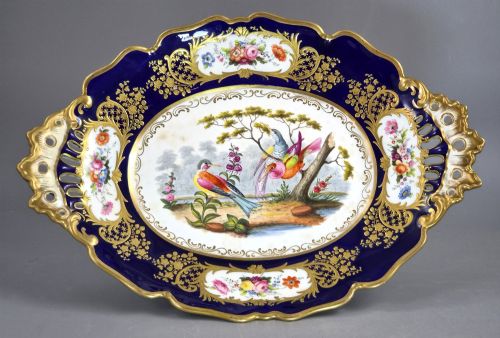
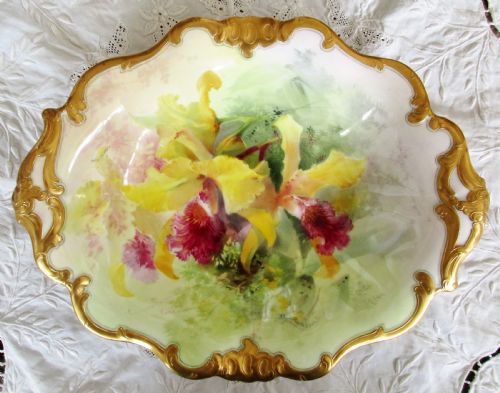
Quality rests upon the crispness of the transfer print or the skill of the hand-painted brushwork, particularly in pieces featuring botanical subjects, birds, or mythological figures. Premier examples display precise application of gold leaf and gilding alongside sophisticated modelling of shaped or pierced borders.
The reputation of the pottery, manufactory, or named artist elevates certain pieces above standard domestic wares of the period. Superior throwing and glazing techniques ensure greater durability and finer translucency in porcelain and bone china items.
Royal Crown Derby·Coalport·Royal Doulton·Chamberlain’s Worcester·Royal Worcester·Don Pottery·Wedgwood·Meissen·Louis Pierre Malpass·Masons Ironstone
The Decorative Ceramic Serving Tray Glossary
- Bone china
- A type of soft-paste porcelain incorporating animal bone ash, producing a durable, translucent body well suited to delicate serving dishes.
- Transferware
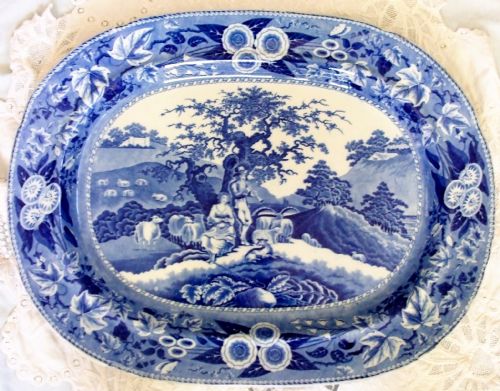
- Earthenware or porcelain decorated by transferring a printed design from an engraved copper plate onto the ceramic surface using paper.
- Imari style
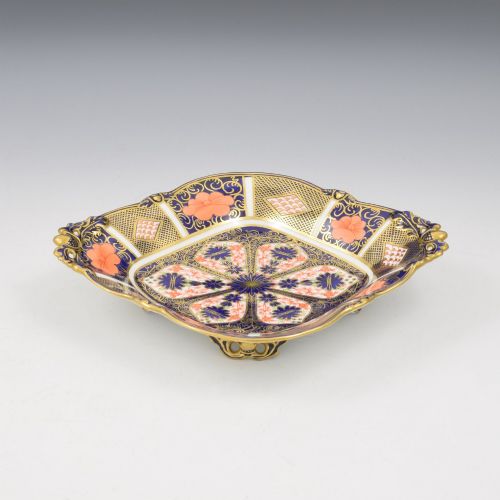
- A decorative scheme inspired by Japanese export porcelain, characteristically featuring underglaze cobalt blue, iron red, and gilt highlights.
- Cabinet dish
- A decorative ceramic plate or tray intended primarily for display in a cabinet rather than for functional dining service.
- Ironstone
- A patented heavy earthenware developed in the nineteenth century, prized for its strength and resilience as a tableware body.
Decorative Ceramic Serving Tray: Frequently Asked Questions
How do I clean an antique ceramic tray?
Wash antique ceramics gently by hand using lukewarm water and mild soap, avoiding harsh scrubbing or dishwashers that can damage delicate gilding and enamel decoration.
Dry each piece thoroughly with a soft cloth to protect vulnerable painted surfaces and prevent moisture damage to older earthenware bodies.
Can I use these trays for serving food?
Many of these pieces were originally designed as meat platters or serving dishes and remain functional for dry foods, provided the glaze is intact and free from major crazing.
Cabinet dishes and heavily gilded porcelain trays are better suited for display, as acidic foods can stain or erode historic enamel work over time.
How do I identify the period of a tray?
Examine the base for maker's marks, impressed registry numbers, or decorator signatures, which help pinpoint the exact pottery and decade of production.
Stylistic cues such as Georgian transfer patterns, Victorian rococo moulding, or Edwardian hand-painted florals also provide reliable chronological markers.
What is the difference between earthenware and porcelain?
Earthenware is an opaque, porous ceramic body that requires a glaze to become waterproof, commonly found in nineteenth-century transfer-printed platters and ironstone.
Porcelain and bone china are dense, vitreous, and often translucent materials fired at higher temperatures, typically reserved for finer cabinet dishes and luxury tableware.