


Decorative Ceramic Ornaments
These decorative ceramic ornaments range from Victorian porcelain figures to Art Deco bookends, bringing history and craftsmanship into your home.
Decorative Ceramic Ornaments
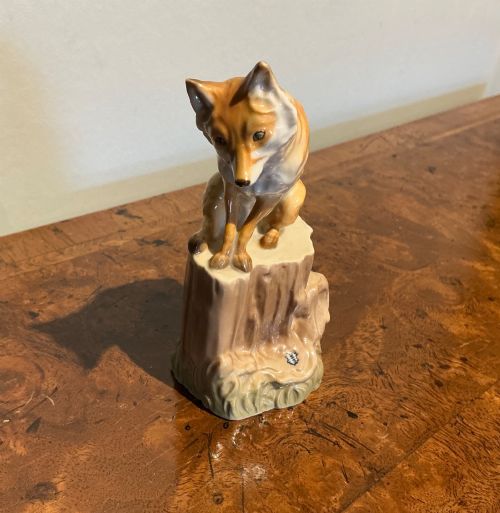
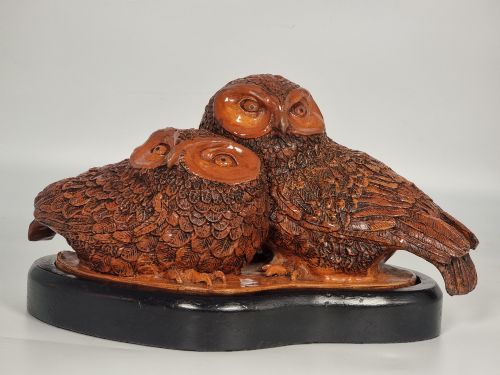
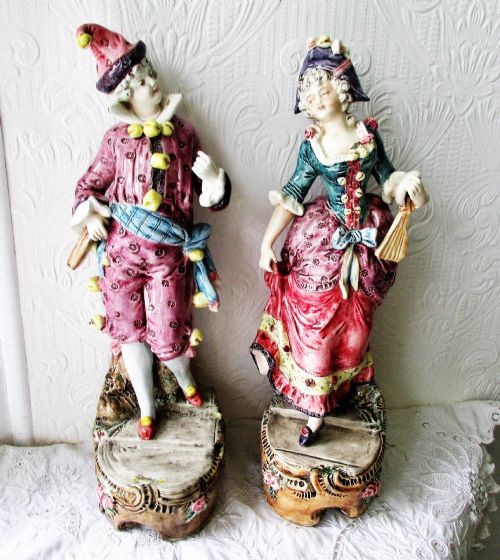
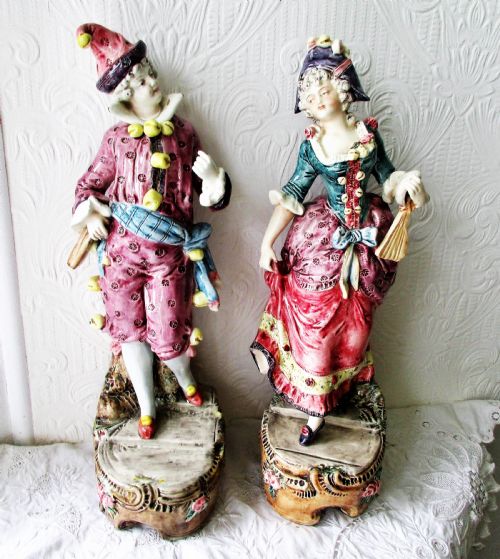
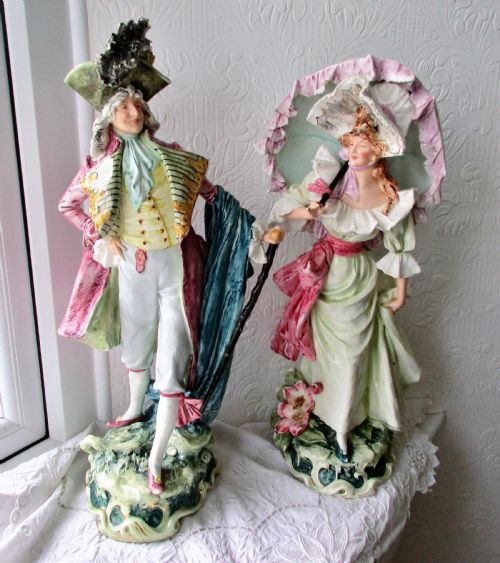
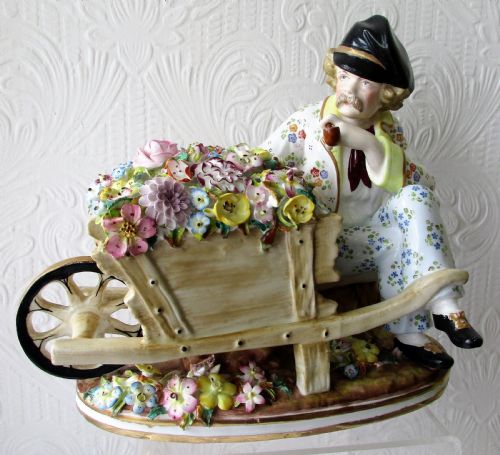
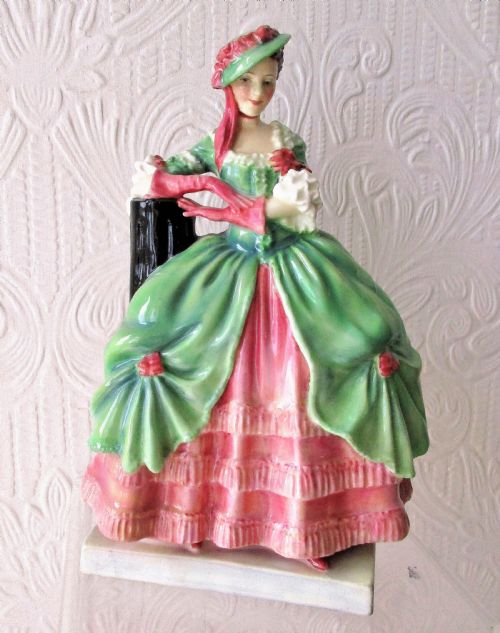
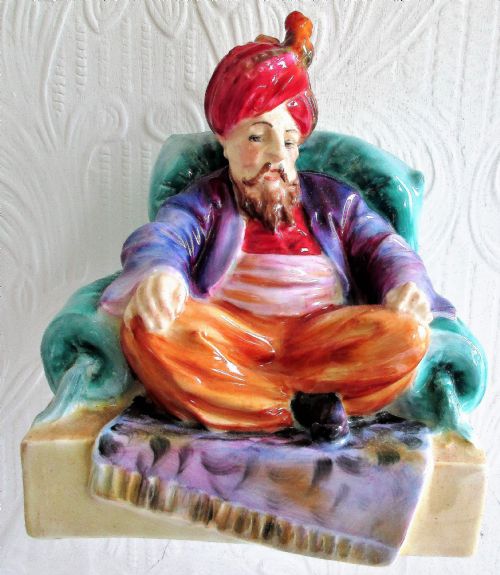
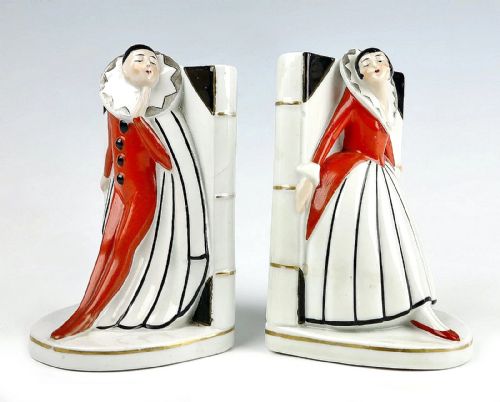
Decorative ceramic ornaments encompass a diverse range of figures, vases, bookends, and sculptural objects shaped from clay or porcelain. When exploring this selection, buyers encounter everything from 19th-century Victorian spaniels and Staffordshire flatbacks to 1930s Art Deco figurines and French earthenware.
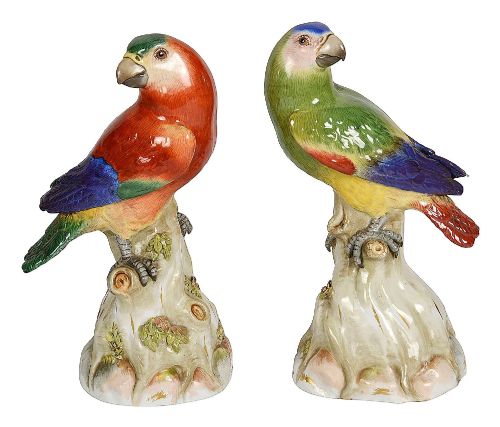
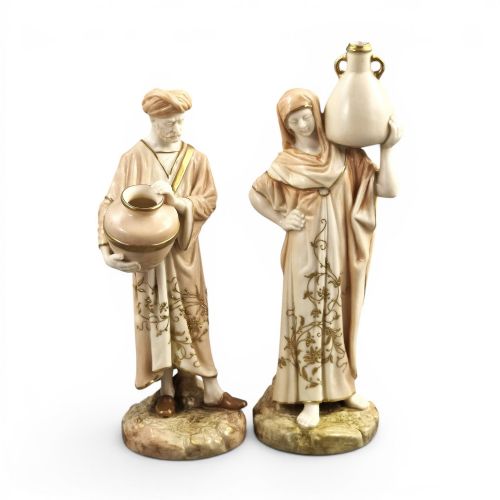
The objects take many forms, including parrots, water carriers, street vendors, and mythical animals like Chinese dogs of foe. These pieces reflect the aesthetic priorities of their respective periods, spanning Rococo Revival, Art Nouveau, and the Meiji period.
Most items on this page originate from European and Asian kilns, showcasing the distinct sculptural traditions of Staffordshire, Meissen, Royal Worcester, and Satsuma. Each piece serves primarily a visual or ornamental function within domestic interiors.
Materials and production
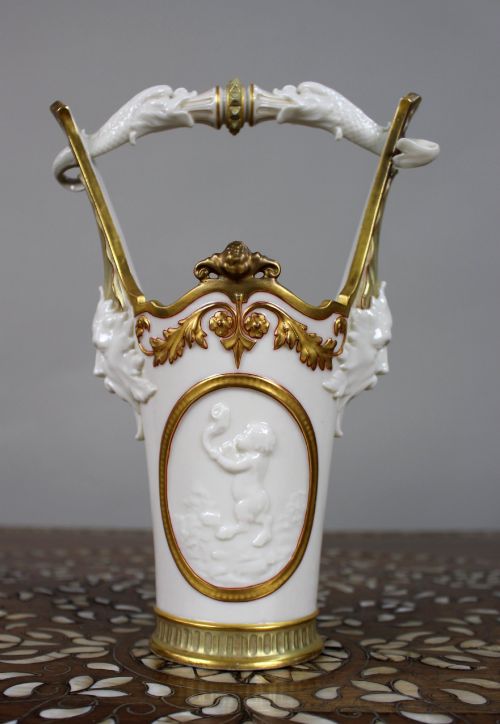
Makers shaped these ornaments using porcelain, earthenware, and biscuit porcelain, often finishing surfaces with rich glazes, enamel, or gilt highlights. Some pieces incorporate gold leaf or rest upon specialised ebonised bases to accentuate their sculptural forms.
Firing techniques varied by workshop and period, yielding glossy sancai glazes, matte biscuit surfaces, and delicate hand-painted details. Artists utilised moulding, casting, and hand-sculpting methods before applying polychrome enamels and metallic accents.
Listings span the nineteenth century through the 1940s, featuring porcelain, earthenware, and biscuit porcelain forms.
Assessing the work
Quality rests on the precision of the modelling, the crispness of the mould transfer or hand-sculpted details, and the delicacy of the enamel painting. Superior examples exhibit lifelike expressions, careful anatomical proportions, and securely applied gilt or glaze finishes.
The reputation of the manufactory and the individual artist or modeller heavily influence distinction within the range. Pieces bearing clear factory marks, recognisable modeller attributions, or exhibition provenance demonstrate higher execution standards.
Nymphenburg·Meissen·Royal Worcester·Royal Doulton·Krister KPM Waldenburg·Volkstedt·Doulton Lambeth·Samson Paris·Chantilly·Royal Dux
The Decorative Ceramic Ornaments Glossary
- Biscuit porcelain
- Unglazed porcelain fired once to a porous, matte state. It leaves a tactile surface that highlights fine sculptural details.
- Sancai glaze
- A low-firing lead glaze system producing mottled amber, green, and cream colours. It originates from traditional Chinese pottery methods.
- Majolica
- Earthenware covered with an opaque tin-lead glaze and painted with vibrant metal oxides. This technique produces richly coloured Victorian ornaments.
- Faience
- European tin-glazed earthenware produced across various continental centres. The method allows for intricate painted decoration over an opaque white surface.
- Okimono
- A small Japanese decorative carving intended for display on a shelf or in a tokonoma. These pieces showcase precise craftsmanship in ceramics and other materials.
Decorative Ceramic Ornaments: Frequently Asked Questions
What are decorative ceramic ornaments?
These pieces are fired clay or porcelain objects designed specifically for display, encompassing figures, vases, and bookends.
They represent various global traditions and decorative movements from the nineteenth and twentieth centuries.
How were these figures used historically?
Owners placed them on mantelpieces, side tables, and shelves to display taste and wealth in domestic interiors.
Some objects, such as jardinières or posy holders, also served a functional role for holding flowers or botanical arrangements.
How do I identify Victorian pieces?
Look for specific stylistic markers such as Rococo Revival curves, Victorian Orientalism motifs, or standard manufactory stamps.
Materials like earthenware, majolica, and gilt porcelain frequently point toward nineteenth-century production methods and aesthetics.
How do I care for antique ceramics?
Keep delicate porcelain and earthenware out of direct sunlight to prevent the hand-painted enamel colours from fading over time.
Dust surfaces gently with a soft, dry brush and avoid using liquid cleaners on unglazed biscuit porcelain or gilt areas.