







Decorative Ceramic Dishes
These decorative ceramic dishes bring centuries of hand-painted porcelain, earthenware and fine glaze into your home for colour and display.
Decorative Ceramic Dishes
When you search for decorative ceramic dishes, you encounter an array of platters, bowls, charger plates and cabinet pieces spanning several centuries. The selection ranges from robust earthenware platters to delicate porcelain plates designed for display.
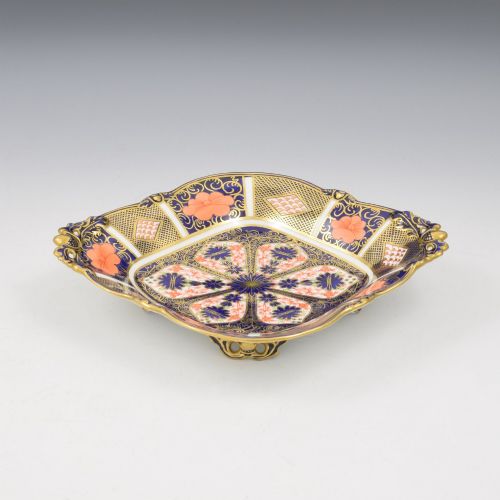
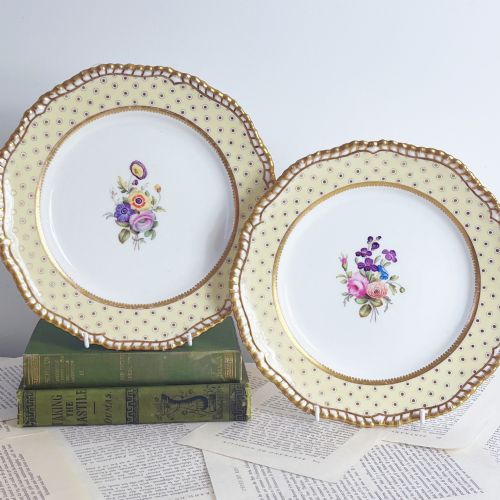
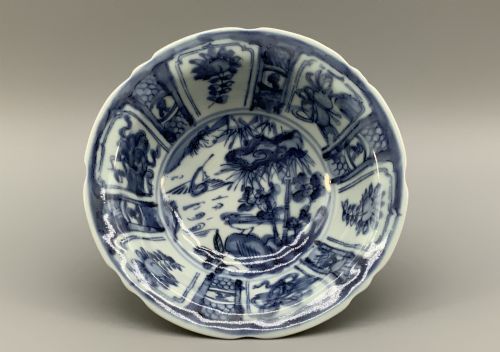
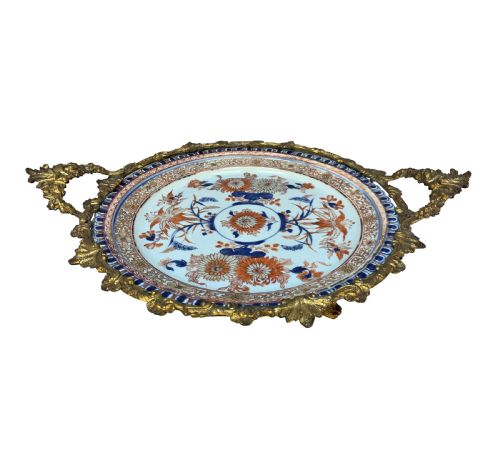
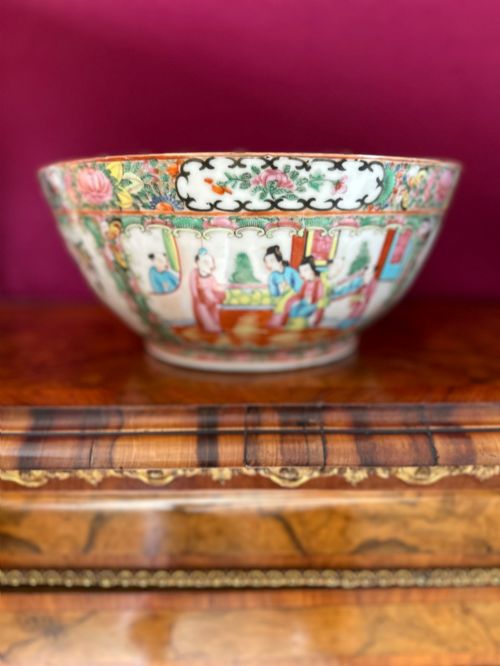
The most common examples on this page include Japanese Imari porcelain chargers and blue and white Chinese bowls from the nineteenth century. English factory plates from makers such as Spode and Royal Crown Derby also appear frequently among the listings.
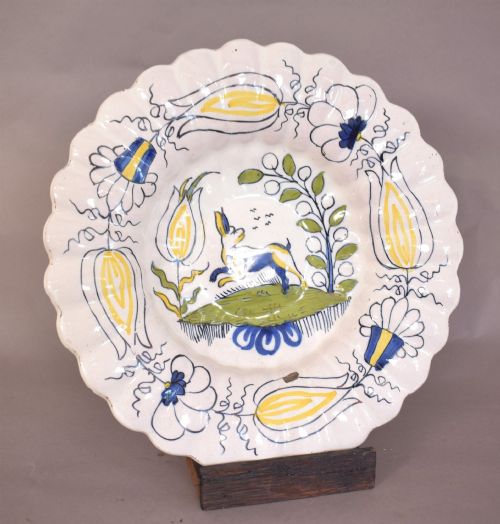
Earlier centuries contribute tin-glazed Delft chargers and French soft-paste porcelain plates to the mix. These items served functional roles in dining or ornamental purposes in cabinets across Europe and Asia.
How they were made
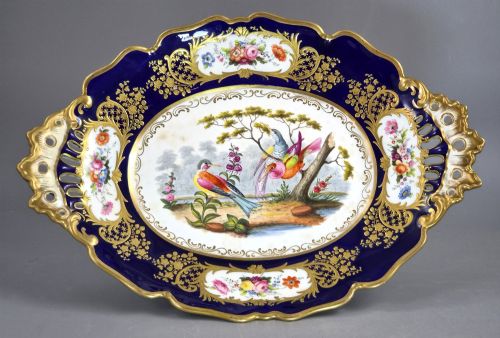
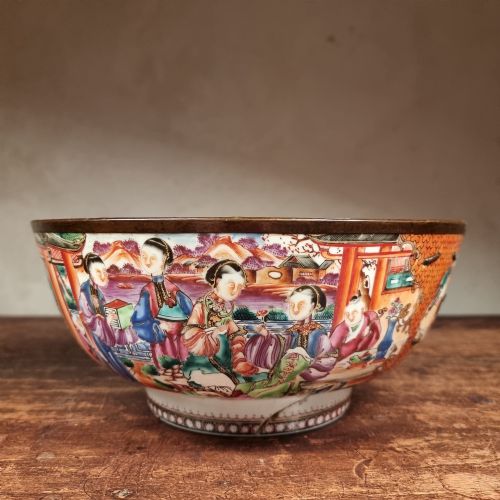
Potters shaped these objects from earthenware, ironstone and porcelain, often applying intricate blue and white underglaze decoration or polychrome enamels. Skilled hands painted motifs featuring birds, landscapes and floral patterns directly onto the ceramic body before firing.
Many pieces incorporate gold leaf, gilding or ormolu mounts to elevate their visual appeal for wealthy households. Specialised techniques such as transfer printing also allowed makers like Minton and Royal Doulton to produce complex repeating patterns with precision.
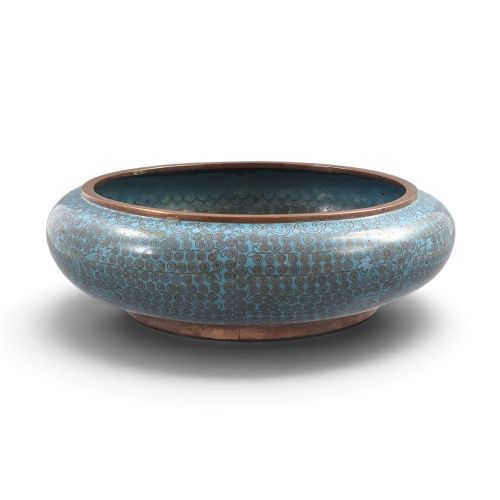
Listings feature items spanning from the seventeenth century through the Victorian era into the 1940s, utilising porcelain, earthenware and cloisonné enamel.
What varies in quality
The finesse of the brushwork and the vibrancy of the glaze determine the distinction between ordinary pottery and superior cabinet plates. Master artists executed hand-painted fruit, birds and dragon motifs with a level of detail that separates fine studio pieces from standard factory output.
The integration of precious materials like gold leaf and the weight and translucency of the porcelain body also signal higher manufacture. Preservation of the original glaze without extensive fading or wear reflects the care taken by generations of previous owners.
Spode·Royal Crown Derby·Royal Worcester·Royal Doulton·John Davenport
The Decorative Ceramic Dishes Glossary
- Charger
- A large ornamental plate typically used for display on a wall or sideboard rather than for serving food at the table.
- Imari
- A style of Japanese porcelain featuring a distinctive palette of underglaze blue, iron red and gold, widely exported to Europe.
- Delft
- Tin-glazed earthenware originating from the Netherlands, known for its opaque white background and blue painted designs.
- Ironstone
- A heavy, durable type of British pottery patented in the nineteenth century as a robust alternative to fine porcelain.
- Cabinet Plate
- A decorative plate intended for exhibition in a display cabinet rather than everyday dining use.
Decorative Ceramic Dishes: Frequently Asked Questions
How do I hang a heavy charger plate safely?
Heavy ceramic and porcelain chargers require sturdy spring-loaded brass wall hangers that distribute the weight evenly across the rim. Ensure the fixings grip the plate firmly without putting undue pressure on older glaze.
Position the display away from busy walkways to prevent accidental knocks against the wall.
Can I use these antique dishes for serving food?
Most antique decorative dishes feature delicate glazes, enamel work or gold leaf that can sustain damage from cutlery and washing. Older pieces, particularly those from the eighteenth and nineteenth centuries, suit display and ornamental use much better than daily dining.
Hand washing in lukewarm water with mild soap is necessary if you occasionally serve dry food on them.
What is the difference between porcelain and earthenware?
Porcelain is fired at extremely high temperatures, resulting in a dense, non-porous white body that often shows translucency when held to the light. Earthenware uses a lower firing temperature and a porous clay body that requires an opaque glaze, such as tin glaze, to hold liquids.
Dishes made from porcelain generally feel harder and ring when tapped lightly, whereas earthenware feels softer and heavier.
How do I identify Japanese Imari porcelain?
Japanese Imari pieces display a characteristic colour scheme combining deep cobalt blue underglaze with iron red and touches of gilt over the glaze. The decorative motifs frequently incorporate floral arrangements, brocade patterns and panels of natural scenery.
These wares were produced heavily during the Meiji period and earlier for export to Western markets.