





Decorative Ceramic Baluster
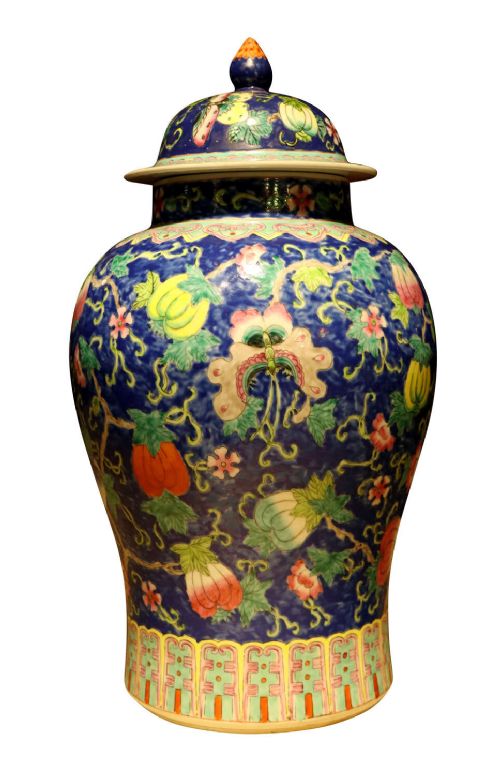
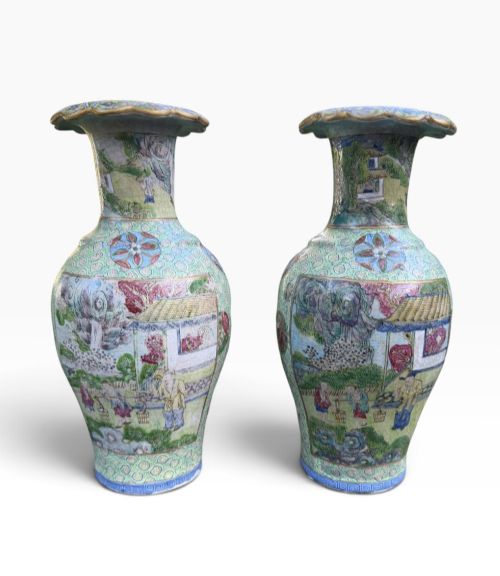
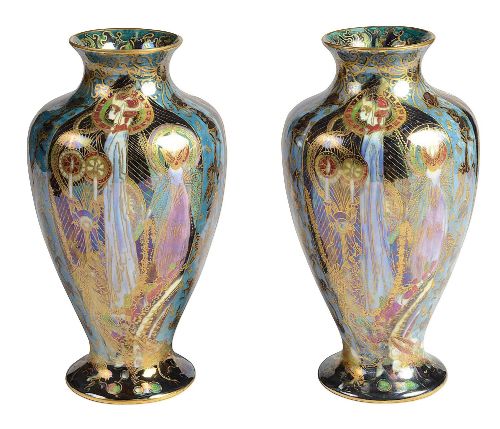
These decorative ceramic baluster pieces combine robust profiles with intricate painting, offering striking visual anchors for period interiors.
Decorative Ceramic Baluster
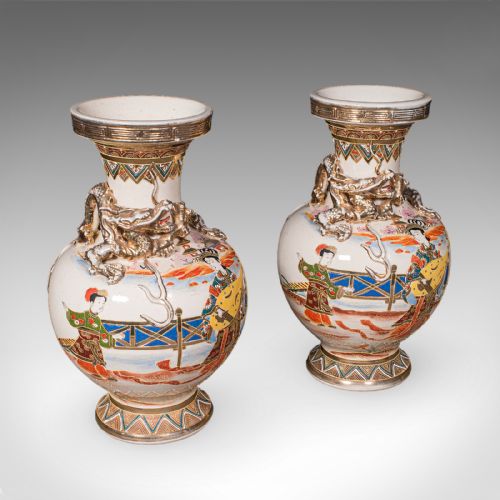
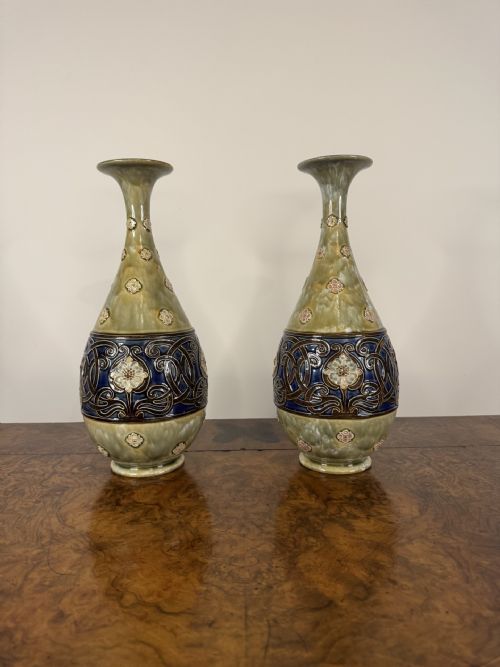
A decorative ceramic baluster presents a distinctive profile characterised by a narrow neck, a swelling lower body, and a sturdy foot. When searching for a decorative ceramic baluster, buyers encounter a rich assortment of English pottery and Asian export wares spanning the nineteenth and early twentieth centuries.
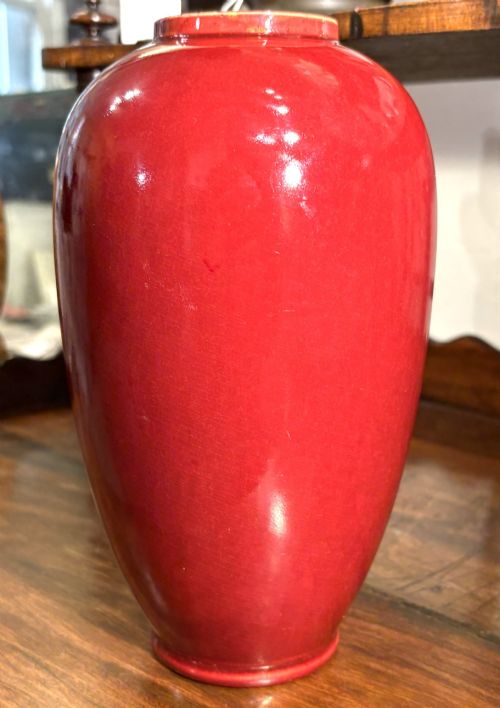
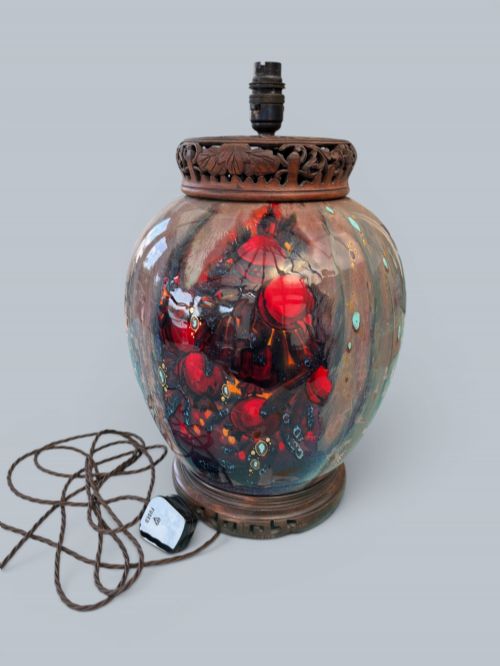
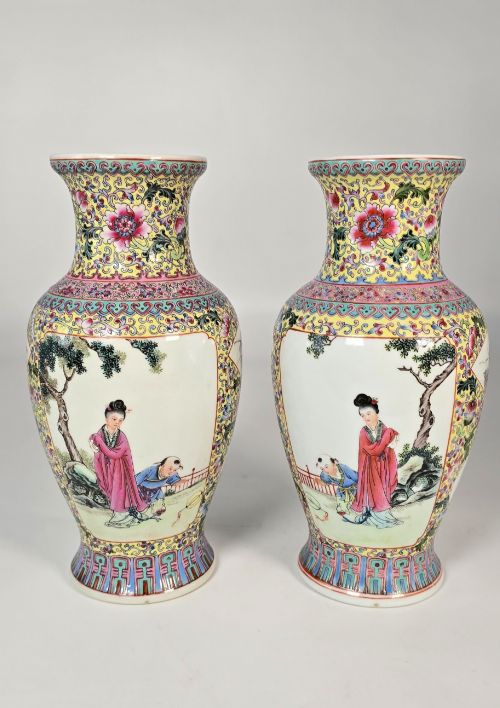
The pieces appearing on this page range from monumental floor vessels to pairs of mantel vases and adapted table lamps. Japanese Satsuma, Imari, and Chinese export porcelains sit alongside English earthenware and stoneware.
Victorian and Edwardian iterations dominate the selection, frequently taking the form of paired display items intended for formal reception rooms. Makers utilised varied scales, from cabinet-sized vessels to imposing nineteenth-century floor vases.
Materials and production methods
Potters shaped these bodies from porcelain, earthenware, and stoneware, applying glazes that vary from high-gloss enamels to matte drip finishes. Many incorporate hand-painted pigments, sometimes enhanced with gold leaf and gilt detailing.
Japanese workshops during the Meiji period employed intricate enamelling and applied figures, while English factories such as Royal Doulton and Wedgwood utilised specialised stoneware and lustre techniques. Firing temperatures dictated the density of the ceramic and the vibrancy of the surface decoration.
Decorative Ceramic Baluster Retail Price Guide 2026
Typical asking prices for decorative ceramic baluster among the pieces listed under this phrase on Sellingantiques today, from the lower quarter to the upper quarter. They describe what is for sale here now, not the wider market.
The inventory records both Chinese Qing Dynasty porcelain and Japanese Meiji period Satsuma and Imari works.
Distinctions in quality
Quality rests upon the crispness of the potting and the precision of the hand-painted decoration. Superior examples display meticulous brushwork, stable glazes without firing faults, and well-defined relief elements.
The reputation of the studio or decorator elevates certain pieces, such as named works from known potteries or distinct design artists. Condition and the preservation of original gilding and enamel colours further separate standard production items from masterworks.
Wedgwood·Royal Doulton·Kinkozan·Miles Mason·Carlton Ware·Moorcroft
The Decorative Ceramic Baluster Glossary
- Baluster
- A vertical architectural form with a swelling lower belly that inspired the curvaceous profile of these ceramic vessels.
- Imari
- A style of Japanese export porcelain characterised by underglaze blue and iron-red overglaze enamel, often augmented with gilt.
- Satsuma
- Japanese earthenware pottery featuring a crackle glaze and detailed polychrome enamel designs.
- Famille Rose
- A palette of Chinese porcelain decoration dominated by opaque pink or rose enamel introduced in the eighteenth century.
- Stoneware
- A dense, vitreous ceramic fired at high temperatures, known for durability and capacity for fine surface detail.
Decorative Ceramic Baluster: Frequently Asked Questions
Are these pieces suitable for holding water?
Most antique decorative balusters function best as dry display objects rather than functional flower vessels.
Historical glazes and porous earthenware bodies can be sensitive to moisture, so liners or dry display are recommended to preserve the interior.
How do I identify a Meiji period piece?
Meiji period Japanese ceramics often display dense hand-painted gilding, Satsuma crackle glazes, or signature marks on the base.
They reflect the opening of Japan to Western trade in the late nineteenth century, combining traditional motifs with ambitious scale.
Can I safely wire a baluster vase as a lamp?
Many antique baluster vessels were converted into table lamps during the twentieth century to suit modern domestic lighting needs.
Professional conversion avoids drilling through vital maker marks or damaging the structural integrity of the ceramic body.