


Collectable Vases
These collectable antique vases span the nineteenth and twentieth centuries, bringing together glass, porcelain, earthenware, and enamel pieces shaped by Art Nouveau, Art Deco, and traditional hands.
Collectable Vases
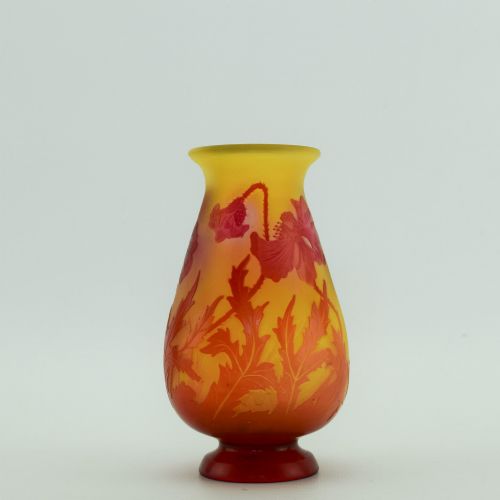
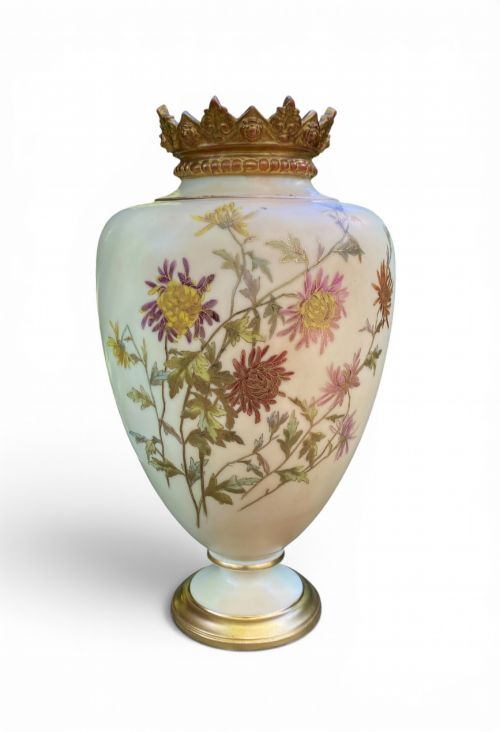
When searching for collectable antique vases, buyers encounter vessels ranging from small miniature forms to large baluster and banjo shapes. The selection leans heavily towards early twentieth century production, with notable examples spanning the nineteenth century.
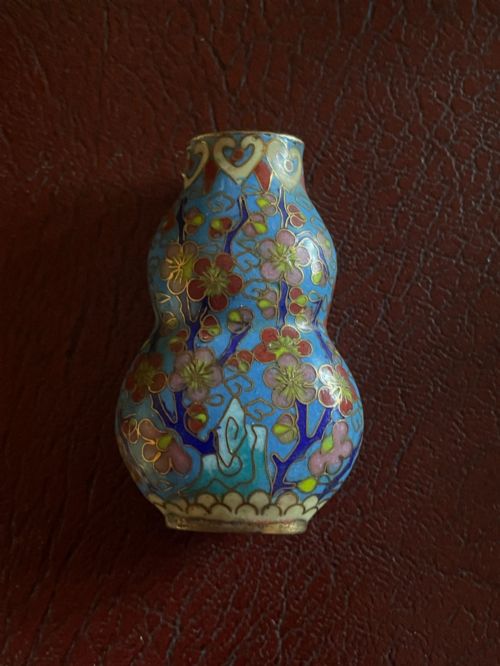
Forms include ginger jars, jugs, and decorative urns alongside standard vase shapes. Many pieces carry distinct regional characters, from French cameo glass and Chinese cloisonne to traditional English porcelain and earthenware.
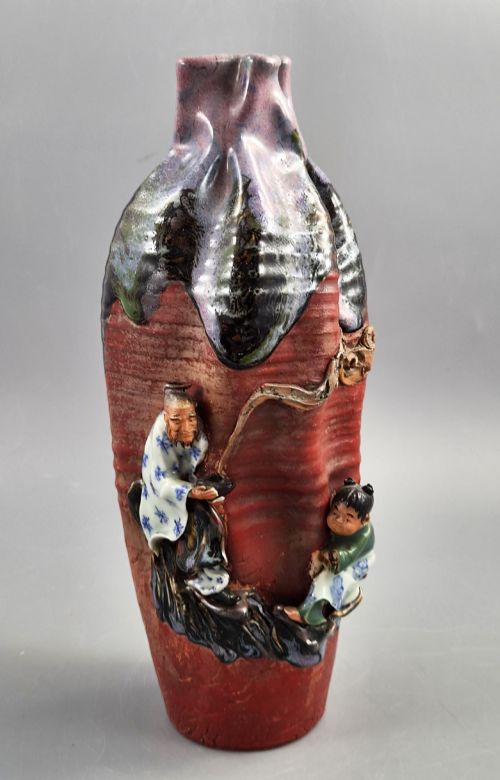
The objects serve primarily as decorative works, reflecting the dominant design movements of their respective decades. Buyers find pieces shaped by the Arts and Crafts movement, the Meiji period, and Chinese export decorative art.
How they were made
Makers utilised diverse materials including cameo glass, frosted glass, enamel, and gold leaf. Ceramic and porcelain vessels frequently display hand-painted decoration set beneath a clear or lustrous glaze.
Glass pieces rely on techniques such as pate de verre and multilayered cameo carving to achieve depth of colour and texture. Earthenware and porcelain bodies are shaped and fired before receiving detailed brushwork or embossed metallic treatments.
Collectable Vases Retail Price Guide 2026
Typical asking prices for collectable vases among the pieces listed under this phrase on Sellingantiques today, from the lower quarter to the upper quarter. They describe what is for sale here now, not the wider market.
Among the ceramic vessels, highland cattle gaze out steadily from hand-painted porcelain surfaces, bringing a touch of rural quiet indoors.
What varies in quality
Quality rests in the precision of the execution, whether in the crispness of a cameo glass relief or the fine brushwork on a painted porcelain fruit scene. Hand-painted details by recognised artists show greater control and nuance.
The weight, clarity, and consistency of the material dictate the distinction between standard production and exceptional work. Surface treatments such as glazes and enamel layers display greater depth and richness on superior pieces.
Rene Lalique·Wedgwood·Moorcroft·Amalric Walter·Daum Freres·Gallé·Royal Worcester·Royal Doulton·Pilkingtons Royal Lancastrian·Liberty And Co
The Collectable Vases Glossary
- Cameo glass
- Glass formed with multiple layers of different colours, which are then carved or etched away to produce a raised design. This technique requires exceptional skill to maintain even depth across the surface.
- Pate de verre
- A glass-casting method where finely crushed glass is packed into a mould and fused in a kiln. The resulting pieces possess a distinctive frosted texture and mottled colour.
- Cloisonne
- Metalwork decorated by adding vitrified paste to compartments created by soldered wire fillets. The piece is then fired and polished to a smooth finish.
- Lustre
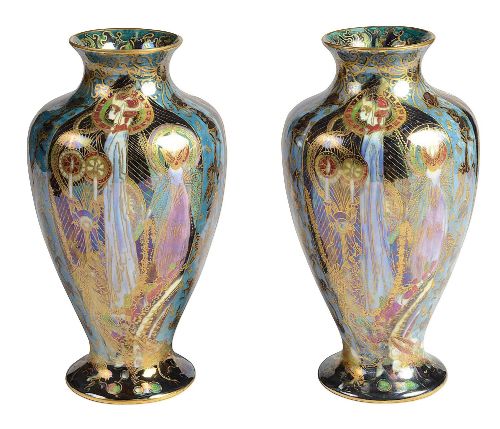
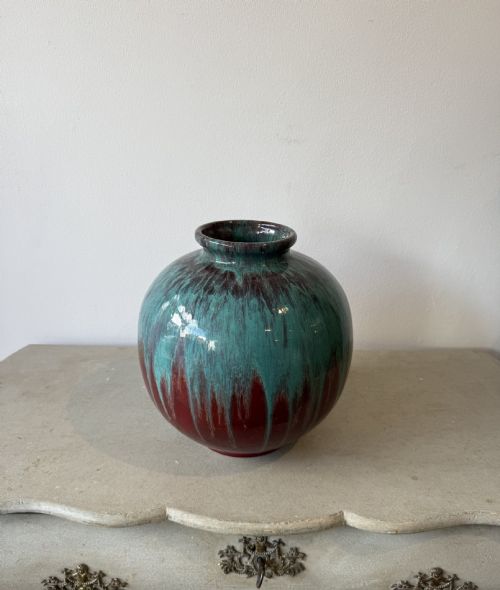
- A type of ceramic glaze containing metallic salts that produce an iridescent sheen upon firing. Wedgwood Fairyland Lustre pieces demonstrate this effect.
- Baluster
- A vase form characterised by a rounded body that tapers toward the neck, resembling an architectural baluster. It provides a stable base for detailed surface decoration.
Collectable Vases: Frequently Asked Questions
How do I identify cameo glass vases?
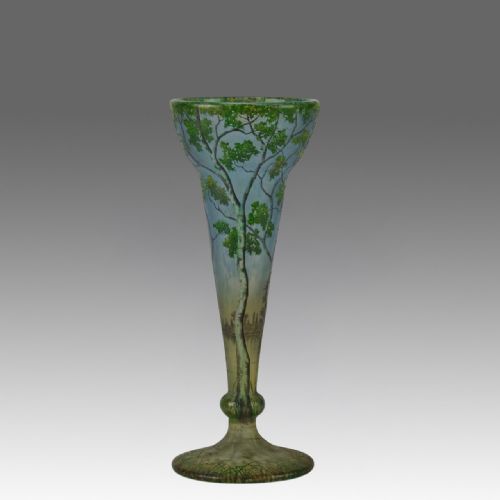
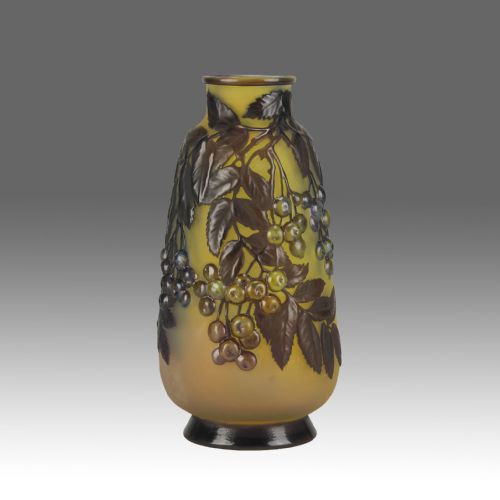
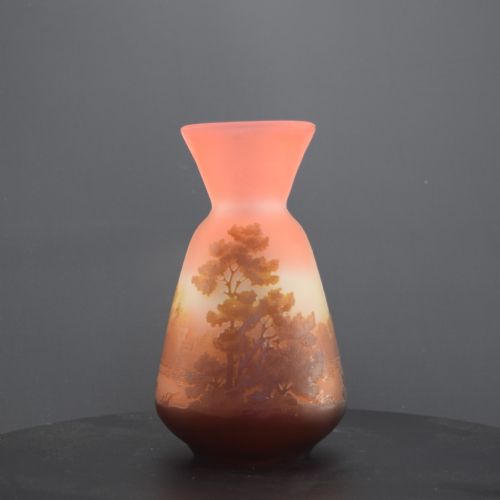
Cameo glass vases feature distinct raised designs created by carving away outer layers of glass to reveal a contrasting background colour underneath. These pieces often display botanical or landscape motifs typical of turn-of-the-century French glassmaking houses.
Close inspection reveals the depth of the carving and the texture of the layered glass. Signatures are frequently etched directly into the side of the vessel.
What defines Art Deco glass vases?
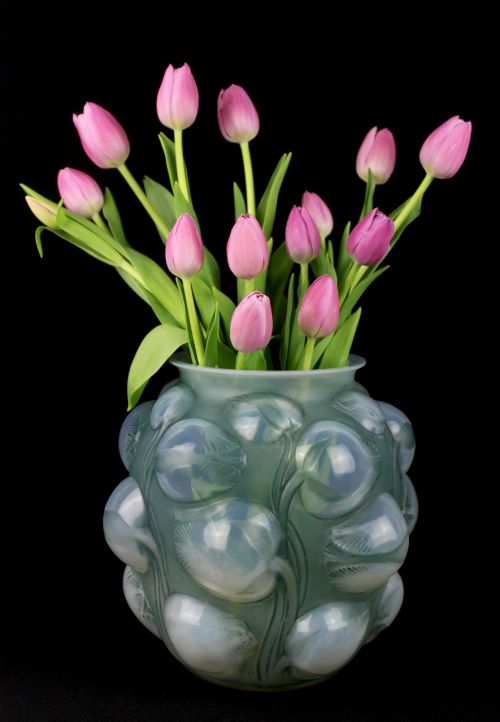
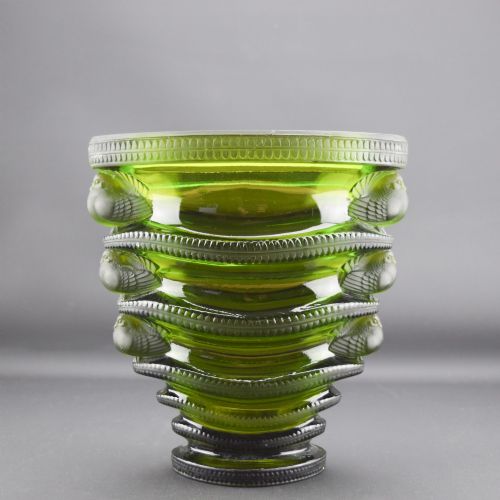
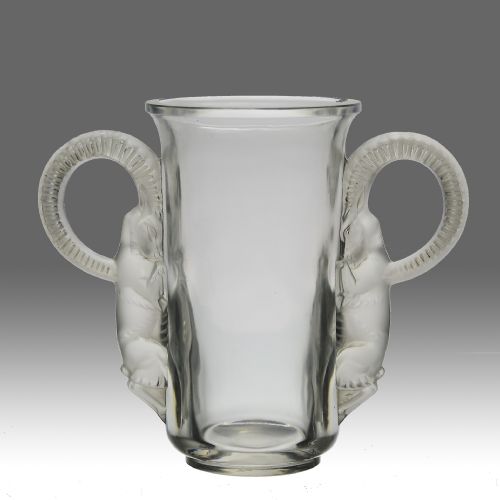
Art Deco glass vases embrace geometric clarity, stylised natural forms, and often opalescent or frosted finishes. The period shifted away from curving floral lines toward structured, symmetrical moulding.
Makers utilised heavy press-moulding techniques to achieve crisp relief patterns. These vessels typically date from the nineteen-twenties and nineteen-thirties.
How were painted porcelain vases decorated?
Painted porcelain vases received hand-applied pigments over a glazed white ceramic body before undergoing a final kiln firing to set the colours. Artists often specialised in specific subjects such as fruit, birds, or cattle.
Signatures or monogram marks near the base indicate the individual painter. The brushwork remains sharp and detailed under magnification.
What is Moorcroft pottery known for?
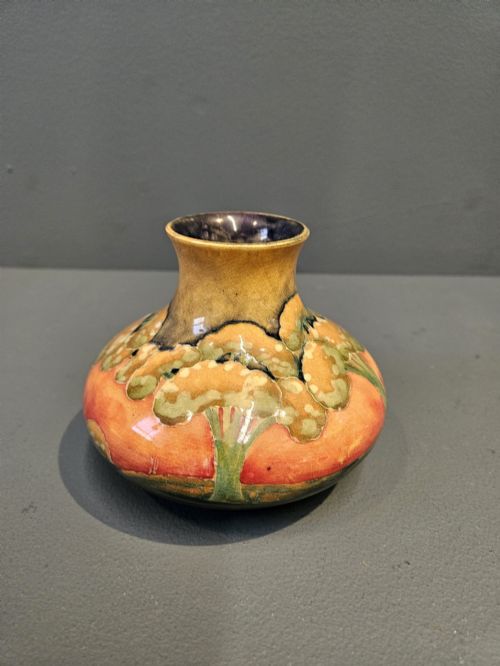
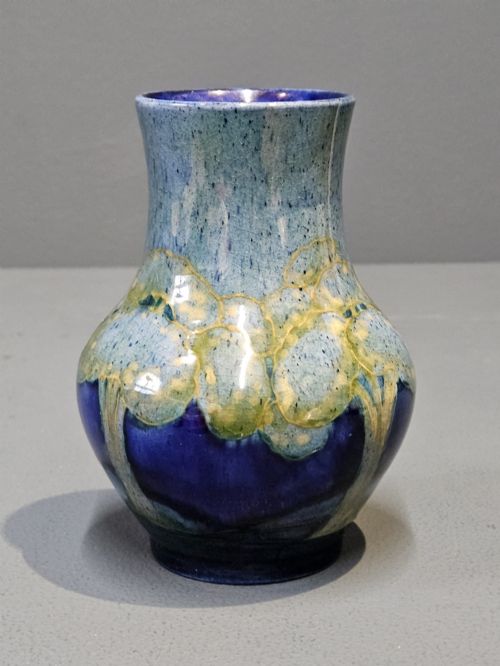
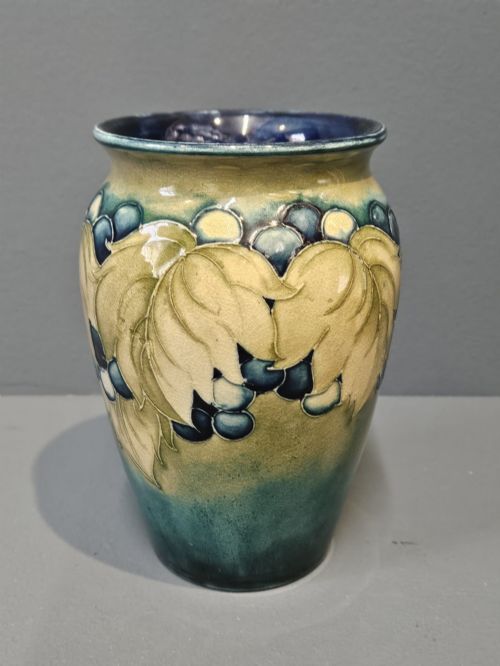
Moorcroft pottery is celebrated for its tube-lined decoration, where raised clay outlines form boundaries for rich, varied glazes. This technique creates a tactile surface with distinct depth and colour separation.
Designs frequently feature floral and botanical themes developed during the early twentieth century. Pieces usually bear impressed factory marks alongside painted signatures.