


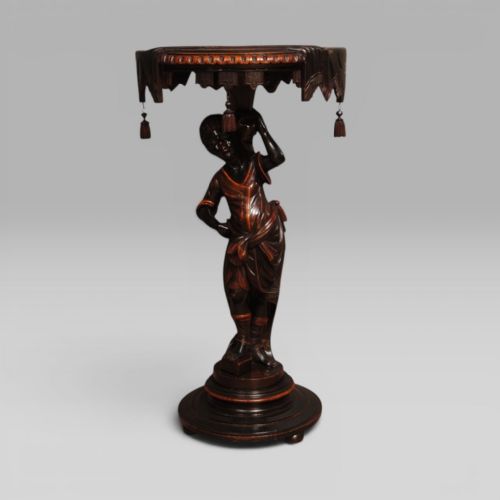


Decorative Carved Pedestal
A decorative carved pedestal raises sculpture, plants, or light above the floor, bringing height and architectural focus to a room.
Decorative Carved Pedestal
A decorative carved pedestal serves to elevate objects such as urns, figures, and bowls within an interior space. These pieces draw upon historical vocabularies ranging from Venetian Baroque to Neoclassical and French Chateau designs.
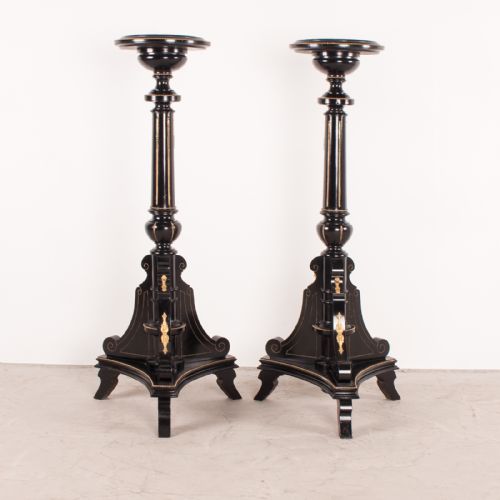
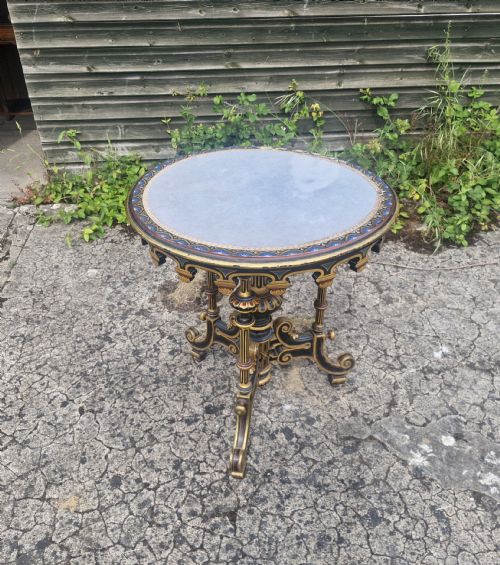
The selections available include tall torcheres, architectural columns, plant stands, and occasional tables originating from the nineteenth and early twentieth centuries. Buyers frequently encounter forms executed in carved wood, ebonised timber, and imported marbles.
The physical scale spans from smaller display stands to grand, room-commanding columns designed to hold heavy sculptural elements. Many items reflect European travels and classical revivals popular during the Victorian era and the decades following.
Materials and construction methods
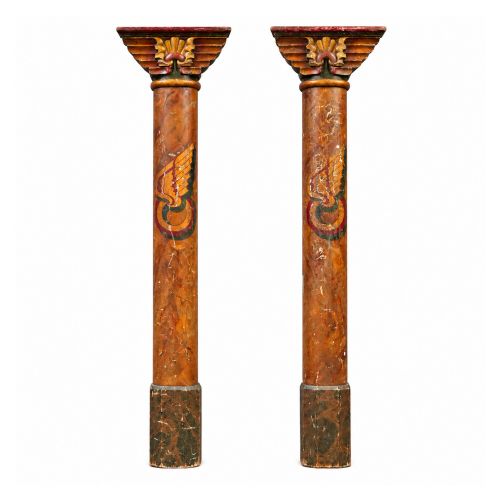
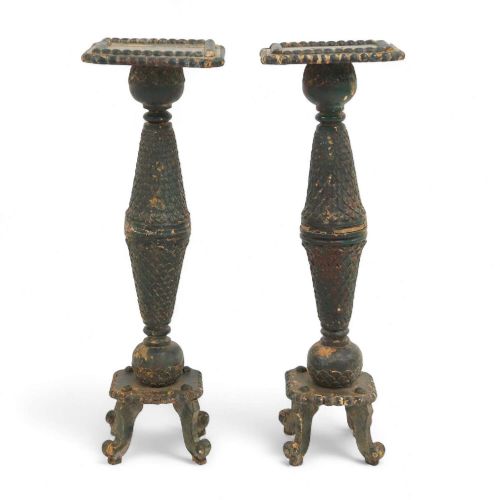
Wood serves as the primary structural material, utilising walnut, oak, mahogany, and exotic timbers shaped through hand carving and joinery. Artisans frequently applied gesso, gold leaf, and polychrome paint to enrich the external surfaces.
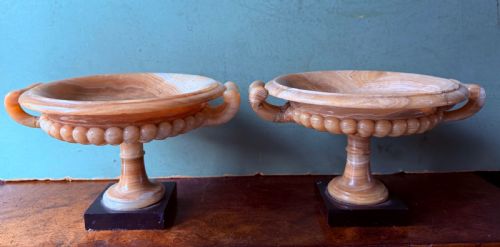
Stones such as marble and alabaster appear in column shafts and display blocks, often paired with wooden or metal mounts. Ebonisation techniques transformed common timbers to imitate more costly ebony finishes.
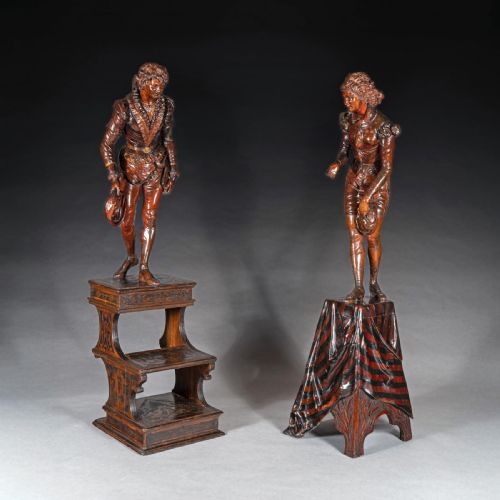
Several Victorian figures stand ready with painted garments and gilded details, holding aloft surfaces designed to display your favourite botanical curiosities.
Assessing quality and execution
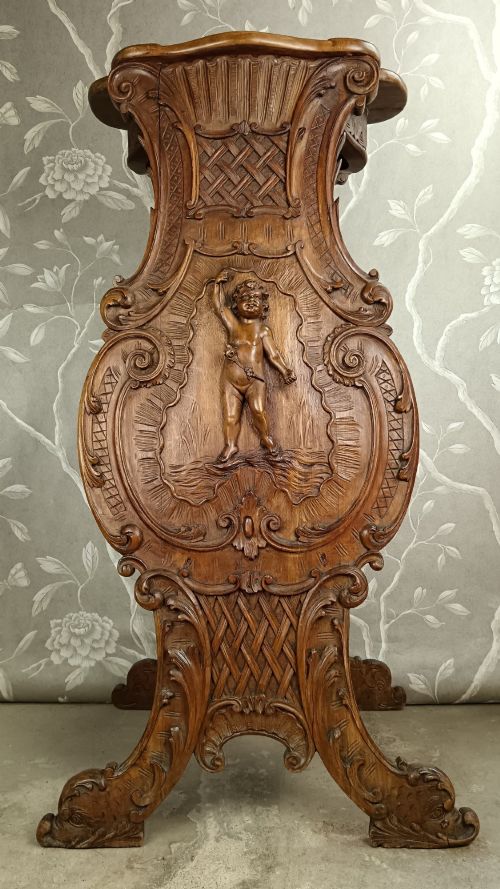
The precision and depth of the hand carving dictate the visual impact of the piece, separating mechanical repetition from spirited artisan work. Crisp undercut details in wood or stone demonstrate superior handling by the maker.
The integrity of surface treatments, including original polychrome paint, gilding, and patination, preserves the historical character of the object. Substantial material choices, such as solid hardwoods and genuine decorative marbles, elevate the structural weight and presence.
Valentino Besarel·John Wenlock Rollins
The Decorative Carved Pedestal Glossary
- Torchere
- A tall stand designed specifically to support a lamp, candle, or small decorative object. These slender fixtures often feature columnar shafts.
- Gesso
- A plaster-like mixture applied to wood surfaces to prepare them for painting or gilding. It provides a smooth base for intricate relief work.
- Polychrome
- Decoration utilising multiple colours applied to wood, stone, or plaster surfaces. This technique frequently appears on figural pedestals.
- Grand Tour
- A cultural journey undertaken by wealthy Europeans to study classical antiquities. Souvenirs from these trips influenced nineteenth-century domestic design.
- Solomonic
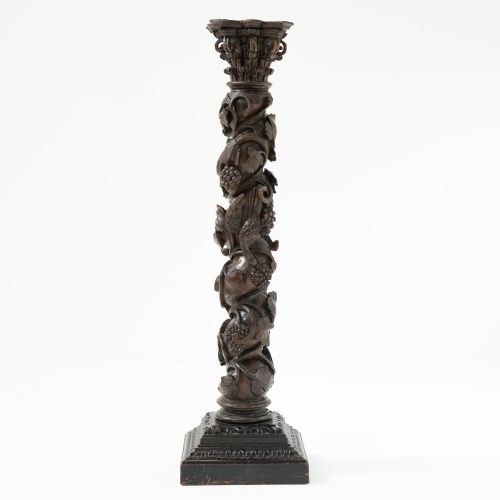
- A column shaft characterised by a helical twist. This spiralling form originates from ancient architectural traditions.
Decorative Carved Pedestal: Frequently Asked Questions
What items go on a pedestal?
These supports hold heavy objects such as marble busts, bronze urns, large plants, and decorative bowls. Their primary function is to elevate display pieces to eye level within a room.
Matching the weight and scale of the object to the top surface ensures stability. Lighter items sit comfortably on slender wooden stands, while substantial stone columns anchor heavier sculptures.
How do I date a pedestal?
Dating relies on identifying period styles, such as Victorian Renaissance Revival or Art Deco, alongside construction methods and material choices. Examining the wood type and the wear patterns on the base offers further chronological clues.
Surface treatments like original green paint, gold leaf, or ebonisation often correspond to specific manufacturing decades. Comparing carved motifs against known design books helps place the object in its historical era.
Are these pieces structurally strong?
Most examples utilise solid timbers, dense marbles, and sturdy internal framing designed to bear significant downward weight. Traditional joinery provides the rigidity required for supporting heavy decorative items.
Placing the stand on an even floor prevents rocking and protects the joints from undue stress. Heavier stone columns require careful placement to distribute their substantial mass safely.
How do I care for painted wood?
Maintaining painted and gilded surfaces involves gentle dusting with a dry, soft cloth to prevent abrasive particle buildup. Avoiding moisture and harsh chemical cleaning agents protects the delicate historic finishes.
Keeping the piece away from direct sunlight and extreme temperature fluctuations prevents the wood from warping and the gesso from cracking. Periodic inspection of the base ensures the structure remains balanced.