



Gilded Classical Column
A gilded classical column brings architectural discipline and warm metallic reflection to a room, drawing the eye upwards with ancient proportions.
Gilded Classical Column
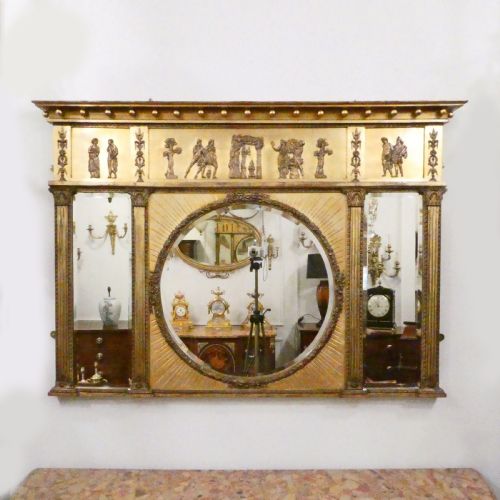
A gilded classical column search uncovers architectural supports, torchères, and mirror frames that use the vocabulary of ancient orders. These pieces emerge primarily from the Regency and Victorian periods, translating Greek and Roman temple forms into domestic furnishings.
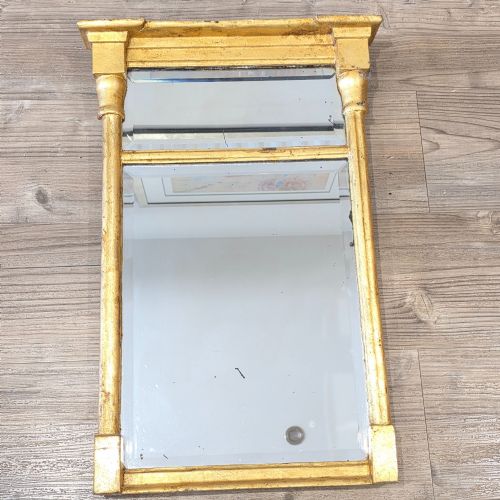
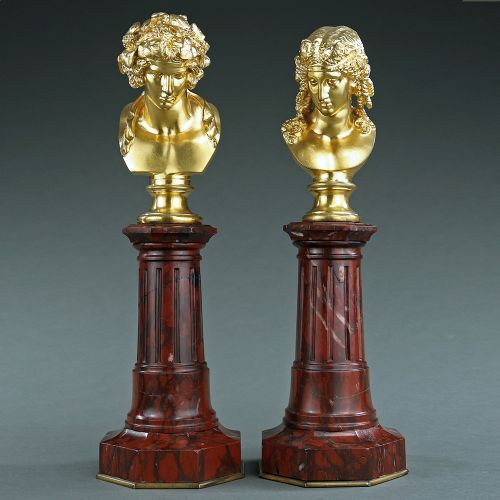
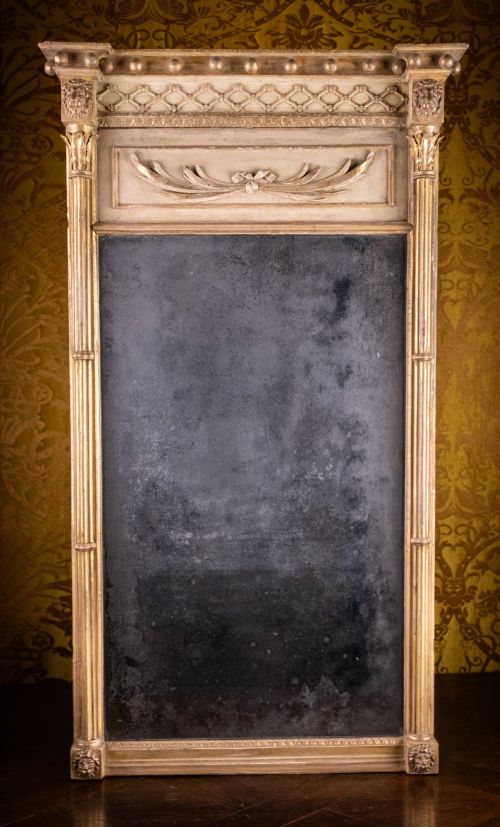
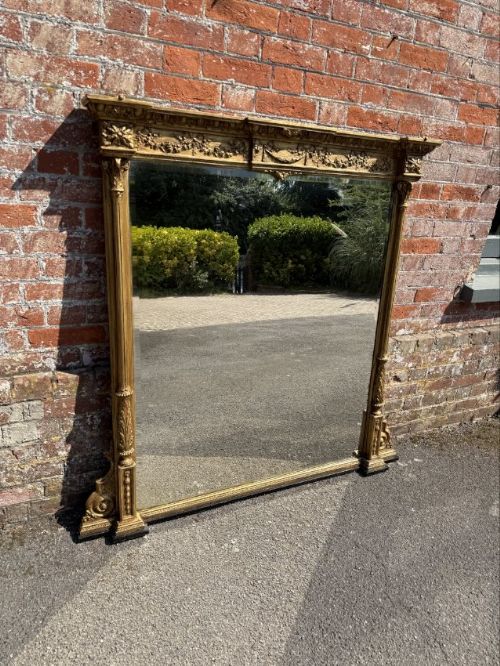
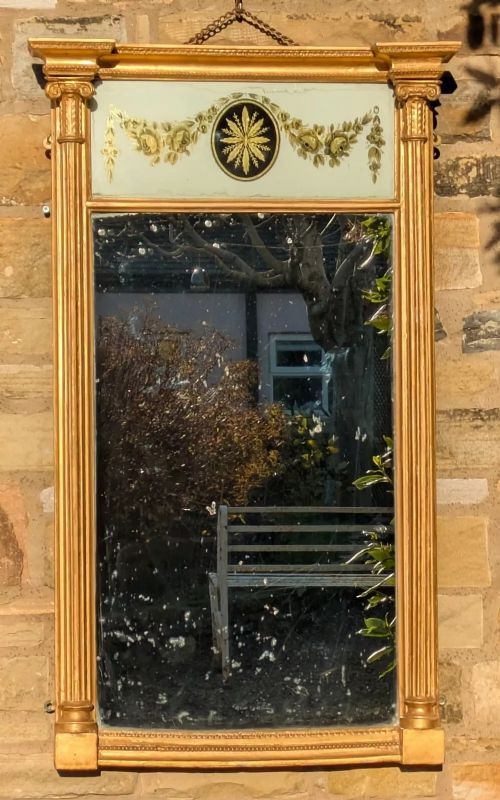
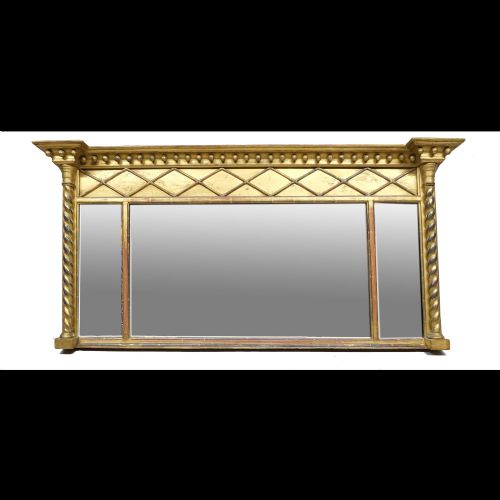
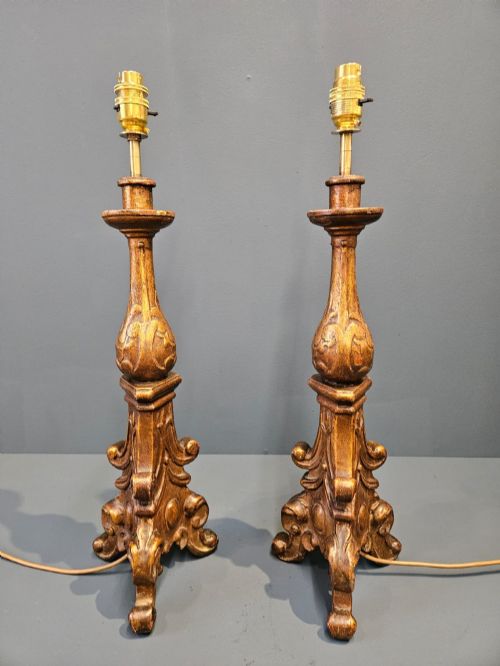
Mirrors form a large share of the selection, particularly pier mirrors and overmantels flanked by engaged columns or pilasters. Standalone columns and torchères appear less frequently, often formed from marble with ormolu collars or carved and gilded wood.
The aesthetic leans heavily on Neoclassical and French Empire traditions, where gilt surfaces articulate fluted shafts and Corinthian or Doric capitals. Buyers encounter both structural pedestals designed to elevate lamps or busts and flat surfaces where column motifs frame glass.
What varies in quality
The crispness of the carving and the depth of the gilding set the standard for these architectural pieces. Hand-carved wooden details and burnished gold leaf display a crispness and warmth that moulded composition ornament and flat paint cannot match.
Proportion and the integrity of the classical orders dictate the visual success of each piece. Superior examples maintain strict adherence to ancient architectural ratios, whereas lesser items crowd the surface with clumsy ornament that ignores the logic of the column.
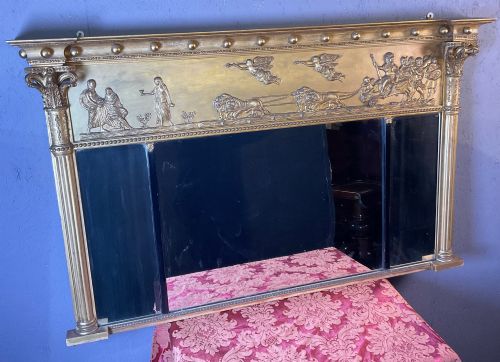
Several mirrors include verre églomisé panels depicting ancient chariots, proving that even a wall glass wanted to tell a grand story.
Philippes Paris
The Gilded Classical Column Glossary
- Gesso
- A plaster-based mixture applied to wood frames to create a smooth surface for gilding and relief carving. It allows artisans to carve intricate classical details before applying gold leaf.
- Ormolu
- Finely chased gilt bronze used for mounts, collars, and decorative accents on furniture and clocks. The technique creates a durable, bright gold finish.
- Pier Mirror
- A tall glass designed to hang on the wall space between windows. These mirrors often incorporate classical columns or pilasters in their wooden frames.
- Torchère
- A tall ornamental stand or candlestick designed to hold a light source. Examples in this category take the form of classical columns.
- Verre Églomisé
- A process of applying gold or silver leaf to glass and engraving a design from the reverse side. It appears frequently in the upper panels of Regency mirrors.
Gilded Classical Column: Frequently Asked Questions
How do I style a classical column at home?
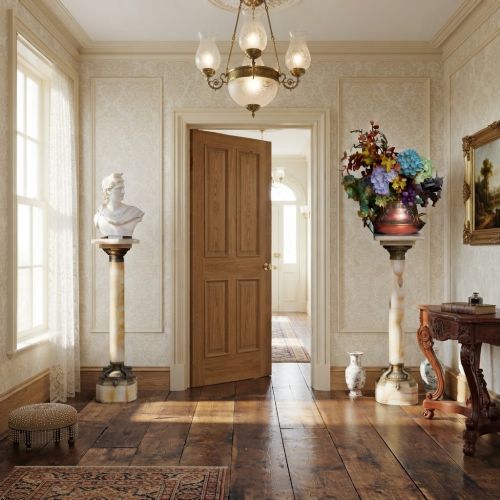
Place a standalone marble or timber column in an empty corner to add architectural height and structural weight to the room. Use the flat top surface to display a bust, a lamp, or a vase.
Keep surrounding furniture simple so the column remains the primary visual anchor. Pairing a column with a matching mirror creates a balanced, formal composition.
Where were pier mirrors placed historically?
Pier mirrors hung on the solid section of wall between two windows, known as the pier. This placement bounced natural light back into the room and created an illusion of greater space.
They frequently sat directly above pier tables, forming a unified decorative scheme for nineteenth-century reception rooms.
How do I tell Regency from Victorian columns?
Regency pieces tend to exhibit restrained Neoclassical lines with clean giltwood surfaces and crisp, classical proportions. They reflect an early nineteenth-century fascination with Greek archaeology.
Victorian interpretations often introduce heavier ornamentation, darker contrasting ebonised details, or eclectic revivals like the Victorian Classical Revival style.
What is the difference between a torchère and a column?
A torchère functions primarily as a decorative stand intended to elevate a light source or an object of display. Its design focuses on slenderness and ornamental presence.
A classical column follows strict architectural orders like Doric, Ionic, or Corinthian, referencing structural load-bearing elements even when executed as a flat mirror frame.