


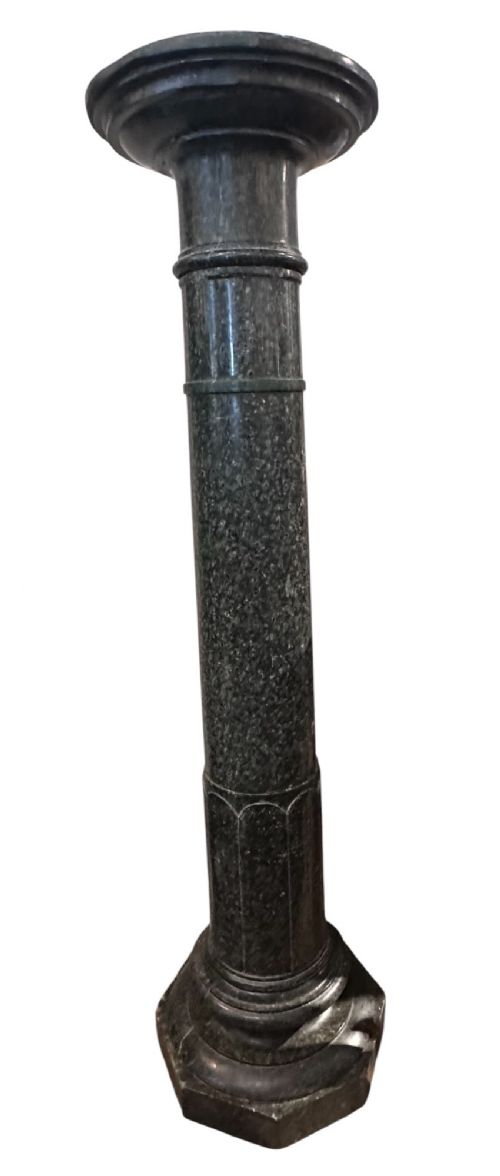


Italian Carved Column
An italian carved column brings sculptural drama and classical weight to a room, functioning as a commanding stand for display or art.
Italian Carved Column
When you search for an italian carved column, you encounter architectural supports, display pedestals, torcheres, and plant stands drawn from several centuries of craftsmanship. These pieces span from the seventeenth century through to the early twentieth century, reflecting enduring classical motifs.
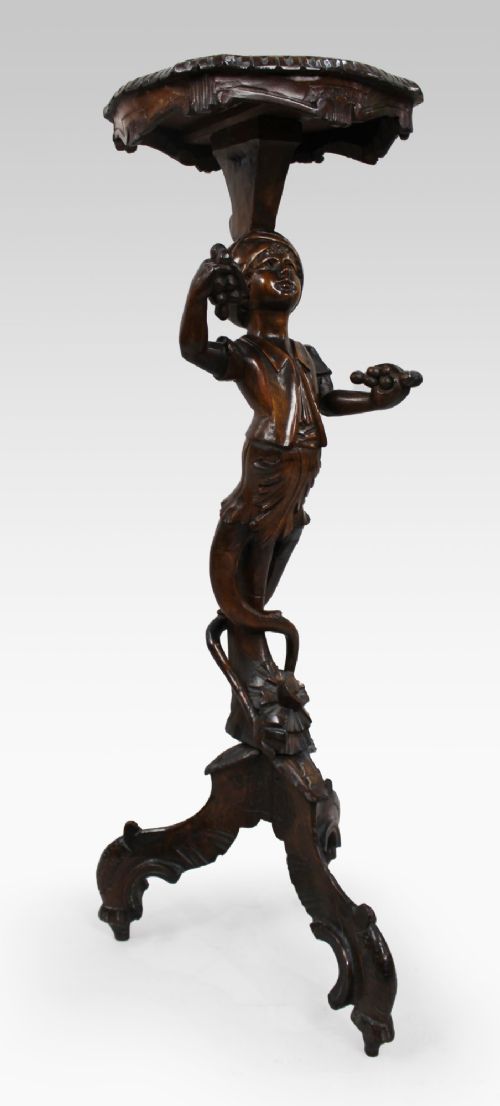
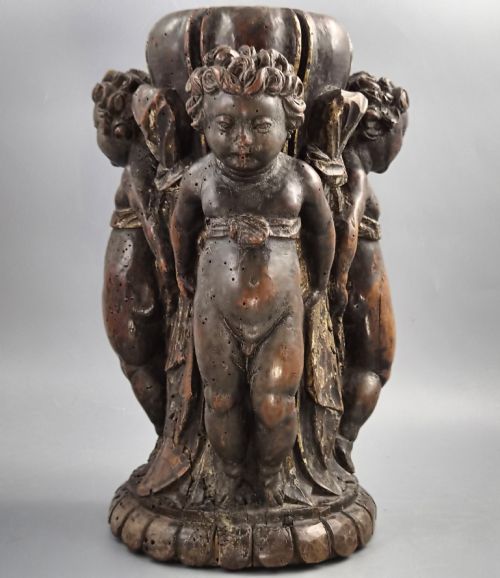
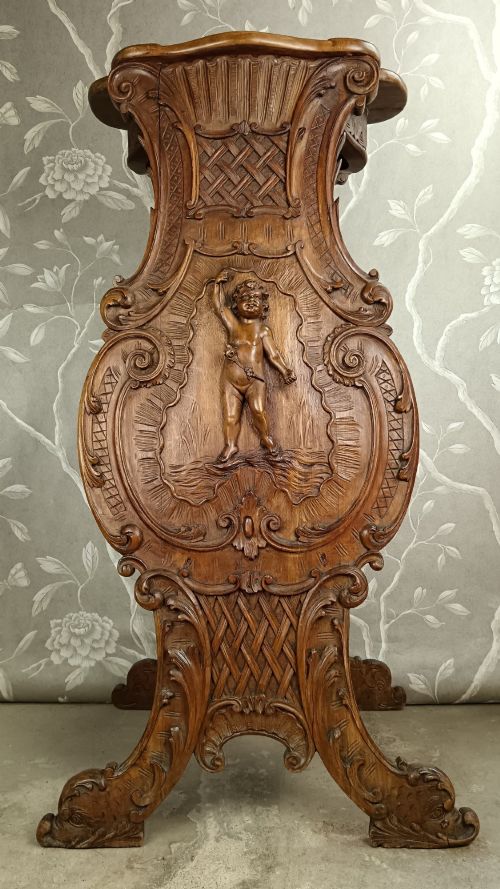
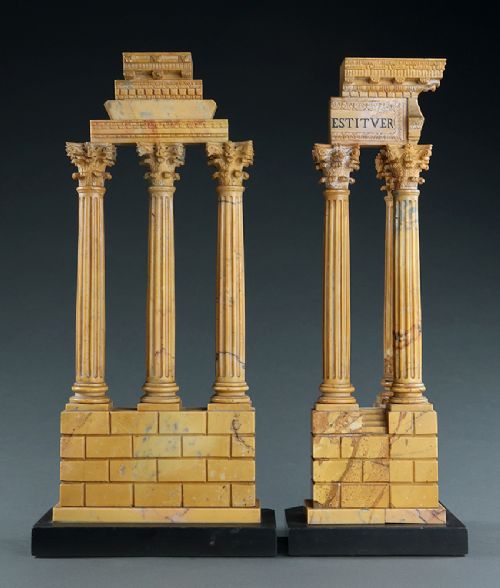
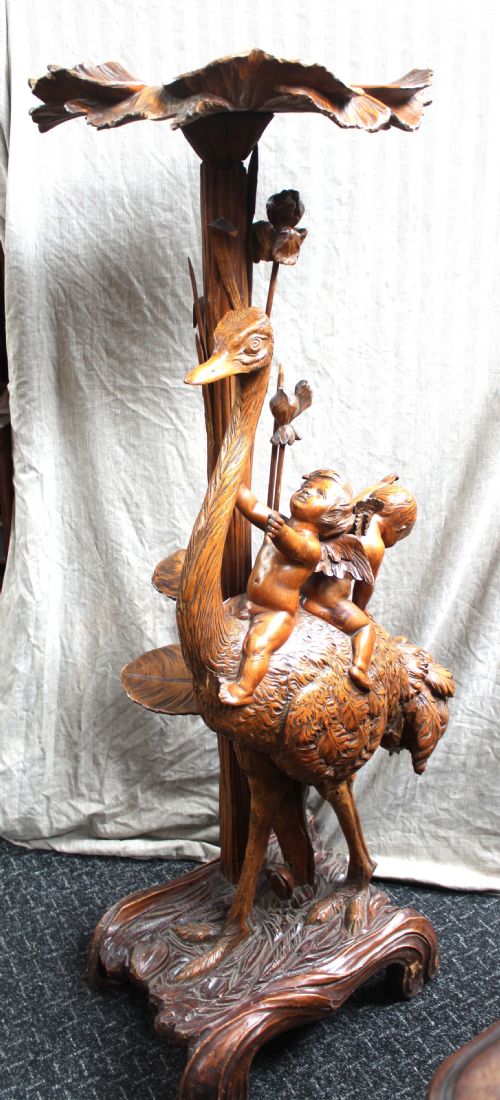
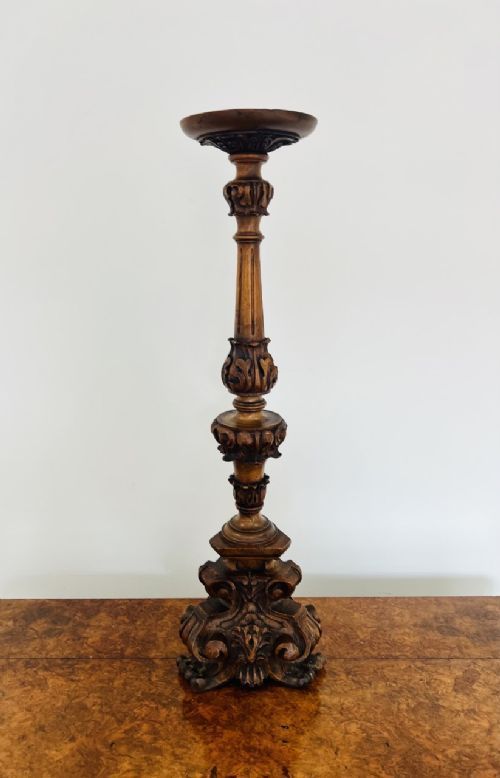
The most common forms on this page include walnut and giltwood pedestals, marble columns, and carved wood torchere bases. Many incorporate figural elements such as putti, amorini, or cherubs, alongside traditional architectural orders.
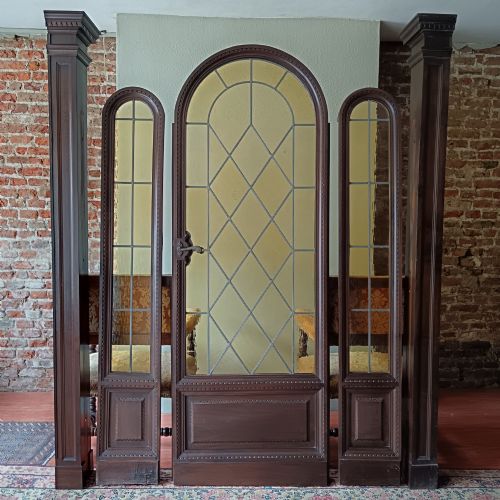
Origins range across Italian regional centres, with Venetian and Grand Tour pieces appearing frequently alongside architectural salvage elements like capitals and doorways. They serve primarily as display surfaces for sculpture, lamps, or urns.
Materials and construction methods
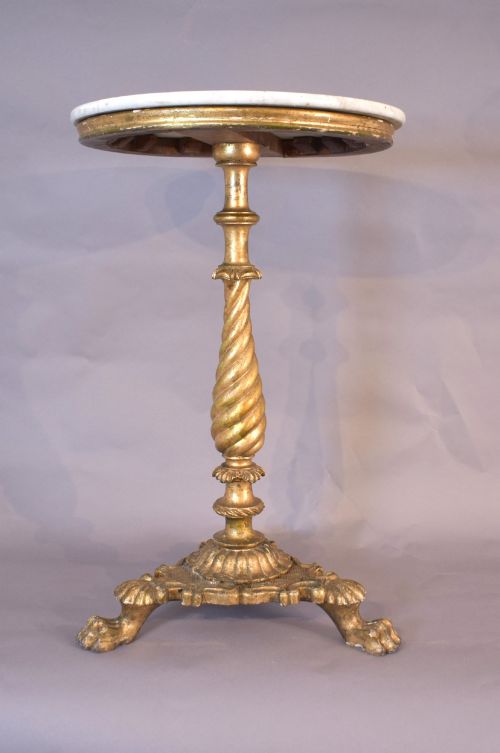
Makers utilised solid timbers such as walnut and pinewood, shaping them through detailed hand-carving to create complex fluted shafts and figural supports. Gesso and gold leaf were frequently applied to create rich giltwood finishes on wooden columns and torcheres.
Stone pieces employ fine marbles including Siena, Verde Antico, and Carrara, alongside alabaster and scagliola for smooth shafts and pedestals. These mineral materials were turned and polished to highlight natural veining and classical proportions.
Several columns double as enthusiastic wooden putti and cherubs determined to hold up your lamps for eternity.
Distinctions in craftsmanship
Surface finish also dictates value, with genuine period gilding, paint, or natural marble grain showing superior depth compared to later refinishing. The integrity of the timber or stone, particularly around vulnerable architectural details like capitals and bases, determines the overall execution.
The Italian Carved Column Glossary
- Giltwood
- Wood that has been coated with a thin layer of gold leaf over a prepared gesso ground. This technique creates a luminous, reflective surface common on Baroque and Neoclassical stands.
- Scagliola
- A composite material made from selenite, glue, and pigments, embedded with marble splinters to imitate natural stone. Craftsmen polished this mixture to achieve the appearance of costly inlaid marble.
- Carrara
- A white or blue-grey marble quarried in the city of Carrara in Tuscany, prized since antiquity for sculpture and architectural columns.
- Verde Antico
- A dark green serpentine marble mottled with lighter green and white veins, frequently utilised in classical revival columns and pedestals.
Italian Carved Column: Frequently Asked Questions
What is an italian carved column used for?
These pieces serve primarily as elevated platforms for displaying sculptures, urns, lamps, or decorative plants within a room. Their height draws the eye upward and adds architectural interest to plain corners or gallery spaces.
Historically, grander examples functioned as torchieres to illuminate dark halls or salons, while sturdier stone columns supported heavy marble busts and architectural fragments.
How do I date an antique column?
Dating relies on identifying the prevailing design style, such as Baroque, Neoclassical, or Renaissance Revival, combined with an assessment of the wood or stone. Examining tool marks, timber shrinkage, and the composition of underlying gesso layers helps confirm the period.
Earlier pieces from the seventeenth and eighteenth centuries often exhibit hand-hewn joinery and deeper, more expressive organic carving compared to later nineteenth-century revival work.
Are these columns solid marble or wood?
The materials vary entirely depending on the specific piece, encompassing both carved hardwoods and natural stones. Listings feature solid walnut, pinewood, and giltwood alongside dense stones like Carrara marble, alabaster, and scagliola.
Many wooden examples feature applied gesso and paint finishes, while stone columns are turned from single blocks or assembled from distinct capitals, shafts, and bases.
How do I style a column at home?
Place a standalone pedestal in an empty corner or flanking a doorway to create a strong focal point and break up flat wall lines. They work best when topped with a contrasting object, such as a bronze sculpture, a glass vessel, or a table lamp.
Ensure the weight of the object placed on top matches the structural capacity and footprint of the base, particularly with narrow triform or tripod designs.