
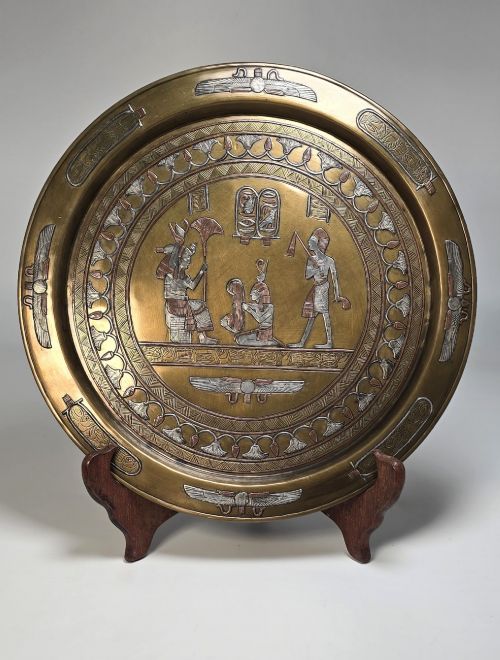


Decorative Brass Wall Plate
These decorative brass wall plate options offer striking historical metalwork and detailed surface ornament for interior display.
Decorative Brass Wall Plate
A decorative brass wall plate encompasses large chargers, circular trays, and embossed dishes originating from various late nineteenth and early twentieth century traditions. When you search for this phrase, you encounter substantial metal vessels intended primarily for visual impact rather than domestic service.
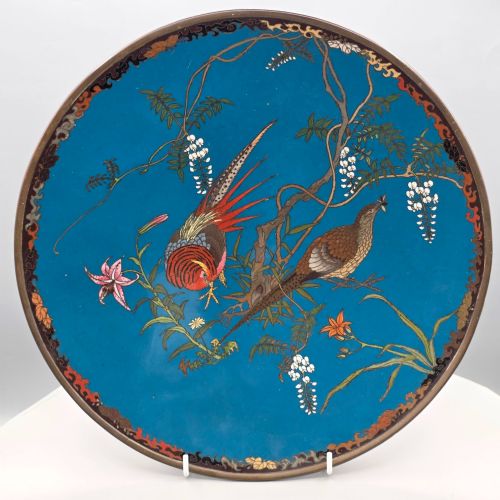
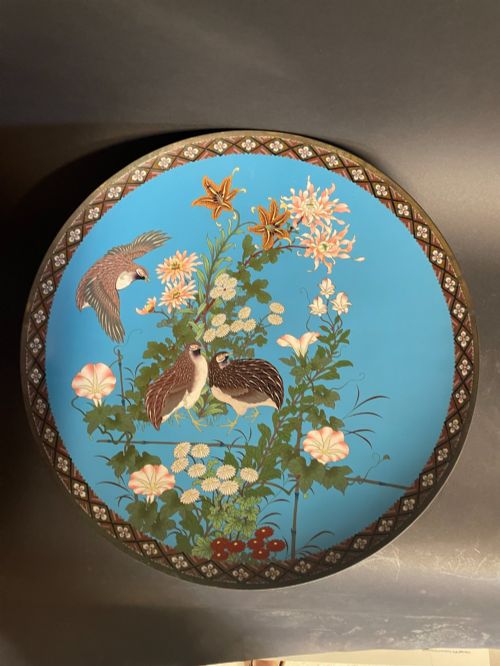
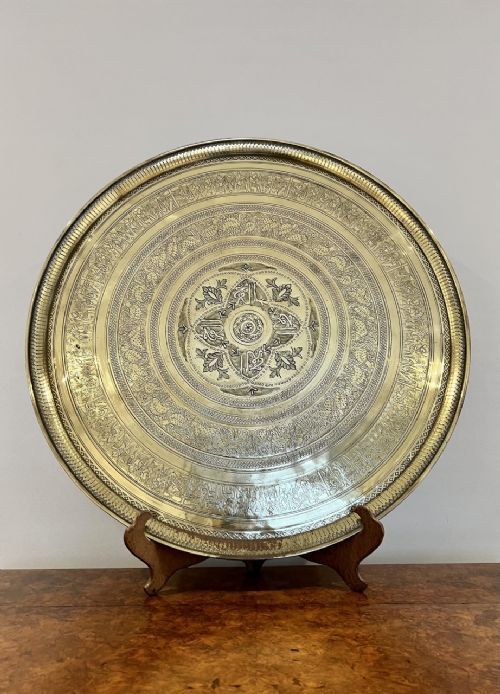
Dishes take various circular forms, including large chargers depicting birds, landscapes, and deities alongside plain brass items with embossed motifs. Buyers find pieces shaped by distinct regional metalworking techniques adapted for wall display.
Materials and Working Methods
Items rely heavily on brass, copper, and bronze as base metals, frequently enhanced through surface treatments like patination and hammering. Artisans shaped these malleable metals by hand before applying decorative details.
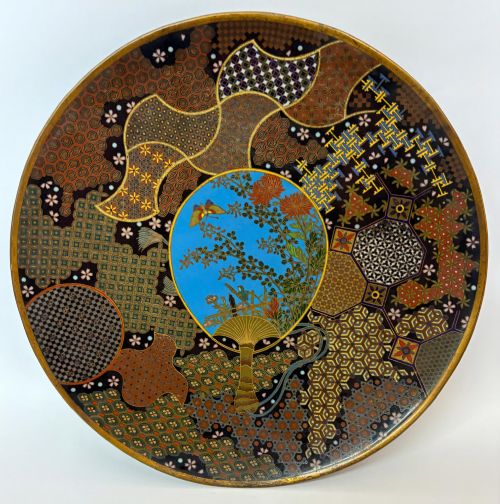
Many plates incorporate mixed metal elements, silver and copper inlays, or vibrant cloisonne enamel work fused to the metallic body. Egyptian Cairo Ware pieces utilise intricate silver wire inlay, while Japanese works employ fine wire cells for enamel powders.
Embossing and engraving techniques create low relief patterns, as seen in eighteenth century alms dishes and Victorian engraved trays. Workshop methods combine traditional hammering with precise chemical patination to achieve contrasting surface tones.
Listings feature items spanning the eighteenth, nineteenth, and early twentieth centuries, incorporating Victorian, Edwardian, and Meiji period aesthetics.
Markers of Quality
Quality rests in the crispness of the engraved lines, the complexity of the inlaid metalwork, and the precision of the enamel cells. Superior pieces display intricate pictorial subjects like birds, deities, or landscapes executed with high technical control.
The weight of the metal base and the depth of the relief work distinguish finer chargers from standard production items. Masterpiece pieces demonstrate exceptional compositional balance across large surfaces without distortion in the metal body.
Integrity of surface decoration, minimal loss to enamel or inlay work, and clear artistic styling elevate certain items above typical decorative wares.
The Decorative Brass Wall Plate Glossary
- Charger
- A large ornamental plate or dish traditionally used for display rather than dining. These substantial pieces provide a wide surface for detailed metalwork or enamel scenes.
- Cloisonne
- A decorative metalwork technique where thin wire creates small compartments that are filled with enamel paste and fired. Japanese Meiji period examples frequently utilise this method.
- Cairo Ware
- Metalwork originating from Egypt, typically featuring intricate silver and copper inlay upon a bronze or brass ground. Pieces often date from the late nineteenth century.
- Patinated Copper
- Metal treated with chemicals to produce an aged or coloured surface finish. This technique enhances visual depth on decorative trays and dishes.
- Alms Dish
- A traditional ecclesiastical bowl or plate used for collecting charitable donations. Early examples feature deeply embossed religious or floral motifs in brass.
Decorative Brass Wall Plate: Frequently Asked Questions
How do I hang a heavy brass charger safely?
Heavy metal chargers require robust wall fixings secured directly into wall studs or masonry rather than standard plasterboard hooks. Utilise coated wire or adjustable spring hangers designed to distribute the weight evenly across the rim.
Ensure the hanging device supports the full diameter of the plate without slipping off the curved edge. Periodically check the mounting hardware to maintain secure display.
What is Egyptian Cairo Ware?
Egyptian Cairo Ware refers to decorative metal vessels produced in Egypt during the late nineteenth century for the European export market. These items typically consist of bronze or brass inlaid with intricate patterns of silver and copper wire.
Common forms include large chargers and trays featuring dense geometric or calligraphic designs. The style reflects a revival of traditional Middle Eastern metalworking techniques.
What defines Meiji period metalwork?
Meiji period metalwork originates from Japan between eighteen sixty-eight and nineteen twelve, a time of exceptional craftsmanship. Artisans produced highly detailed cloisonne enamels, mixed metal dishes, and bronze platters featuring natural subjects like birds and flowers.
Masterpieces from this era display extreme precision in wirework and shading. These Japanese exports heavily influenced European decorative arts of the late nineteenth century.
Are these plates meant for food use?
Decorative brass wall plates and chargers are strictly intended for interior display and visual appreciation. Many older pieces contain historical metal alloys or repair materials unsuited for culinary contact.
Enamelled surfaces and inlaid wirework can sustain damage from moisture, acidic foods, or cutlery. Keep these items dry and mounted securely on walls or displayed on plate stands.