



Decorative Brass Table Lamps
These decorative brass table lamps bring warmth and period character to a room, ranging from slender classical columns to converted oil lamps.
Decorative Brass Table Lamps
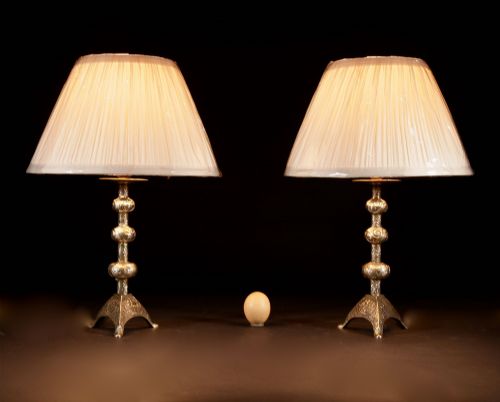
When you search for decorative brass table lamps, you encounter lighting fixtures originating primarily from the nineteenth century through the early decades of the twentieth century. These pieces encompass standard electrical lamp bases, converted nineteenth-century oil lamps, and candelabra adapted for modern interiors.
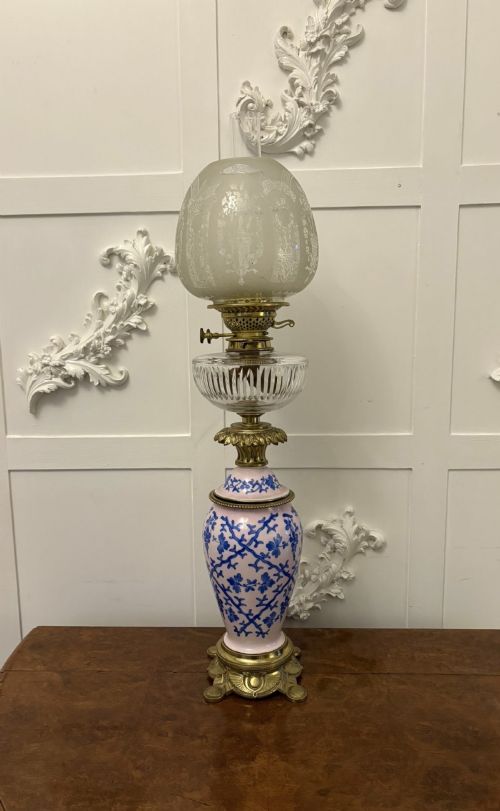
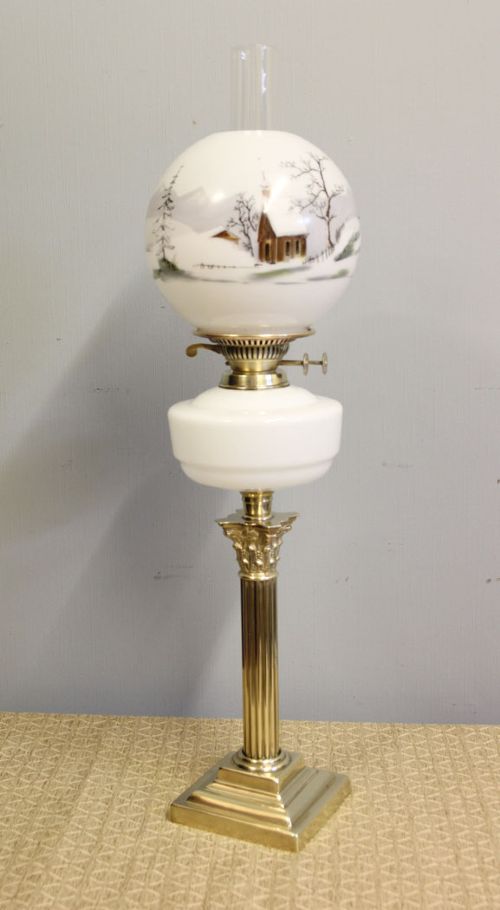
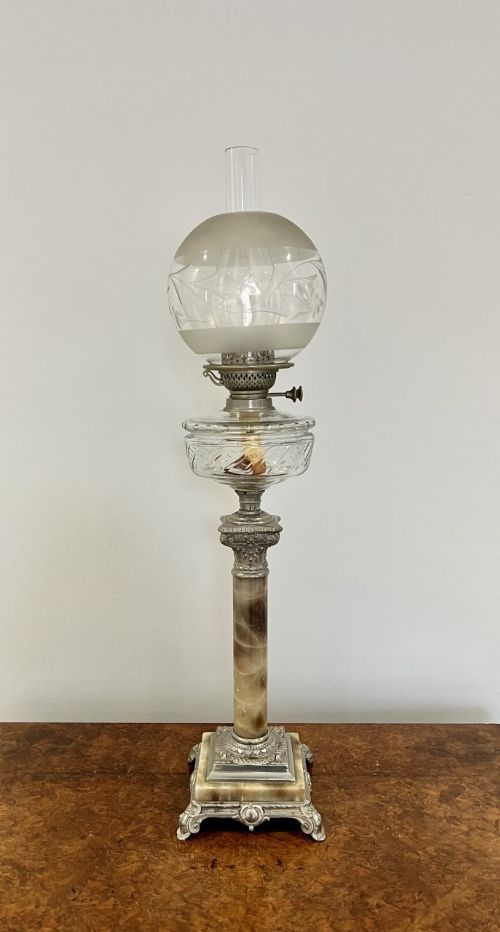
The most common examples on this page date from the Victorian and Edwardian periods, frequently taking the form of Corinthian columns or heavy cast bases. Alongside pure brass, many incorporate materials such as porcelain, marble, crystal, and ormolu to achieve a more ornate appearance.
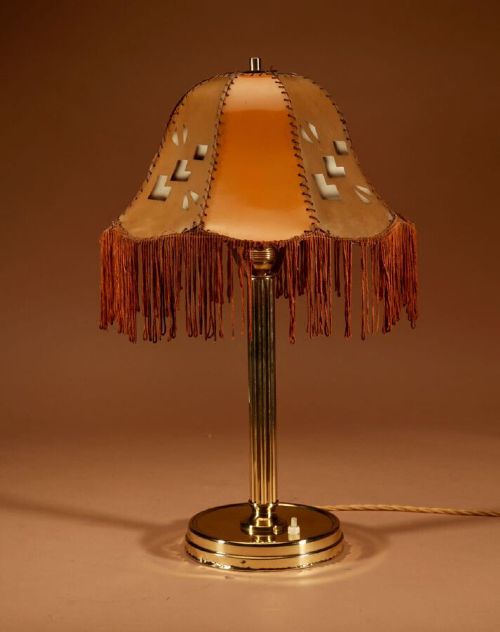
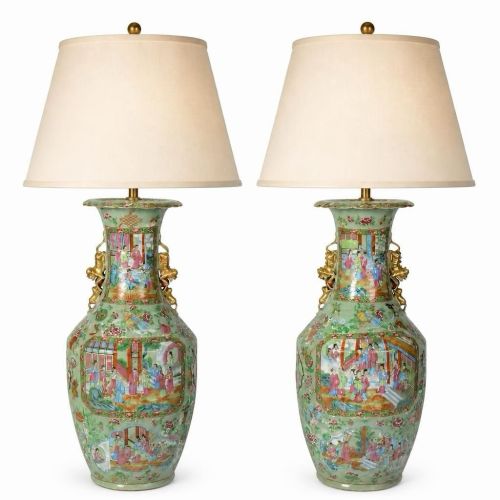
Designs span historical revivals, including Neoclassical, Rococo, and French Empire styles, alongside cleaner geometric lines from the Art Deco era. Makers also produced variations featuring Japanese bronze work, Chinoiserie motifs, and Kashmiri craftsmanship.
Materials and construction
Makers utilised cast and spun brass as the primary structural metal, frequently combining it with gilt bronze, copper, or ormolu for contrasting surface textures. Heavier bases often incorporate sections of white marble, onyx, or carved stone to add physical stability and visual weight.
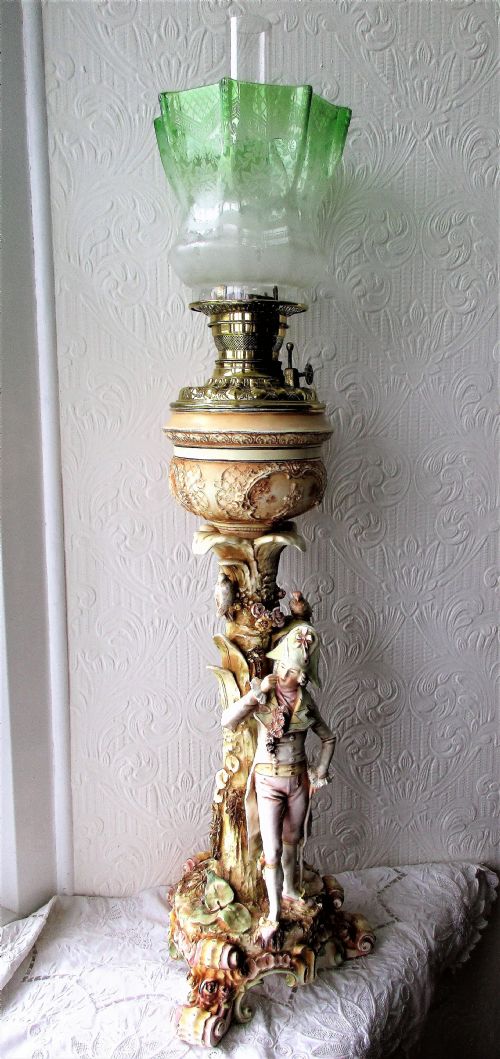
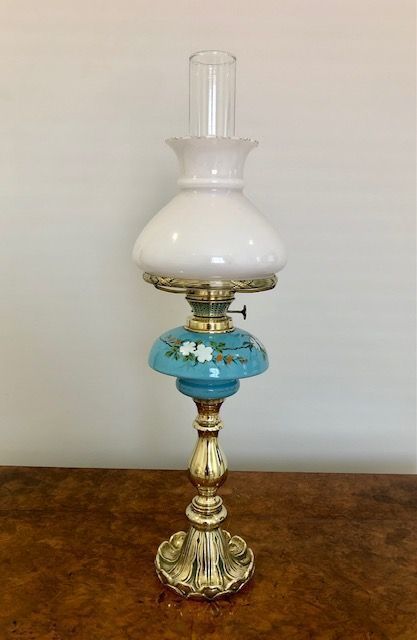
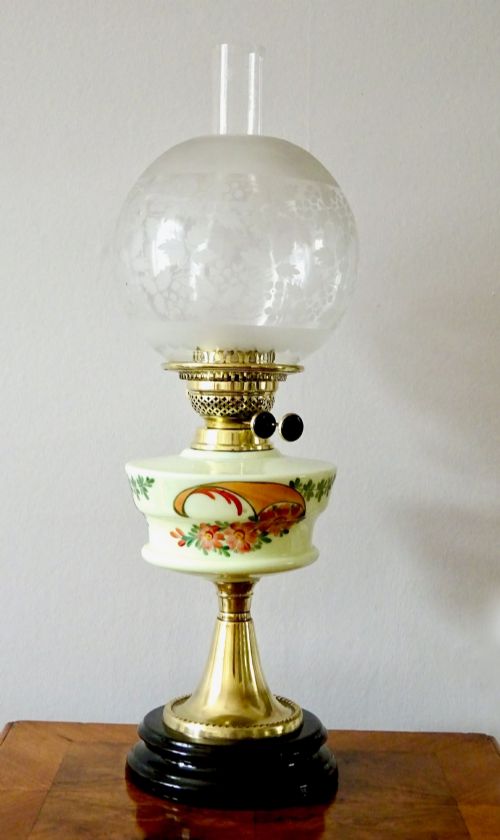
Many items began their functional lives as burning oil lamps with glass fonts, painted porcelain reservoirs, and etched or ruby glass shades before later conversion to electricity. Elaborate decorative accents involve champlevé enamelling, crystal glass drops, and detailed figural porcelain mounts.
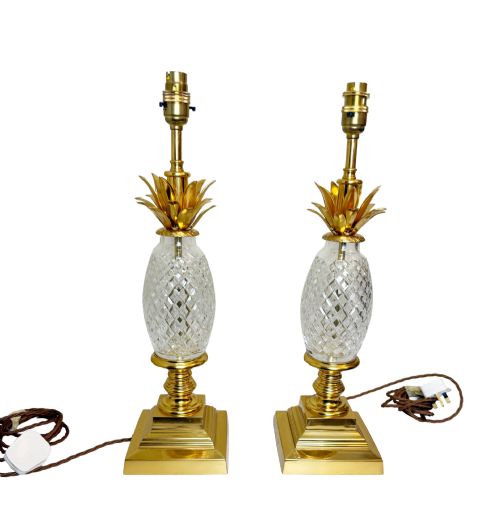
Pineapples appear carved in crystal and gilt bronze, bringing unexpected tropical symmetry to formal Edwardian interiors.
Judging the standard of manufacture
Quality rests upon the crispness of the casting work and the heft of the metal utilised in the base. Superior examples display sharply defined fluting on columns, cleanly chased ormolu details, and heavy gauge brass that resists flexing under pressure.
The integration of secondary materials defines the upper tier of pieces, such as flawless hand-painted porcelain reservoirs, heavy leaded crystal drops, and genuine period etched glass shades rather than modern replacements.
WAS Benson
The Decorative Brass Table Lamps Glossary
- Ormolu
- A gilded brass or bronze finish applied to decorative metal mounts using mercury or electroplating techniques. This treatment provides a rich golden lustre that resists tarnishing over decades.
- Champlevé
- An enamelling technique where troughs are dug into the surface of a metal object and filled with vitreous enamel powder before firing. It creates vibrant coloured patterns across bronze and brass components.
- Corinthian column
- A classical architectural column design featuring ornate acanthus leaves and scrolls carved into the capital. It forms a frequent structural motif for nineteenth-century lamp bases.
- Font
- The oil reservoir portion of a traditional lamp, typically manufactured from pressed glass, coloured porcelain, or polished brass. In converted pieces, this sits directly above the main pedestal.
- Table lustre
- A decorative ornamental glass or crystal candelabra hung with cut pendants. These items were frequently electrified and adapted for use as decorative table lamps.
Decorative Brass Table Lamps: Frequently Asked Questions
Were all these lamps originally electric?
Many examples on this page started life as burning oil lamps or candle stands before undergoing conversion to electricity during the twentieth century. This transition often preserves the original glass fonts, burners, and shades.
Original electrical wiring is uncommon on pieces dating from the Victorian and Edwardian eras. Most require professional rewiring to meet modern safety standards before regular daily use.
How do I identify a Victorian brass lamp?
Victorian models typically display heavier cast brass components, substantial marble or slate bases, and classical revival motifs such as fluted columns or Corinthian capitals. Makers from this era favoured robust construction methods and intricate surface chasing.
Comparing the patination and fixing methods helps distinguish nineteenth-century examples from later twentieth-century reproductions. Genuine period pieces show natural wear and consistent oxidation around joints and handling points.
What styles are most common?
Neoclassical and Victorian revival designs dominate the selection, heavily featuring Corinthian columns and ornate ormolu mounts. You also encounter French Empire influences alongside cleaner Art Deco geometric forms from the 1920s.
Occasional pieces incorporate Asian decorative arts, including Japanese bronze work, Chinoiserie patterns, and Kashmiri metalcraft. These diverse influences reflect the global trade and eclectic tastes of the late nineteenth and early twentieth centuries.
How should I clean antique brass?
Maintenance requires gentle dusting with a soft, dry cloth to prevent the accumulation of grit within detailed chasing and crevices. Avoid harsh chemical polishes that strip away the natural historical patination accumulated over generations.
If cleaning is necessary, use a mild soap solution and dry thoroughly immediately afterwards. Preserving the dark oxidation in recessed areas helps maintain the visual depth and authenticity of the metalwork.