






Decorative Brass Charger
These decorative brass charger plates span the Victorian era to the twentieth century, bringing intricate metalwork and diverse cultural motifs into modern interiors.
Decorative Brass Charger
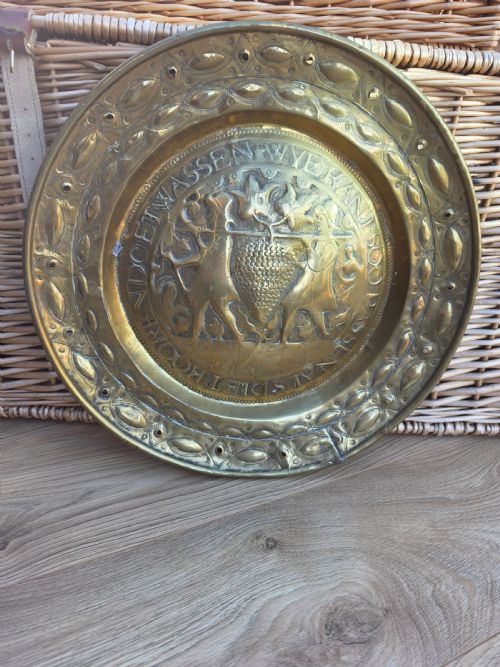
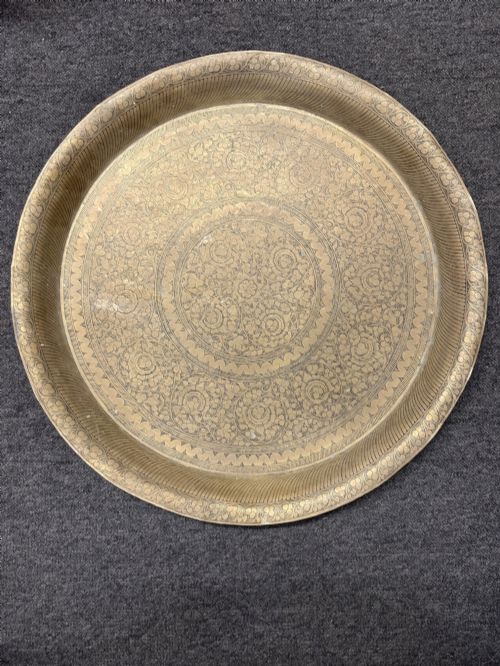
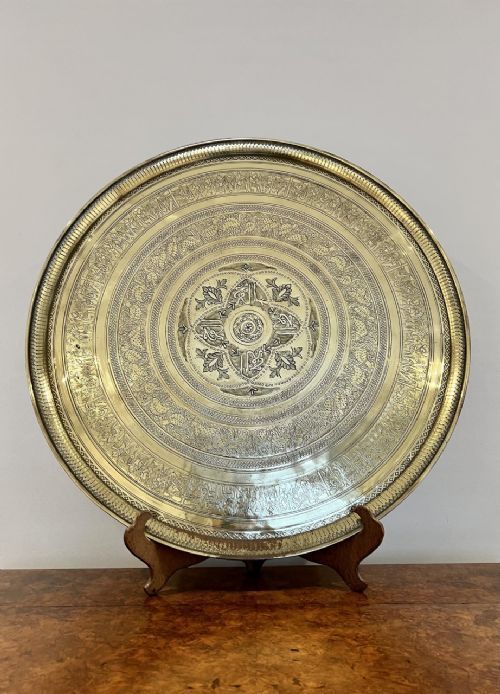
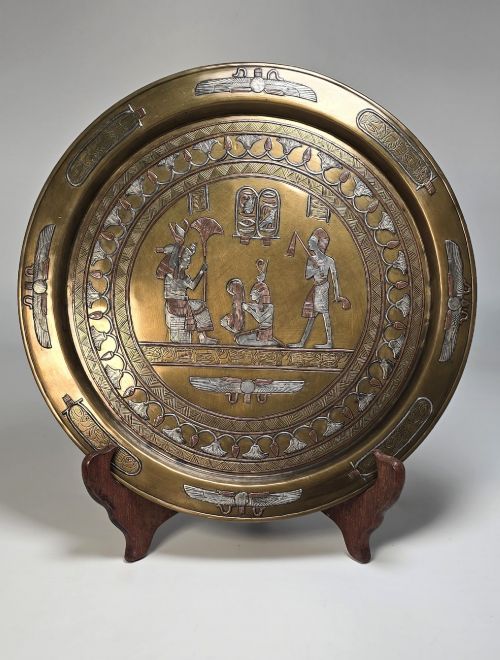
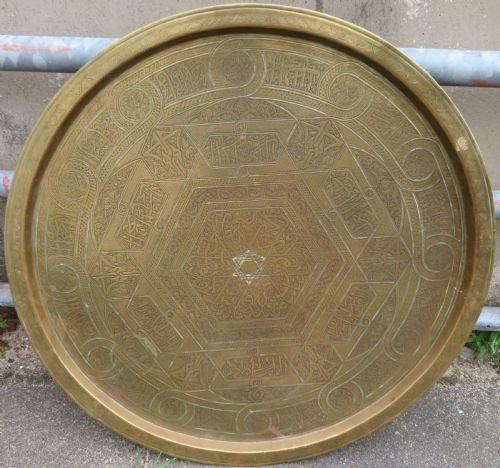
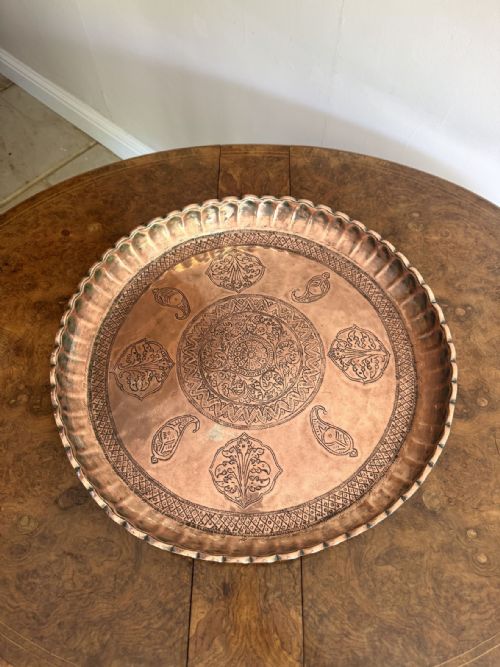
A decorative brass charger serves as a striking wall hanging or table centerpiece, drawing the eye with detailed metalwork and large circular formats. When searching for a decorative brass charger, buyers encounter pieces originating from nineteenth-century Britain, Meiji period Japan, and the Middle East.
How they were made
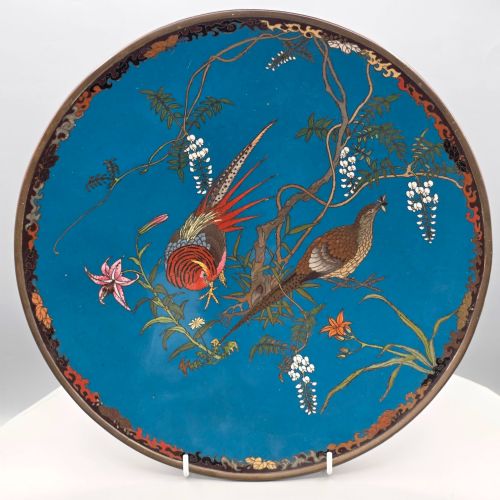
Artisans utilised base metals such as brass, copper, and bronze, frequently enhancing surfaces with silver inlay or vibrant cloisonne enamel. Hammered techniques and detailed hand engraving created textured foliate, animal, and figurative motifs.
Makers applied patinated finishes to copper and bronze substrates, while others incorporated mixed metal elements to add tonal contrast across the face of each charger.
Decorative Brass Charger Retail Price Guide 2026
Typical asking prices for decorative brass charger among the pieces listed under this phrase on Sellingantiques today, from the lower quarter to the upper quarter. They describe what is for sale here now, not the wider market.
Several chargers feature finely detailed frogs, beetles, and owls keeping permanent watch over floral scenes.
What varies in quality
Quality rests in the crispness of the hand engraving and the complexity of the metal inlay. Superior examples display dense, deliberate wirework in cloisonne pieces or deeply chiselled relief across brass and copper surfaces.
The weight of the metal and the subtlety of the patination distinguish workshop output, with finer items retaining sharp definition in intricate avian, floral, or geometric patterns.
The Decorative Brass Charger Glossary
- Charger
- A large ornamental plate or dish intended primarily for display rather than dining use. These substantial pieces frequently measure over thirty centimetres across.
- Cloisonne
- A technique where enamel paste is applied within compartments created by soldered wire on a metal base. Firing fuses the vitreous colours to the metal substrate.
- Cairo Ware
- Metalware originating from nineteenth-century Egypt, characterised by brass or bronze bodies inlaid with contrasting silver and copper geometric designs.
- Mixed Metal
- An artistic approach combining various metallic elements, such as bronze, brass, and copper, to achieve contrasting colour palettes within a single object.
- Repousse
- A metalworking method where the artisan hammers the material from the reverse side to form a raised design on the front.
Decorative Brass Charger: Frequently Asked Questions
How do I hang a heavy charger?
Heavy metal chargers require robust wall-mounting hardware that distributes the weight evenly across the rim. Adjustable spring-loaded plate hangers designed for large diameters provide secure support.
Ensure the fixing is anchored directly into a wall stud or uses appropriate masonry plugs to prevent slippage.
What is Cairo Ware?
Cairo Ware refers to nineteenth-century metalwork produced in Egypt, featuring brass or bronze vessels richly inlaid with silver and copper wire. These pieces draw on Islamic and Mamluk design traditions.
European travellers often acquired them during Grand Tours of the Middle East.
How should I clean antique brass?
Antique brass and copper benefit from gentle dusting with a soft, dry cloth to preserve existing patination. Aggressive chemical polishes remove the aged surface tones that collectors value.
Avoid moisture pooling in recessed engraved lines or cloisonne channels during maintenance.