
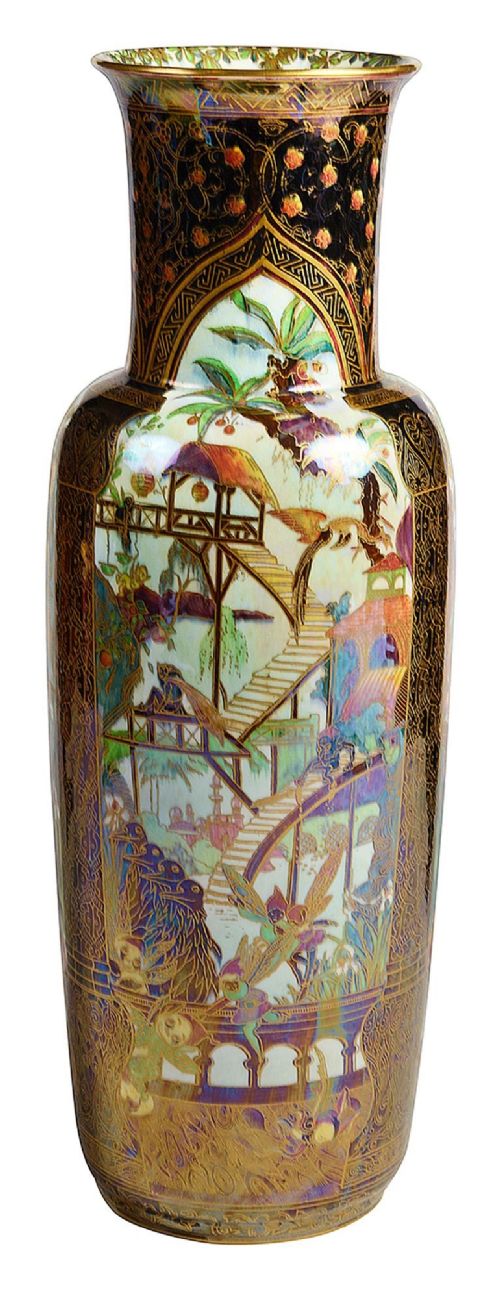
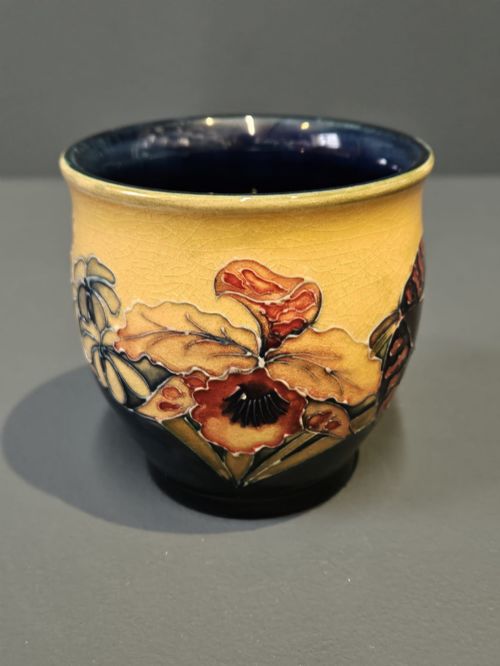
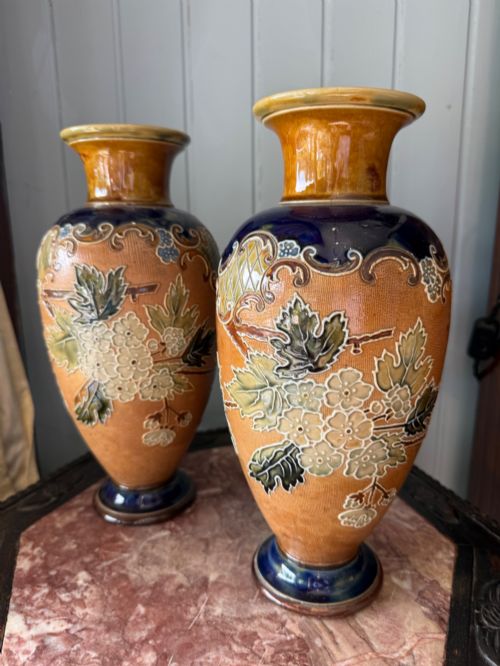
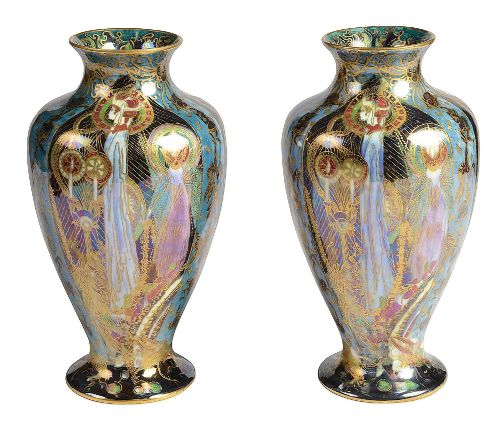
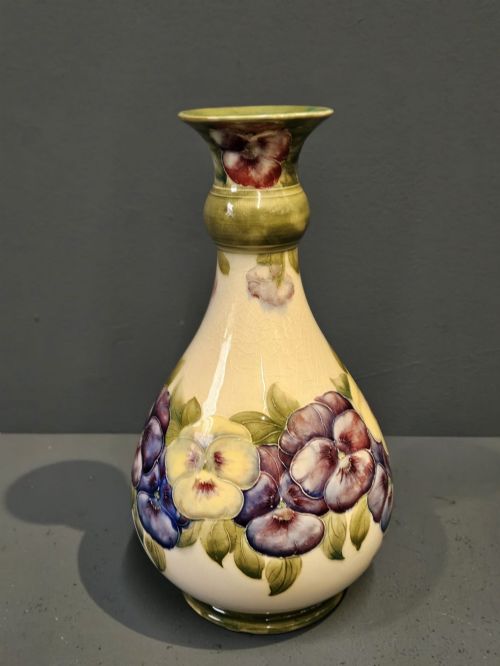
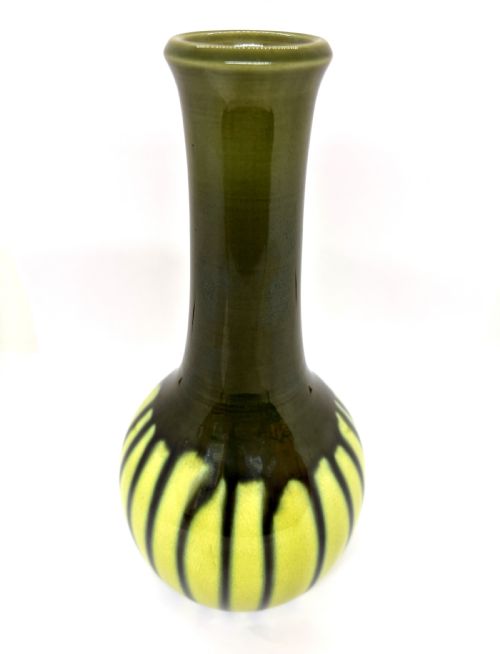
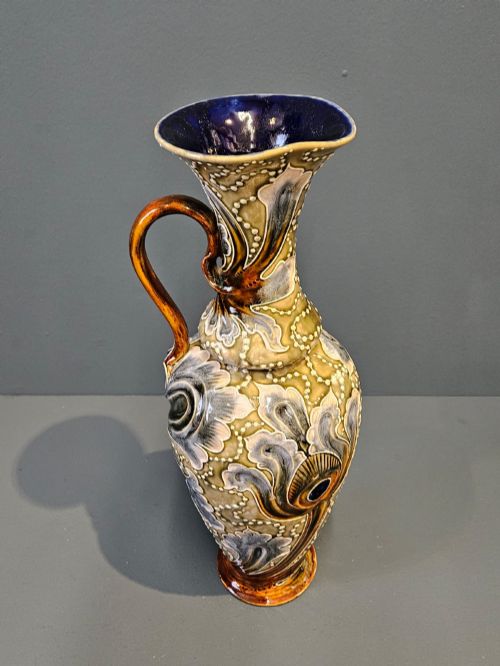
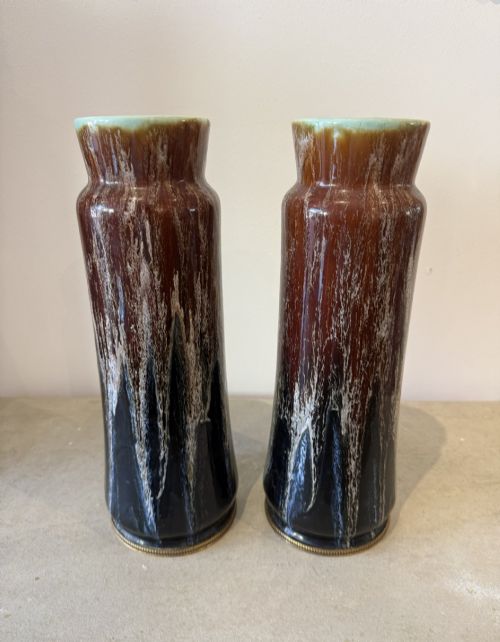
Decorative Art Pottery Vase
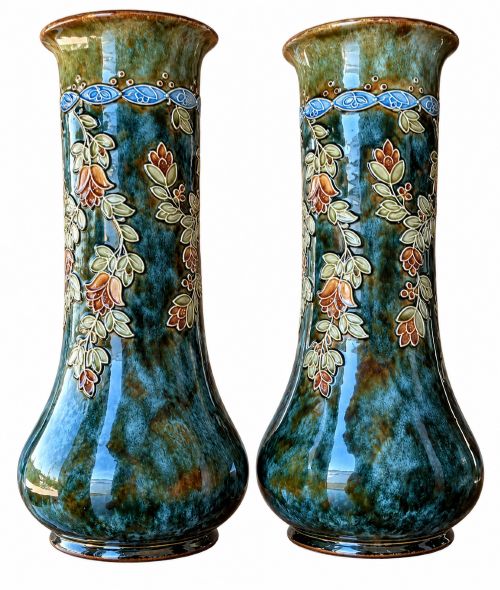
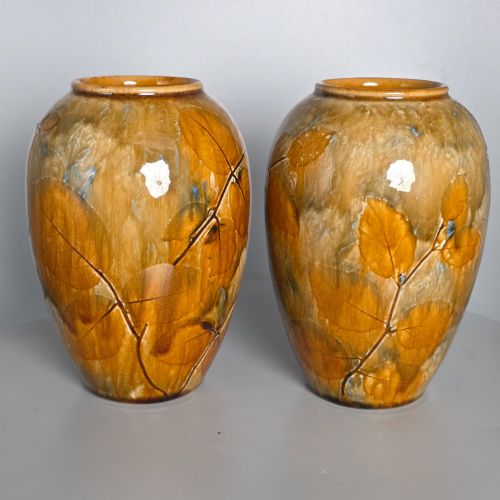
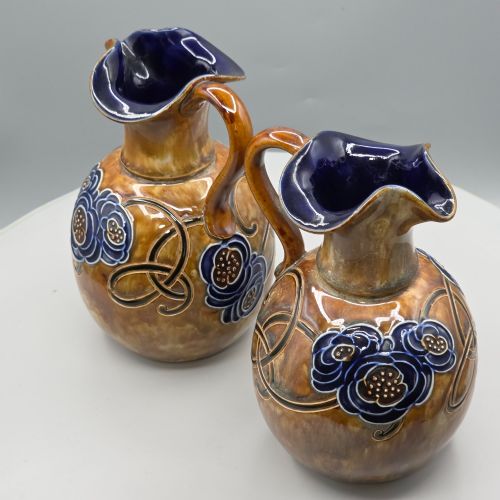
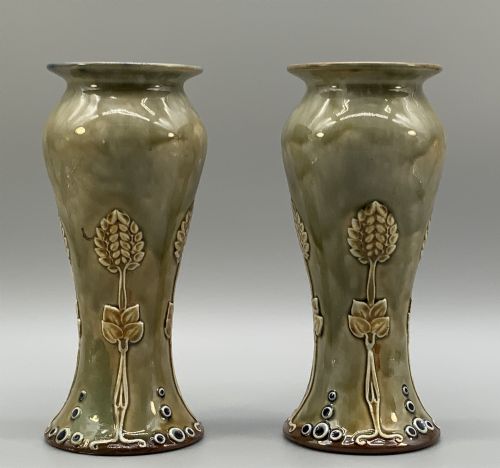
These decorative art pottery vases bring tactile weight and experimental surface design into a room through rich glazes and distinct period forms.
Decorative Art Pottery Vase
A decorative art pottery vase encompasses vessels shaped from earthenware, stoneware, and porcelain, frequently emerging from the late nineteenth and early twentieth centuries. Buyers search for these pieces to introduce organic motifs and varied ceramic textures into interior spaces.
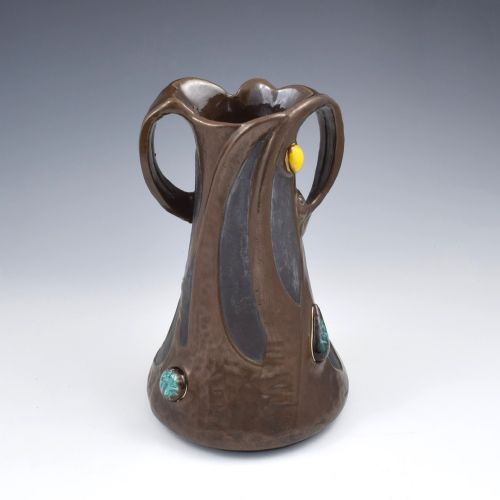
The selections span distinct historical movements, capturing the fluid lines of Art Nouveau alongside the geometric discipline of Art Deco and the handmade ethos of the Arts and Crafts tradition. Examples range from tall baluster profiles and twin-handled shapes to compact jugs and ewers.
Origin points stretch across English potteries, French studios, German workshops, and Japanese Satsuma or Kutani kilns. Stoneware creations from Doulton Lambeth appear frequently alongside colourful porcelain and glazed earthenware.
Materials and technique
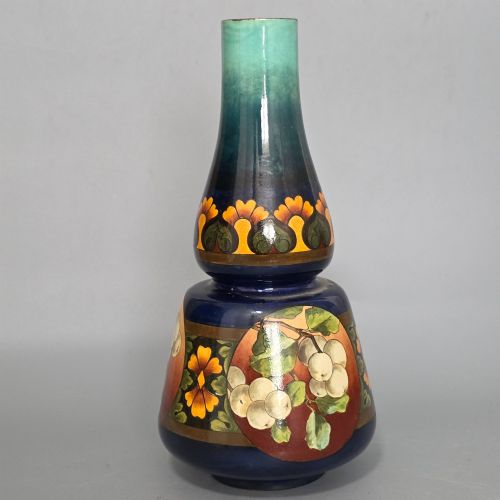
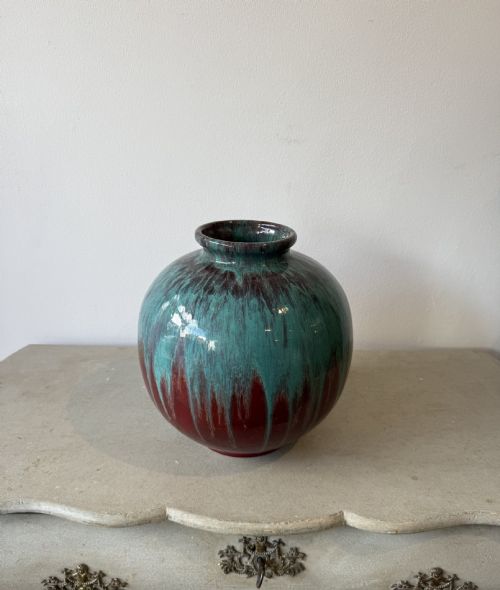
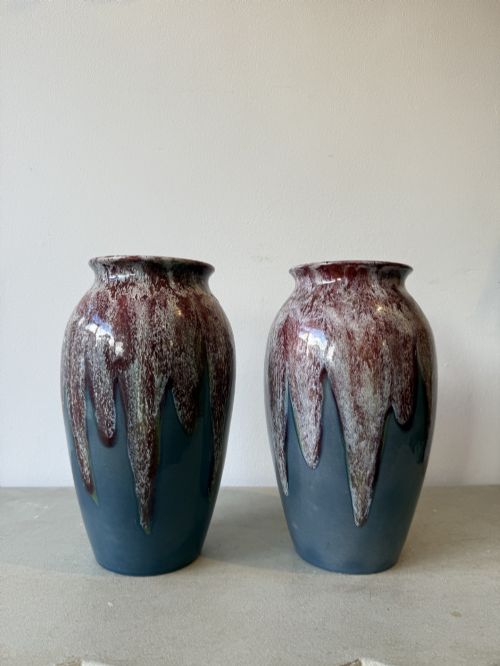
Potters shaped these bodies primarily from earthenware, stoneware, and porcelain, applying glazes that run from high-gloss lustres to matte finishes. Many incorporate decorative relief work, slip trailing, and hand-painted pigments directly onto the clay.
Specialised techniques include the application of gold leaf, enamel detailing, and copper effects with jewelled cabochons. Firing methods dictated the final interaction between the glaze and the underlying ceramic body, yielding unpredictable tonal depths.
Listings feature works spanning the Victorian era through the Art Deco period, utilising earthenware, stoneware, and porcelain.
Quality differences
The standard of a piece rests upon the ambition of its surface design and the crispness of its moulded or incised relief. Superior examples display confident hand-painted execution and deliberate glaze reactions rather than flat, uniform colour.
Signed works associated with named ceramic artists or specific studio potteries demonstrate a higher degree of individual craftsmanship. The harmony between the vessel form and its decorative scheme dictates the overall presence of the object.
Royal Doulton·Doulton Lambeth·William Moorcroft·Minton·Boch Freres·Mettlach Pottery·Bretby Pottery
The Decorative Art Pottery Vase Glossary
- Stoneware
- A robust, vitrified ceramic fired at high temperatures until non-porous. It accepts dense glazes and sharp surface incising exceptionally well.
- Baluster
- A vertical vase form characterised by a rounded lower body that tapers upward to a narrow neck. This shape provides a stable canvas for expansive floral or abstract patterns.
- Earthenware
- A porous pottery body fired at lower temperatures which requires a glazed surface to hold liquids. It forms the base for many brightly enamelled decorative wares.
- Ewer
- A large jug with a wide spout and looped handle, originally intended for pouring water but frequently produced purely for display. These forms often showcase elaborate Art Nouveau handles.
- Lustre
- A metallic or iridescent glaze finish that reflects light in shifting rainbow hues. It relies on a specialised reduction firing process to deposit microscopic metallic films.
Decorative Art Pottery Vase: Frequently Asked Questions
How do I display these vases safely?
Place these ceramic vessels on stable, level surfaces away from heavy foot traffic where accidental knocks might occur. Keep them out of direct, prolonged sunlight to protect hand-painted enamel and gilded surfaces from fading over time.
Allow adequate clearance around tall baluster shapes or ewers so their handles and rims remain uncrowded. Avoid placing them near direct heat sources that could stress older earthenware bodies.
Were these vases meant for flowers?
Many of these vessels were created strictly as decorative display pieces rather than functional flower holders, particularly those featuring delicate lustres or intricate slip work. The presence of narrow necks or complex handles often indicates an ornamental purpose.
Some robust stoneware and earthenware jugs and vases can hold water, but checking the interior glaze for stability is wise before introducing moisture. Using a small glass insert protects the historic interior from mineral deposits.
How do I distinguish Art Nouveau from Art Deco?
Art Nouveau designs, common around nineteen hundred, favour asymmetrical flowing lines, whiplash curves, and organic plant motifs. The palette frequently draws from muted autumnal tones or natural earthy shades.
Art Deco pieces, emerging strongly by nineteen thirty, lean toward geometric symmetry, clean angles, and stylised patterns. The colours in these later works tend to be sharper and more contrasting.
What is the difference between earthenware and stoneware?
Earthenware is fired at lower temperatures, leaving the underlying clay porous and slightly softer. It requires a complete glaze coating to become watertight and forms the base for many brightly coloured decorative pieces.
Stoneware undergoes high-temperature firing until the clay vitrifies into a dense, non-porous material. This creates a heavier, more durable vessel that naturally resists liquid absorption even without internal glaze.