


Decorative Porcelain Statue
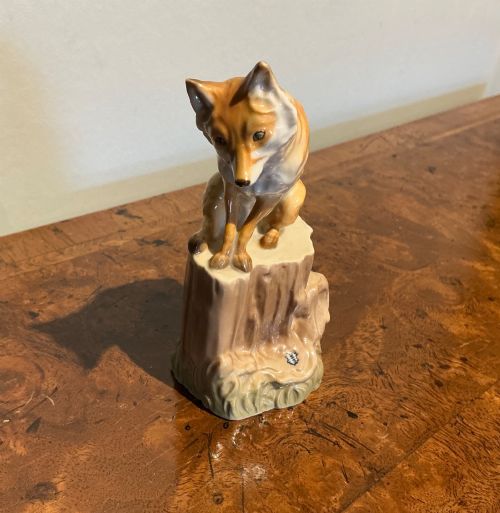
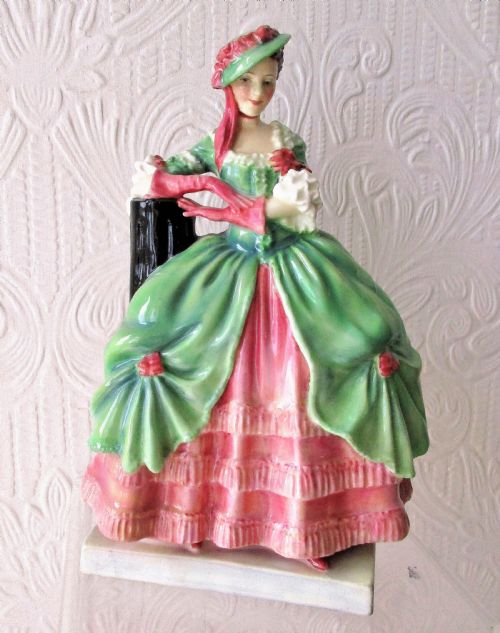
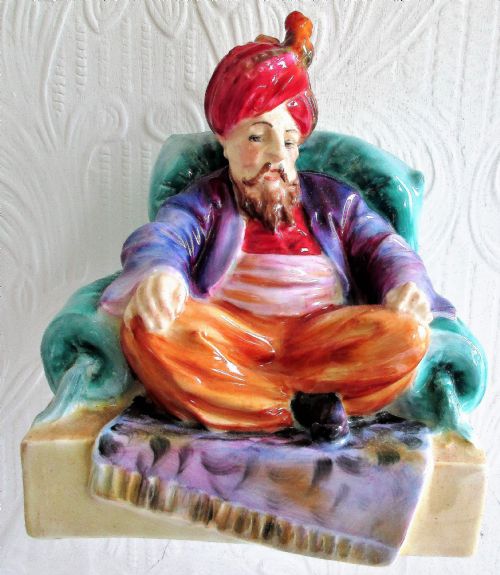
These decorative antique porcelain statue pieces bring sculptural form and coloured glaze into a room, spanning European workshops and Asian dynasties.
Decorative Porcelain Statue
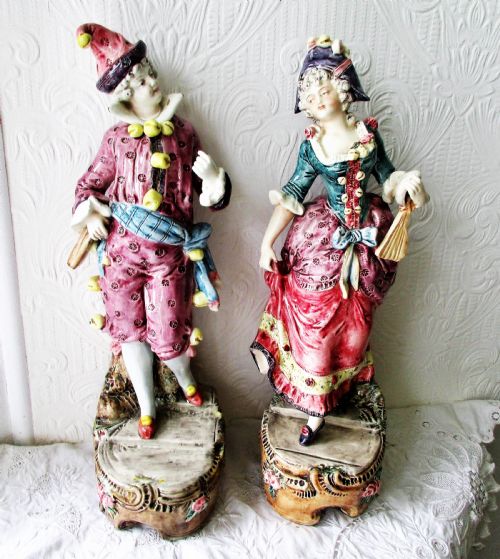
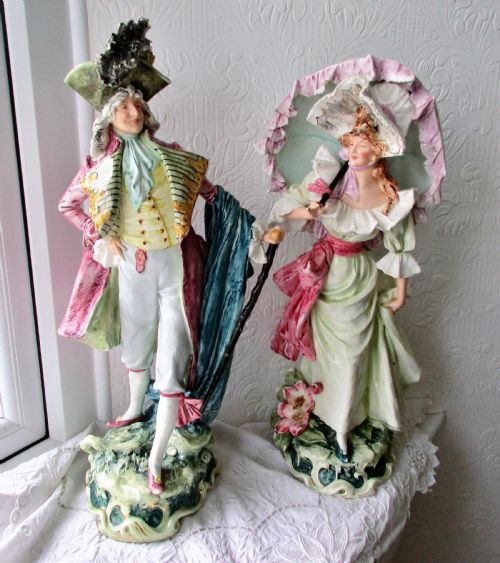
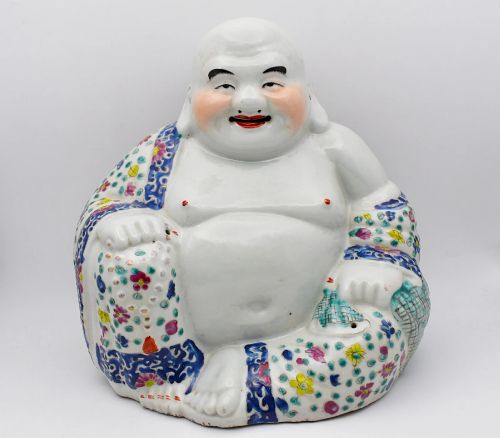
Most examples originate from prominent European factories such as Meissen, Royal Dux, and Royal Worcester, alongside French earthenware and Chinese Famille Rose productions. Figures range from modest tabletop ornaments to large, fifty-centimetre display centrepieces.
Materials and methods
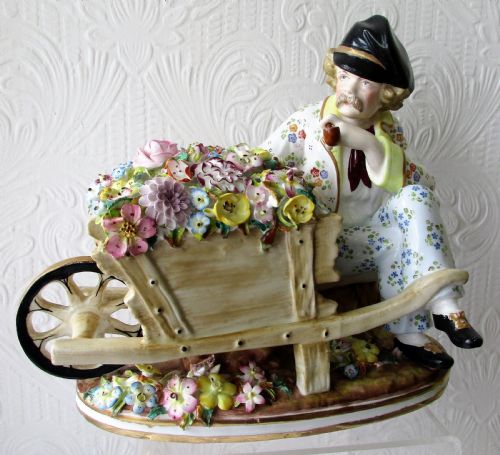
Many items utilise slip casting or press moulding in sections before careful assembly and kiln firing. Fine detailing on hair, lace, and flora was often modelled by hand before the final firing process.
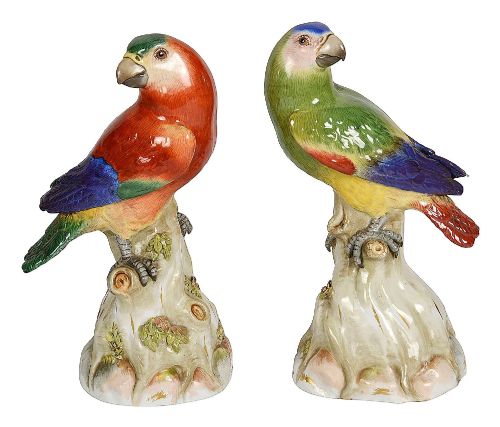
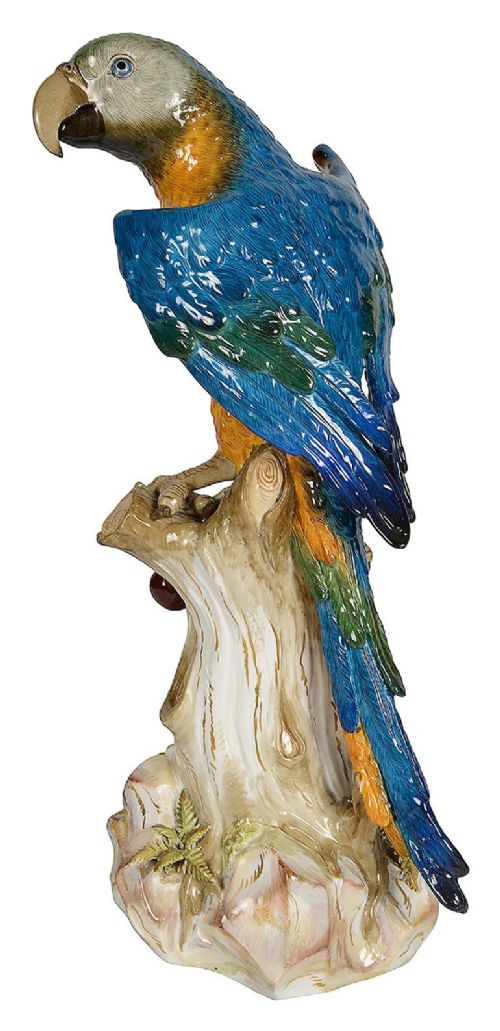
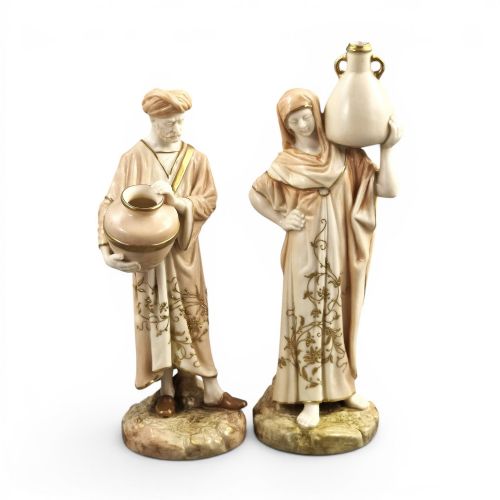
Parrots and laughing Buddhas share shelf space with eighteenth-century water carriers and dramatic Victorian birds.
Markers of quality
Quality rests in the crispness of the modelling and the precision of the hand-painted enamels, where finer works display expressive faces and delicate drapery. Crisp leaf details and cleanly cast extremities separate superior figures from softer, later recasts.
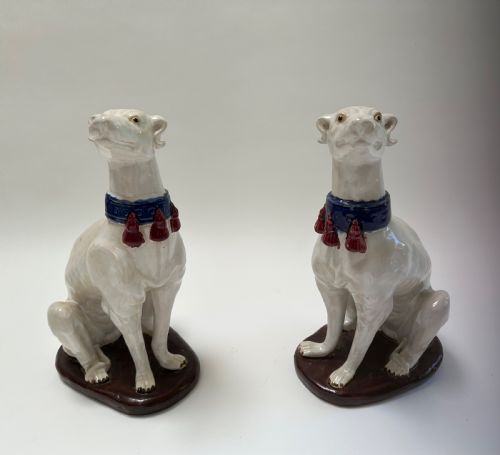
The sophistication of the glaze work and the presence of clear factory marks or artist signatures indicate higher manufacturing standards. Larger scale pairs and ambitious multi-figure groups generally demand greater technical skill from the potter.
Meissen·Royal Worcester·Royal Dux·Samson Paris·John Bevington·Royal Doulton
The Decorative Porcelain Statue Glossary
- Biscuit porcelain
- Unglazed porcelain fired to a matte, white finish. This porous material highlights fine sculptural detail without the glossy shine.
- Bisque
- Another term for unglazed ceramic or porcelain ware. It provides a tactile, smooth surface often seen on nineteenth-century figures.
- Faience
- Tin-glazed earthenware produced in France and other European regions. It offers an opaque white background for painted decoration.
- Famille Rose
- A Chinese porcelain palette dominated by opaque pink enamel introduced in the eighteenth century. This style depicts flora, fauna, and human figures.
- Okimono
- A Japanese decorative freestanding carving or figure meant for display. These objects showcase intricate craftsmanship in materials like Satsuma ware.
- Parian
- A fine-grained white unglazed porcelain resembling carved marble. Victorian makers utilised this body primarily for portrait busts and classical sculptures.
Decorative Porcelain Statue: Frequently Asked Questions
What is a piano baby?
These figures are small porcelain or bisque infants depicted in reclining or crawling poses. Victorians placed them on the piano top to hold back silk shawls.
They gained popularity in the late nineteenth century and were produced extensively in Germany and across Europe for domestic display.
Are these figures marked?
Many pieces feature painted, impressed, or incised factory marks on the underside. These stamps and numbers help identify the workshop and production period.
Some smaller or continental pieces rely on distinctive styling and body composition rather than a clear stamp for attribution.
Where were these statues displayed?
Owners placed these figures on mantelpieces, drawing room tables, and specialised pedestals as conversation pieces. Larger pairs often anchored the ends of a sideboard or decorated a central dining table.
They served to demonstrate the refined taste and cultural interests of the Victorian or Edwardian household.