




Decorative Accent Wall Mirror
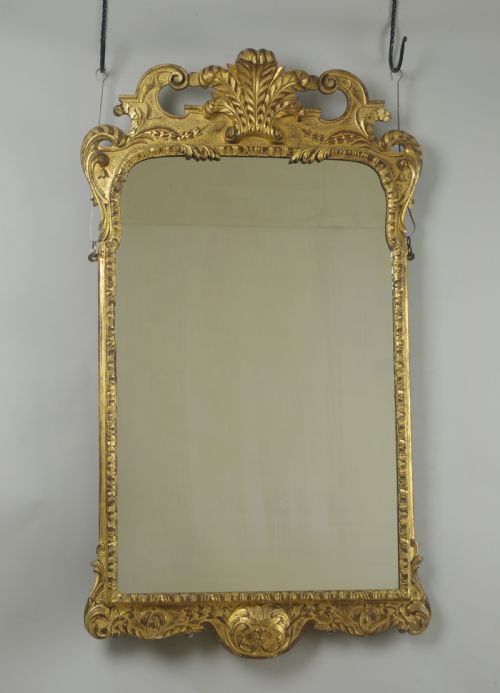
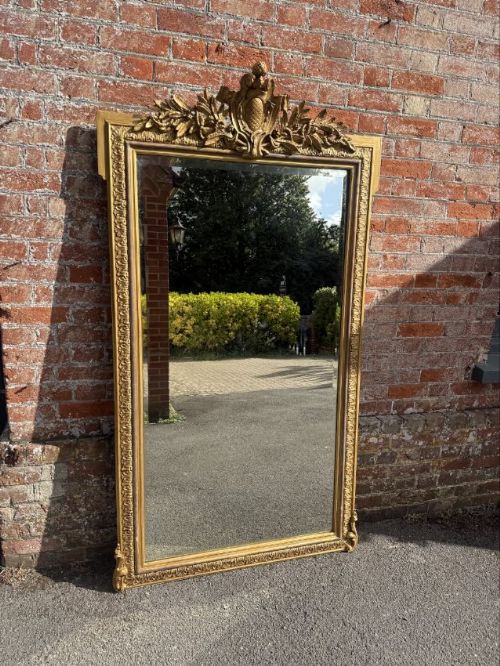
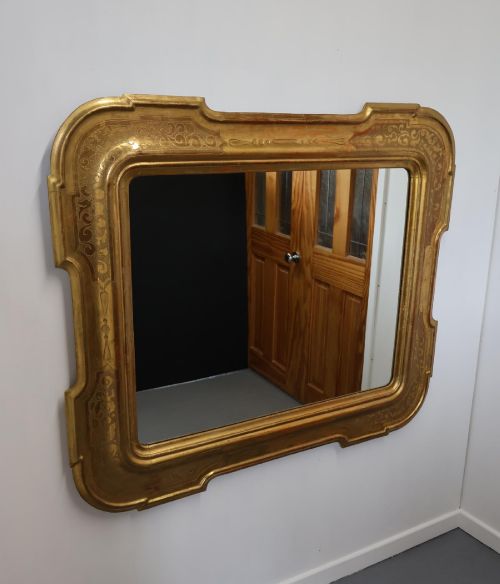
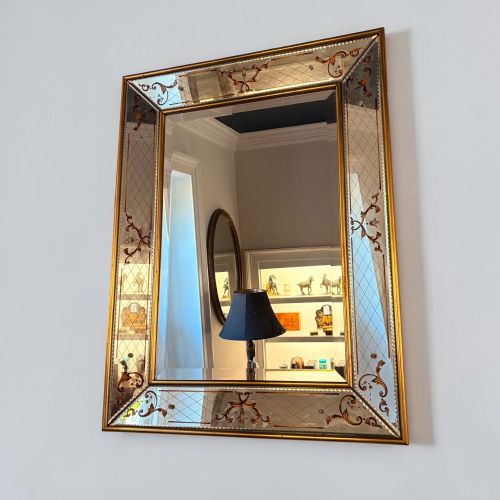
A decorative accent wall mirror brings light and form to a room through carved wood, gilt, and glass.
Decorative Accent Wall Mirror
A decorative accent wall mirror is a functional piece that reflects light while serving as a primary focal point on a room's surface. Buyers searching for a decorative accent wall mirror encounter various historical styles ranging from the eighteenth century to the mid-twentieth century.
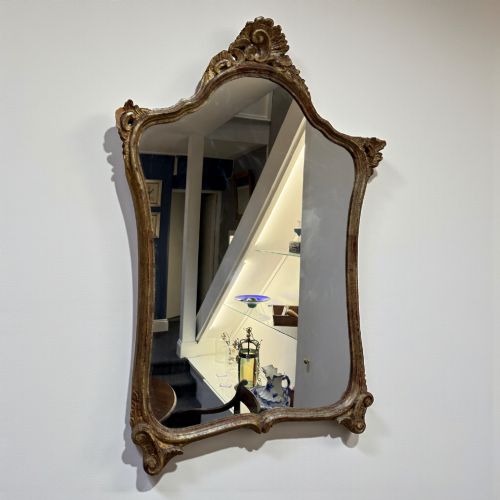
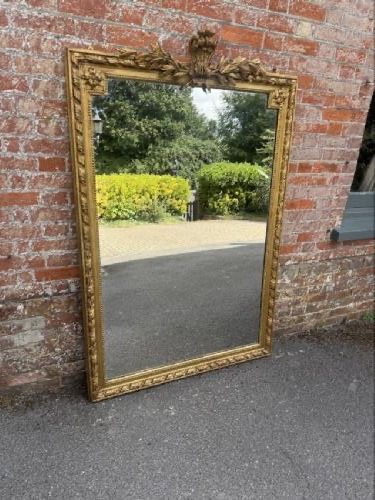
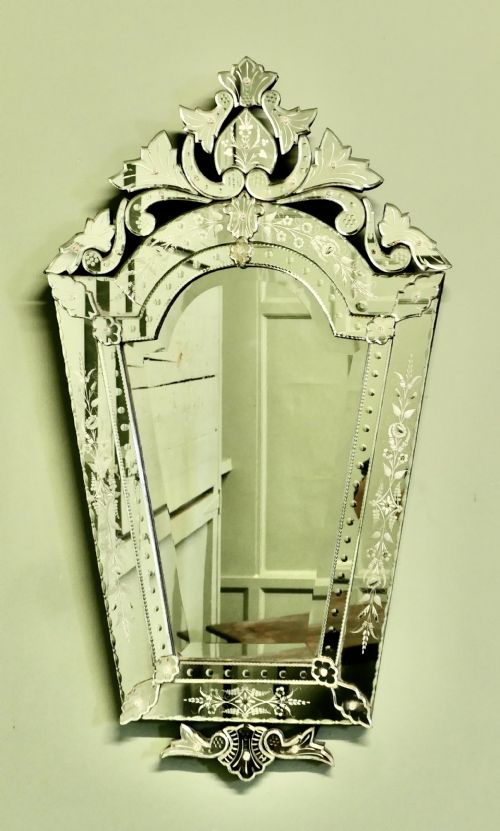
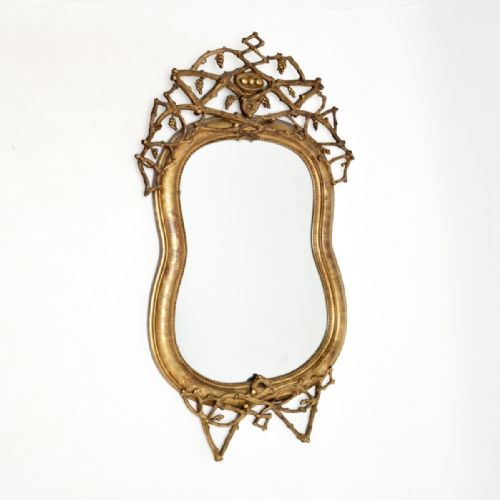
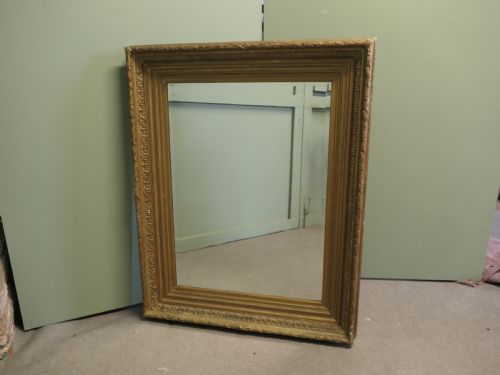
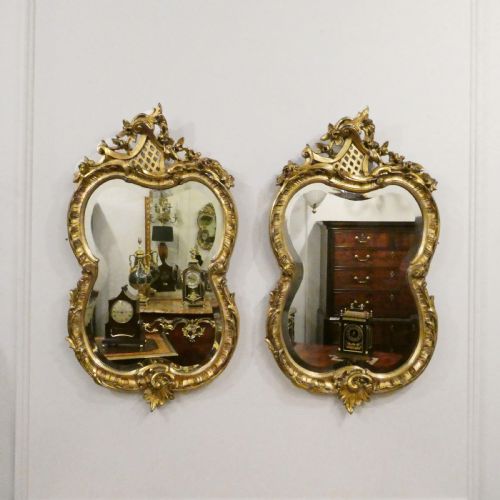
The selection includes pieces spanning the Victorian era, Art Deco period, and earlier revivals such as Rococo and Baroque. Forms vary from simple oval and rectangular wall hangings to grand pier glasses with shelves and carved frames.
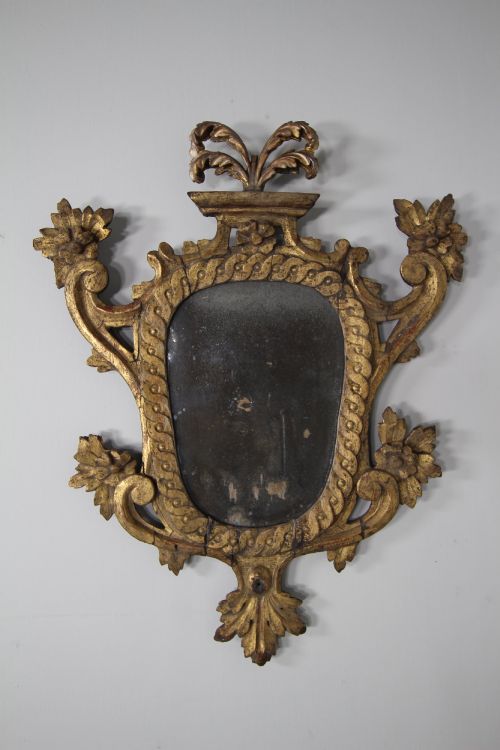
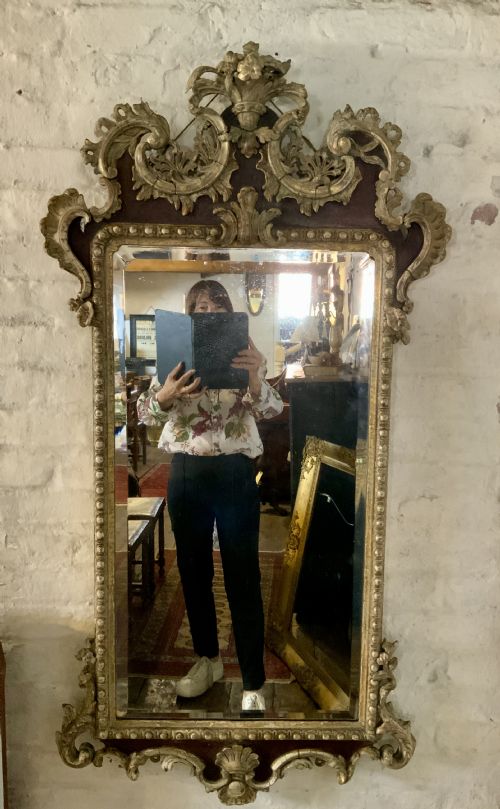
Italian and French origins dominate the available items, alongside English walnut and giltwood examples. These objects incorporate traditional motifs including ribbons, bows, shells, and intricate floral carvings.
Materials and Techniques
Frames are constructed primarily from wood such as walnut or pine, then layered with gesso to receive intricate carved details. Artisans applied gold leaf, gilt, or paint to achieve the luminous metallic and coloured finishes seen across the pieces.
Mirror glass plates are set within these ornate structures, sometimes featuring hand-engraved designs or aged patination. Additional media include brass, copper set with cabochons, velvet upholstery, and painted silk panels.
Listings feature items from the eighteenth century through to the Art Deco period, with a strong presence of nineteenth-century French and Italian giltwood pieces.
Assessing Quality
Quality rests in the depth and crispness of the hand-carved wood and gesso ornamentation. Superior examples show precise execution in rococo scrolls, ribbon motifs, and gilt application without loss of definition.
The integrity of the original mirror plate and the harmony between the frame and the glass determine the overall merit. Finer pieces maintain their original gilding and structural joins across centuries of use.
The Decorative Accent Wall Mirror Glossary
- Giltwood
- Wood that has been coated with gold leaf or a gold-coloured finish. This material creates the bright reflective surface characteristic of many antique frames.
- Pier glass
- A tall mirror designed to be hung on the narrow pier of wall between windows. These often include consoles or shelves underneath.
- Gesso
- A plaster-like mixture applied to wood frames to provide a smooth base for carving and gilding. It allows for the creation of sharp, ornate relief details.
- Cartouche
- An ornamental tablet or frame resembling a rolled-up piece of paper with scrolled edges. This shape frequently defines the outline of mid-nineteenth-century French mirrors.
- Cabochon
- A polished, convex gemstone or ornamental glass set without facets into metalwork. These appear on Arts and Crafts metal frames.
- Parcels gilt
- An object or frame partially gilded with gold leaf while other areas reveal the natural wood underneath. This technique highlights specific carved details.
Decorative Accent Wall Mirror: Frequently Asked Questions
How do I hang a heavy antique wall mirror safely?
Heavy carved wood and gilt frames require secure wall fixings distributed evenly across the structure. Professional installation into brickwork or wall studs ensures the weight is supported safely.
Avoid relying on simple picture wire for large pier glasses or substantial nineteenth-century frames. Using appropriate brackets protects both the frame and the wall.
What is a pier glass mirror?
A pier glass is a tall, narrow mirror historically placed on the wall space between two windows. These pieces often feature integrated console shelves underneath for decorative objects.
They were designed to bounce natural daylight further into grand period rooms. Today they function effectively above mantelpieces or in entrance hallways.
How do I clean antique mirror glass?
Clean antique mirror glass gently with a soft microfiber cloth and a mild, ammonia-free solution. Spray the liquid onto the cloth rather than directly onto the glass to prevent moisture seeping behind the plate.
Exercise caution around the edges of the glass and the surrounding gilt frame. Older silvering can be delicate and easily damaged by harsh chemicals.
How can I tell a Rococo revival mirror from an original?
Rococo revival pieces from the nineteenth century display exuberant asymmetrical scrolls and shell motifs inspired by eighteenth-century designs. Examining the construction methods, wood ageing, and backboards helps distinguish the exact period of manufacture.
Revival mirrors often exhibit heavier gesso work and machine-assisted joinery compared to earlier hand-built originals. Comparing the back fixings and glass bevelling also provides clues to the date.