


French Gilt Hallway Mirror
A French gilt hallway mirror brings immediate light and scale to an entrance, combining ornate gilding with practical reflection.
French Gilt Hallway Mirror
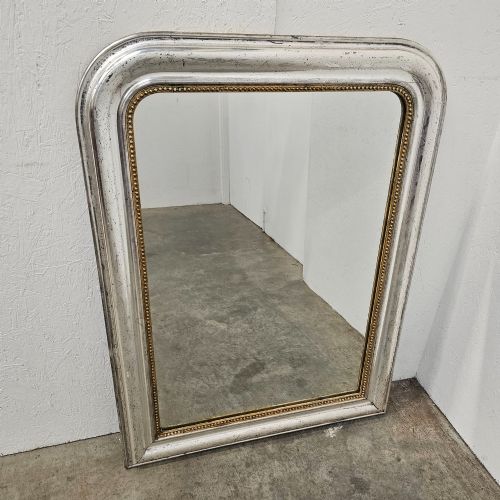
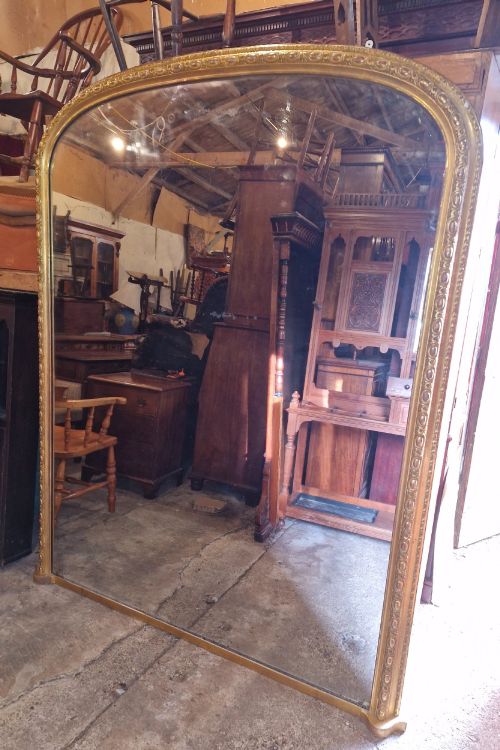
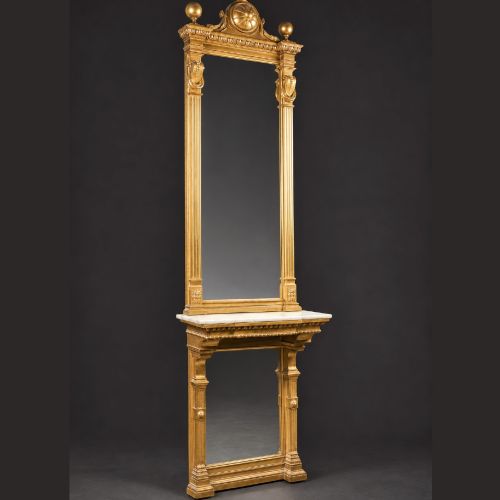
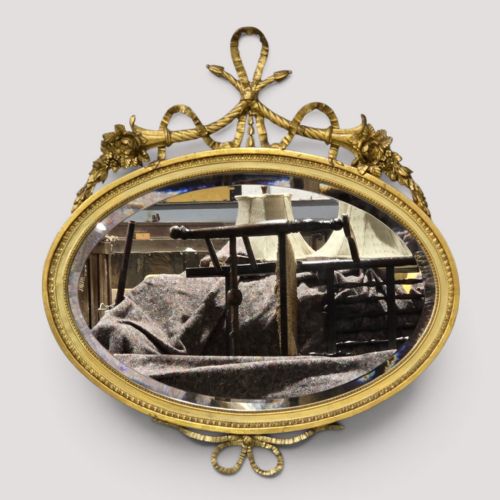
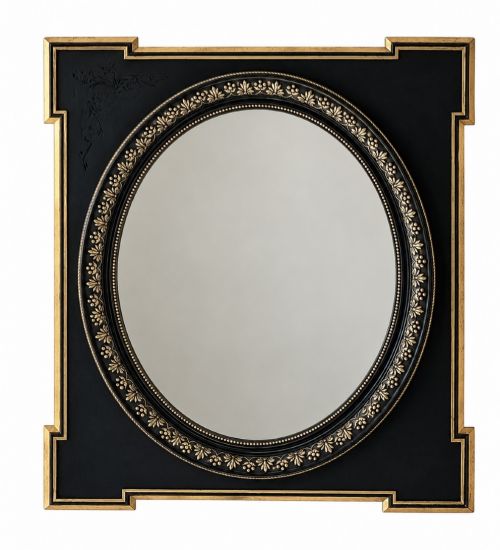
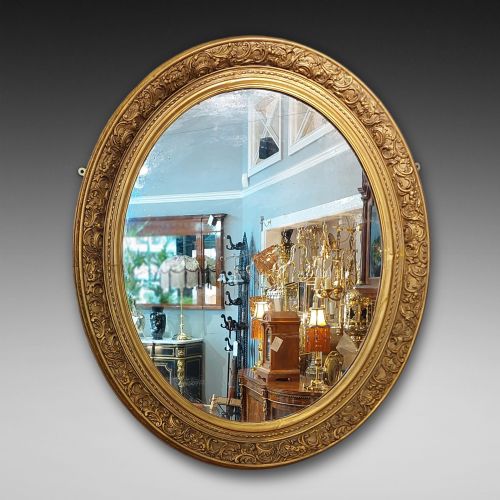
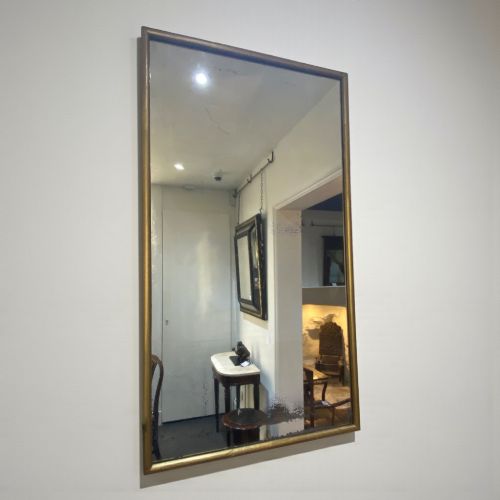
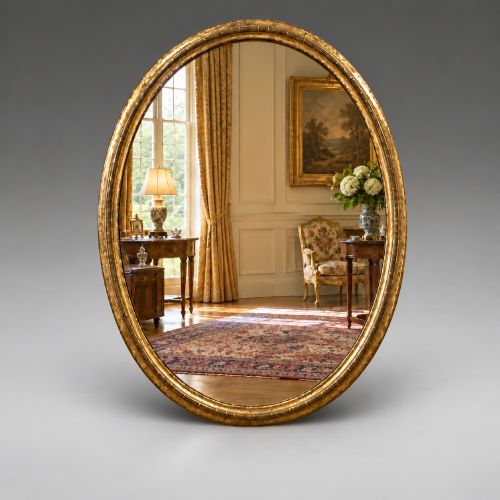
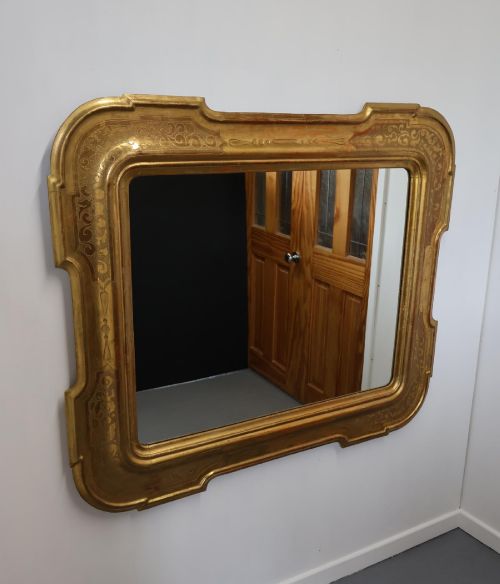
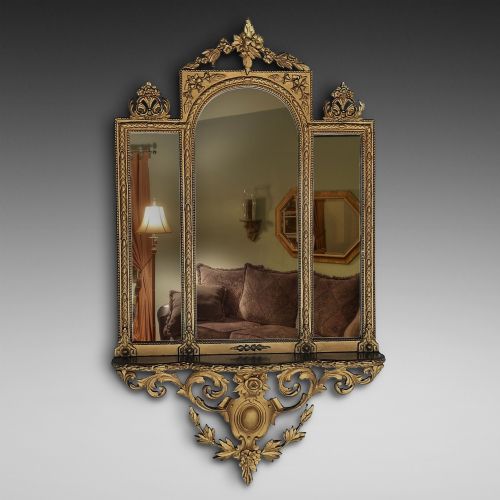
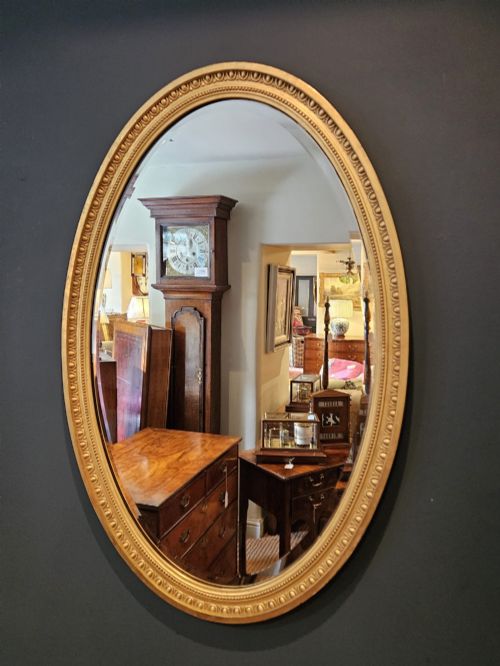
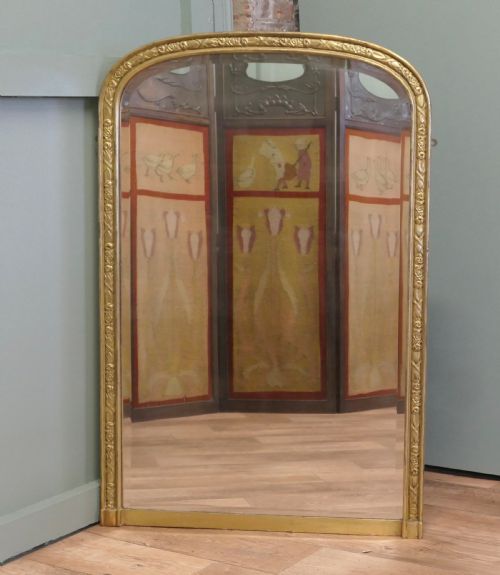
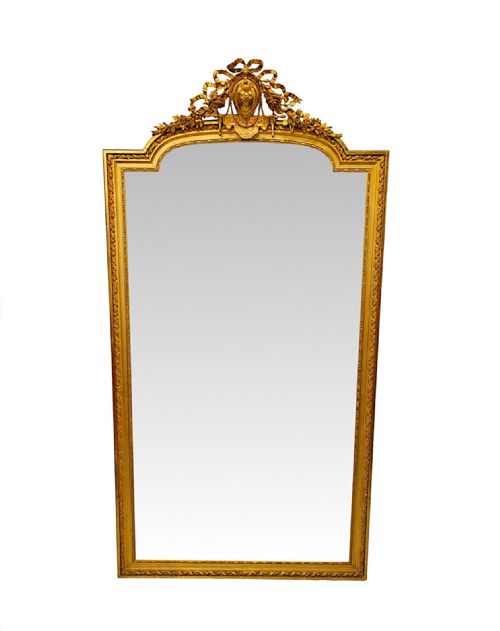
When you hunt for a French gilt hallway mirror, you encounter pieces primarily spanning the nineteenth century, including Victorian interpretations and specific decades like eighteen-ninety and nineteen-ten. The selection ranges from tall pier mirrors and console combinations to neat arched wall plates and oval formats.
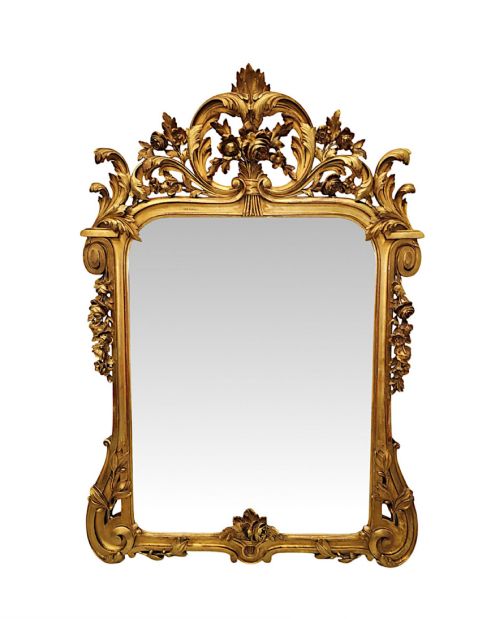
Makers and designers drew upon distinct movements, producing Rococo Revival, Neoclassical, Louis Philippe, and Empire style mirrors alongside later Art Deco circular designs. These objects served to illuminate narrow spaces and project status upon entering a home, functioning both as optical instruments and architectural ornaments.
The most frequent configuration on this page is the nineteenth-century wall-hanging mirror finished in gold leaf or composition, often paired with marble-topped console tables. They range from modest oval shapes to large pier glasses designed to stand between tall windows or along entrance passages.
Materials and Construction
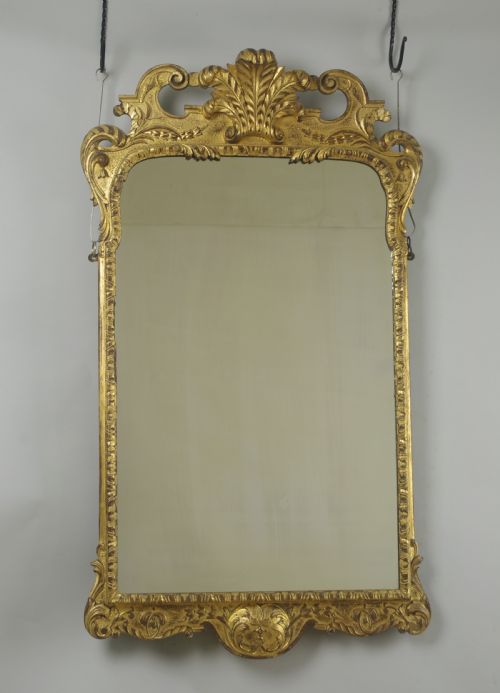
Craftsmen built the underlying structures from timber, such as burr walnut or general wood, applying layers of gesso to create smooth surfaces for enrichment. Artisans then laid gold leaf or applied gilt finishes over the prepared frames, frequently incorporating carved decorative details typical of French chateau or neoclassical aesthetics.
Glazing involved heavy mirror glass, sometimes featuring bevelled edges that caught the light differently than modern float glass. Frames ranged from straightforward ripple mouldings to deeply carved giltwood and plaster compositions displaying shield, oval, or rectangular silhouettes.
French Gilt Hallway Mirror Retail Price Guide 2026
Typical asking prices for french gilt hallway mirror among the pieces listed under this phrase on Sellingantiques today, from the lower quarter to the upper quarter. They describe what is for sale here now, not the wider market.
Listings feature periods from the nineteenth century through the nineteen-thirties, using glass, giltwood, gesso, marble, and wood.
Distinctions in Quality
Quality rests upon the crispness of the original carving and the integrity of the gilding, distinguishing hand-applied gold leaf from heavier composition mouldings that may lack fine definition. The depth and clarity of the mirror glass itself play a substantial role, as does the survival of original bevels and mercury silvering backing.
Structural cohesion between the frame and the glass, alongside matching console tables where applicable, marks the difference between standard domestic pieces and superior examples. Retaining original surfaces without heavy over-gilding preserves the historical honesty that collectors value.
The French Gilt Hallway Mirror Glossary
- Giltwood
- Timber that has been coated with gold leaf or a gold-coloured finish. This method provides the characteristic metallic brilliance seen on traditional frames.
- Gesso
- A plaster-like mixture applied to wood frames to create a smooth surface for gilding and relief carving. It allows for intricate decorative mouldings.
- Pier Mirror
- A tall mirror specifically designed to hang on the wall space between two windows, often placed above a matching console table.
- Louis Philippe
- A mid-nineteenth-century French style characterised by understated elegance, simple architectural lines, and subtle curves rather than excessive ornamentation.
- Bevelled Glass
- Mirror glass with angled edges cut and polished to a thinner width around the perimeter. This catches light at multiple angles.
French Gilt Hallway Mirror: Frequently Asked Questions
Where should I hang a pier mirror?
Pier mirrors work best in narrow spaces such as hallways, entryways, or between windows where they reflect ambient light.
Their tall vertical proportions naturally draw the eye upward, making smaller rooms feel significantly more expansive.
How do I identify a Louis Philippe mirror?
Look for rounded upper corners, a relatively plain wooden or gilt frame, and a refined architectural simplicity.
These pieces typically date from the mid-nineteenth century and eschew heavy Rococo carving in favour of understated grace.
What is gesso?
Gesso is a traditional mixture of plaster and binder painted onto wood frames to prepare them for gilding.
It forms the base layer that artisans carved into intricate floral or geometric motifs before applying gold leaf.
Are original mirror plates clear?
Original nineteenth-century mirror plates often exhibit minor foxing, dark spots, and slight distortions from historic manufacturing methods.
These characteristics confirm the age of the glass and add authentic visual depth compared to modern replacements.