

Dark Wood Umbrella Stand
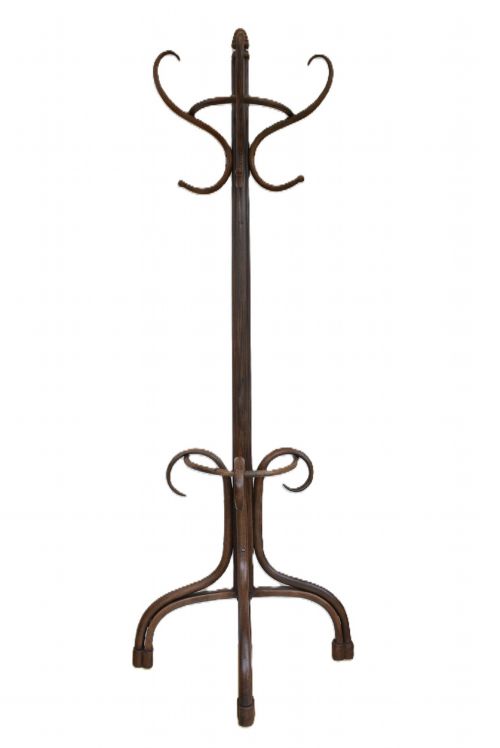
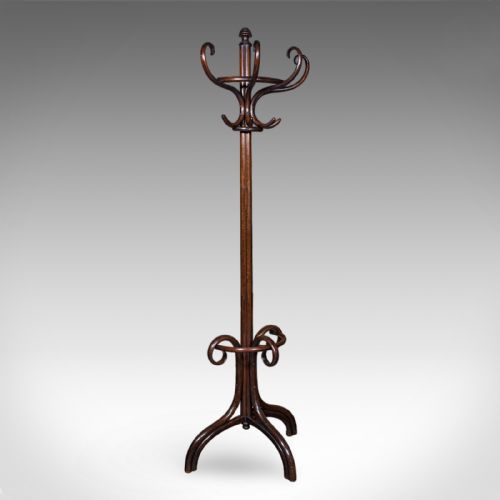
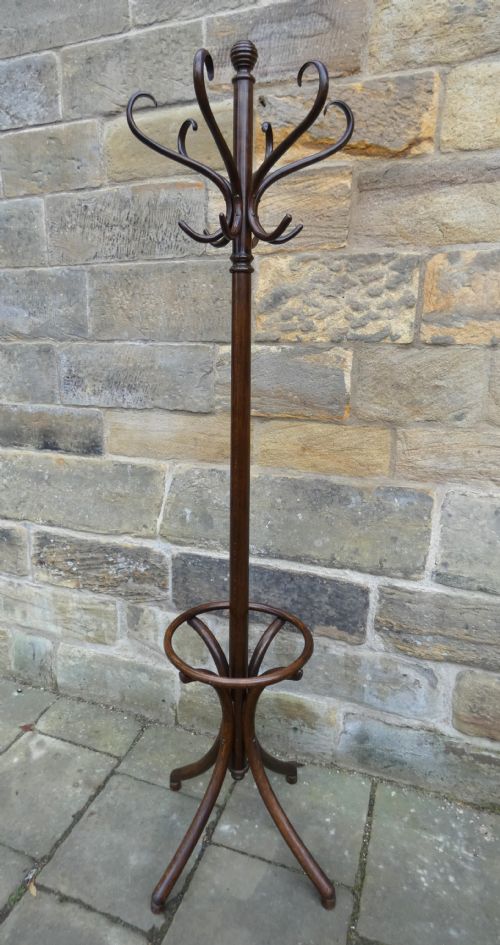
A dark wood umbrella stand brings practical function to an entrance hall while grounding the space in rich timber tones.
Dark Wood Umbrella Stand
The versions met most frequently on this page date from the Victorian and Edwardian eras, alongside pieces produced in the early twentieth century. Many take the form of coopered oak barrels with brass mounts or carved wooden frames shaped during the height of the Arts and Crafts movement.
How they were made
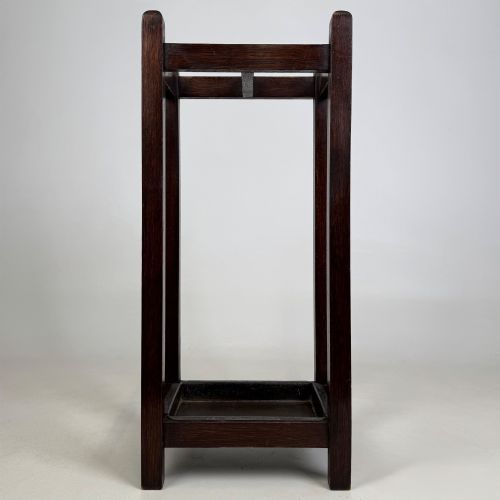
Cabinet makers utilised dense hardwoods such as oak and mahogany, often shaping them through traditional joinery like dovetailing and turning. Coopered examples involved individual staves of oak bound tightly with polished brass bands to contain dripping water safely.
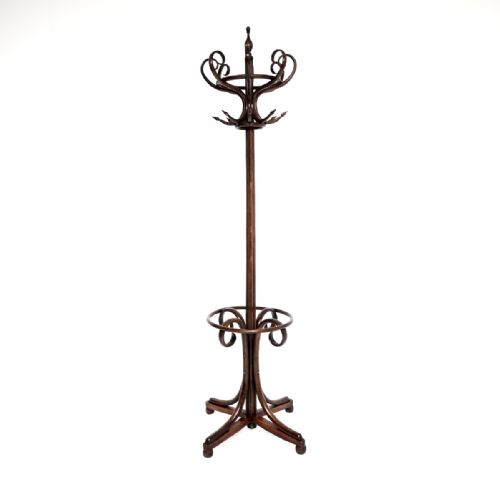
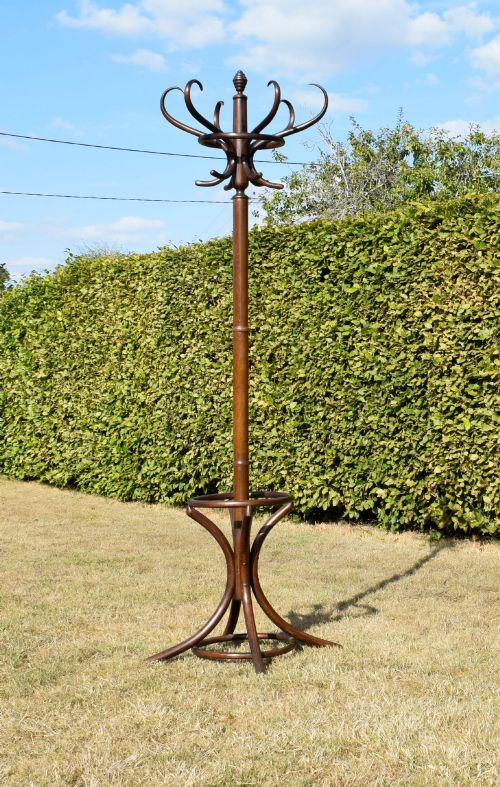
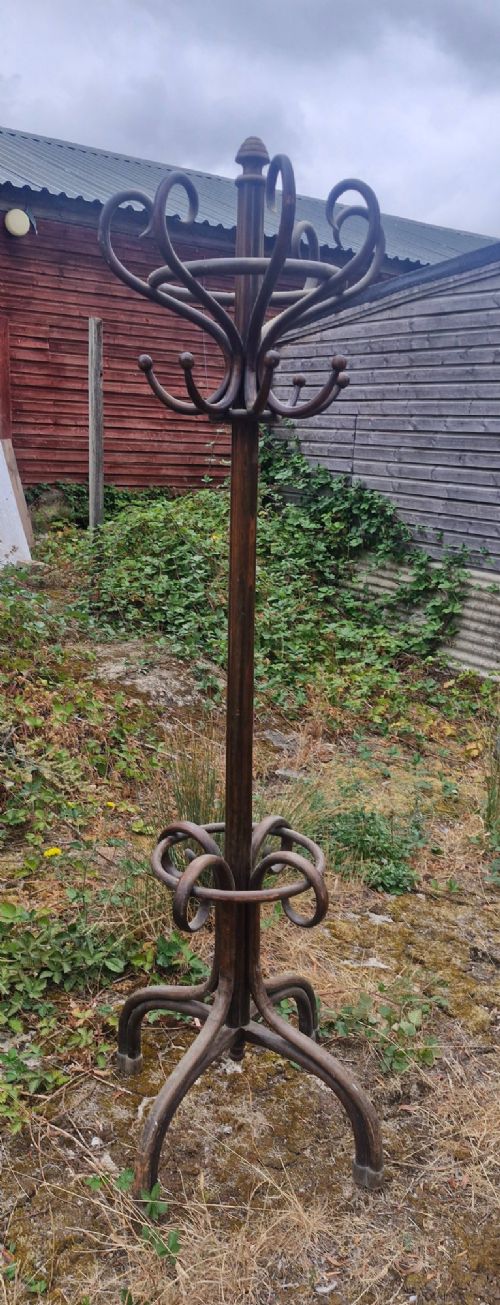
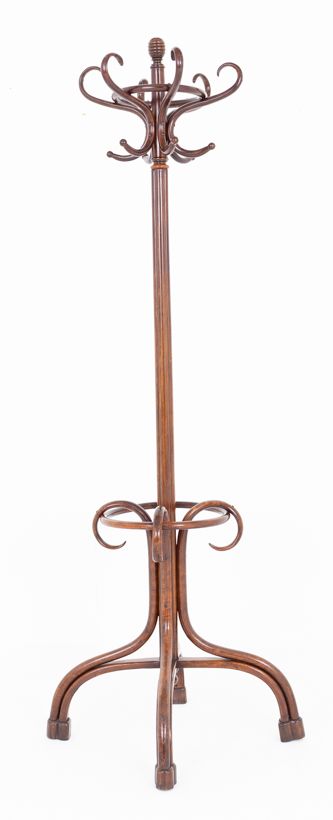
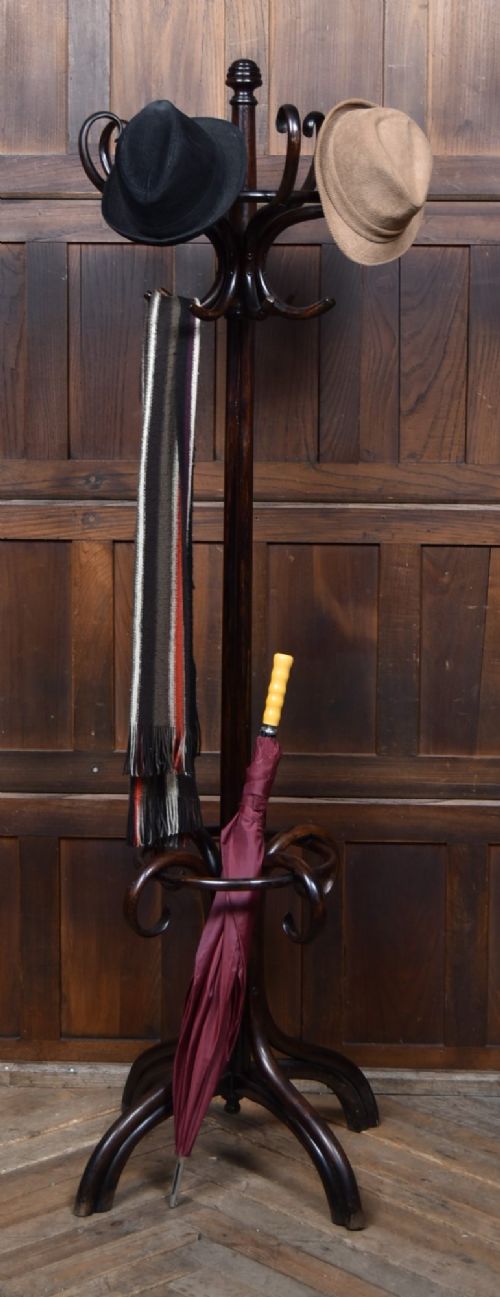
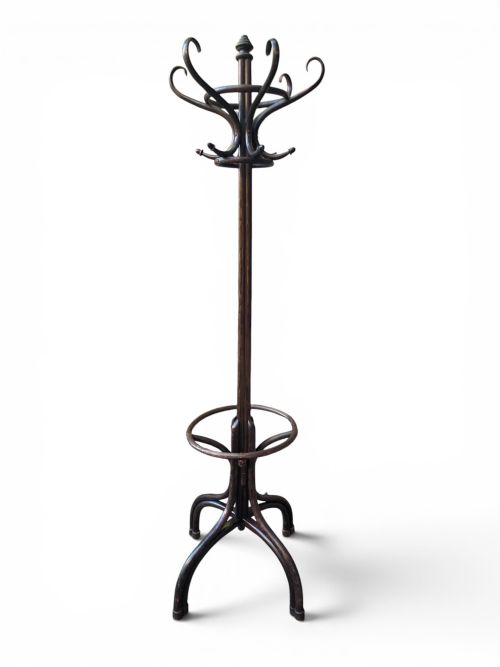
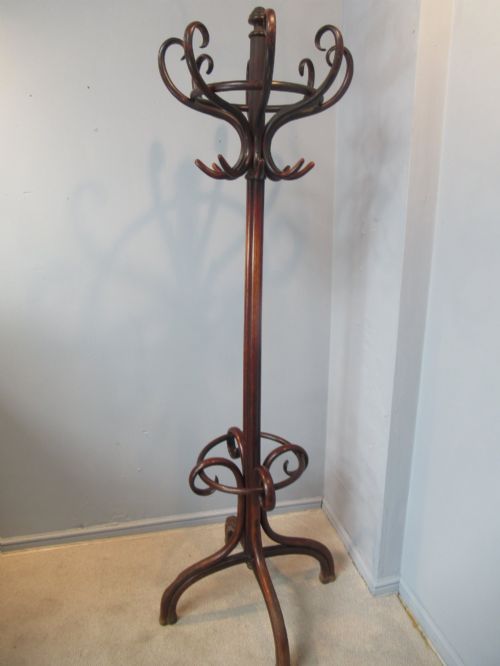
Bentwood pieces relied on steaming beech rods until pliable, then bending them into organic curves and loops characteristic of Austrian workshops. Carved variations, particularly Black Forest items, required meticulous hand-chiselling of figurative motifs directly into solid timber.
Dark Wood Umbrella Stand Retail Price Guide 2026
Typical asking prices for dark wood umbrella stand among the pieces listed under this phrase on Sellingantiques today, from the lower quarter to the upper quarter. They describe what is for sale here now, not the wider market.
Listings feature oak, mahogany, and beech alongside metal and glass components, spanning the Victorian and Edwardian periods.
What varies in quality
Quality rests in the integrity of the timber selection and the precision of the construction methods. Heavy hardwoods with stable joints and original metal liners indicate superior craftsmanship compared to lighter, replacement components.
The refinement of surface carving and the smoothness of bentwood steam-curves set finer examples apart. Original finishes that retain a warm, natural patina demonstrate careful preservation over decades of domestic use.
J Parker of Woodstock·Thonet·Fischel
The Dark Wood Umbrella Stand Glossary
- Bentwood
- Wood shaped by exposure to steam and pressure into curved structural components. This technique produced lightweight yet resilient frames popular in the late nineteenth and early twentieth centuries.
- Coopered
- Constructed from vertical wooden staves fitted tightly together and bound with metal hoops. This method originates from barrel-making and was adapted for waterproof umbrella buckets.
- Hall Stand
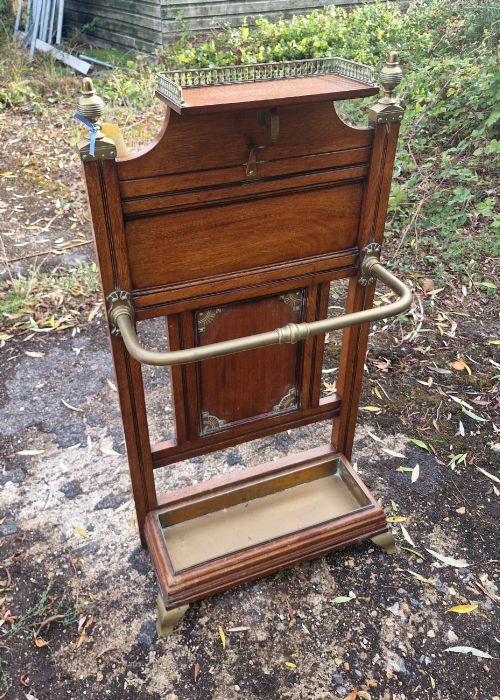
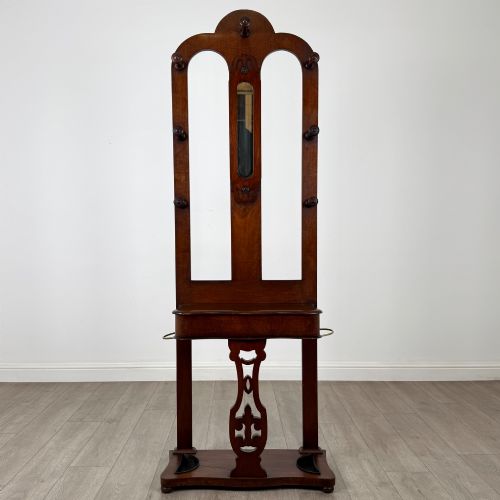
- A multi-functional piece of furniture placed in an entranceway to store outerwear, hats and umbrellas. They frequently incorporate mirrors and drip trays alongside vertical timber panels.
- Bergere
- A woven cane panel used as a decorative or structural element in furniture design. It appears on larger country house stands to provide texture and airflow.
- Barley Twist
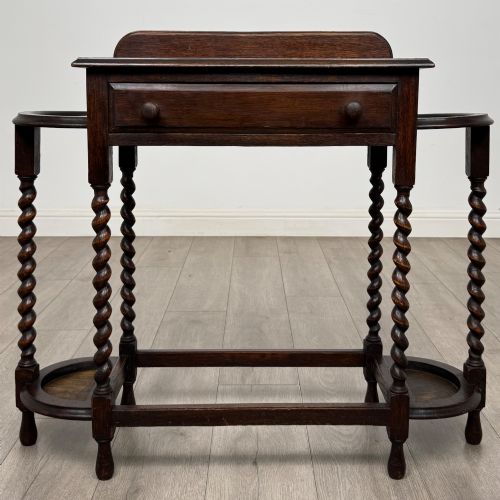
- A turning technique where timber is carved into a spiralling column resembling twisted barley sugar. This decorative detail adds vertical movement to furniture legs and uprights.
Dark Wood Umbrella Stand: Frequently Asked Questions
Where do you place an umbrella stand?
These pieces belong in a porch, vestibule or main entrance hall where wet weather gear is discarded upon entering the house.
Positioning the stand near the front door protects interior flooring from moisture while keeping walking sticks accessible for departures.
How do you protect the wood from water?
Traditional stands typically include original metal liners or removable drip pans designed to catch water from wet umbrellas.
Ensuring these internal trays remain intact prevents moisture from reaching the timber base and causing internal rot.
What is a Black Forest stand?
Black Forest pieces are heavily carved wooden items featuring naturalistic animal motifs, most commonly bears holding card trays or umbrella wells.
Originating from European woodland carving traditions, these decorative sculptures served functional purposes in nineteenth-century country houses.
How do I identify Edwardian oak stands?
Edwardian examples generally display lighter oak tones and simpler, more restrained lines than their heavily ornamented Victorian predecessors.
They often reflect the lingering influence of the Arts and Crafts movement through exposed joinery and honest material use.