
Dark Wood Standing Mirror
A dark wood standing mirror offers a full-length reflection framed in rich timber, anchoring a bedroom or dressing room with practical elegance.
Dark Wood Standing Mirror
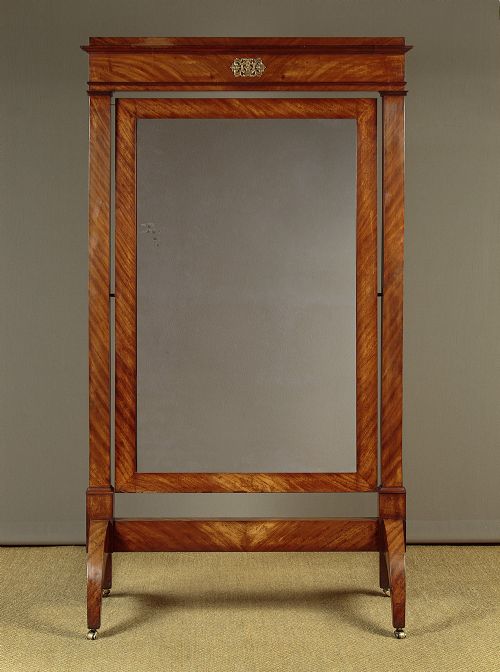
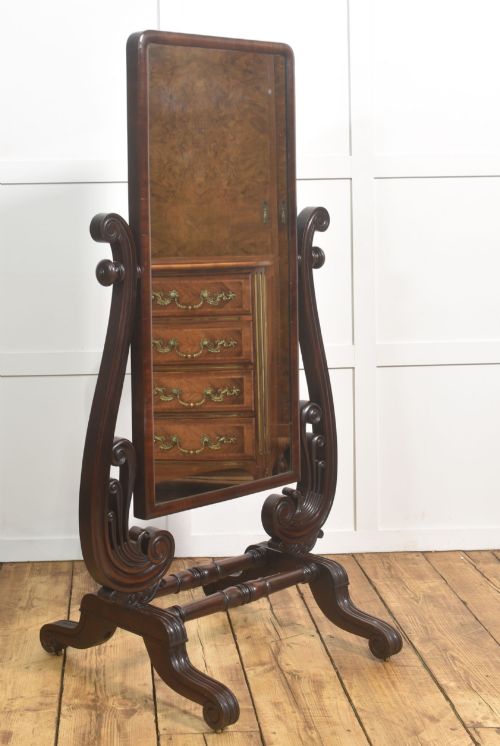
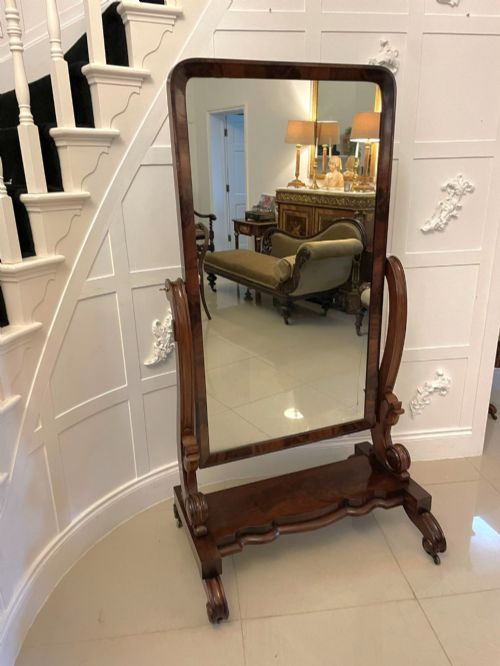
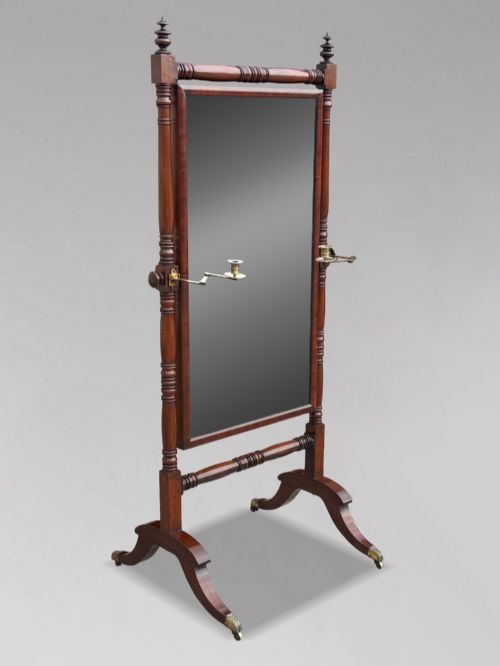
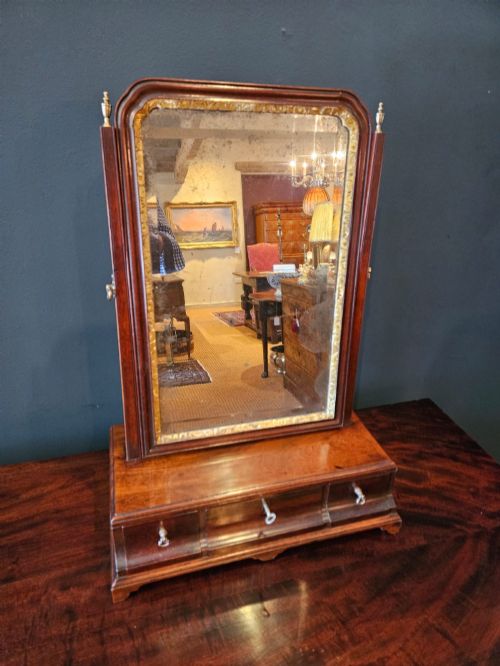
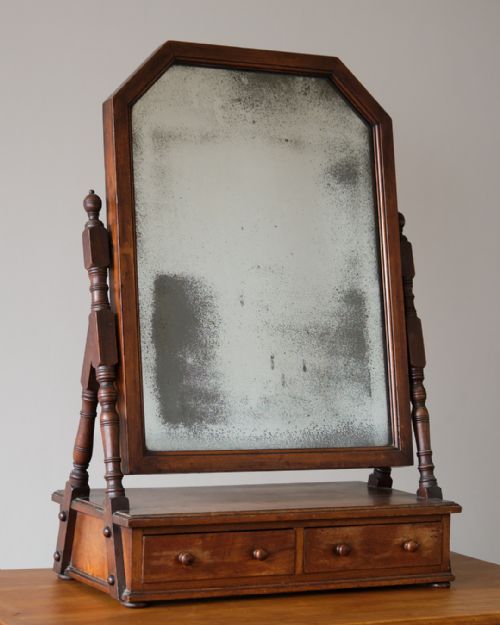
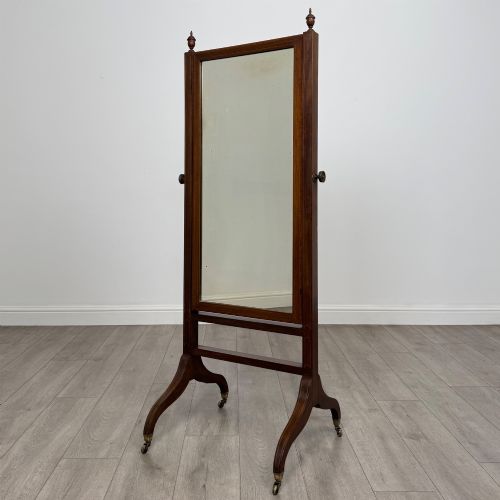
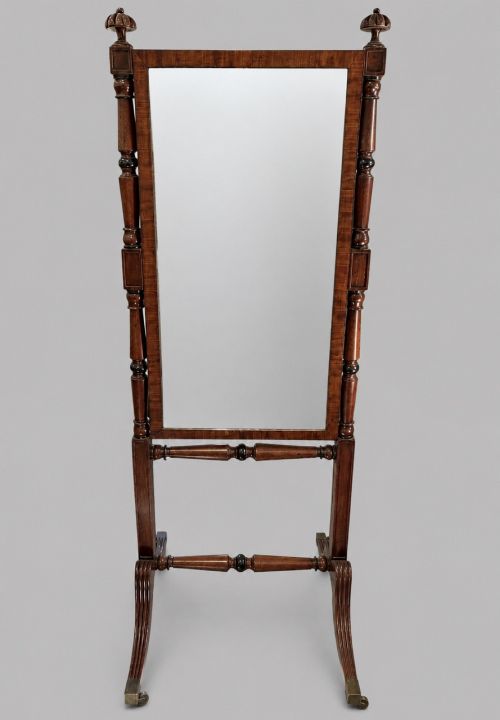
A dark wood standing mirror primarily takes the form of a cheval mirror, designed to swing within a supportive frame for full-length viewing. The listings demonstrate that these pieces appear frequently in rich timbers like mahogany, rosewood and walnut, spanning periods from the Georgian era through the Victorian and Edwardian decades.
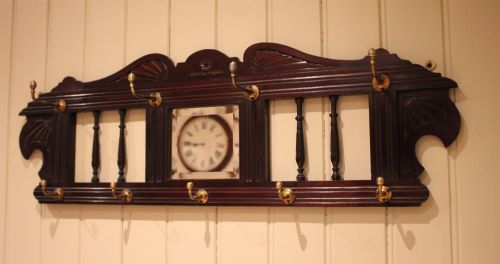
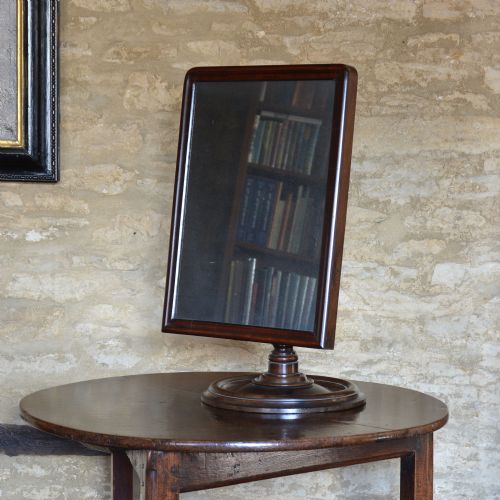
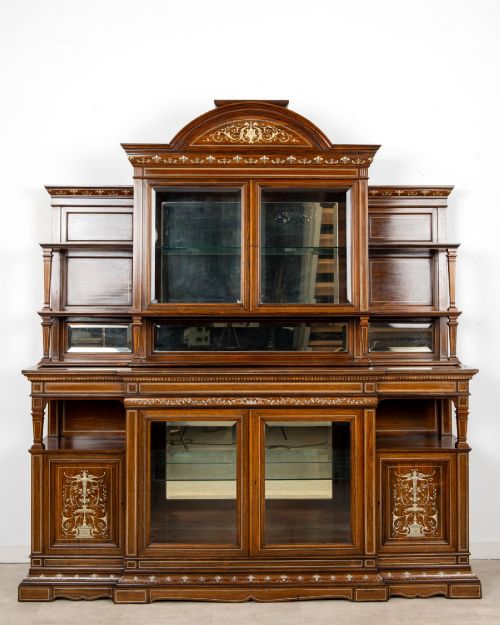
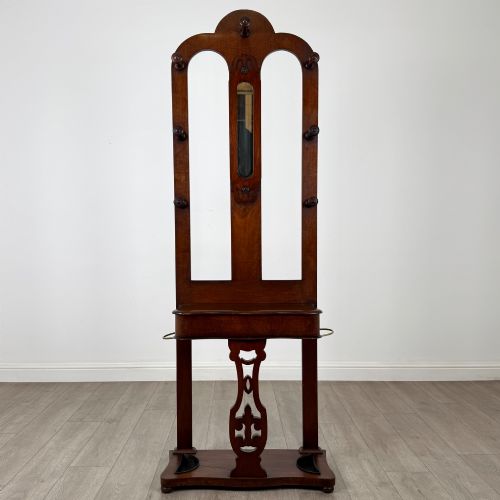
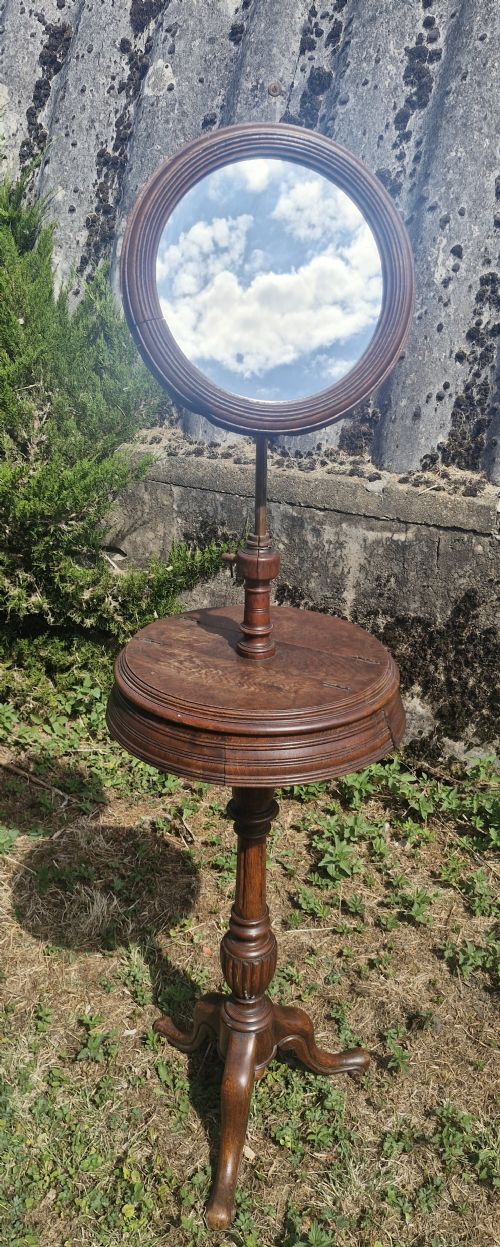
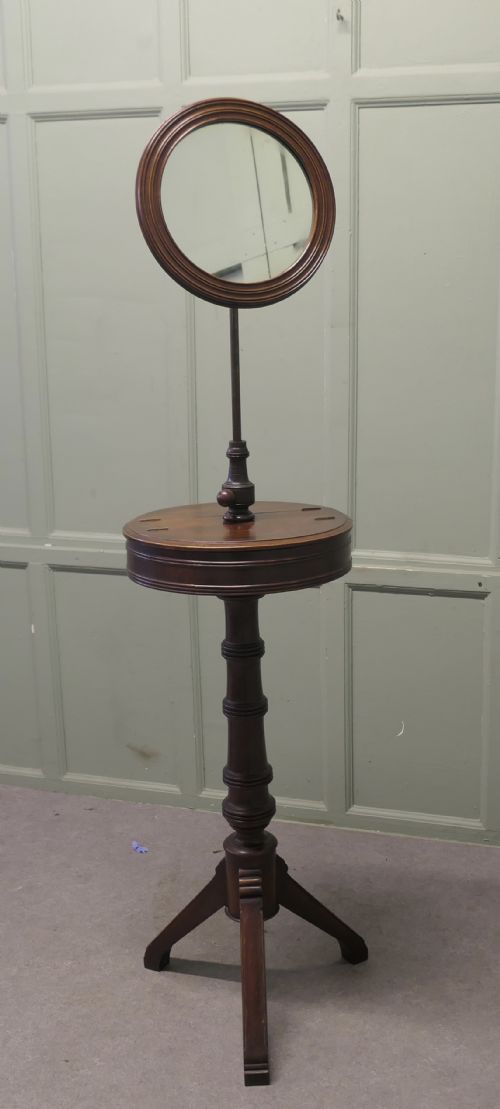
Beyond standard cheval mirrors, the selection includes related standing forms such as shaving stands and hall stands which incorporate mirrors into larger wooden structures. These objects serve both functional dressing purposes and decorative roles within a room, utilising substantial timber frames to support pivoting glass.
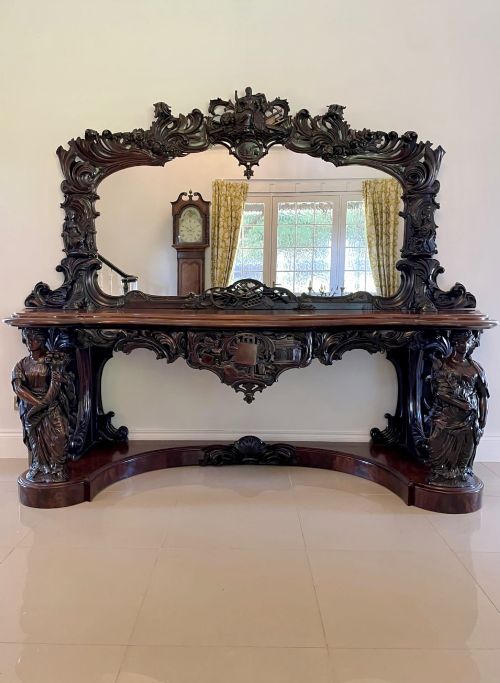
Makers and designers from the nineteenth and early twentieth centuries applied diverse styles ranging from Regency lines to Victorian Gothic Revival and Rococo Revival. Buyers will encounter both simple, utilitarian dressing glasses and large, exhibition-quality carved pieces designed for grand interiors.
How they were made
Cabinet makers utilised dense, durable timbers such as mahogany, oak and walnut for the structural frames and floor stands, often selecting dark grains to achieve a formal appearance. Boxwood and brass frequently appear as decorative inlay, hinges, candle sconces or adjustable fittings that allow the glass to tilt.
The mirror glass itself is held within a swing frame supported by upright pillars and sturdy feet, sometimes featuring telescopic mechanisms for height adjustment. Traditional joinery secures the heavy timber uprights to ensure stability while the glass pivots freely on central pivot pins.
Some Victorian gentleman's stands include tiny hidden platforms meant for holding pocket watches during a morning shave.
What varies in quality
Quality reveals itself in the choice of timber and the sophistication of the carved ornamentation, distinguishing standard workshop production from exhibition pieces. Finer examples display meticulous hand-carving along the frame and sturdy, well-balanced pillar supports that prevent wobble when the glass tilts.
The integration of functional hardware, such as solid brass adjustable brackets and original turning details, separates superior mirrors from later or simpler replacements. Heavier proportions and unsparing use of solid mahogany or walnut rather than veneer indicate a higher standard of original craftsmanship.
Collinson and Lock·Heal and Sons·Edwards and Roberts
The Dark Wood Standing Mirror Glossary
- Cheval mirror
- A large standing mirror supported in a frame that allows the glass to swing freely. This form is designed for full-length dressing and typically stands on four feet.
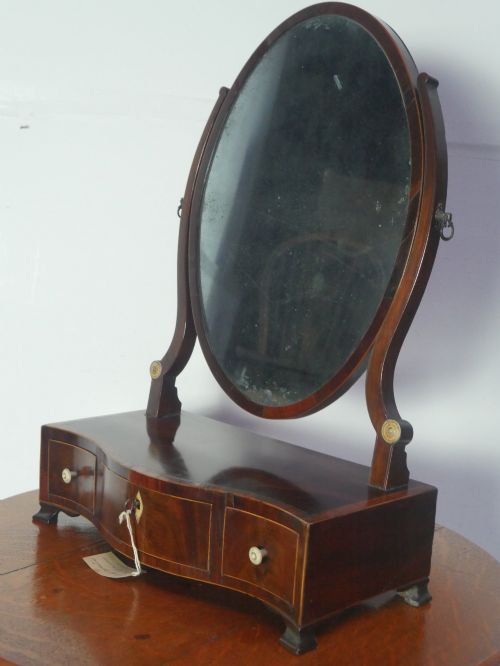
- Tilt dressing glass
- A smaller mirror mounted on pivots within a frame, allowing the angle of the glass to be adjusted. These versions often sit atop a base or table.
- Telescopic shaving stand
- A specialised mirror on a standard that adjusts in height, frequently incorporating small platforms or drawers for gentleman's grooming accessories. They appear in Victorian and later periods.
- Mahogany
- A durable, reddish-brown tropical hardwood favoured by cabinet makers for its rich grain and strength. It serves as the primary material for the majority of these standing mirrors.
- Rococo Revival
- A decorative nineteenth-century style characterised by asymmetrical scrollwork, floral motifs and ornate carving. This aesthetic often influences the frames of grand Victorian mirrors.
Dark Wood Standing Mirror: Frequently Asked Questions
How do I adjust a cheval mirror?
Most cheval mirrors use brass pivot screws or side knobs set into the upright pillars. Turning these fixtures loosens or tightens the grip on the swing frame.
Support the glass gently with one hand while adjusting the fittings to prevent sudden slipping or strain on the wooden frame.
Where should I place a standing mirror?
Position the mirror where it can capture natural light from a window to brighten the room. Bedrooms, dressing rooms and spacious hallways provide ideal settings for full-length reflection.
Ensure the floor surface is level so the heavy wooden feet rest evenly and the frame remains stable.
How do I identify a Victorian mirror?
Victorian pieces often feature darker mahogany or walnut timbers, sometimes displaying Gothic or Rococo carved details on the crest and feet. Examination of the timber construction and backing boards helps confirm the nineteenth-century origin.
Many examples include sturdy turned pillars and heavy brass hardware characteristic of the period's manufacturing methods.