

Dark Wood Standing Cupboard
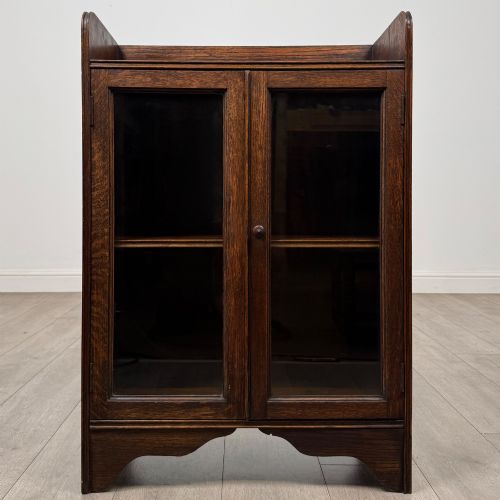
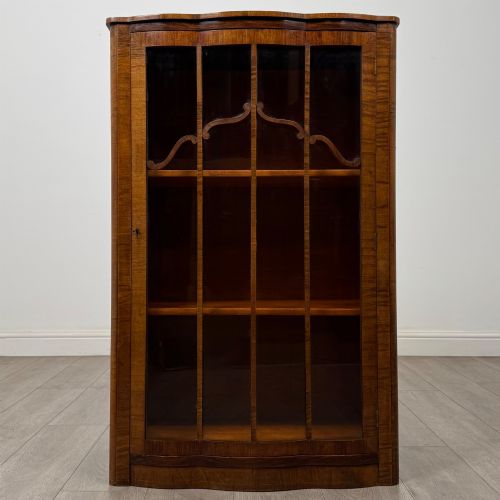
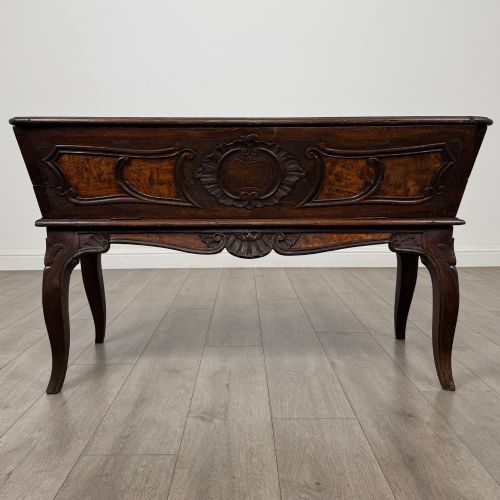
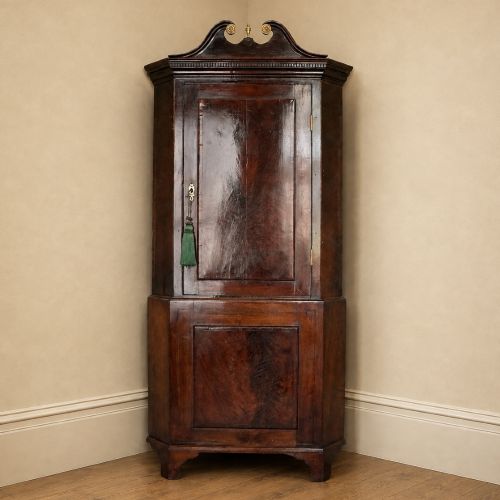
A dark wood standing cupboard anchors a room with serious presence, offering substantial storage built from rich timber.
Dark Wood Standing Cupboard
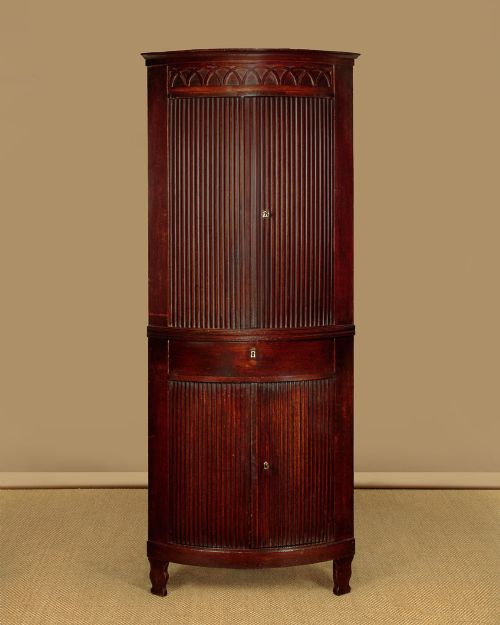
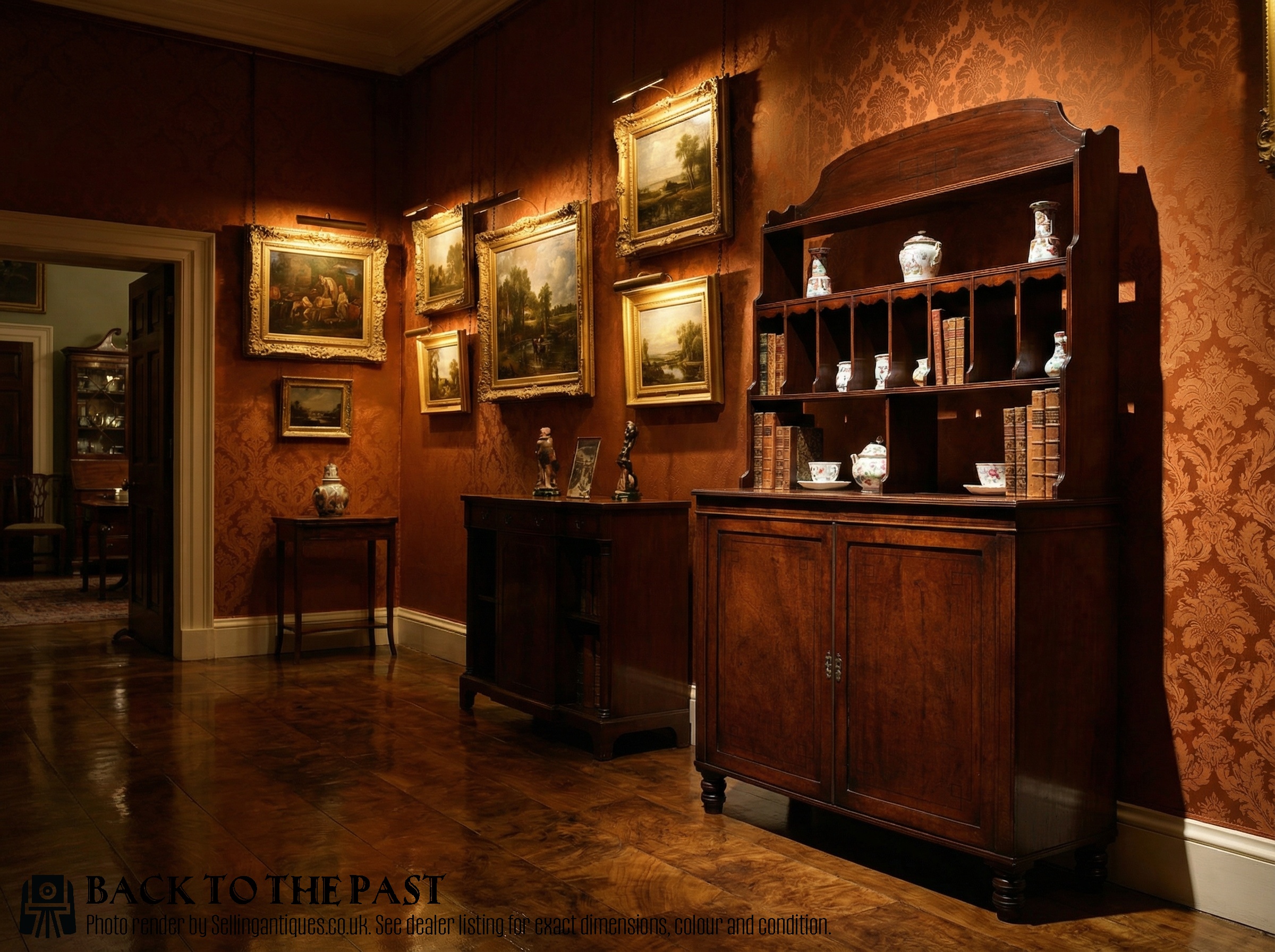
A dark wood standing cupboard encompasses tall floor-standing storage forms, ranging from towering bookcases and display cabinets to corner cupboards designed to fit room angles. These pieces serve practical storage needs while bringing architectural weight to domestic interiors.
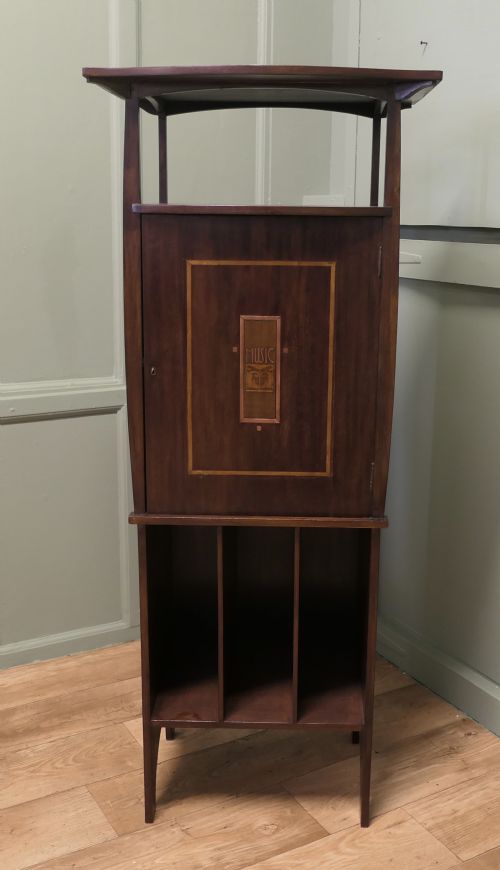
The selections span distinct historical eras, with Georgian, Victorian, and Edwardian examples appearing frequently alongside earlier 17th-century works and later pieces from 1920. Forms include side cabinets, music cabinets, and cabinets on stand, alongside specialist pieces like double height corner cupboards.
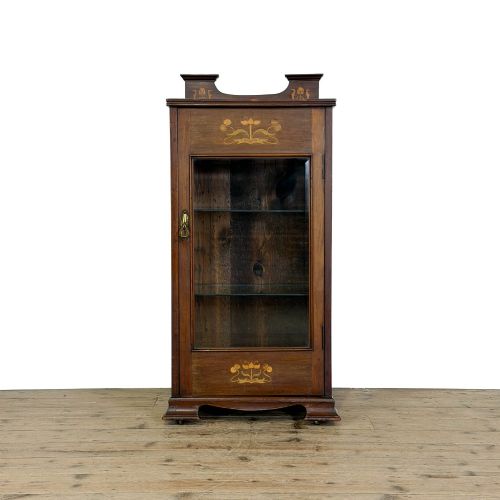
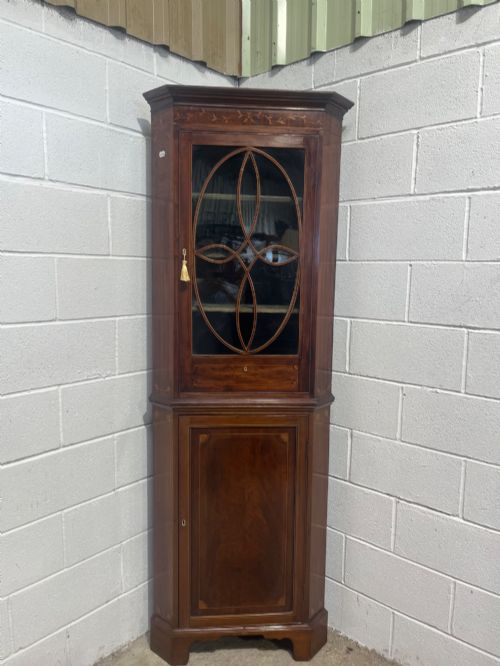
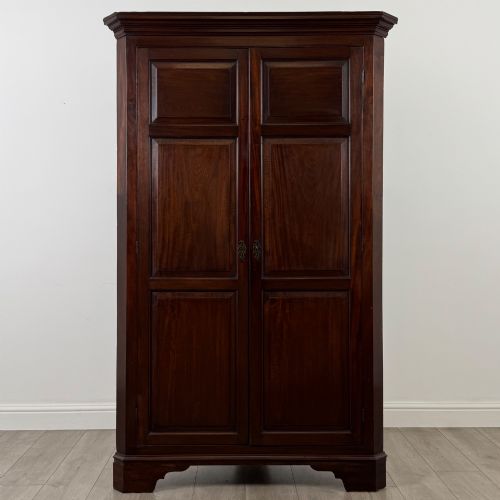
Corner cabinets and display units dominate the floor-standing offerings, often utilising the vertical space of a room efficiently. Buyers encounter both glazed display fronts intended for china and books, and solid timber doors concealing utilitarian shelving.
How they were made
Makers relied primarily on mahogany and oak as the structural timbers for these cupboards, utilising the natural density and grain of the wood. Walnut also appears frequently, sometimes selected for figured veneers or parquetry work.
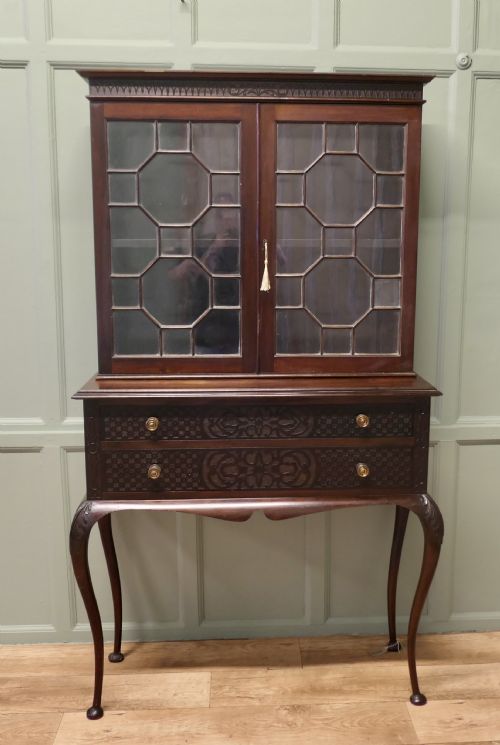
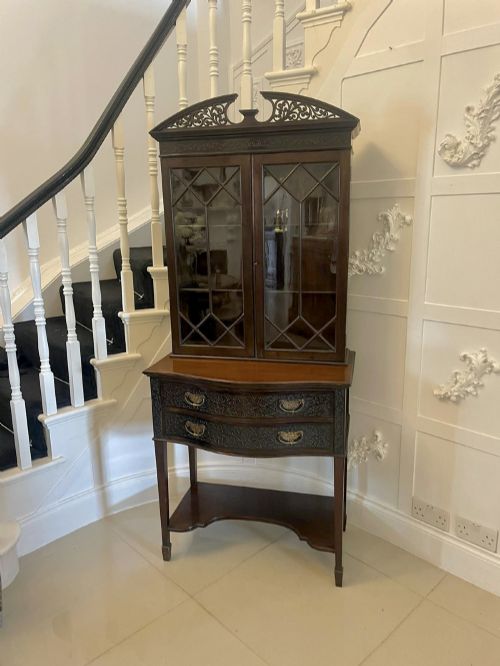
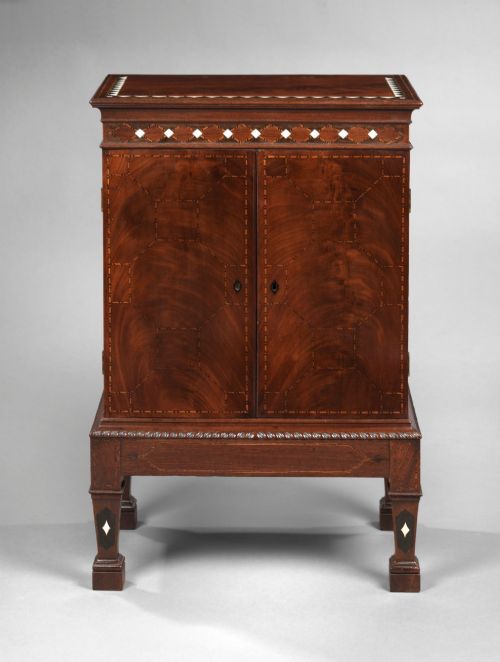
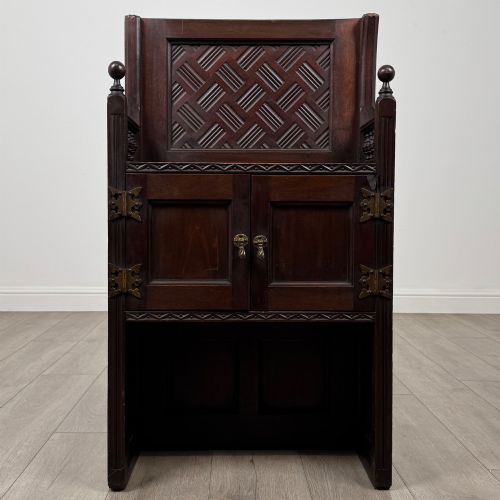
Decoration often involved intricate wood inlay, bone inlay, and pewter inlay, particularly on pieces featuring marquetry or period styling such as Jacobean Revival and Arts and Crafts. Brass hardware, astragal glazed glass doors, and fabric linings complete the construction of the finer display pieces.
Listings feature standing cupboards spanning from the 17th century through the 1920s, constructed in mahogany, oak, and walnut.
What varies in quality
The distinction between standard utility cupboards and exceptional pieces lies in the choice of timber figure, such as highly figured walnut or richly grained mahogany. Superior execution shows in the precision of inlaid details, whether in wood, bone, or pewter.
Construction methods and hardware integration also set pieces apart, seen in the delicacy of astragal glazing bars on display cabinets and the crispness of carved wooden details. Maker attribution, such as work originating from workshops like Edwards & Roberts or GM Elwood, adds documented provenance that elevates a piece above anonymous workshop production.
GM Elwood·JS Henry·Edwards & Roberts
The Dark Wood Standing Cupboard Glossary
- Astragal glazed
- Glass doors divided into smaller panes by narrow wooden bars called astragals. This technique is commonly found on Georgian and Victorian bookcases and display cabinets.
- Marquetry
- The art of applying pieces of veneer to a structure to form decorative patterns and pictures. It often incorporates contrasting timbers, bone, or metal.
- Cabinet on stand
- A two-part form comprising a storage cabinet raised upon a separate supporting frame or legs. This form lifts heavy timber storage visually from the floor.
- Parquetry
- A geometric mosaic of wood pieces used for decorative floors and veneer surfaces. It creates a repeating pattern across the face of the cupboard.
- Pot cupboard
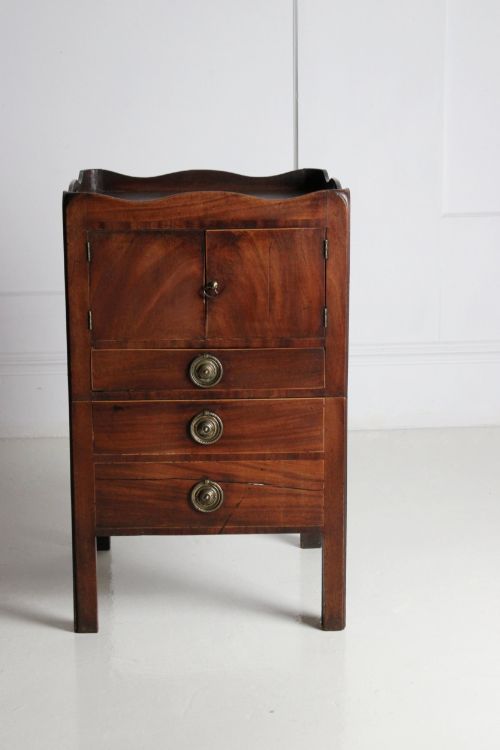
- A small bedside cabinet originally designed to house a chamber pot. These compact units now function widely as lamp stands or bedside storage.
Dark Wood Standing Cupboard: Frequently Asked Questions
Where should I place a standing corner cupboard?
A standing corner cupboard fits neatly into unused room angles, turning awkward junctions into functional display or storage space. They work particularly well in dining rooms or hallways where floor space is at a premium.
Ensure the corner angles of the room match the cabinet's footprint before placement. Taller units benefit from wall anchoring for stability.
How do I care for antique mahogany and oak?
Protect dark wood surfaces from direct sunlight to prevent the timber from fading or drying out. Regular dusting with a soft, dry cloth maintains the finish without needing heavy polishes.
Keep cupboards away from direct heat sources like radiators, which can cause historical timber and veneers to warp or crack over time.
What is the difference between a display cabinet and a bookcase?
Display cabinets typically feature glass doors, sometimes with astragal glazing bars, designed to showcase collections and china. Bookcases often provide open shelving or simpler glazed sections intended primarily for holding books.
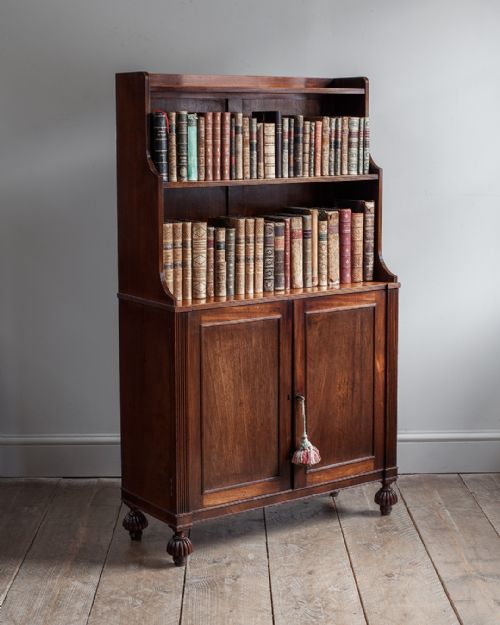
Many Georgian and Victorian examples blur these lines by combining open waterfall shelving with enclosed lower cupboards.
How can I tell a Georgian cupboard from a Victorian one?
Georgian pieces generally display restrained classical proportions, elegant bracket feet, and simpler, select timber grains. Victorian cupboards often feature heavier carved ornamentation, darker finishes, and more elaborate industrial glazing techniques.
Examining the internal construction timber and backboards helps confirm the period of manufacture alongside the external style.