
Dark Wood Sideboard Dresser
A dark wood sideboard dresser brings substantial storage and deep timber tones to a room, offering practical surface space alongside traditional craftsmanship.
Dark Wood Sideboard Dresser
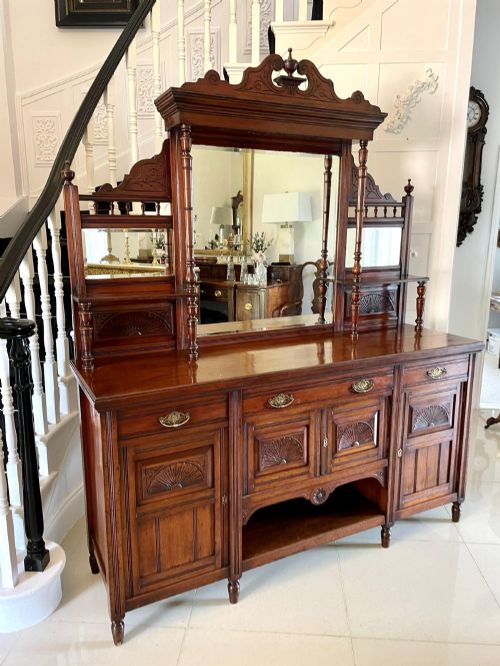
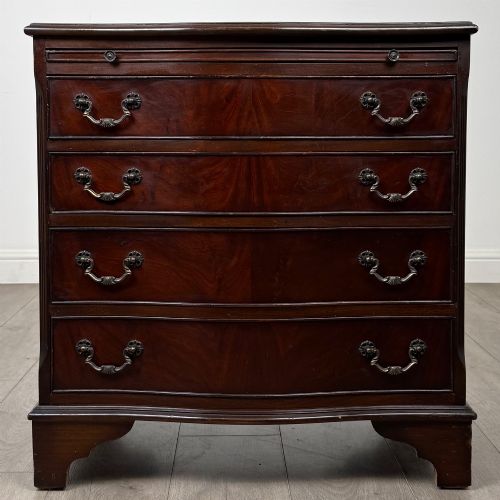
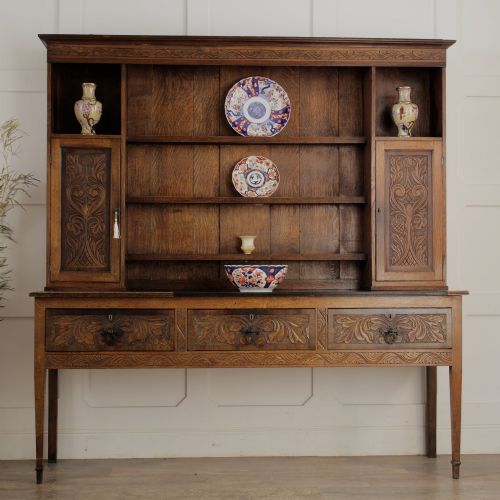
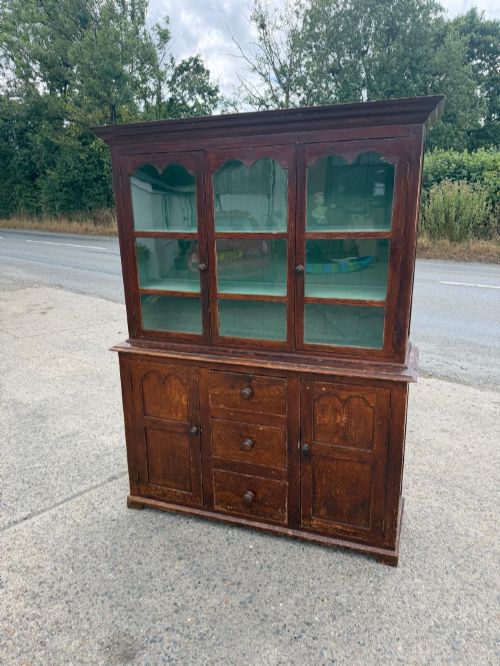
A dark wood sideboard dresser combines the functional storage of a base cabinet with the display capacity of open shelving or upper cabinetry. When searching for a dark wood sideboard dresser, buyers encounter substantial foundational pieces designed for dining rooms and large kitchens.
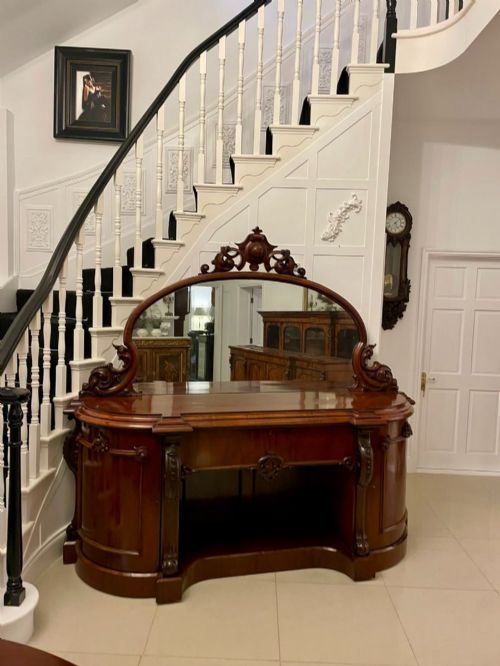
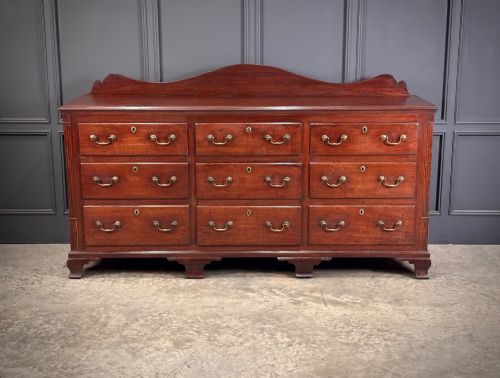
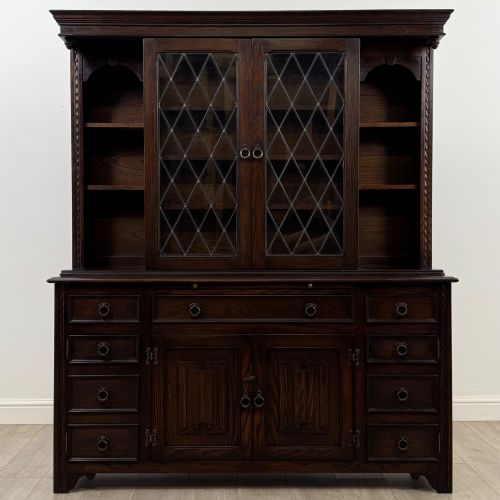
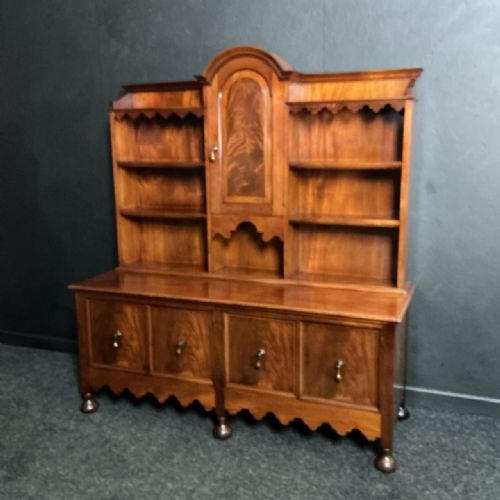
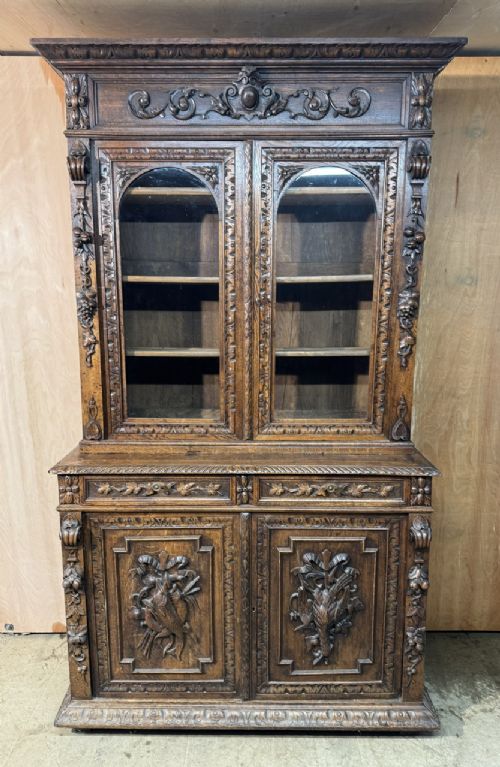
The selections span multiple eras, with Victorian and Edwardian examples appearing alongside robust 18th-century and Georgian forms. Pieces take various structural formats, including dresser bases with potboards, mirror-back sideboards, and tall cabinetry.
Origins range across British regional styles, such as Welsh and Scottish workshops, as well as continental European and Chinese production. Oak and mahogany dominate the material palette, creating the characteristic dark timber aesthetic across these forms.
Materials and Construction
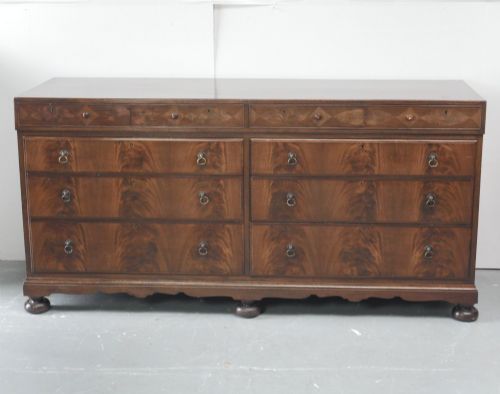
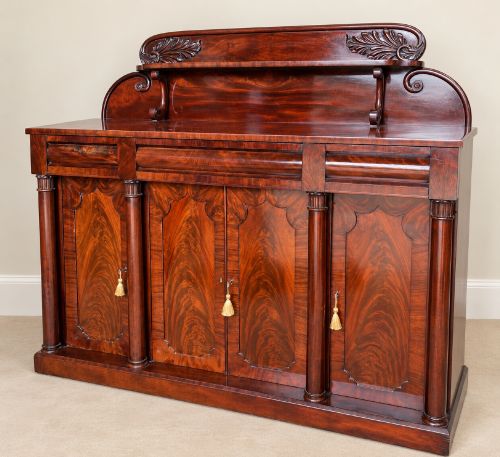
Makers utilised solid timbers such as oak, mahogany, walnut, and pine, frequently selecting flame mahogany veneers for prominent display surfaces. Joinery relied on traditional methods, building heavy frames designed to support weighty tableware and provisions.
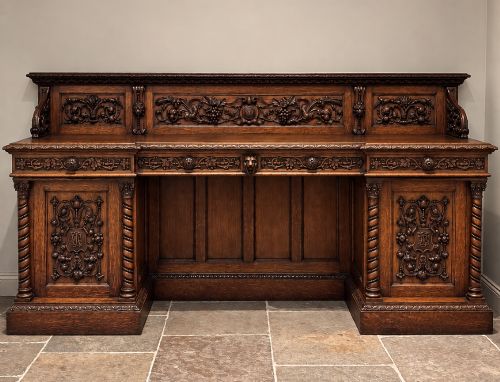
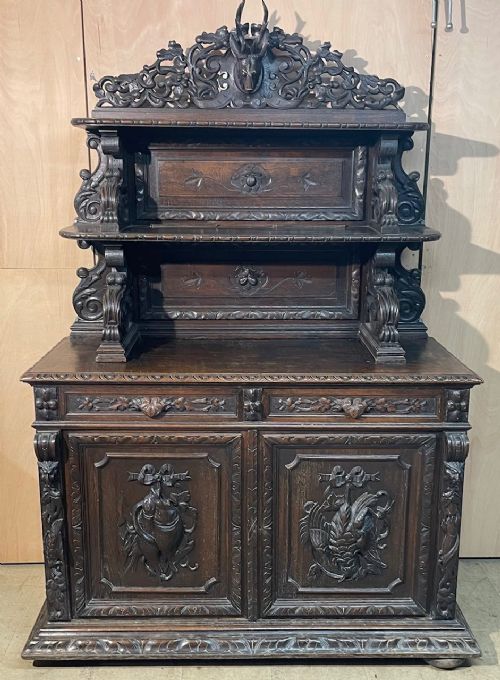
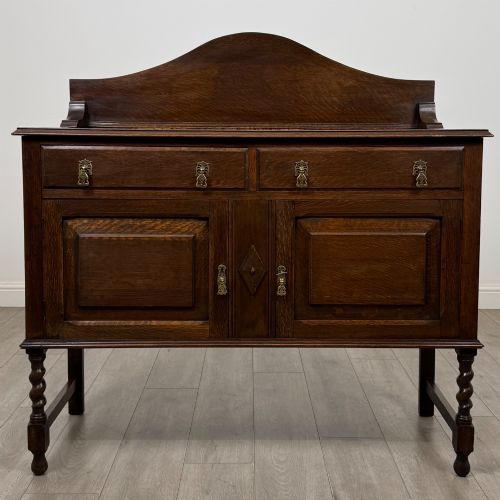
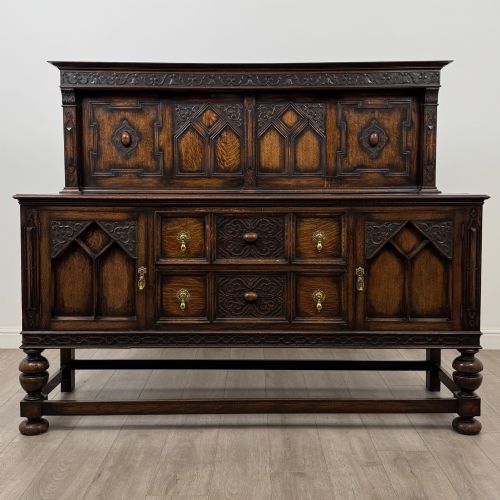
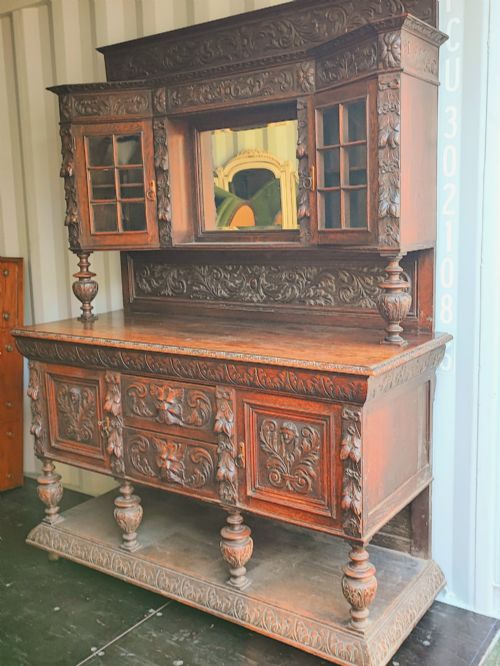
Carving and turning define the decorative language, utilising techniques like barley twist legs, raised panel doors, and figural carvings. Hardware typically incorporates cast brass handles and escutcheons that contrast against the dark timber ground.
Assessing Quality and Execution
Superior examples demonstrate crisp, deep relief carving and careful timber selection where grain patterns align naturally across drawer fronts and doors. The weight and rigidity of the carcase construction indicate the original intended utility of the furniture.
Finer pieces retain original hardware, glass panels, and supporting structures like potboard bases without heavy timber shrinkage or structural compromise. The integration of upper shelving units with heavy lower cabinets requires balanced proportions and sound joints.
Whytock and Reid
The Dark Wood Sideboard Dresser Glossary
- Potboard base
- A dresser base featuring an open lower shelf traditionally used for storing pots and heavy ceramic vessels. This lower platform provides structural stability to the entire frame.
- Mirror back
- An upright wooden superstructure incorporating a fitted mirror plate, positioned above the sideboard top. This element reflects light and displays decorative ceramics.
- Barley twist
- A type of turning shaped like a spiral rope, frequently found on the legs and upright supports of Edwardian and Victorian furniture. It adds textural movement to dark timber surfaces.
- Green Man
- A sculptural motif depicting a human face entwined with foliage, leaves, or vines. This ornament appears frequently on carved Victorian oak furniture.
- Bank of drawers
- A chest or lower cabinet section comprising multiple stacked drawers without central cupboards. These units provide extensive modular storage for textiles and cutlery.
Dark Wood Sideboard Dresser: Frequently Asked Questions
What is a potboard base?
A potboard base is an open lower shelf incorporated into the structure of a dresser base. It sits close to the floor beneath the main drawers.
Historically, this platform held heavy earthenware and metal cooking vessels, providing sturdy horizontal support that anchored the heavy timber frame.
How do I care for dark wood furniture?
Dark wood furniture requires stable indoor humidity and protection from direct sunlight to prevent timber splitting and fading. Regular dusting with a soft cloth maintains the polished surface.
Applying traditional beeswax periodically nourishes the grain of oak and mahogany without building up synthetic residues.
Where were these pieces used?
These pieces served primarily in dining rooms, large kitchens, and hallways for storing and displaying household provisions and tableware. Dresser tops held plates and serving dishes for easy access during meals.
Makers constructed these heavy items to withstand daily domestic service in substantial households across Britain and continental Europe.
How do I distinguish regional styles?
Regional styles appear through timber choice, structural proportions, and specific carving traditions associated with local workshops. Welsh and Scottish pieces often utilise native oak and distinct formatting for upper shelving.
Continental examples incorporate specific decorative vocabulary like French Renaissance revival motifs and hunting cabinet iconography.