




Dark Wood Settle
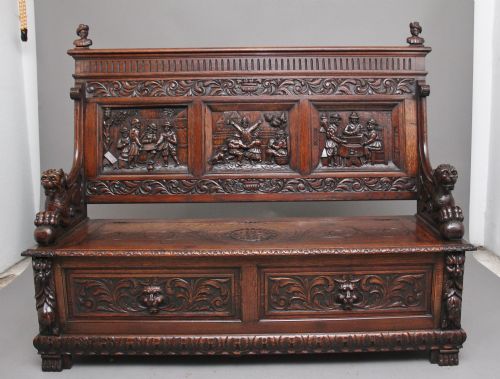
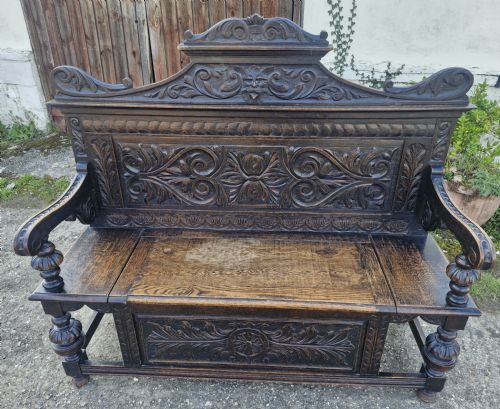
A dark wood settle is a high-backed wooden bench with solid panels designed to block draughts, offering both historic seating and generous storage.
Dark Wood Settle
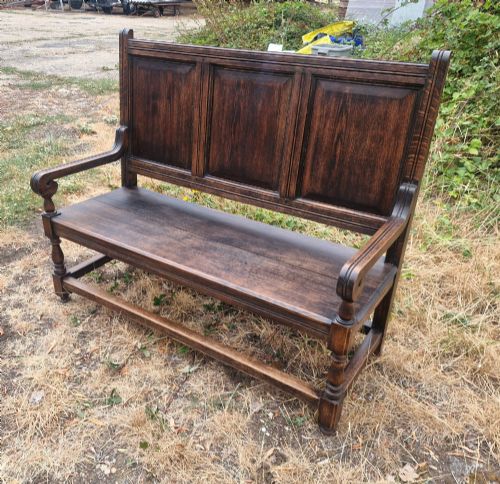
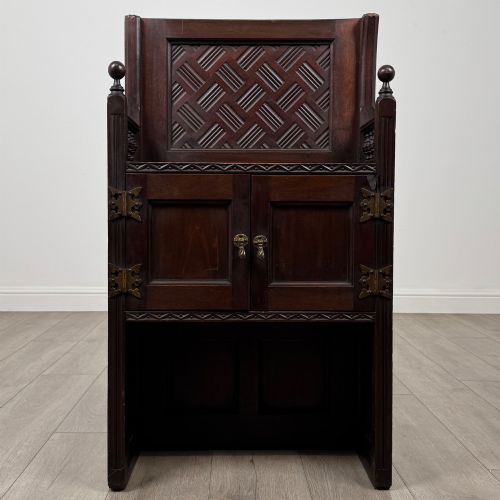
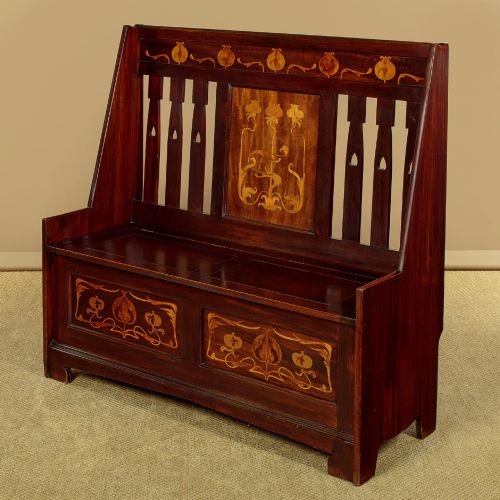
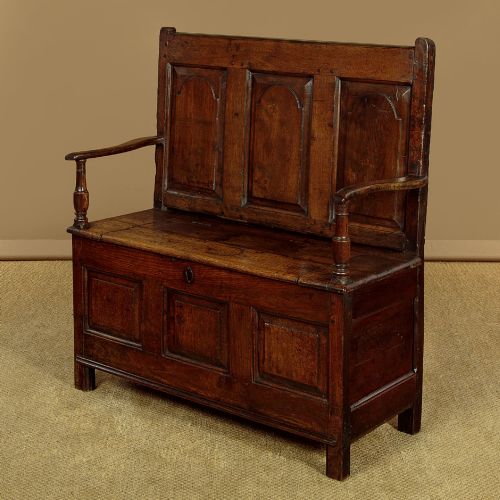
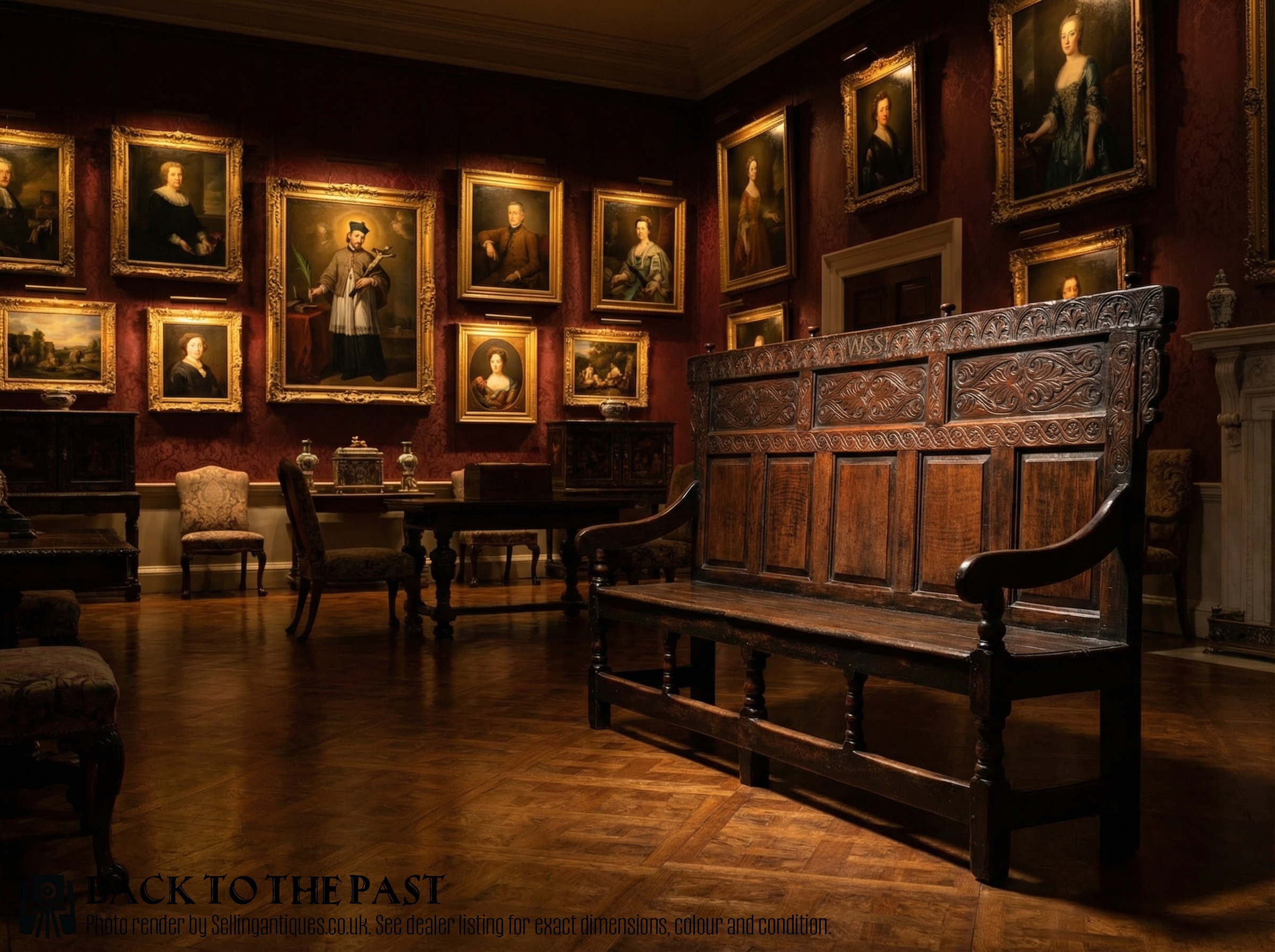
A dark wood settle is a substantial seat built to shield occupants from cold air in domestic halls and farmhouses. These pieces range from simple panelled constructions to heavily carved examples with integrated storage beneath lift-up lids.
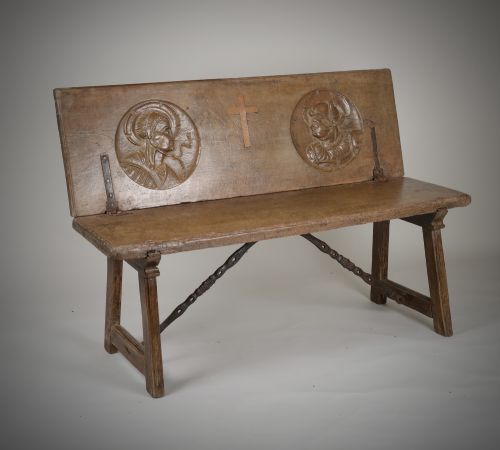
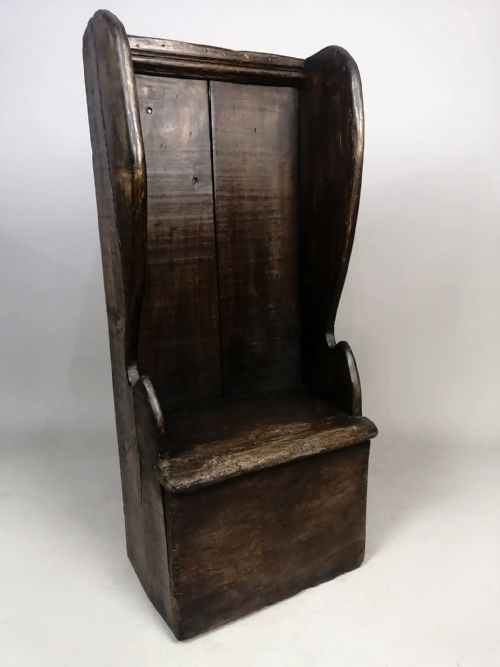
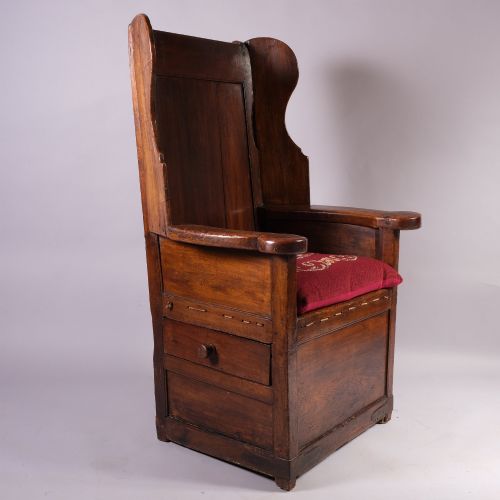
The versions most commonly met on this page date from the seventeenth, eighteenth and nineteenth centuries, constructed predominantly in oak and other hardwoods. Forms vary from high-backed monastic designs and box settles to lambing chairs and Chinese export benches.
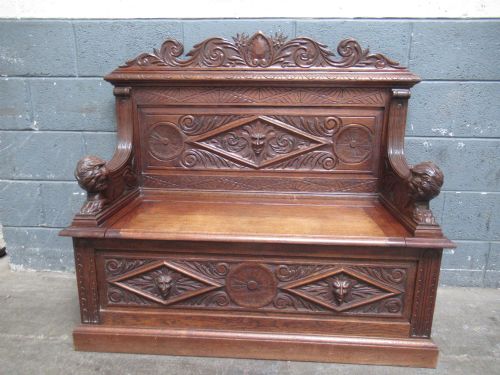
Makers utilised heavy timbers to construct rigid frames featuring high panelled backs, winged armrests and enclosed bases. Many incorporate lockers or drawers within the seat structure, serving a dual purpose as both furniture and chest.
Construction and Materials
Carpenters relied principally on oak, mahogany, fruitwood and rosewood, joining thick boards with traditional peg and mortise joints. Grain patterns and natural dark tones were highlighted through plain waxing rather than modern chemical finishes.
Decorative elements involve deep hand-carving, applied mouldings, panelled construction and occasional mother-of-pearl inlay. Structural integrity depends on the thickness of the solid timber and the robust assembly of the high back and enclosed base.
Several centuries ago, someone sat in an oak box settle and stashed their spare boots inside, leaving wear patterns that remain visible today.
Distinctions in Quality
Quality rests upon the integrity of the original timber, the crispness of the hand-carving and the proportion of the high back to the seat. Finer pieces retain their original boarded backs, undisturbed panel work and unthinned floorboards within the storage compartment.
Greater craftsmanship shows in well-balanced proportions, tight joinery that resists seasonal movement, and authentic patination gained through centuries of handling. Later alterations or replaced timber panels reduce the integrity of an antique piece.
James Shoolbred & Co.
The Dark Wood Settle Glossary
- Box settle
- A wooden bench featuring an enclosed base with a lift-up seat lid, providing internal storage space. This design kept belongings secure off cold, damp floors.
- Lambing chair
- An enclosed wooden armchair, often featuring panelled wings and a high back to block draughts near a hearth. They frequently include small drawers or candle slides beneath the seat.
- Monks bench
- A convertible piece of furniture featuring a pivoting back that swings forward to form a table top over the seat. Most examples seen are constructed from carved oak.
- Bacon settle
- A tall wooden settle traditionally used in rural farmhouses for curing and storing meat within the upper compartment. The high back kept provisions safe from pests.
- Mortise and tenon
- A traditional woodworking joint where a projecting tongue fits snugly into a matching cavity to lock timbers at right angles. This method provides immense structural strength without metal fixings.
Dark Wood Settle: Frequently Asked Questions
What is a dark wood settle used for?
A dark wood settle serves primarily as a high-backed seat placed in hallways or kitchens to deflect cold draughts. Many incorporate enclosed box bases or lift-up lids that double as storage chests for blankets and household items.
Historically, they provided communal seating near the hearth before upholstered sofas became common in domestic interiors.
How do I tell an 17th century settle apart from a later copy?
Seventeenth-century settles display distinct hand-tool marks, pegged mortise and tenon joints, and timber that has shrunk unevenly with age. The construction relies on heavy oak boards held together by wooden pins rather than modern metal screws.
Later revival pieces often feature machine-cut elements, symmetrical panel shrinkage, or dark surface stains applied uniformly to mimic genuine historic wear.
Where should I place a settle in my home?
Settles suit narrow hallways, large landings, or entrance porches where their high panelled backs create an architectural focal point. They also work well against plain walls in living areas, paired with soft textiles to balance the heavy wood.
Because of their deep footprints and high backs, they require sufficient wall space to stand flat without overwhelming smaller rooms.