


Dark Wood Seating
Dark wood seating spans centuries of craftsmanship in mahogany, oak and elm, offering sturdy utility and enduring form.
Dark Wood Seating
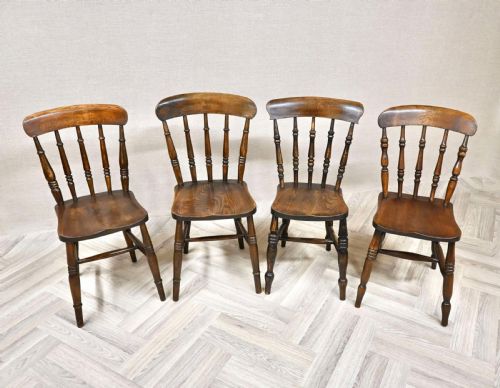
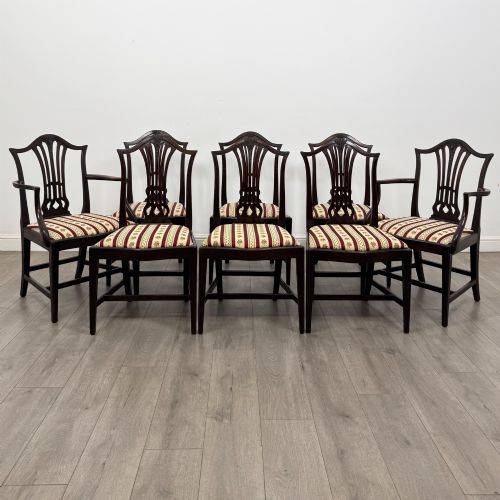
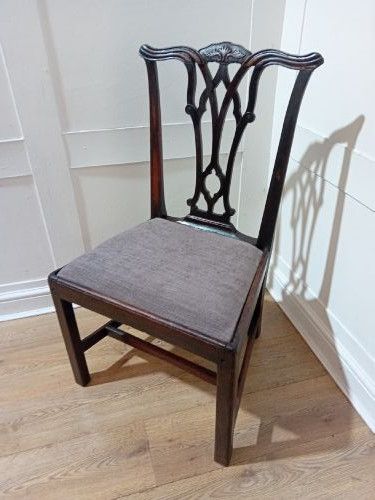
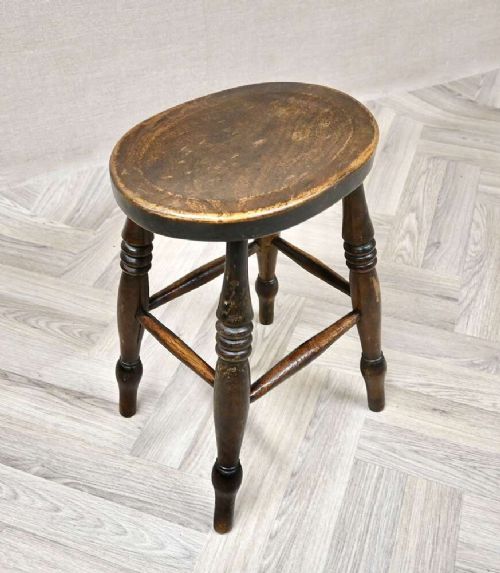
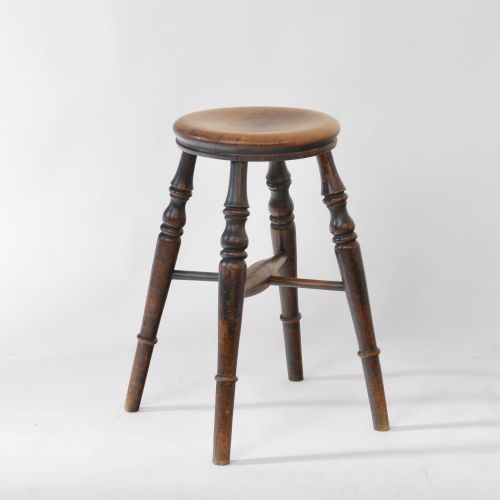
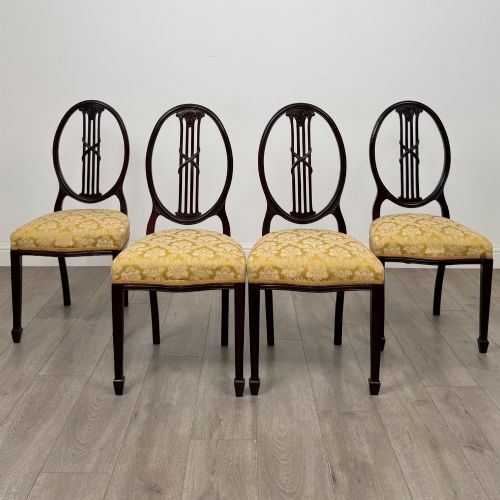
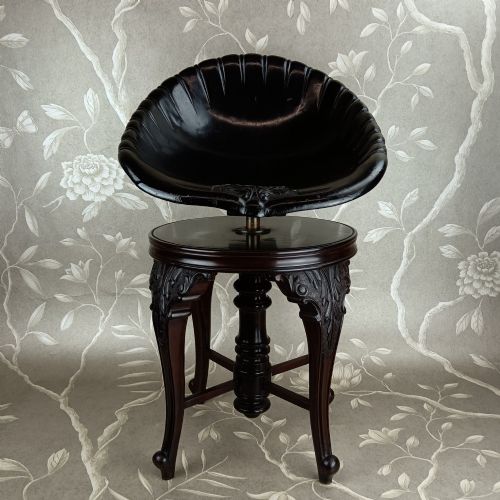
The most common examples encountered in dark wood seating are nineteenth-century dining chairs and single chairs in mahogany or oak. Alongside these, buyers regularly find library chairs, hall chairs and Windsor chairs originating from English and regional workshops.
Materials and construction
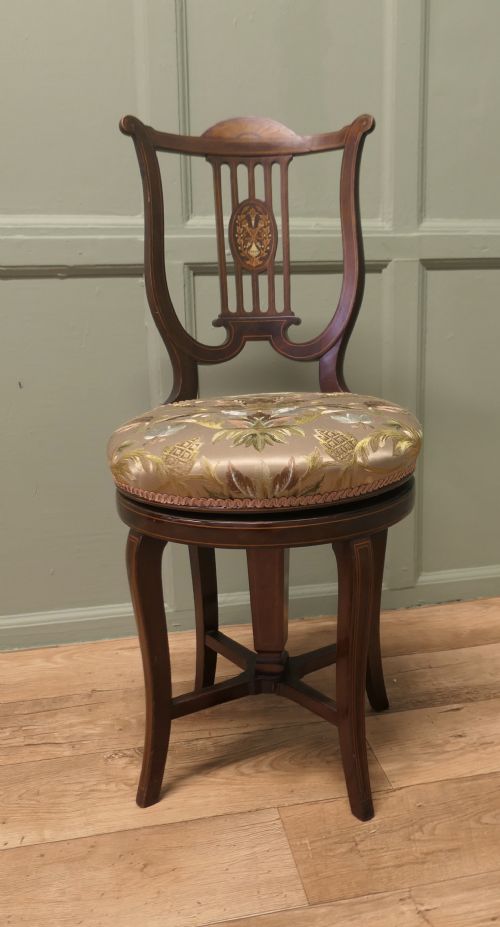
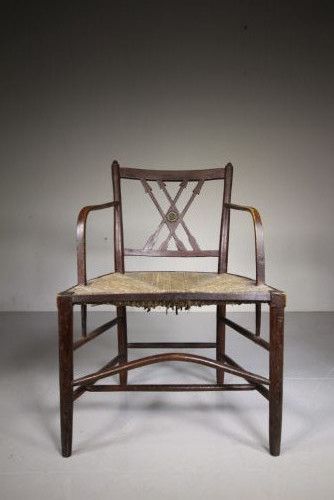
Makers utilised dense hardwoods like mahogany and oak for structural integrity and carved detail, pairing them with elm and beech for turned spindles and Windsor frames. Joinery relied on mortise and tenon construction, occasionally supplemented by cane seats, leather upholstery, and brass or mother-of-pearl inlay.
Surface finishes applied to dark wood seating include polished polish, original paint, and wax, preserving the natural grain of the timber. Frame assembly often combined turned components with steam-bent parts in country seating, while formal dining chairs featured hand-carved splats and shield backs.
A child's stick-back armchair proves that even the smallest family members required proper primitive seating in the nineteenth century.
Distinctions in quality
Quality in dark wood seating rests upon the precision of the joinery and the selection of the timber grain. Finer examples display crisp, hand-carved details and harmonious proportions, whereas simpler utilitarian items prioritise robust construction over ornament.
The integrity of the original structure and the survival of an untouched surface finish separate standard production pieces from those attributed to notable makers or regional traditions.
Jennens and Bettridge·Gillows·Philip Clissett
The Dark Wood Seating Glossary
- Windsor chair
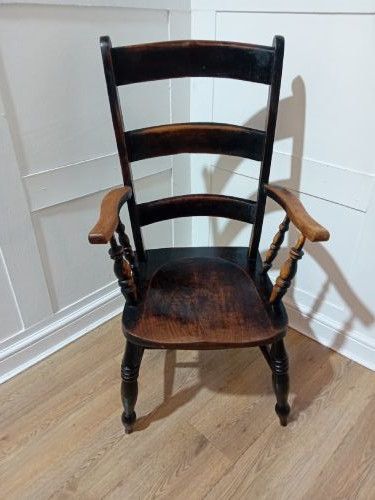
- A chair built with a solid wooden seat into which the legs and back spindles are inserted directly. This form developed through regional English traditions using mixed woods like elm and beech.
- Shield back
- A chair back shaped like a heraldic shield, popular in eighteenth-century formal dining chairs. This design often incorporates carved splats or drapery motifs.
- Carver chair
- An armchair designed to match a set of single dining chairs, traditionally placed at the head of a table. These pieces feature elbow rests alongside the standard back design.
- Hall chair
- A rigid wooden seat intended for entrance halls, typically un-upholstered and featuring a carved or painted family crest on the back. These items were made to impress visitors rather than provide prolonged comfort.
Dark Wood Seating: Frequently Asked Questions
How do I identify a Georgian chair?
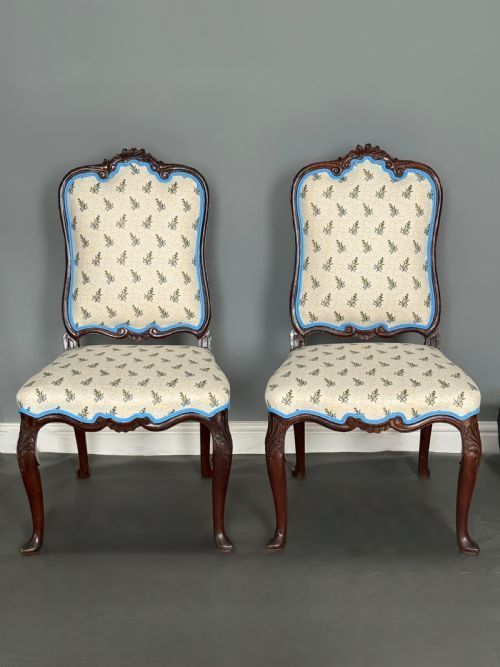
Georgian chairs typically exhibit dense mahogany timbers, hand-carved splats, and restrained decorative motifs such as ribbon backs or plain cabriole legs. Their construction reflects eighteenth-century proportions and joinery techniques.
Later Victorian interpretations often emulate these earlier styles but frequently employ heavier proportions and machine assistance in their carving.
Are these chairs suitable for daily use?
Many solid wood dining chairs and armchairs remain robust enough for daily seating when the underlying joinery is sound. Checking the stability of the legs and seat joints ensures safe modern utility.
Upholstered sections or cane panels may require careful handling or occasional conservation depending on their age.
How do I care for antique wood?
Maintaining antique timber involves applying traditional beeswax and avoiding placement near direct heat sources or strong sunlight. Regular dusting with a soft dry cloth protects the polished surface.
Excessive moisture should be kept away from all historic wood and joined elements.