


Traditional Hall Seat
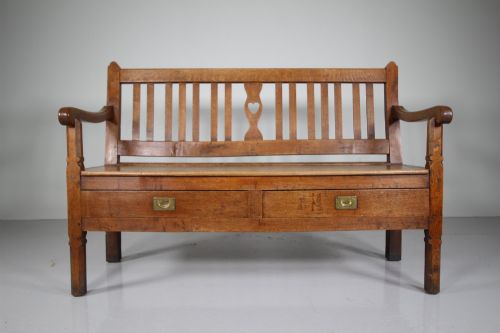
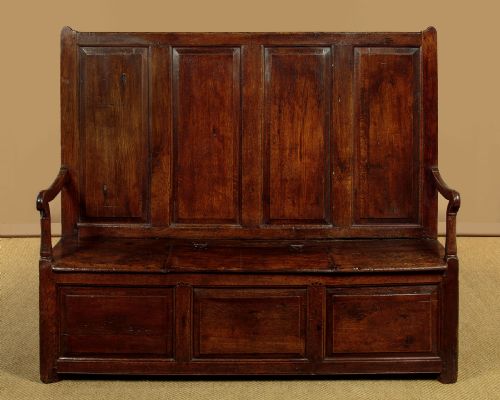
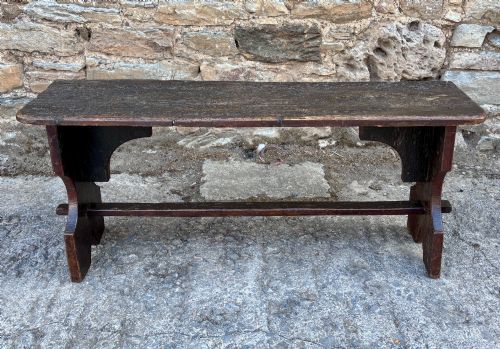
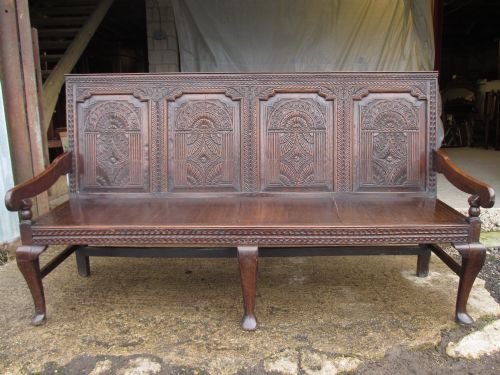
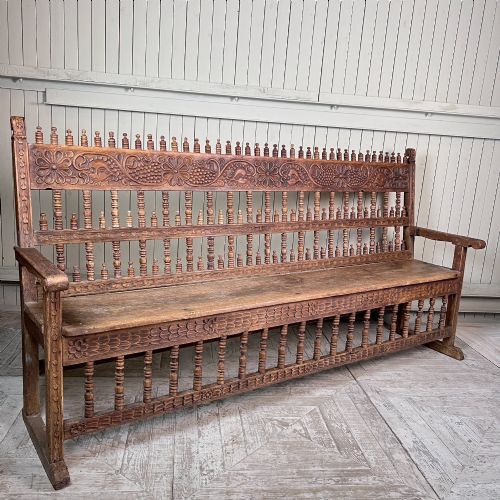
A traditional hall seat serves as the immediate greeting in an entrance, taking the form of sturdy benches and settles built to anchor a hallway.
Traditional Hall Seat
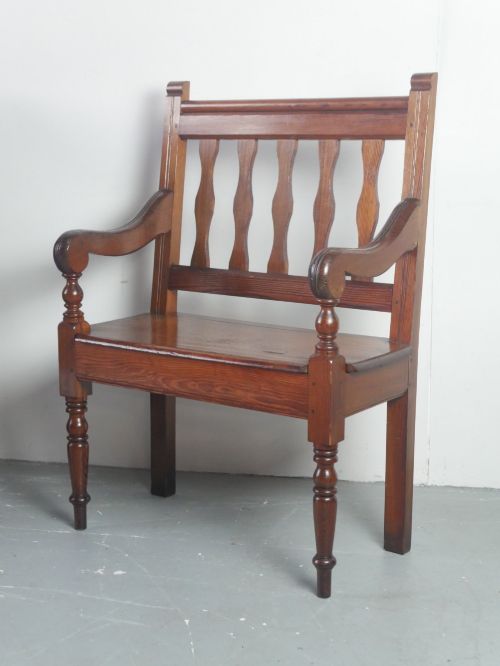
When searching for a traditional hall seat, buyers encounter a robust array of entrance furniture, principally benches, settles and hall chairs designed to sit in corridors and reception spaces.
The pieces appearing on this page span several centuries, reaching from the seventeenth century through Georgian and Regency periods into the Victorian era and the early twentieth century.
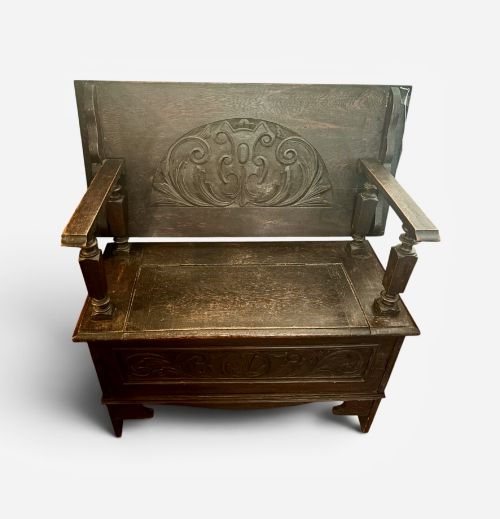
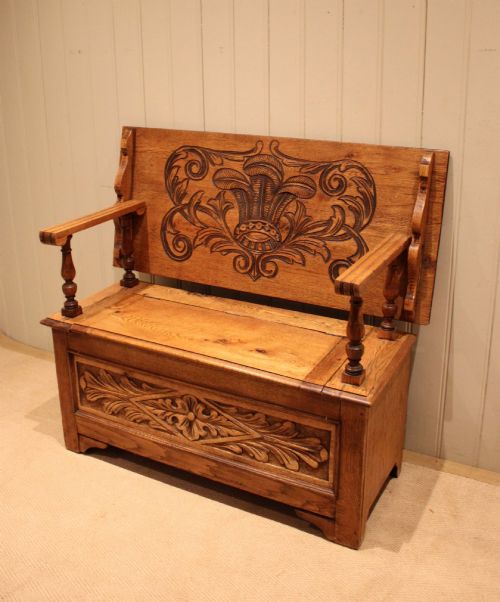
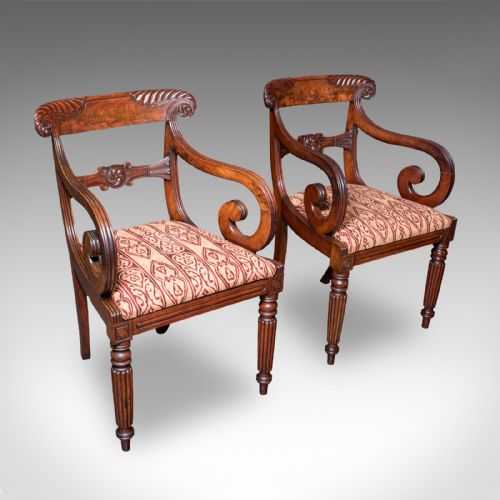
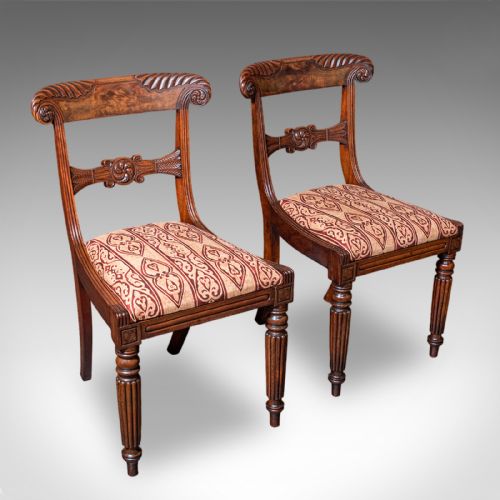
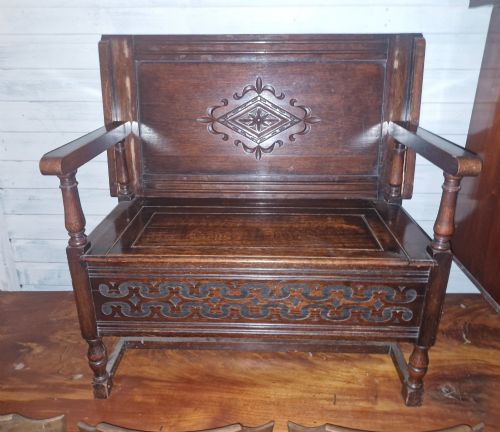
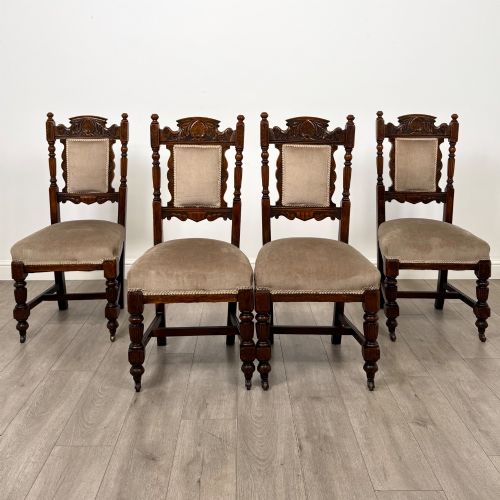
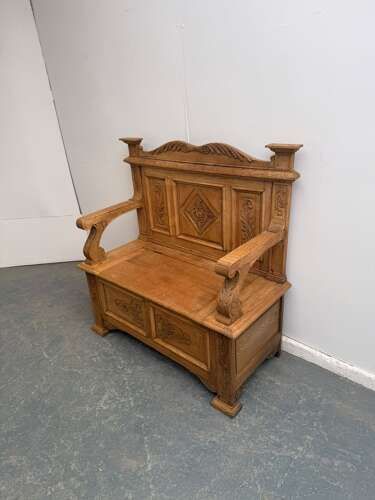
Forms range from simple pine and oak benches to carved box settles with lift-up seats and fold-over tops, alongside matched pairs of mahogany or walnut hall chairs.
How They Were Made
Timbers dominate the construction, with solid oak, mahogany, pine and walnut shaped into panelled backs, turned legs and heavy plank seats.
Joinery methods rely on traditional pegged mortise and tenon joints, complemented by hand-carved detailing, turned woodwork and occasional ebonised finishes.
Upholstery, where present, utilises fabric or leather secured to frames of oak, mahogany or rosewood, whilst simpler examples rely entirely on bare timber or rush seating.
A fold-over top transforms a modest hallway seat into a makeshift table, ready for impromptu correspondence.
What Varies in Quality
Quality rests upon the integrity of the timber and the depth of the carving, distinguishing utilitarian farmhouse benches from finely articulated reception seating.
The retention of original elements, such as lift-up lids on box settles and matching pairs of hall chairs, separates standard examples from altered or mismatched pieces.
Proportion and execution drive value, where crisp relief carving on seventeenth and eighteenth-century oak panels holds more weight than later revival work.
Charles Tozer
The Traditional Hall Seat Glossary
- Settle
- A wooden bench with a high panelled back, solid arms and frequently a box compartment beneath the seat. This form kept draughts away from entranceways.
- Hall Chair
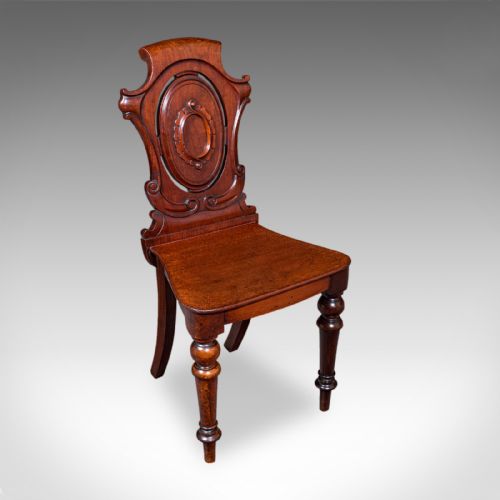
- A rigid wooden chair designed for an entrance hall rather than daily lounging, often featuring a solid wood seat and a carved shield or crest on the back.
- Box Settle
- A traditional bench incorporating a concealed storage chest beneath a lift-up seat lid. These pieces stored muddy boots and heavy winter garments.
- Wainscot Chair
- An early wooden armchair constructed from panelled oak, heavily associated with the seventeenth century. They display rigid upright backs and solid construction.
- Jacobean Revival
- A nineteenth-century design movement recreating the heavy carved oak aesthetic of the early seventeenth century. Furniture in this style employs dark polished timber and strapwork carving.
Traditional Hall Seat: Frequently Asked Questions
What is a traditional hall seat used for?
These pieces provide practical seating and storage within entranceways and reception corridors. Historically, they offered a place to sit while removing boots or waiting to be received.
Many incorporate lift-up lids or box compartments beneath the seat for concealing household items. Their upright posture suits transitional spaces rather than prolonged lounging.
How do I identify an eighteenth-century settle?
Eighteenth-century settles typically feature heavy oak construction with pegged joinery and fielded panel backs. The timber shows deep patination acquired through generations of domestic use.
Box versions often display hand-cut dovetails within the under-seat storage compartment. Tool marks and subtle asymmetries indicate manual construction before industrial standardisation.
Where should I place a hall bench?
A hall bench belongs in an entrance hall, boot room or wide corridor where its depth does not obstruct movement. High-backed settles work well against blank walls to create a sense of enclosure.
Pairing a bench with floor-standing coat storage or placing hall chairs symmetrically enhances the entrance layout. The robust timber construction withstands high foot traffic.
Are Victorian hall chairs comfortable?
Victorian hall chairs are designed primarily for upright posture and formal reception rather than relaxation. Most examples feature solid wooden seats without upholstery.
Some variants include padded leather or fabric inserts framed in mahogany or oak. Their shallow depths and rigid backs keep visitors from lingering too long.
What is the difference between a settle and a bench?
A settle incorporates a high solid back and enclosed arms designed to block cold draughts in historical hallways. Benches generally feature open frames without high protective backrests.
Settles frequently include lidded box bases, whereas benches remain open beneath the seat plank. Both utilise durable timbers like oak and pine.