

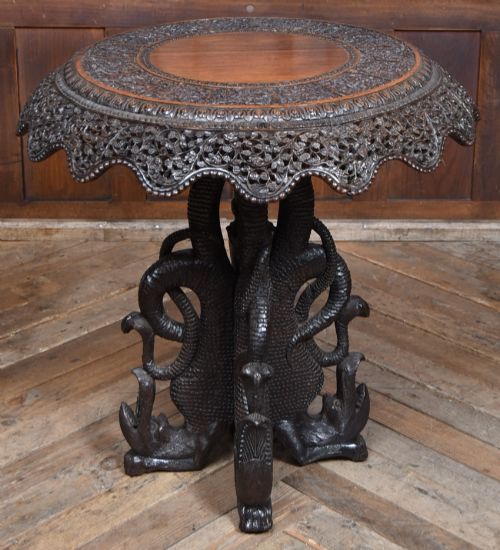
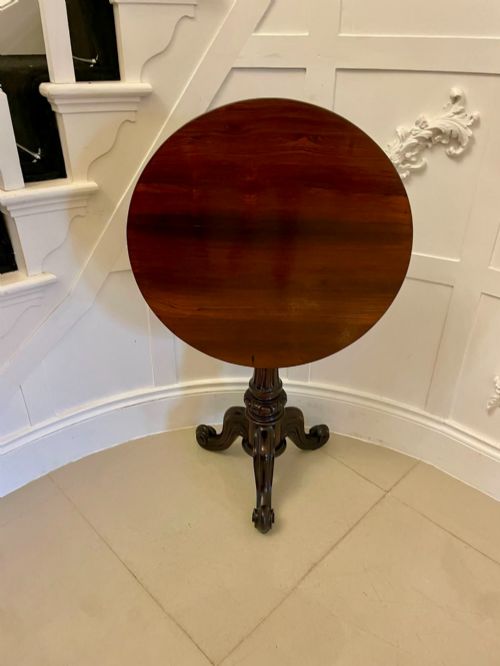

Dark Wood Pedestal
A dark wood pedestal brings solid timber and proportion to a room, supporting lamps, urns and small sculptures with quiet authority.
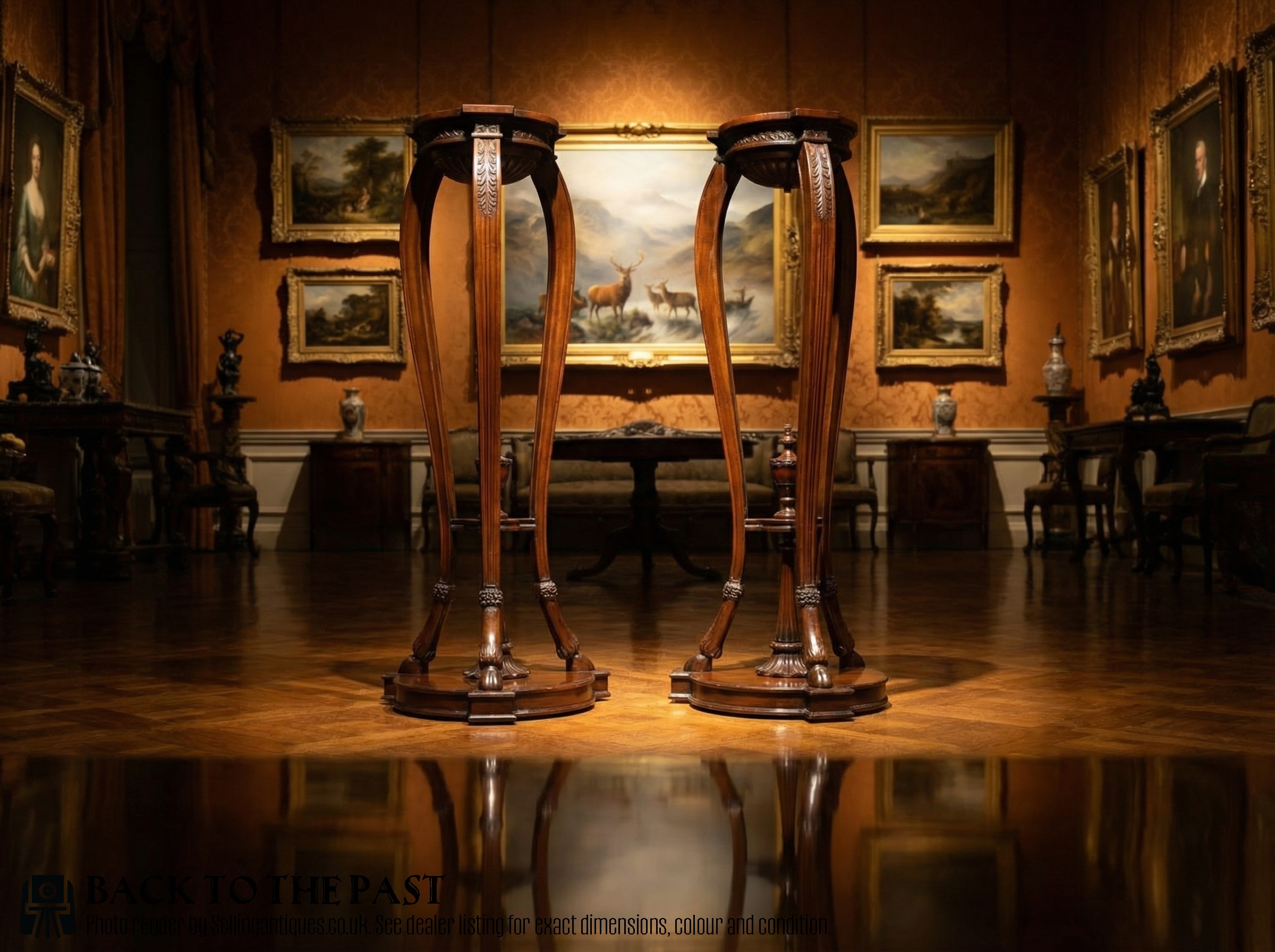
Dark Wood Pedestal
When you search for a dark wood pedestal, you look for sturdy columns and plant stands fashioned from rich timbers like mahogany, rosewood, oak and walnut. These supports elevate decorative items to eye level and anchor corners or empty wall spaces with vertical lines.
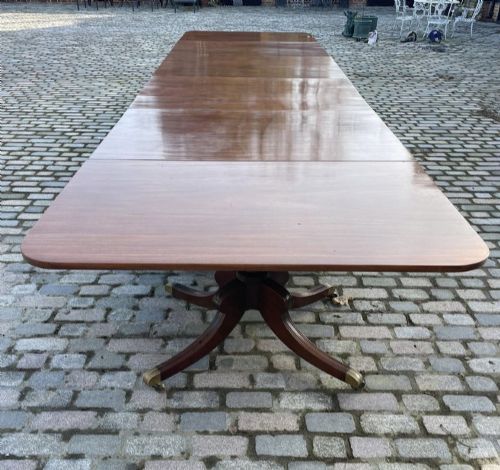
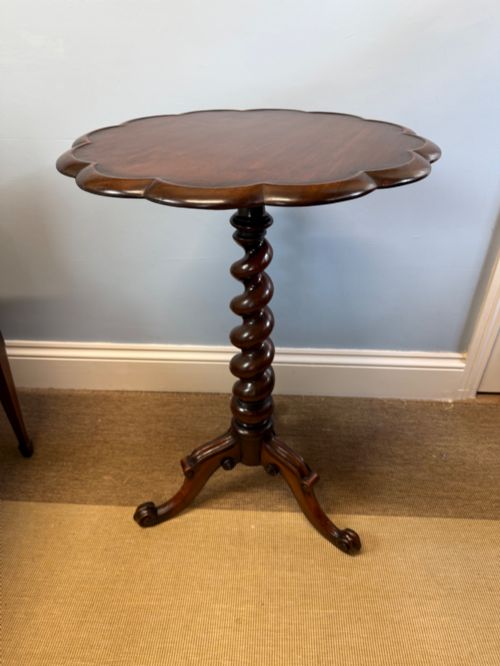
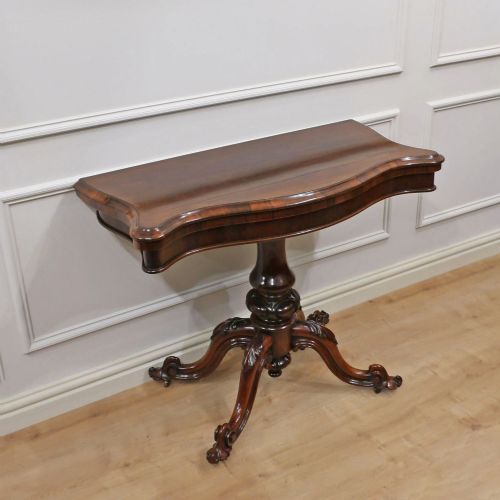
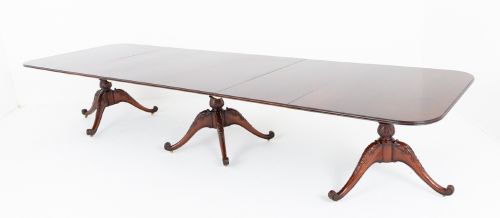
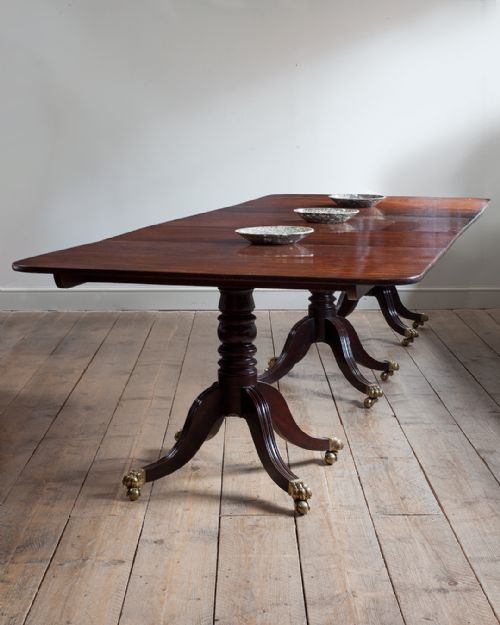
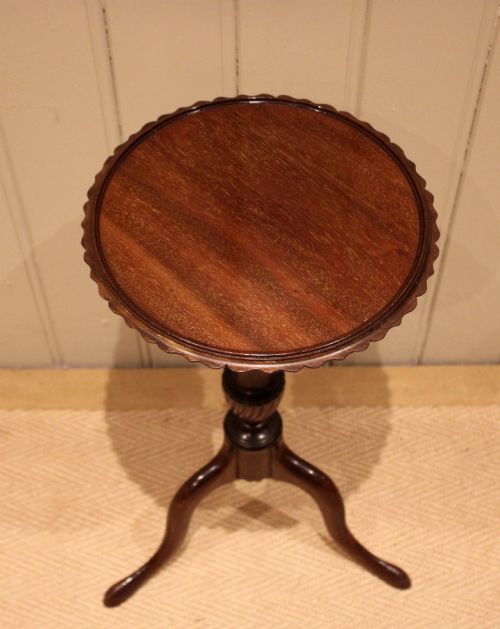
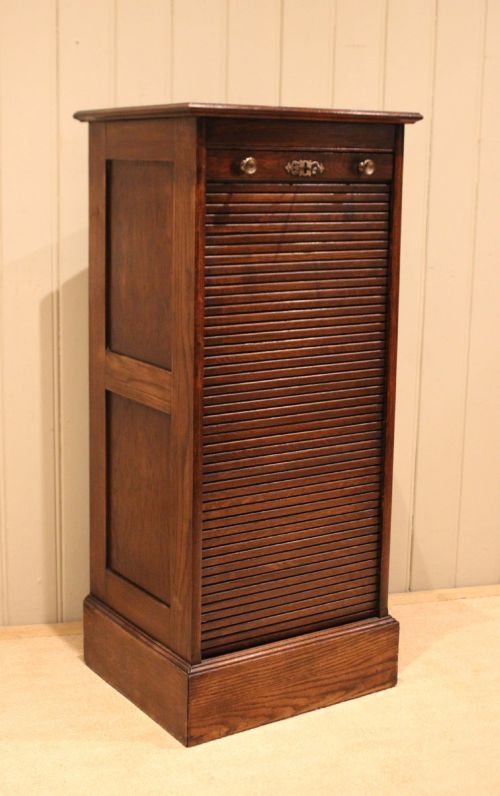
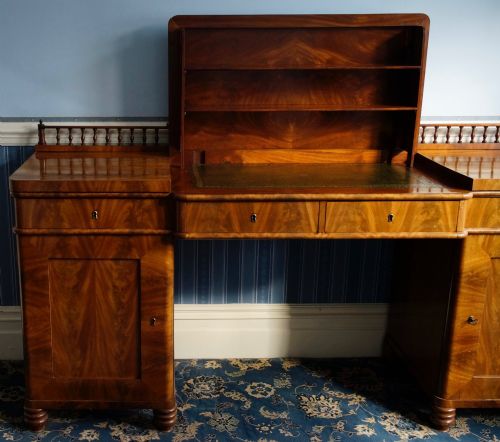
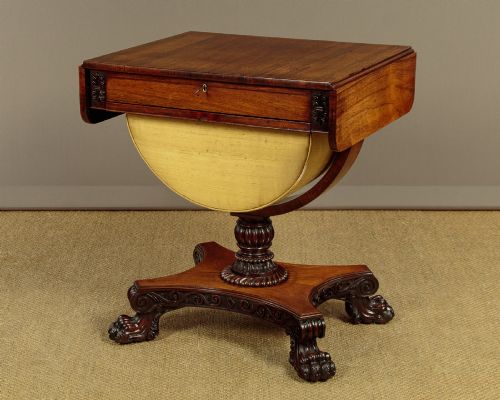
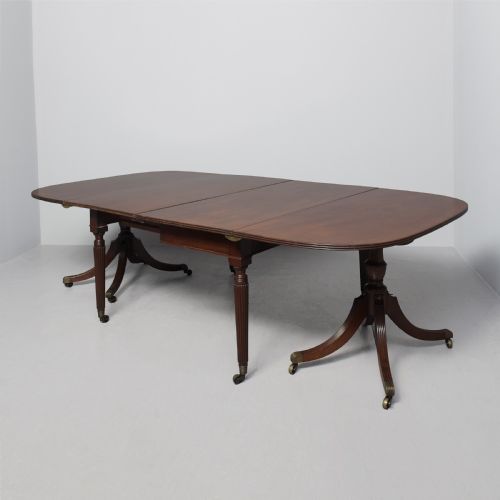
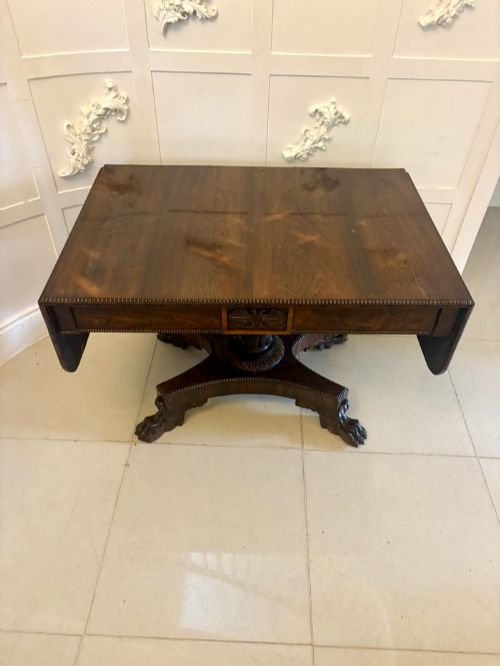
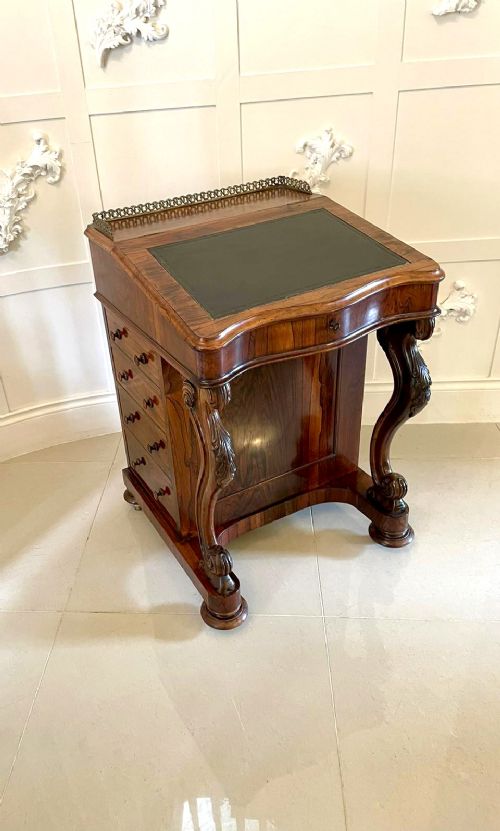
The versions most common on this page date from the nineteenth century, including Victorian and Edwardian examples alongside earlier Regency and Georgian interpretations. Many take the form of tripod tables, lamp tables and wine tables, while others stand as single columns designed purely to display an object.
Makers shaped these dark timbers into circular, square and fluted profiles, resting them upon robust feet or heavy central claws. The grain of the wood provides the primary visual interest, polished to a deep, dark lustre over decades of use.
How they were made
Joiners and cabinet makers constructed these pieces using dense hardwoods such as mahogany, rosewood, ebony and dark oak, selected for their strength and deep natural colour. They often turned solid timber on a lathe to create central columns, shaping collars, reeding and baluster profiles by hand.
Tables and display stands rely on stable joinery, frequently uniting a central pillar with three or four supporting feet using tenons and iron fixings. Surfaces receive multiple coats of polish or wax, rubbed down by hand to bring out the dark grain of the mahogany and walnut without obscuring the figure of the wood.
Dark Wood Pedestal Retail Price Guide 2026
Typical asking prices for dark wood pedestal among the pieces listed under this phrase on Sellingantiques today, from the lower quarter to the upper quarter. They describe what is for sale here now, not the wider market.
Listings feature timbers including mahogany, rosewood, oak, ebony and walnut across the nineteenth and early twentieth centuries.
What varies in quality
The distinction between ordinary and superior pieces rests upon the selection of the timber and the crispness of the carving on the column and base. Solid rosewood and figured mahogany with rich, natural grain command greater respect than plain secondary woods stained to imitate them.
Stability and weight distribution determine the utility of a pedestal, as top-heavy forms require heavy, well-balanced bases to prevent tipping. Fine execution shows in the seamless fit of the column into the tripod legs and the absence of clumsy modern replacements in the timber.
Gillows of Lancaster·Trollope and Sons·George Bullock
The Dark Wood Pedestal Glossary
- Tripod table
- A small table supported by a single central pillar resting on three legs. These versatile pieces appeared frequently in Georgian and Victorian parlours.
- Tilt-top table
- A table with a hinged top that folds vertically when not in use, allowing it to stand flat against a wall. This mechanism saved space in smaller period rooms.
- Wine table
- A compact, low table designed to hold a bottle and glasses beside a chair. They typically feature a turned pedestal and a small circular top.
- Pembroke table
- A drop-leaf table with hinged flaps on either side that extend the surface area when needed. They often incorporate a small drawer beneath the top.
- Triform base
- A three-sided or triangular support structure resting on three feet, commonly seen beneath nineteenth-century centre tables and heavy pedestals.
Dark Wood Pedestal: Frequently Asked Questions
What is a dark wood pedestal used for?
These pieces serve primarily to elevate lamps, bronzes, clocks and decorative urns within a room. Their vertical format draws the eye upward and makes use of awkward corners.
Historically, smaller versions functioned as wine or occasional tables beside seating, while taller columns remained dedicated display points.
How do I care for rosewood and mahogany?
Protect the dark polished surfaces by keeping timber away from direct sunlight and radiators, which dry out the wood and cause splitting. Regular dusting with a soft cloth prevents surface scratches.
Apply a traditional beeswax polish occasionally to nourish the grain and maintain the deep sheen without building up a heavy, sticky residue.
How can I tell a Victorian pedestal from a Regency one?
Regency pieces often display cleaner classical lines, brass inlay and lighter proportions inspired by ancient Roman and Greek forms. They frequently date from the early nineteenth century.
Victorian examples tend to be heavier and more heavily carved, featuring robust turnings, dark rosewood or walnut, and more ornate detailing on the base.
Are these pedestals stable enough for heavy items?
Solid hardwood construction and heavy tripod or triform bases give these supports considerable stability for normal decorative objects. The weight of the timber itself keeps the centre of gravity low.
Tall, narrow columns require careful placement on level flooring to ensure that heavy marble figures or large lamps remain secure.