

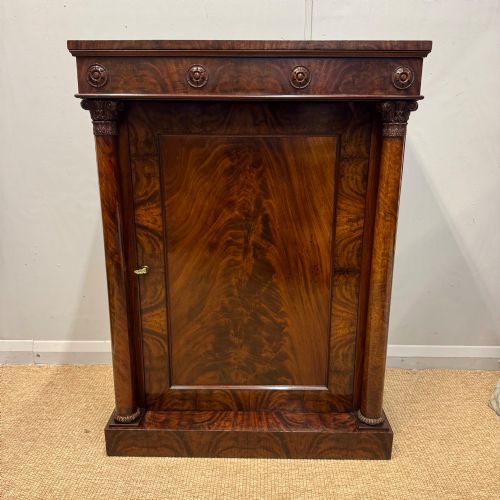
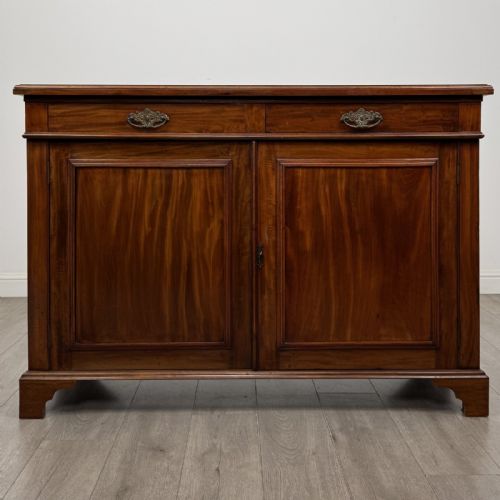
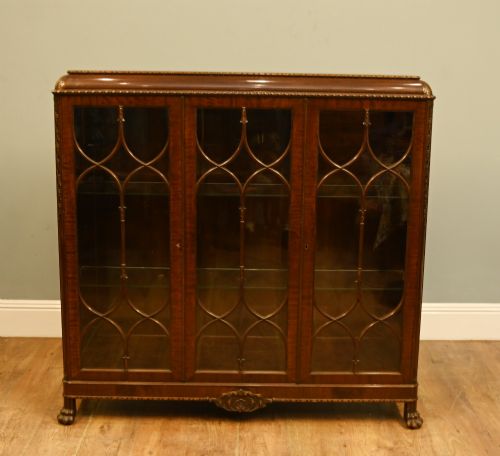
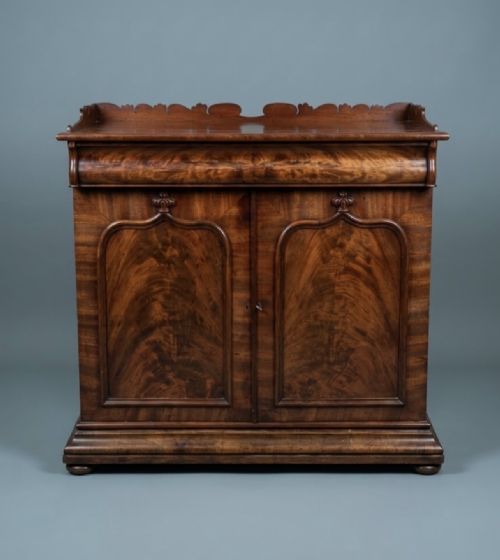
Dark Wood Low Cupboards
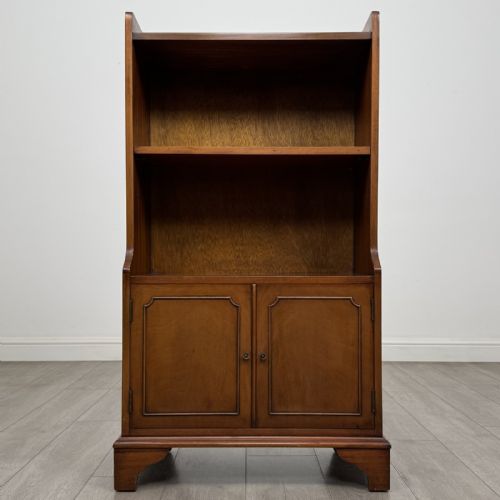
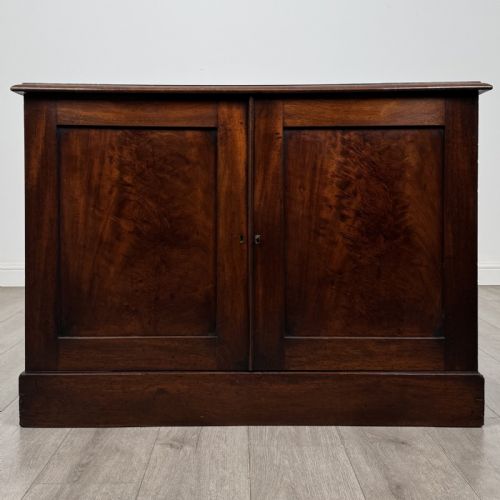
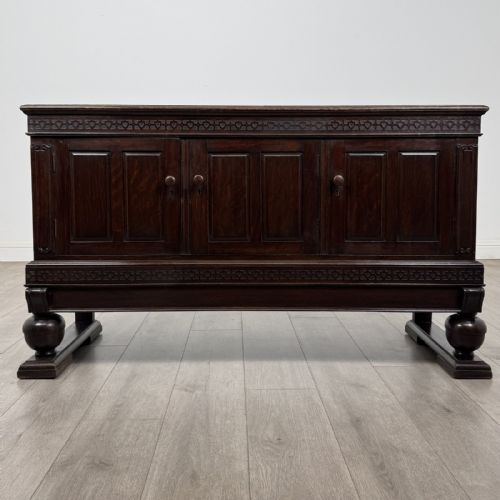
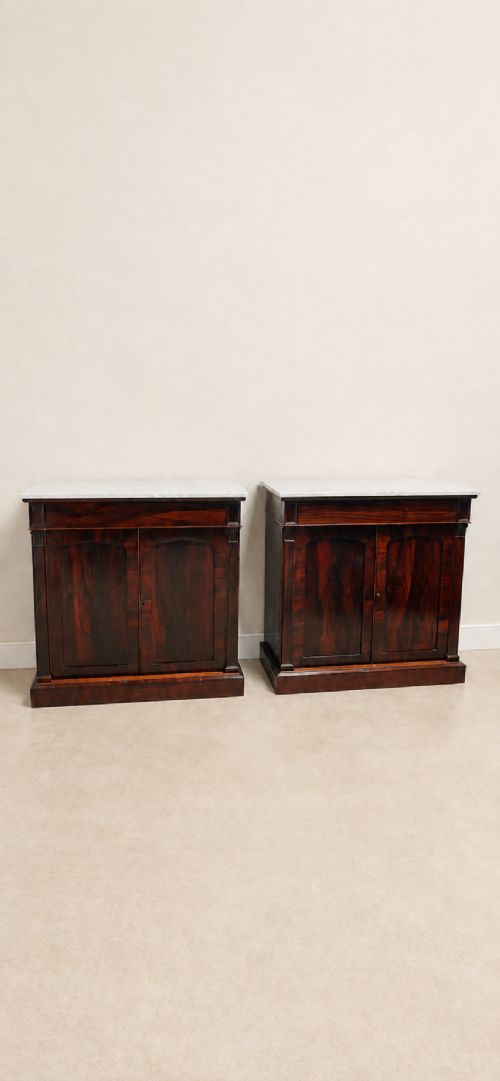
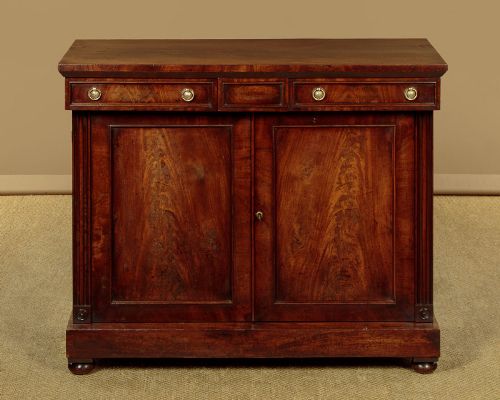
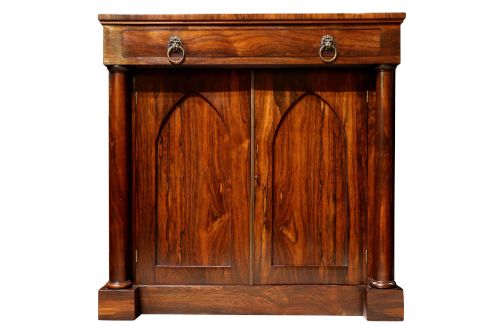
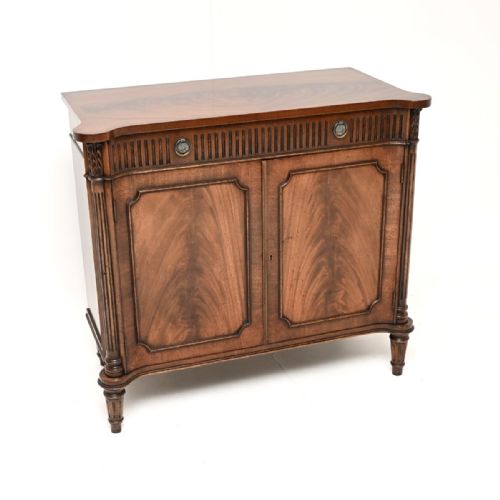
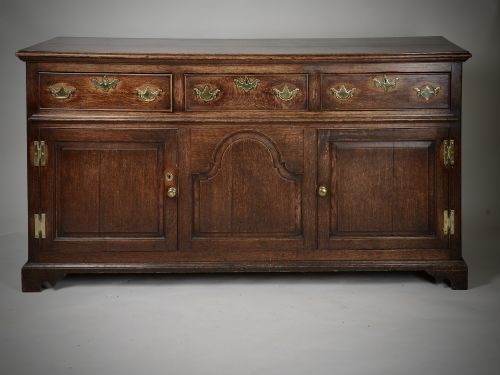
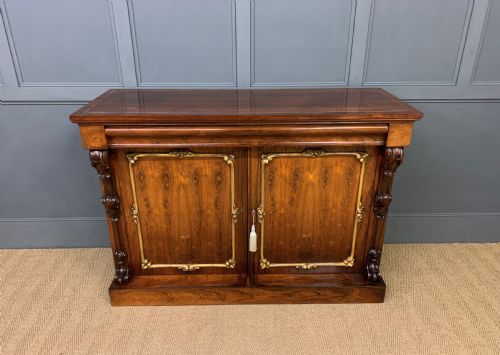
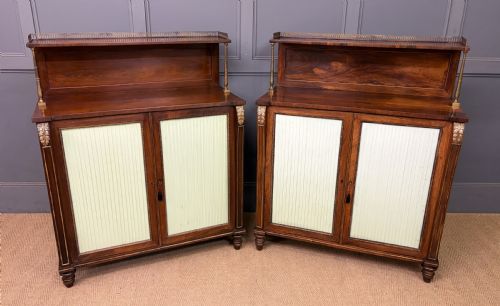
Dark wood low cupboards bring practical storage and rich grain to a room, ranging from Regency rosewood side cabinets to Georgian oak dresser bases.
Dark Wood Low Cupboards
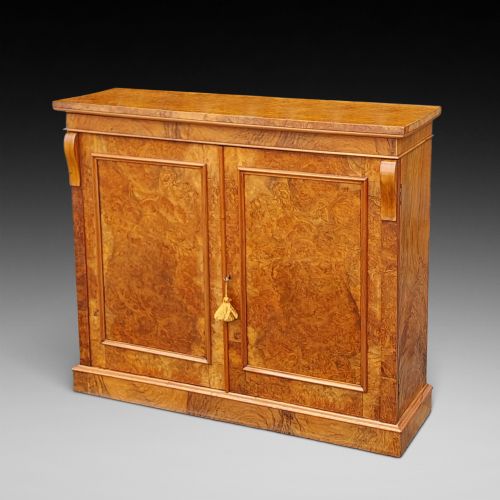
When you search for dark wood low cupboards, you encounter a selection of low-slung storage furniture spanning the eighteenth, nineteenth and early twentieth centuries. These pieces encompass side cabinets, dwarf linen presses, chiffoniers and dresser bases intended for practical use across different domestic settings.
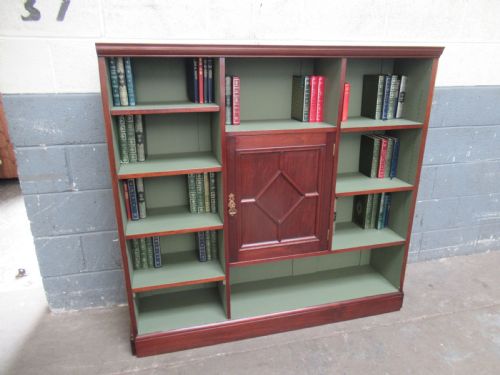
The versions most frequently met on this page date from the Regency and Victorian eras, executed in richly figured rosewood and mahogany. Alongside these formal pieces, earlier Georgian and later Edwardian examples in oak provide substantial timber grain and lower proportions suited to modern rooms.
Materials and construction
Cabinet makers utilised dense hardwoods such as mahogany, oak and rosewood, often applying flame mahogany veneer or simulated rosewood finishes to create dramatic surface patterns. Structural integrity relied on solid timber carcases joined with traditional cabinet-making methods, while decorative elements incorporated brass inlay and glass panels.
Surfaces were finished to highlight the natural depth of the dark timber, ranging from deep brown oak to reddish mahogany and purple-hued rosewood. Secondary woods were used for internal framing and drawer linings, ensuring stable construction alongside the decorative exterior veneers.
Dark Wood Low Cupboards Retail Price Guide 2026
Typical asking prices for dark wood low cupboards among the pieces listed under this phrase on Sellingantiques today, from the lower quarter to the upper quarter. They describe what is for sale here now, not the wider market.
Green Man carvings peer out from early oak dresser bases, keeping a watchful, leafy eye on centuries of household suppers.
Evaluating quality and proportion
Quality rests in the selection of timber veneers and the crispness of carved details, such as the brass inlay work found on Regency pieces or the linen-fold carving on oak examples. Better pieces display continuous grain matching across doors and drawers, demonstrating careful planning by the maker.
Proportion and scale distinguish finer examples, particularly in dwarf and low forms where maintaining a balanced height requires careful design. Original brass mounts, glass panes and fitted interior shelving further separate standard utilitarian pieces from exceptional cabinet work.
The Dark Wood Low Cupboards Glossary
- Chiffonier
- A low cabinet featuring shelves or a raised back, popular during the Regency and Victorian periods for storing dining room silver or parlour items.
- Dresser base
- A long, low wooden table with drawers and cupboards beneath, originating in country houses for kitchen and dining storage.
- Breakfront
- A cabinet design where the central section projects forward from the flanking outer cupboards, creating architectural depth.
- Goncalo Alves
- A dense exotic hardwood with striking dark brown and golden-brown figuring, utilised for high-status nineteenth-century cabinets.
- Linen press
- A tall or low piece of furniture designed originally for storing folded linen, featuring panelled doors opening to interior trays or shelves.
Dark Wood Low Cupboards: Frequently Asked Questions
Where should I place a low cupboard?
These low proportions allow cabinets to sit comfortably beneath windows or along hallways without blocking light or overwhelming wall space. Their compact height also suits placement in living rooms for media storage or in dining areas.
Positioning them away from direct heat sources protects the timber veneers and polished surfaces from drying out. Pairing a low cabinet with artwork or a mirror above creates a balanced focal point in a room.
How do I care for rosewood and mahogany?
Maintenance involves dusting with a soft, dry cloth and applying natural beeswax periodically to nourish the timber and preserve the polish. Avoid using modern silicone sprays that can build up a residue on antique finishes.
Keeping the furniture out of direct sunlight prevents the rich dark tones of rosewood and mahogany from fading unevenly over time. Maintaining stable room humidity protects the wood and underlying veneers from movement.
What is the difference between a chiffonier and a side cabinet?
A chiffonier typically includes a raised superstructure with shelves on top of a low two-door cupboard, designed specifically for nineteenth-century parlours. Side cabinets present a cleaner top surface without shelves, offering versatile storage across various domestic rooms.
Both forms utilise dark timbers like rosewood and mahogany, often featuring glazed or fabric-backed doors. Examining the upper section clarifies whether the piece was intended for display shelving or flat-surfaced utility.
How do I identify Regency furniture?
Regency pieces, dating from the early nineteenth century, frequently showcase classical architectural motifs, brass inlay, and dark exotic veneers like rosewood. Proportions tend to be neat and balanced, reflecting neoclassical design influences.
Looking closely at the interior construction, drawer dovetails and backboards helps confirm the period of manufacture. Hardware such as brass ring pulls and lion mask mounts provide further dating clues for pieces from this era.