



Antique Grille Door Bookcases
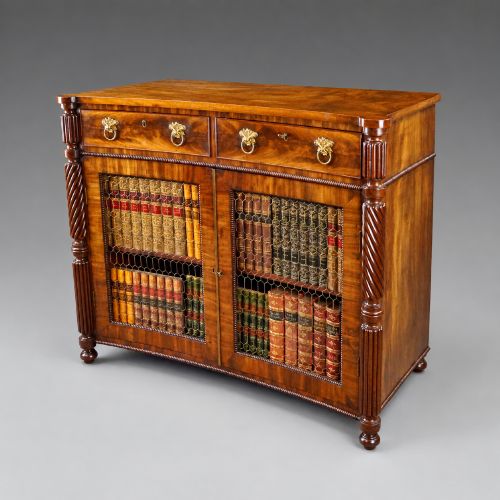
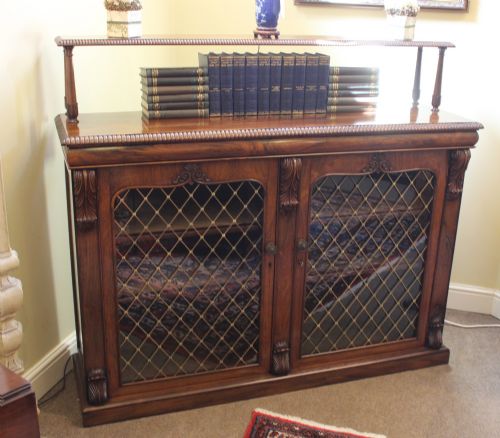
These antique grille door bookcases bring refined timber and woven wirework together to display a library with architectural poise.
Antique Grille Door Bookcases
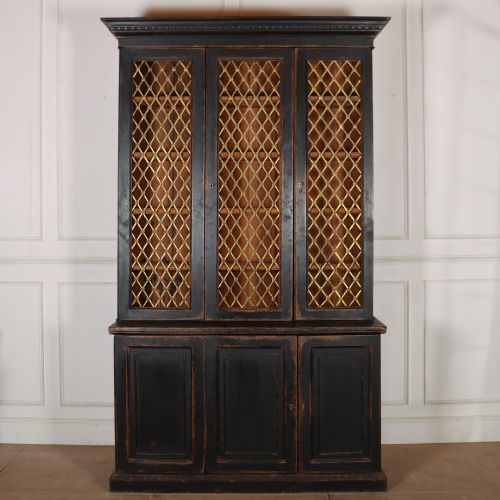
Antique grille door bookcases combine enclosed cabinetry with mesh or brass wire doors, designed to protect fine volumes while keeping titles visible.
You meet pieces spanning from the 18th century through the Victorian and Edwardian eras, executed in forms ranging from compact chiffoniers to substantial breakfront library cabinets.
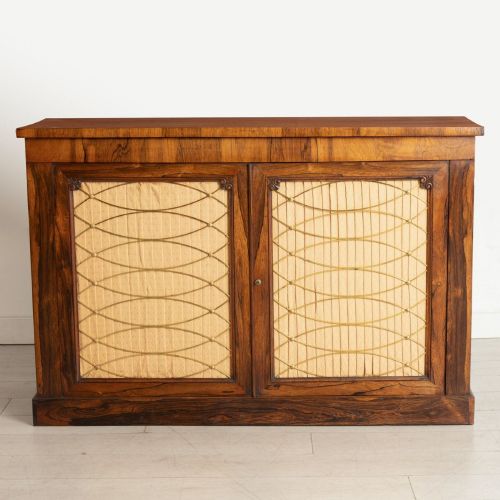
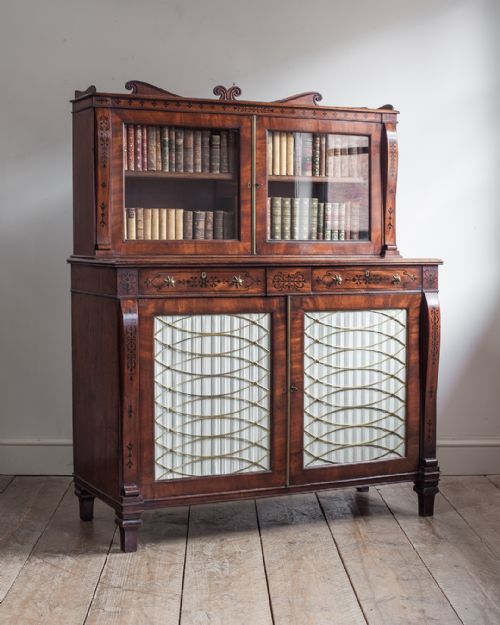
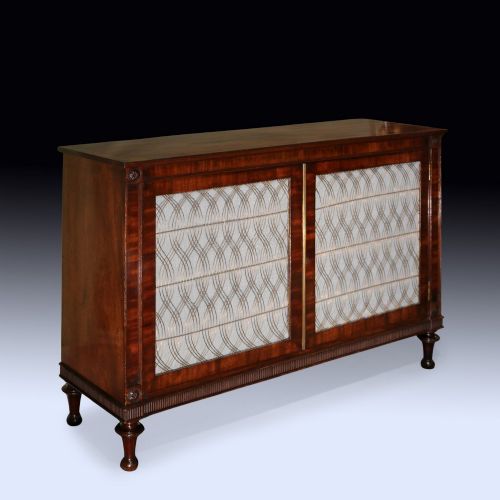
Mahogany and rosewood dominate the selection, often enriched with brass inlay, fabric backing behind the mesh, and adjustable shelving.
Materials and construction methods
Cabinet makers utilised dense hardwoods such as mahogany, rosewood, walnut, and pollard oak, frequently selected for striking grain patterns or finished with painted surfaces.
Fine brass wirework or metal grilles are inset into glazed or timber-framed doors, sometimes backed with pleated fabric to conceal shelf contents while admitting light.
Joinery methods include precise breakfront carcass construction, brass inlay work, and adjustable shelf rack systems housed within substantial timber frames.
Antique Grille Door Bookcases Retail Price Guide 2026
Typical asking prices for grille door bookcases among the pieces listed under this phrase on Sellingantiques today, from the lower quarter to the upper quarter. They describe what is for sale here now, not the wider market.
Listings feature woods spanning mahogany, rosewood, walnut, satinwood, pollard oak, and Gonçalo Alves across the 18th, 19th, and early 20th centuries.
Distinctions in quality and execution
The distinction between standard cabinet work and exhibition grade pieces rests on the choice of timber figures, such as figured mahogany or striking Gonçalo Alves, alongside crispness in brass inlay.
Structural complexity sets apart simple two-door side cabinets from expansive four-door breakfront bookcases with sophisticated interior shelving and refined cornice mouldings.
Gillow
The Antique Grille Door Bookcases Glossary
- Grille door
- A cabinet door inset with woven wire or brass mesh instead of plain glass, allowing ventilation and visibility for stored books.
- Breakfront
- A piece of furniture where the central section projects forward from the flanking wings, creating a pronounced architectural rhythm.
- Chiffonier
- A low cabinet, popular during the Regency and Victorian periods, often combining enclosed lower storage with upper shelving or display space.
- Gonçalo Alves
- A dense, highly figured exotic hardwood prized for its striking contrasting grain patterns in high-status furniture.
- Pollard oak
- Timber taken from trees that have been pollarded, producing a gnarled, highly decorative grain highly sought after in early 19th-century cabinet making.
Antique Grille Door Bookcases: Frequently Asked Questions
What are antique grille door bookcases?
These pieces are enclosed storage units featuring wire mesh or metal grilles set into the doors, designed to house and protect library collections.
They appear across various periods from the Georgian era to the Edwardian period, utilising rich timbers like mahogany, rosewood, and walnut.
How were grille door cabinets used?
Owners used them in libraries and drawing rooms to store valuable volumes while allowing air circulation and a clear view of the bindings.
The inclusion of fabric behind the wire mesh often served to keep out dust and obscure the interior shelving.
How do I style an antique bookcase?
Place the piece against a principal wall in a study or living room, allowing adequate clearance for the doors to open fully.
Balance the interior shelving with collections of books and decorative objects that complement the rich tones of the timber.
How do I date an antique bookcase?
Dating relies on observing timber choices, such as rosewood and pollard oak, alongside stylistic indicators like Regency brass inlay or Victorian breakfront proportions.
Hardware details and the complexity of the internal shelving rack systems also provide clear chronological markers.