

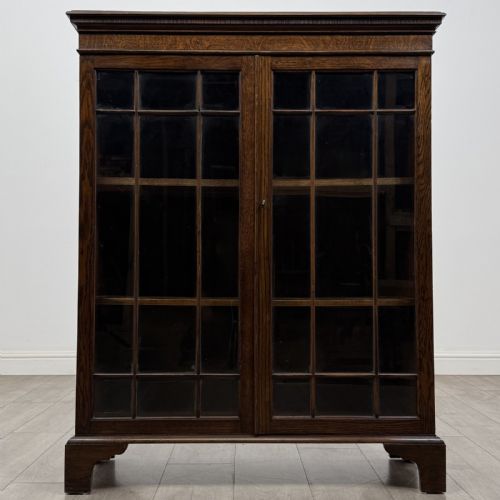
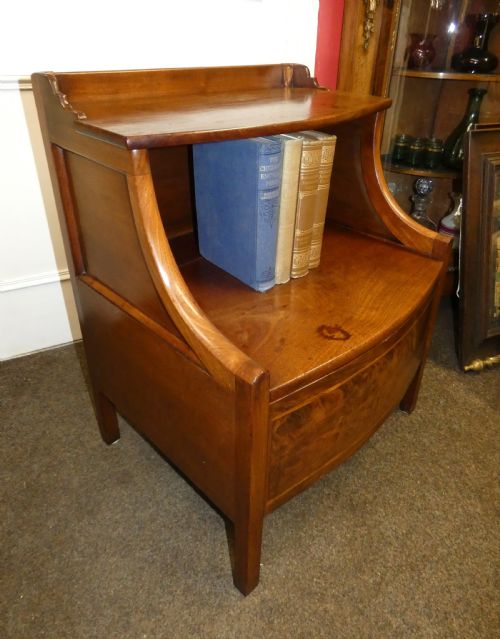
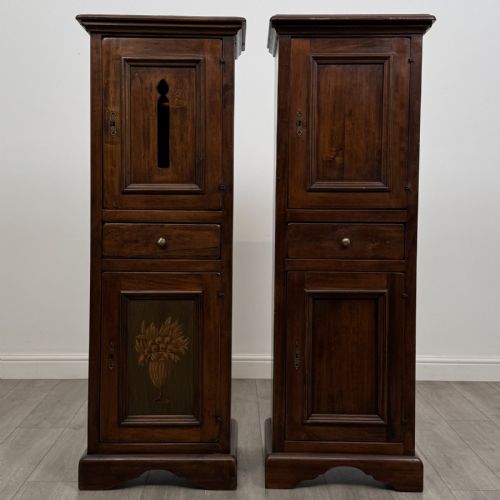
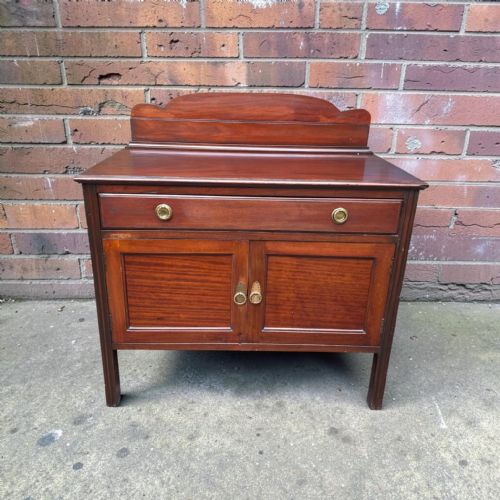
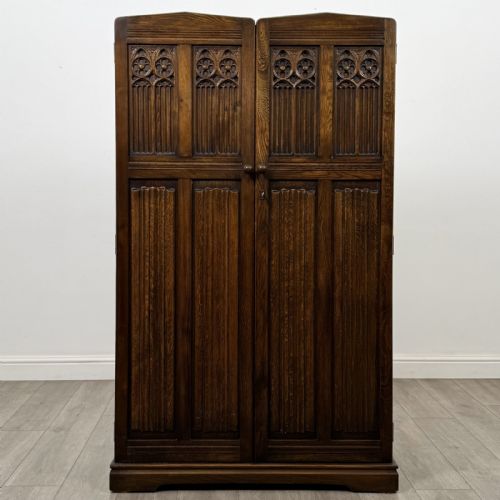
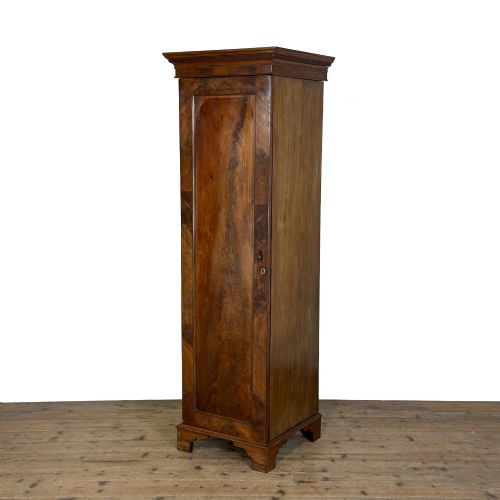
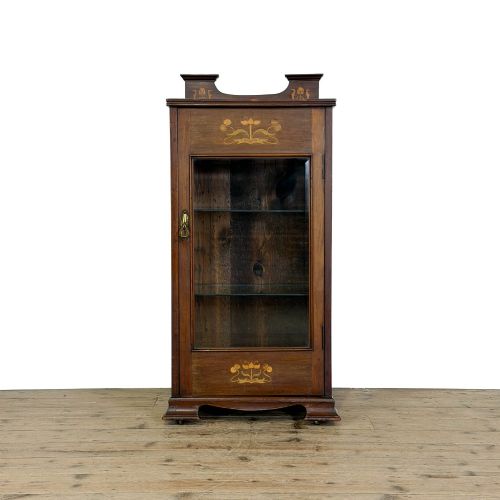
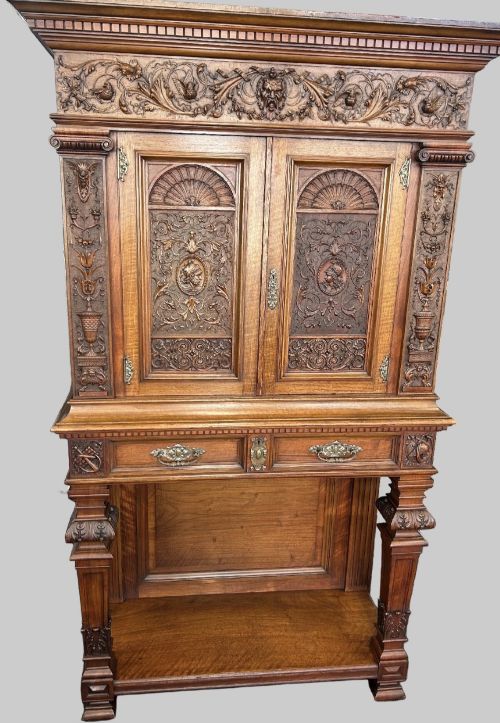

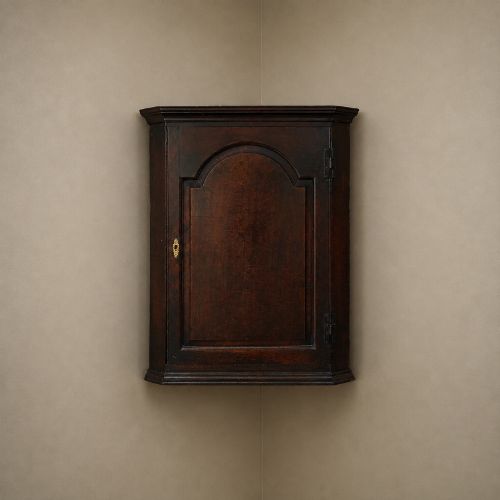


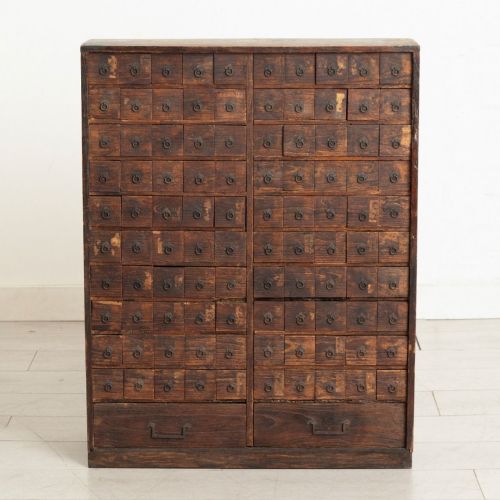
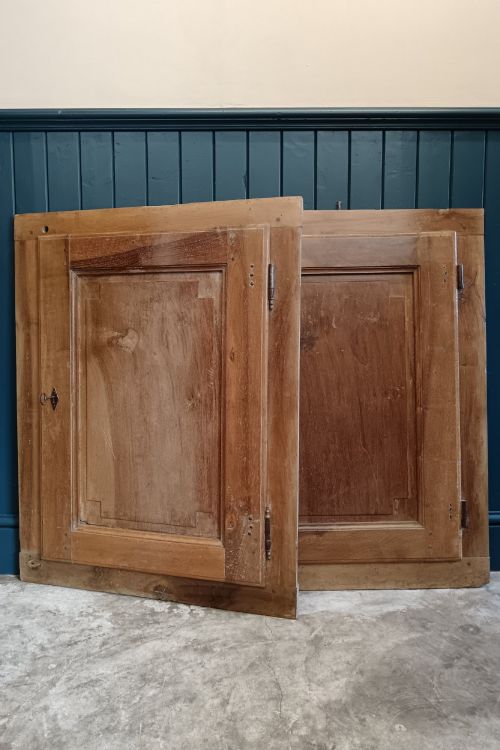

Antique Dark Timber Cupboards
Antique dark timber cupboards bring substantial presence and rich grain into a room, offering practical storage disguised in centuries of craft.
Antique Dark Timber Cupboards
These items encompass everything from utilitarian housekeepers' food cupboards and corner cabinets to refined display pieces and bedside night tables. When searching for antique dark timber cupboards, buyers encounter pieces spanning multiple centuries, featuring forms intended for corners, walls, and freestanding placement.
The selection reflects diverse regional origins, including English country houses, French provinces, Italian workshops, and Asian ateliers. Structural types range from tall wardrobes and bookcases to compact side cabinets and apothecary drawers.
Solid timber construction dominates the category, utilising durable woods selected for their deep colour and robust grain. Many examples integrate glass panels, brass fittings, or carved details that distinguish formal reception rooms from utility spaces.
Materials and construction methods
Cabinet makers relied primarily on dense hardwoods such as mahogany, oak, walnut, rosewood, and padouk, which provided structural integrity alongside rich natural tones. These timbers were frequently joined using traditional methods like mortise and tenon joints to withstand decades of daily use.
Surface finishing involved hand-applied waxes, polishes, or lacquers that preserved the underlying grain while deepening the timber's inherent colour over time. Iron and brass hardware, including hinges, drop handles, and escutcheons, were cast and fitted by hand to secure heavy doors and drawers.
Antique Dark Timber Cupboards Retail Price Guide 2026
Typical asking prices for dark timber cupboards among the pieces listed under this phrase on Sellingantiques today, from the lower quarter to the upper quarter. They describe what is for sale here now, not the wider market.
Current listings feature pieces spanning the seventeenth century through to the 1930s, constructed in mahogany, oak, walnut, rosewood, and pine.
Distinctions in construction and design
The degree of hand-carving and decorative inlay heavily influences the visual weight and sophistication of a piece, separating utilitarian storage from grand reception furniture. Superior examples exhibit precise joinery, well-matched timber veneers, and original hardware that integrates seamlessly with the primary structure.
Proportion and the integrity of the original timber finish dictate the overall harmony of the cabinet. Pieces that retain their historic patination without excessive modern intervention demonstrate greater fidelity to their period of origin.
The Antique Dark Timber Cupboards Glossary
- Corner cabinet
- A storage unit specifically built with an angled footprint to fit neatly into the corner of a room.
- Court cupboard
- A traditional heavy wooden storage piece featuring recessed upper sections and enclosed lower shelving, often dated to the seventeenth or eighteenth centuries.
- Shodana
- A traditional Japanese display cabinet featuring asymmetrical shelving and compartments designed for ornaments.
- Chiffonier
- A low Victorian sideboard or cabinet equipped with enclosed lower cupboards and often a raised shelf on top.
- Escutcheon
- A protective plate surrounding a keyhole, frequently cast from brass to complement the surrounding timber.
Antique Dark Timber Cupboards: Frequently Asked Questions
Where should I place a corner cupboard?
These units fit directly into unused room angles, making them practical for smaller spaces where a standard rectangular cabinet would project too far outward. They serve effectively in dining rooms for tableware or in living areas for display items.
Ensure the wall angles match the ninety-degree or obtuse geometry of the specific cabinet before purchase, as older pieces often reflect historic wall tolerances.
How do I maintain timber finishes?
Apply traditional beeswax periodically to nourish the wood and maintain a gentle sheen without building up synthetic residues. Avoid placing timber furniture in direct sunlight or near heat sources to prevent the wood from drying and splitting.
Dust regularly with a dry cloth and address spills immediately using a soft, damp cloth followed by thorough drying.
How can I identify a housekeeper's cupboard?
These large storage pieces were originally designed for domestic utility in country houses to store linens, provisions, or tableware. They usually feature substantial double doors concealing interior shelving or banks of drawers.
Their construction prioritises utility and robust durability, utilising heavy oak, chestnut, or mahogany timbers built to withstand heavy daily use.