



Dark Wood Fireplace Box
These dark wood fireplace boxes are timber containers built to hold coal or logs by the hearth, combining domestic utility with period craftsmanship.
Dark Wood Fireplace Box
A dark wood fireplace box serves to store solid fuel neatly beside the hearth while adding a decorative timber accent to the room. When searching for a dark wood fireplace box, buyers encounter forms ranging from simple rustic country log boxes to formal inlaid cabinets.
The selections span the Victorian and Edwardian eras, alongside earlier 18th century examples and late nineteenth century designs. Common object types include purdoniums, coal cabinets, scuttles, and log boxes.
Originating mostly from British domestic contexts with occasional folk art influences, these pieces utilise traditional cabinet-making forms adapted for fireside use. They frequently incorporate metal liners, zinc containers, and shovels to manage fuel cleanly.
How they were made
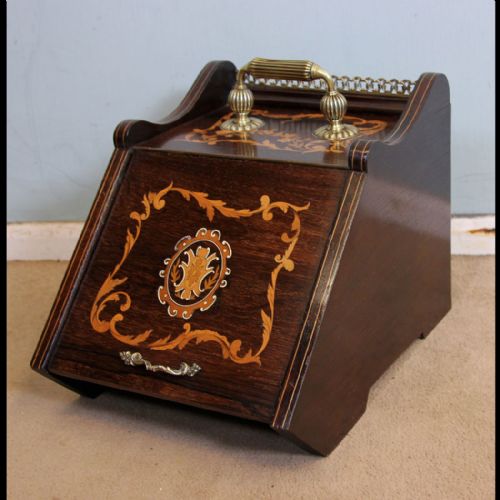
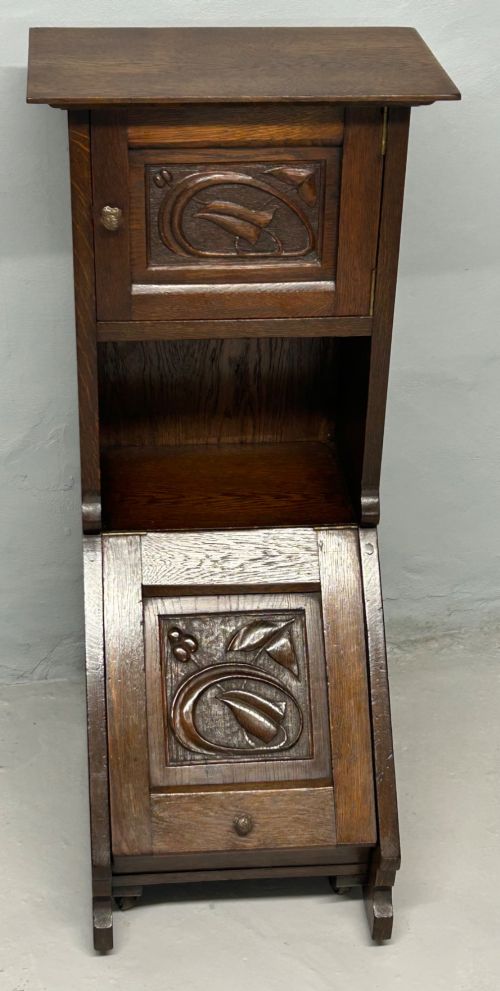
Construction relies heavily on dense timbers like oak, mahogany, and rosewood, often shaped into panelled boxes or cabinets. Artisans employed carving, chip carving, and intricate wood inlay to ornament the exterior surfaces.
Functional hardware is integral to the manufacture, featuring brass mountings, handles, and hinges that endure heavy daily use. Many examples incorporate internal metal or zinc liners to protect the wood from moisture and debris.
Dark Wood Fireplace Box Retail Price Guide 2026
Typical asking prices for dark wood fireplace box among the pieces listed under this phrase on Sellingantiques today, from the lower quarter to the upper quarter. They describe what is for sale here now, not the wider market.
Some 18th century foot warmers doubled as early heated footstools for chilly church pews.
What varies in quality
Quality reveals itself in the choice of timber and the precision of the joinery, distinguishing utilitarian containers from high status reception room cabinets. Richly figured rosewood and finely carved mahogany represent the upper end of the range.
The presence of sophisticated decorative techniques, such as contrasting wood inlay or detailed chip carving, elevates a piece beyond basic workshop output. Original brass mounts, matching scoops, and intact internal liners further indicate superior craftsmanship.
Liberty London
The Dark Wood Fireplace Box Glossary
- Purdonium
- A specialised coal cabinet featuring a sloping front door that drops forward to reveal an internal metal container for fuel. This design keeps coal dust contained while presenting a tidy wooden exterior.
- Chip Carving
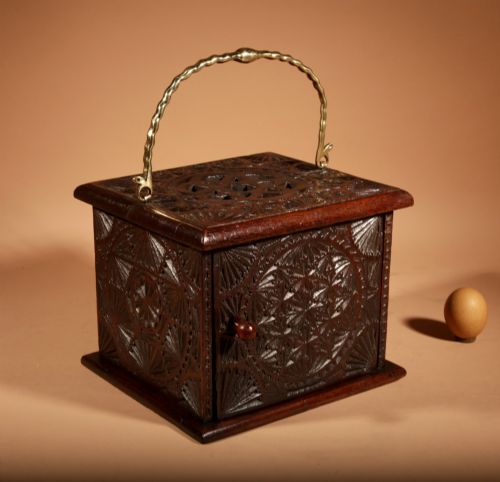
- A method of removing small chips from a wooden surface with a knife to create geometric patterns. This technique appears on vernacular items such as foot stoves and log boxes.
- Metal Liner
- A removable insert made of zinc or other metal placed inside the wooden box to hold coal or logs. It prevents moisture and dirt from damaging the surrounding timber.
- Fireside Companion
- An associated tool or accessory used alongside the main fuel container to tend the hearth. These often include shovels and coal scoops made of brass or iron.
Dark Wood Fireplace Box: Frequently Asked Questions
What is a purdonium?
A purdonium is a specific type of enclosed coal box featuring a hinged or sloping front flap that drops down for easy access to the fuel.
Inside, it typically holds a removable metal or zinc liner that contains the coal dust and protects the timber structure from wear.
How do I use a log box?
These wooden boxes sit beside the fireplace to keep logs and kindling organised and within reach for the hearth.
They function as both practical fuel storage and decorative furniture pieces that complement period interiors.
What woods were used?
Cabinetmakers utilised durable hardwoods such as oak, mahogany, and rosewood to construct these fireside containers.
These timbers were frequently selected to match the prevailing furniture styles of the Victorian and Edwardian periods.
Are liners original?
Many surviving examples retain their original metal or zinc liners, which were designed to catch debris and moisture from the fuel.
Their presence helps preserve the interior woodwork and indicates that the container remains complete with its intended fittings.