


Antique Hearth Coal Store
An antique hearth coal store keeps fuel close to the grate, combining practical metal or wood construction with period domestic design.
Antique Hearth Coal Store
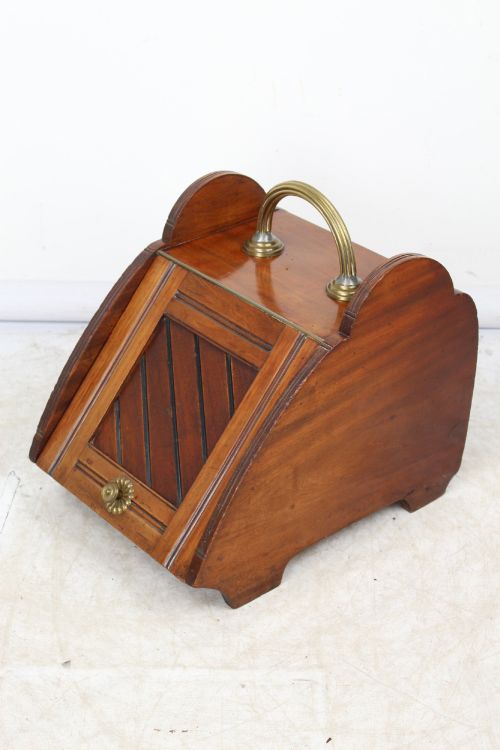
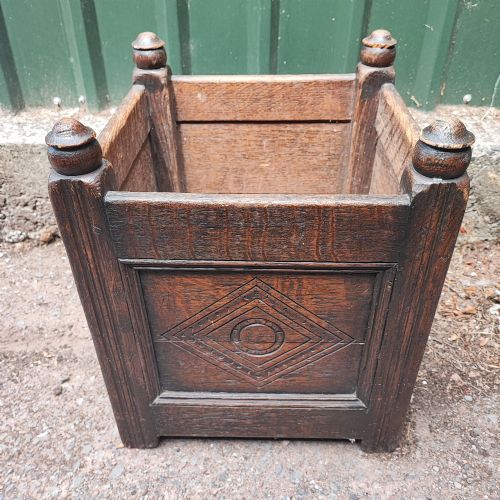
An antique hearth coal store serves as a designated container for fuel beside the fireplace. When searching for this phrase, buyers encounter various forms including lidded boxes, buckets, bins, and purdoniums.
Victorian and Edwardian pieces dominate the selection, alongside earlier 18th Century and Georgian examples. These containers utilise sturdy timbers or robust metals to withstand daily fireside use.
Materials and construction
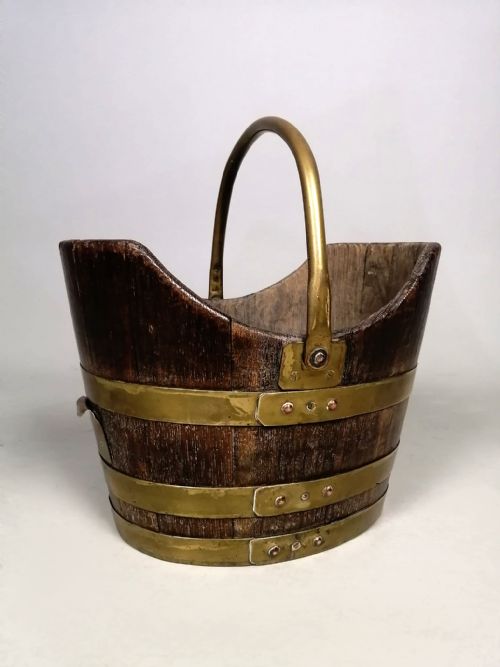
Craftsmen built these containers using durable hardwoods like oak, mahogany, and walnut, frequently pairing them with brass or copper mountings. Riveted metal construction and coopered wooden staves provide structural integrity for holding heavy loads of coal or logs.
Decorative techniques range from hammered Arts and Crafts metalwork and embossed copper panels to carved oak details. Brass bands, drop handles, and lift lids finish the functional design.
Some copper coal buckets feature tiny galleon ships embossed on the lid, ready to sail across the hearth.
Judging quality in hearth stores
Quality rests upon the gauge of the metal and the selection of timber. Heavy brass castings, thick copper sheets, and solid oak or mahogany bodies distinguish superior items from lighter alternatives.
Detailing elevates a piece from utilitarian to fine domestic object. Look for hand-riveted joints, secure coopered staves, and refined decorative motifs rather than purely mass-produced presswork.
The Antique Hearth Coal Store Glossary
- Coal purdonium
- A specialised cabinet or box featuring a sloping front door or drop-down compartment designed for easy coal retrieval.
- Coopered
- Built from vertical wooden staves held tightly together by metal bands, similar to barrel construction.
- Scuttle
- A bucket or container with a shaped lip and a swing handle, designed for carrying fuel to the hearth.
- Arts and Crafts
- A design movement emphasising handcraftsmanship, simple forms, and visible structural details like metal rivets.
Antique Hearth Coal Store: Frequently Asked Questions
What is a coal purdonium?
A coal purdonium is a specific type of enclosed storage box designed to keep fuel tidy beside the fireplace. It usually includes an interior metal liner to catch dust and small debris.
These cabinets often feature a hinged lid or a downward-tilting front door for easy access. They hide the fuel away while sitting neatly alongside other fireside accessories.
How were copper coal buckets used?
Copper buckets held coal or logs right next to the hearth for regular fireplace replenishment. The metal stood up well to the weight and abrasive nature of heavy fuel.
Most contained a removable inner liner to protect the outer decorative metal from moisture and dirt. Owners polished the exterior to maintain a bright finish in the sitting room.
Are wooden coal boxes lined?
Many wooden coal boxes feature internal metal liners made from zinc, tin, or brass. These inserts protect the surrounding wood from moisture, coal dust, and scratching.
Without a liner, damp logs or coal residue would quickly damage the interior timber. The removable metal insert also makes cleaning out ash and debris straightforward.
How do I date an antique coal store?
Dating relies on combining the material style, manufacturing techniques, and overall decorative movement. Victorian and Edwardian examples often display machine-assisted elements or specific revival motifs.
Earlier pieces from the Georgian period show hand-beaten copper, dovetailed joints, or distinct brass banding. Comparing the hardware style to known furniture periods helps narrow down the decade.