




Dark Oak Coal Scuttle
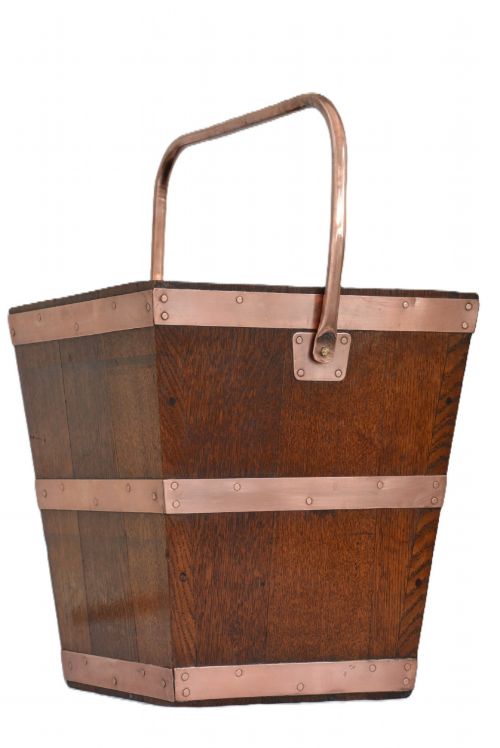
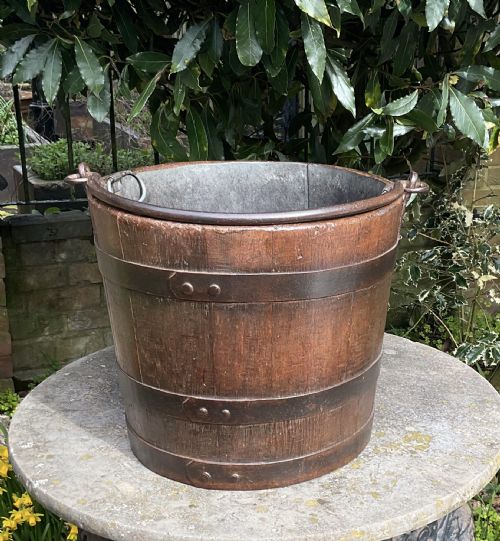
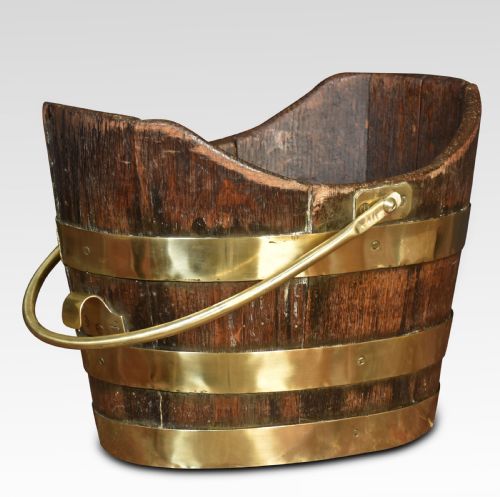
These dark oak coal scuttles are solid fireside accessories shaped from timber and metal, bringing both historical function and rich grain to a hearth.
Dark Oak Coal Scuttle
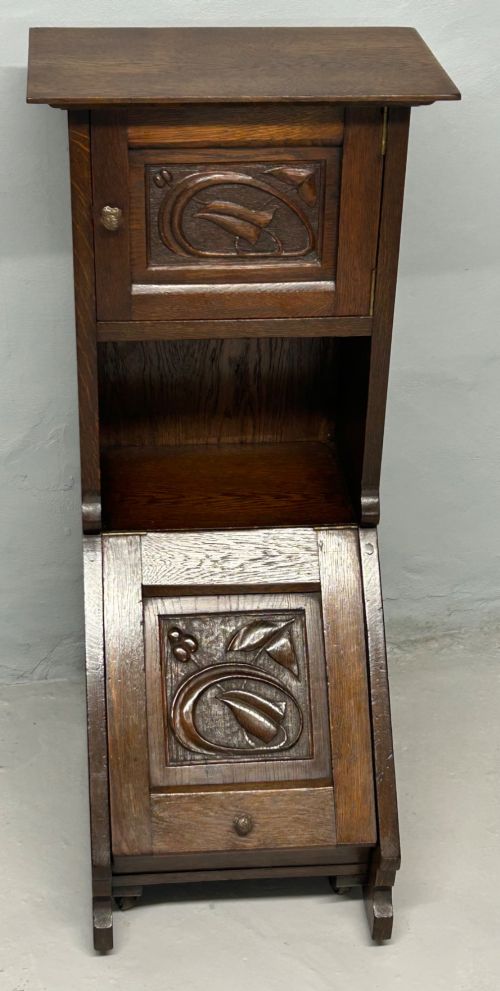
A dark oak coal scuttle is a functional fireside container designed to hold fuel for a hearth, taking forms such as boxes, buckets, and drop-front cabinets. These pieces serve as practical storage while adding a distinct period presence to a fireplace.
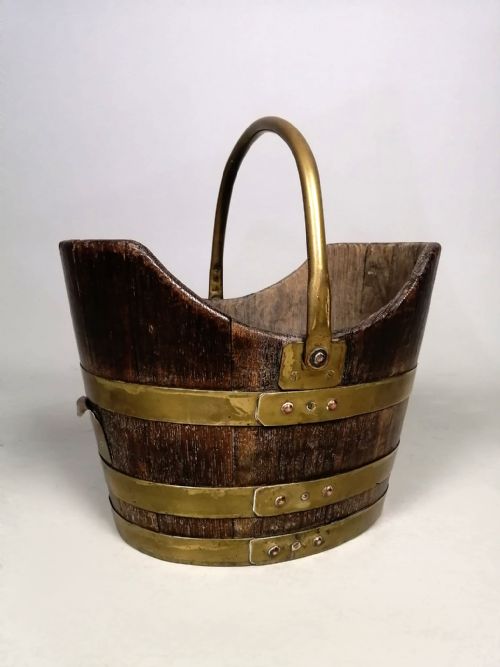
The versions most commonly met on this page span the Georgian, Victorian, and Edwardian eras, utilising solid timber alongside metal fittings. Examples range from coopered buckets with liners to purdoniums equipped with shovels.
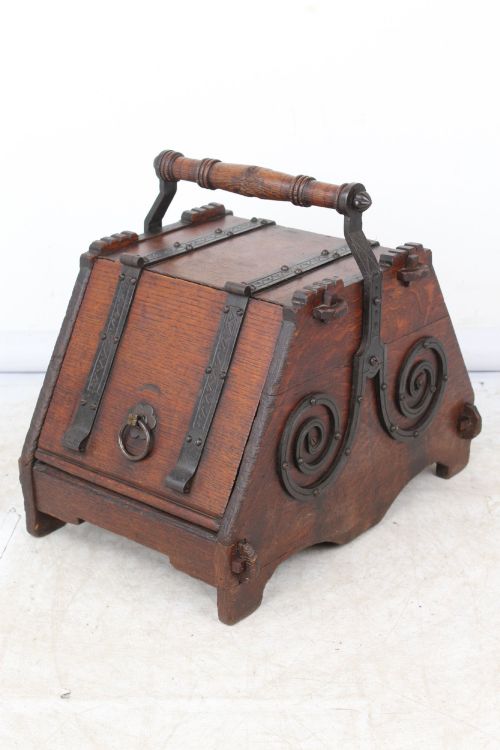
Makers and designers of the period applied diverse aesthetics, stretching from plain utilitarian vessels to Gothic Revival interpretations and carved decorative boxes. Each object reflects the domestic heating needs of its time through sturdy construction.
How they were made
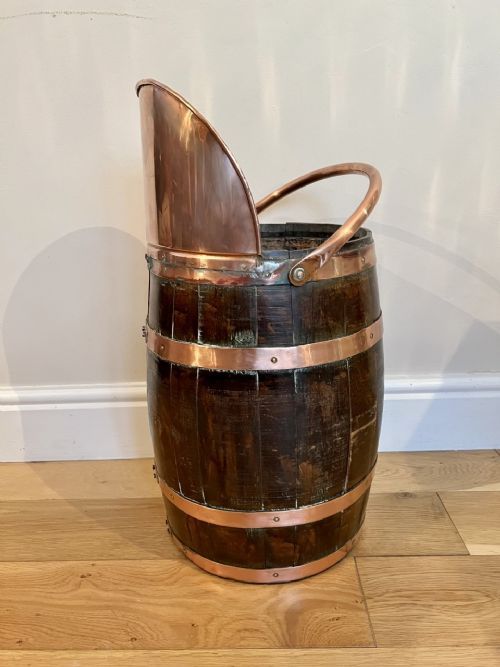
Construction relies on solid oak bodies, frequently shaped using coopered staves or joined panels, paired with protective metal linings made from zinc, copper, or iron. These combinations ensured the timber could withstand the weight and abrasive nature of coal or peat.
Metalwork forms an integral part of the fabrication, utilising brass banding, swing handles, and hinges to reinforce the wooden frames. Blacksmiths and metalworkers shaped wrought iron and brass mounts that secure the structural joints.
Dark Oak Coal Scuttle Retail Price Guide 2026
Typical asking prices for dark oak coal scuttle among the pieces listed under this phrase on Sellingantiques today, from the lower quarter to the upper quarter. They describe what is for sale here now, not the wider market.
Listings demonstrate materials spanning oak, copper, brass, iron, wrought iron, silver plate, and zinc across multiple periods.
What varies in quality
Quality rests in the harmony of the timber selection and the precision of the metal mounts, where deep natural grain meets tightly fitted brass bands or hinges. Superior examples display careful joinery, such as cleanly cut dovetails or precise coopered staves.
Design ambition distinguishes standard utilitarian boxes from elevated artistic pieces, particularly those bearing Gothic Revival details or specific attribution. The presence of matching shovels, original metal liners, and crisp carving elevates the stature of the object.
Christopher Dresser
The Dark Oak Coal Scuttle Glossary
- Purdonium
- A specialised coal box featuring a sloping drop-front door designed to chute fuel forward for easy access. This Victorian invention often houses an internal metal liner and includes a dedicated compartment for a shovel.
- Coopered
- Constructed from vertical wooden staves bound together by metal hoops, much like a traditional barrel. This technique provides exceptional strength for holding heavy loads of coal or peat.
- Gothic Revival
- An architectural and decorative style drawing inspiration from medieval forms, characterised by pointed arches and robust proportions. In fireside accessories, this style appears through heavy carving and dramatic metal mounts.
- George III
- A British historical period spanning the latter half of the eighteenth century and the early nineteenth century. Pieces from this era often exhibit restrained classical proportions and fine timber work.
Dark Oak Coal Scuttle: Frequently Asked Questions
What is a purdonium?
A purdonium is an enclosed Edwardian or Victorian coal box with a tilted front panel that drops open to release fuel. It typically contains a removable metal liner to catch debris and dirt.
These cabinets often include built-in slots to hold a small coal shovel, keeping the fireside tidy and contained.
How do I date a dark oak coal scuttle?
Dating relies on observing the prevailing style, construction methods, and hardware, ranging from eighteenth-century coopered buckets to late Victorian carved drop-front cabinets. Georgian examples tend to show simpler bucket or bunker forms with heavy brass banding.
Later Victorian and Edwardian items frequently introduce mechanical drop-front doors, specific stylistic revivals like Gothic motifs, and factory-produced metal components.
What are the metal liners for?
The metal liners, often fashioned from zinc, copper, or iron, protect the wooden interior from moisture, coal dust, and physical impact. They allow the heavy fuel to be loaded and lifted out independently.
These inserts keep the surrounding dark oak dry and clean during daily use by the hearth.
Were these used for coal only?
While primarily designed for coal, many of these vessels served alternative fuel storage purposes depending on the region, such as holding peat or logs. Scottish bunkers and specific buckets accommodated drier peat sods commonly burned in northern hearths.
Their robust timber and metal construction easily supported heavier blocks of wood alongside traditional coal.