

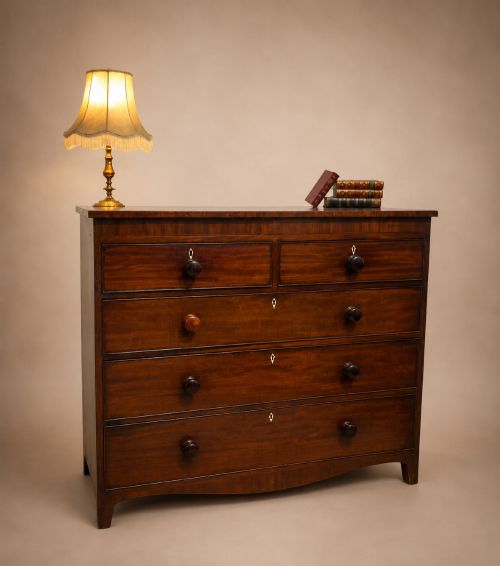
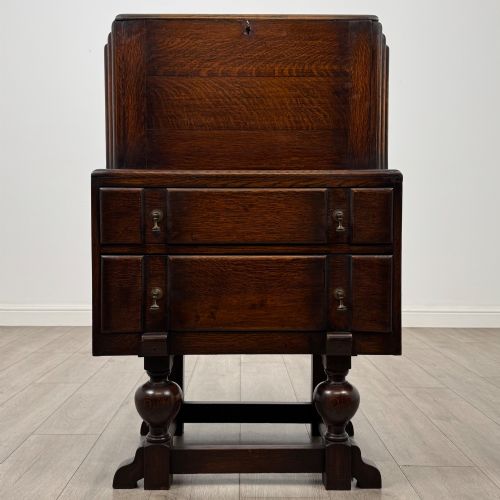
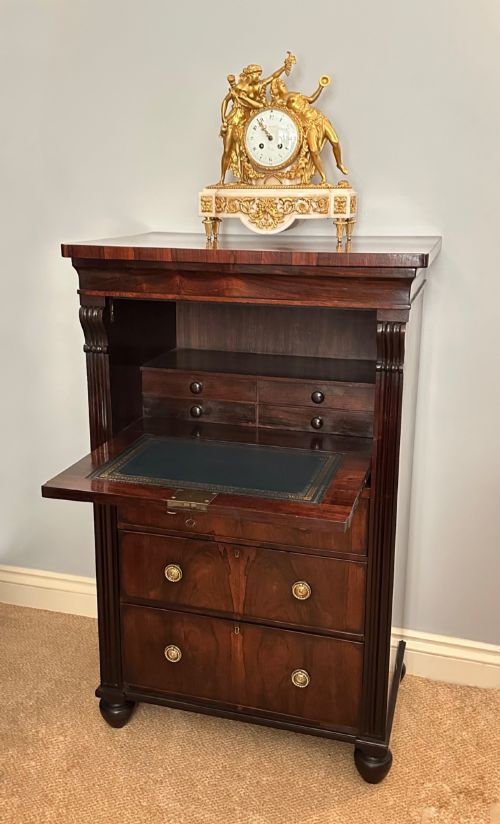
Dark Wood Bureau Cabinet
A dark wood bureau cabinet combines a fitted writing surface with upper display shelving, offering a practical workspace and storage solution for the home.
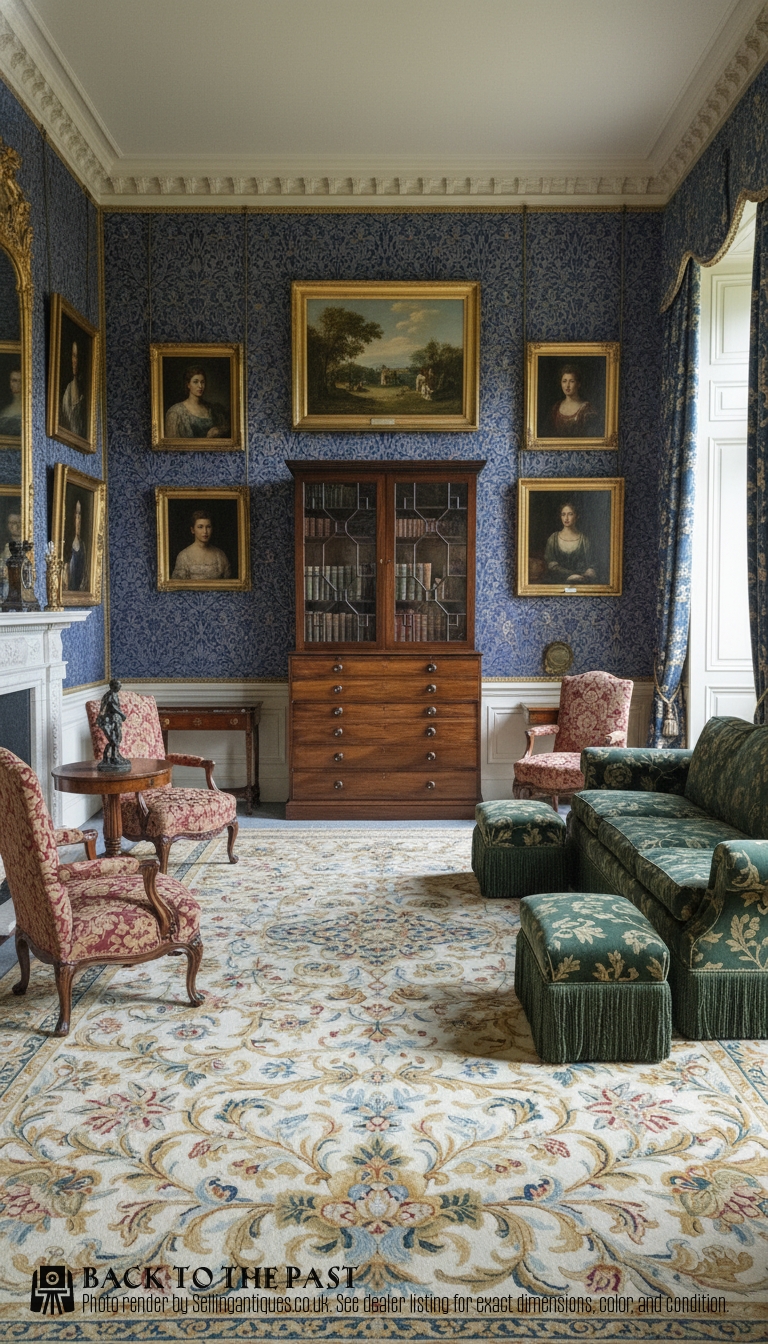
Dark Wood Bureau Cabinet
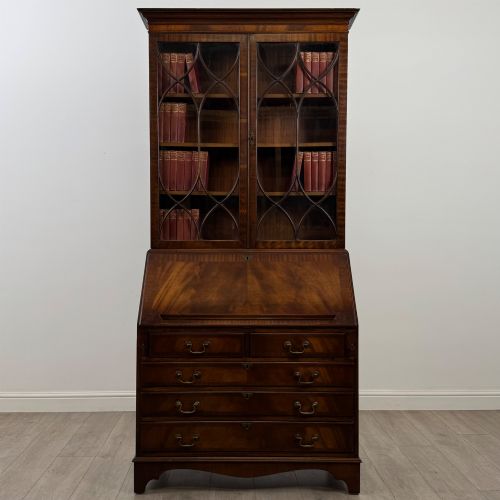
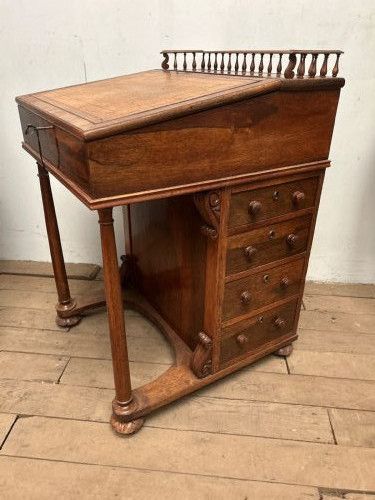
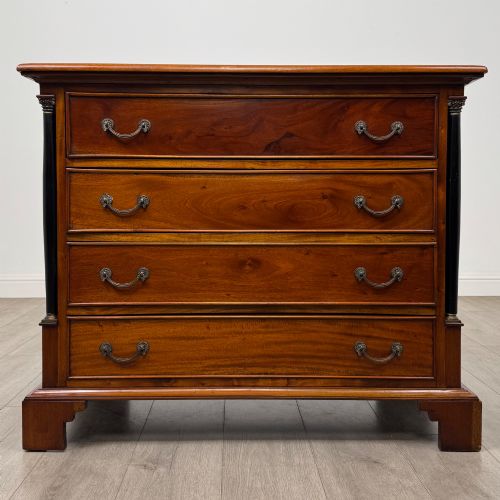
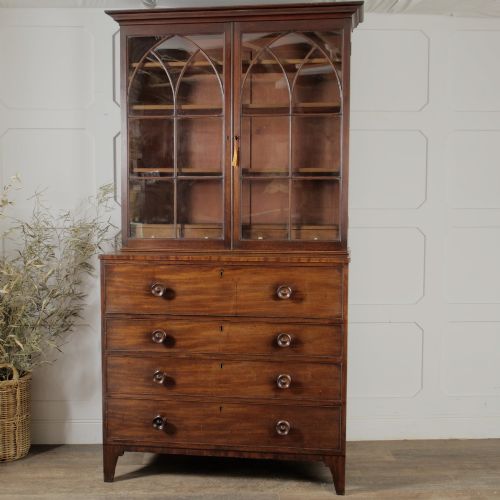
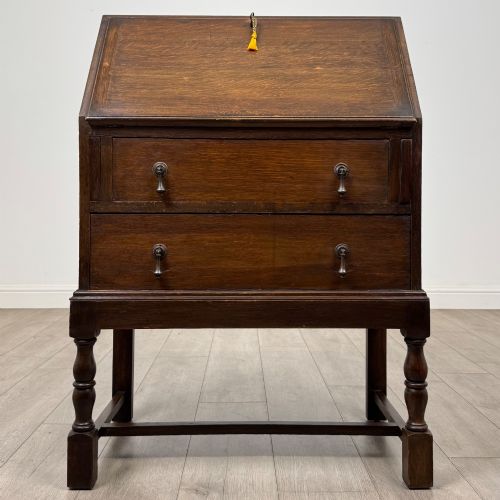
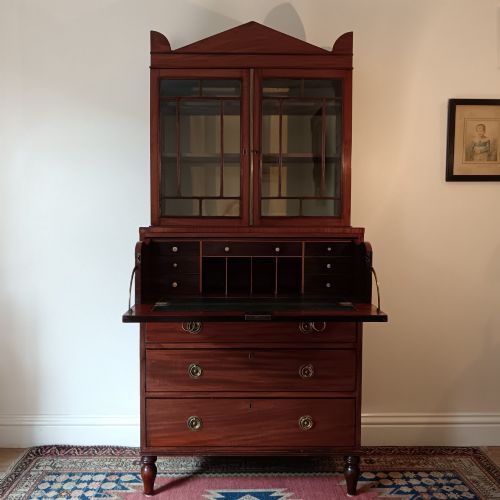
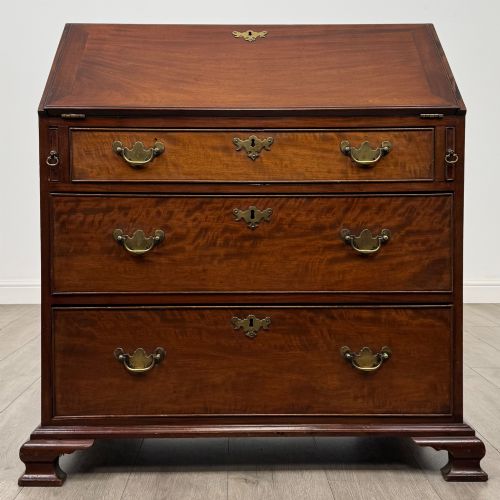
A dark wood bureau cabinet serves as a dual-purpose item of furniture, bringing together a shelved bookcase or glazed display cabinet above and a writing desk below. The forms vary from tall bureau bookcases and secretaire cabinets to compact Davenport desks and writing cabinets.
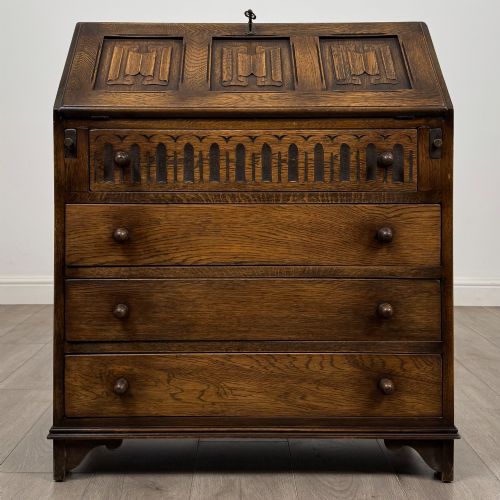
Most pieces seen here date from the Georgian, Regency, and Victorian eras, alongside Edwardian examples in oak and mahogany. These variations reflect changing domestic needs for writing space and book storage across two centuries of British and European cabinet-making.
Materials and construction methods
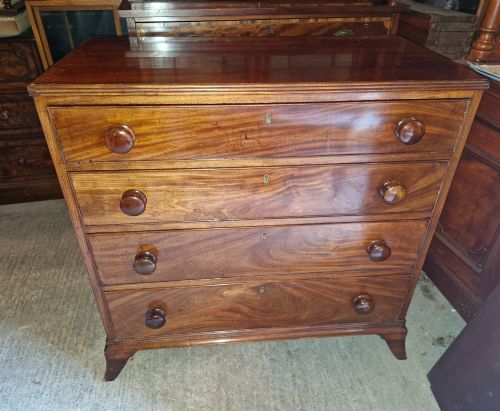
Cabinet-makers relied heavily on mahogany and rosewood, often figuring the timber grain for visual depth on the fall-fronts and drawer faces. Oak appears frequently in Edwardian pieces, while brass hardware, leather writing inserts, and occasional ormolu mounts provide functional and decorative contrast.
Construction techniques involve dovetail jointing for drawers and mortise-and-tenon framing for the upper bookcase sections and carcases. Glazed doors use individual wooden glazing bars to hold glass panes securely within the upper cabinet framework.
Some secretaire drawers conceal tiny secret compartments designed to hide private letters and family fortunes.
Markers of finer craftsmanship
The distinction between standard utility items and superior cabinet-making rests in the selection of timbers and the precision of the joinery. Figured veneers, well-matched grain patterns across drawer fronts, and secondary timbers like oak used inside drawer linings indicate higher workshop standards.
Interior fittings reveal the maker's hand through pigeonholes, small drawers, and secret compartments fitted behind sliding panels. Smooth action in the drop-front hinges and well-fitted writing drawers separate carefully executed pieces from simpler workshop output.
George Oakley·Maison Krieger·Gillows·Mawer & Stephenson
The Dark Wood Bureau Cabinet Glossary
- Bureau bookcase
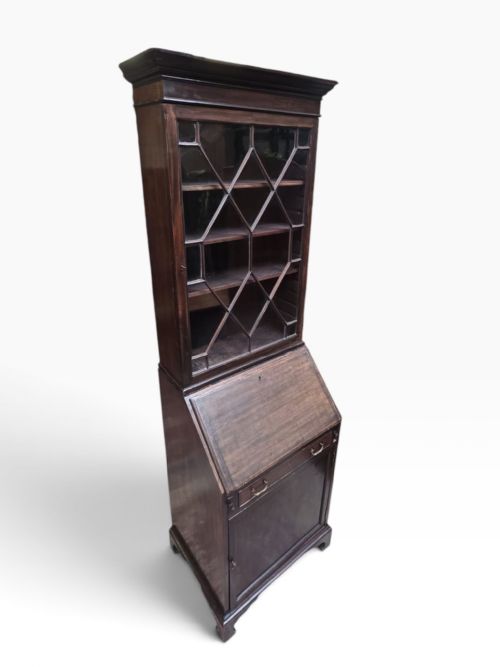
- A combination of a sloping-front desk and an upper shelving cabinet enclosed by doors. These pieces provide both enclosed writing storage and visible display space.
- Secretaire
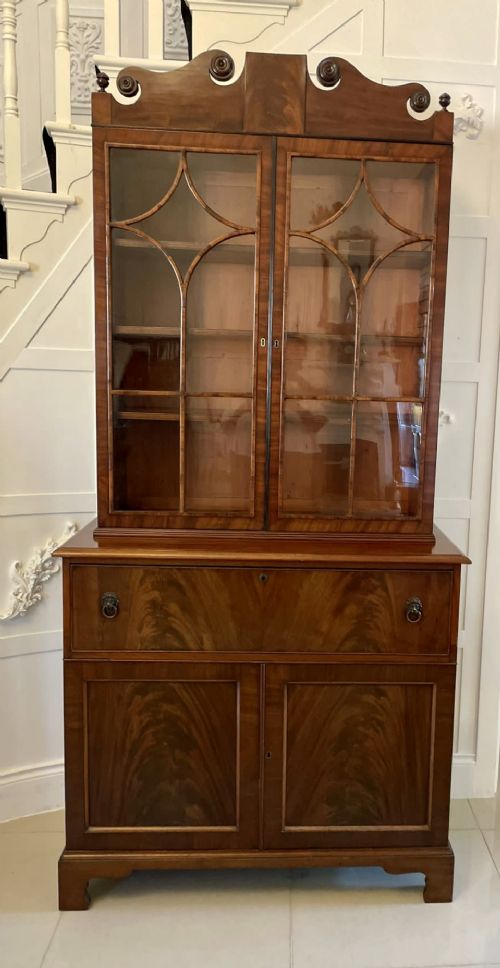
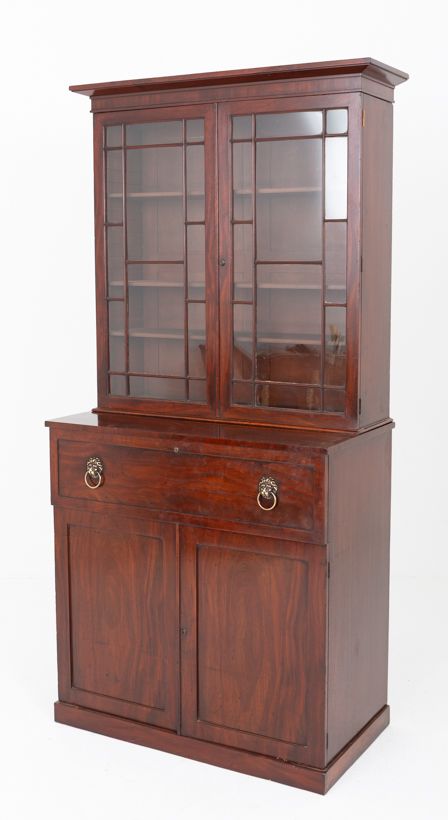
- A desk or cabinet featuring a pull-out or drop-down writing drawer that conceals smaller interior drawers and pigeonholes. It allows a chest or bookcase to function as a writing desk.
- Astragal glazed
- A method of dividing glass panes in cabinet doors using narrow wooden mouldings. These strips form geometric patterns across the upper bookcase front.
- Davenport desk
- A compact small writing desk featuring a sloping top and drawers accessed from the side. They often incorporate upper stationery compartments.
- Marquetry
- The art of applying decorative veneer pieces in wood to form pictorial or geometric patterns on furniture surfaces. It appears on French and continental casework.
Dark Wood Bureau Cabinet: Frequently Asked Questions
How do I date a bureau cabinet?
Dating relies on observing the primary timber, secondary woods, hardware style, and construction traits such as dovetail thickness. Georgian pieces often show rich mahogany with astragal glazing, while Edwardian versions frequently utilise oak with linenfold carving.
Secondary indicators include the presence of brass campaign handles, Regency rosewood inlay, or Victorian proportions, which help narrow down the period of manufacture.
How do I care for dark wood furniture?
Protect antique dark woods by placing them away from direct sunlight and heat sources, which can dry out timber and crack veneers. Maintain the surface with appropriate beeswax or furniture polish applied sparingly.
Avoid placing damp items directly onto mahogany, rosewood, or oak surfaces to prevent water marks on the polished finish.
Are secretaire bookcases and bureau bookcases the same?
They share the same general function of combining books and writing, but differ in the desk mechanism. A bureau bookcase uses a slanted fall-front lid that opens downward, whereas a secretaire bookcase conceals the writing surface behind a drawer front that pulls straight out.
Both types house internal pigeonholes and small drawers behind the main writing surface.