
Dark Walnut Table
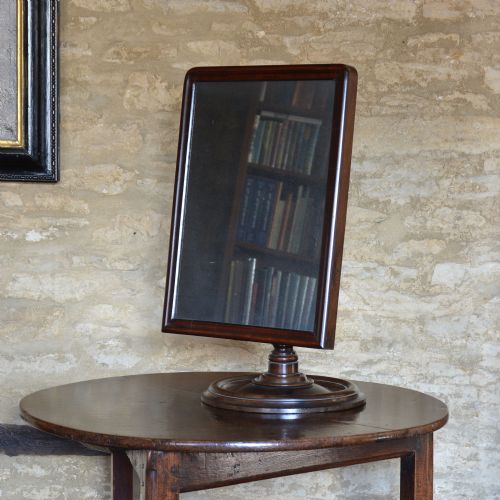
A dark walnut table brings deep, rich timber tones and varied period forms into a room, from compact occasional pieces to large dining surfaces.
Dark Walnut Table
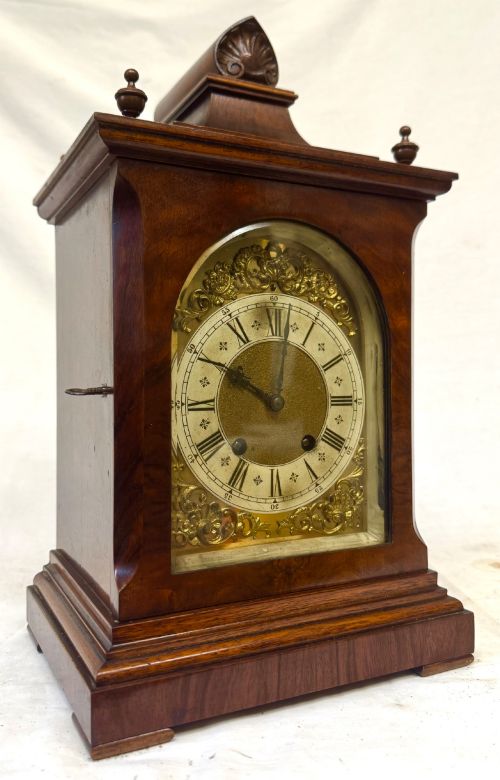
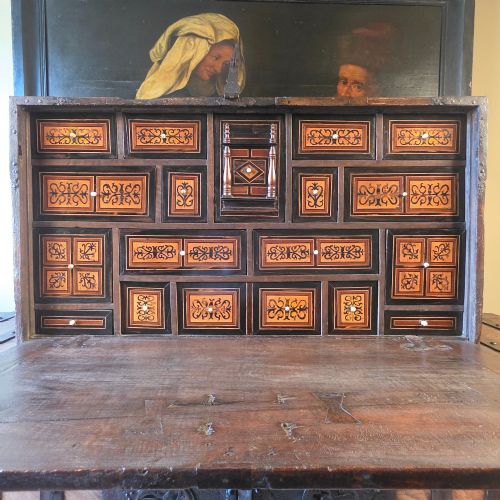
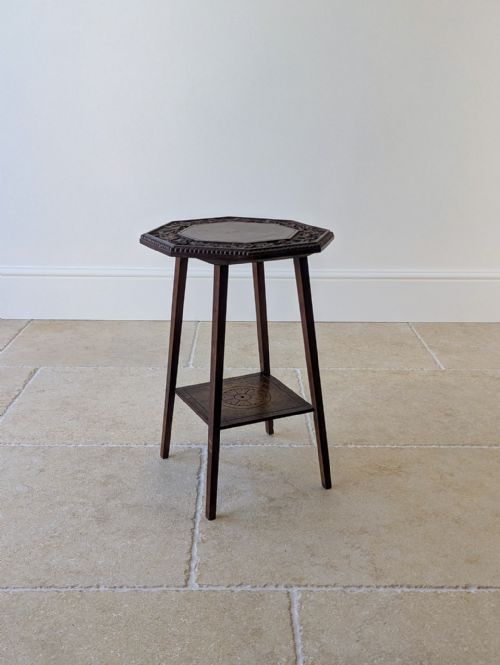
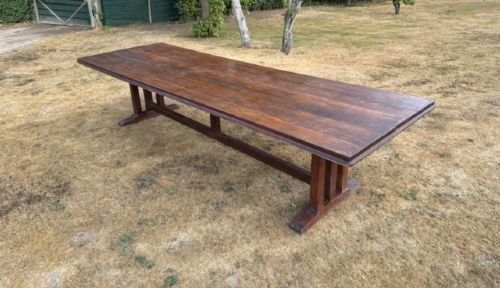
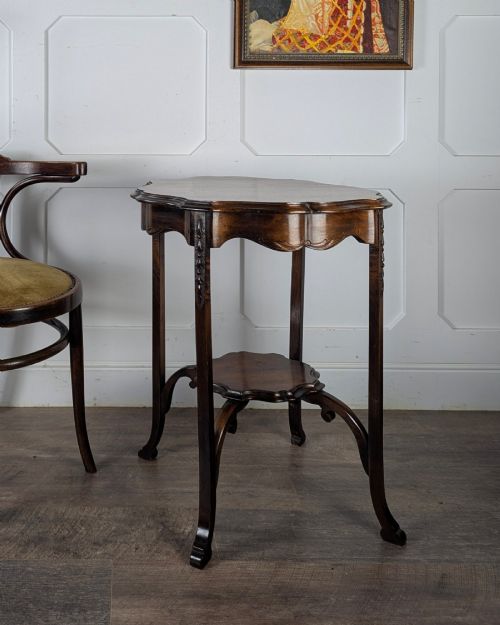
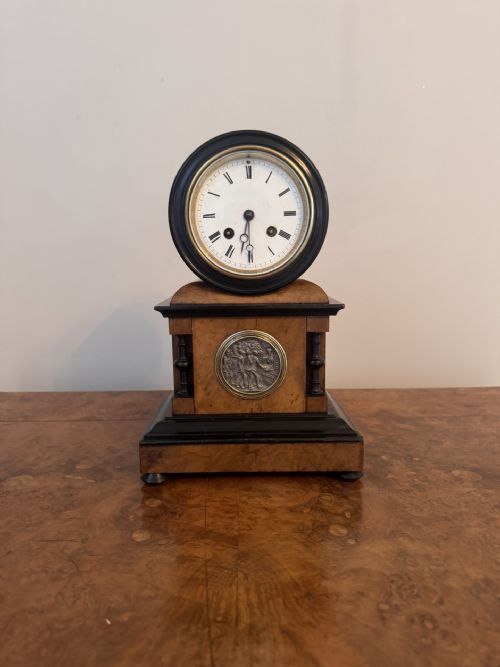
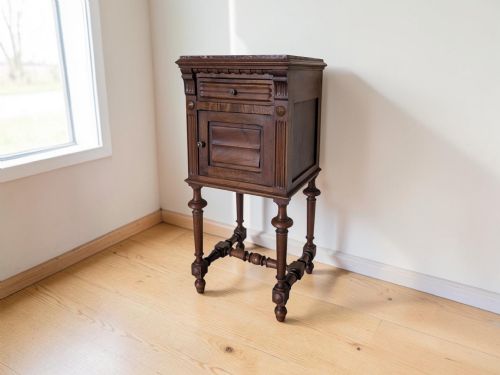
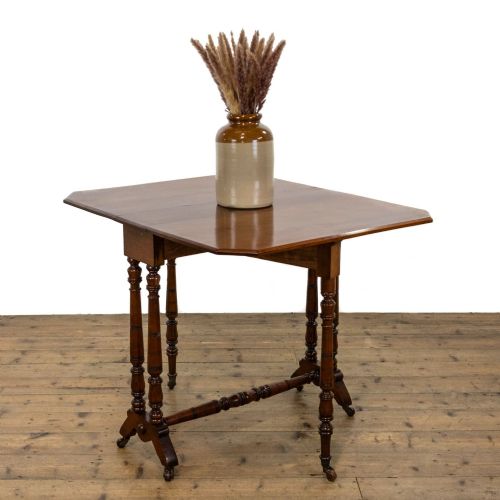
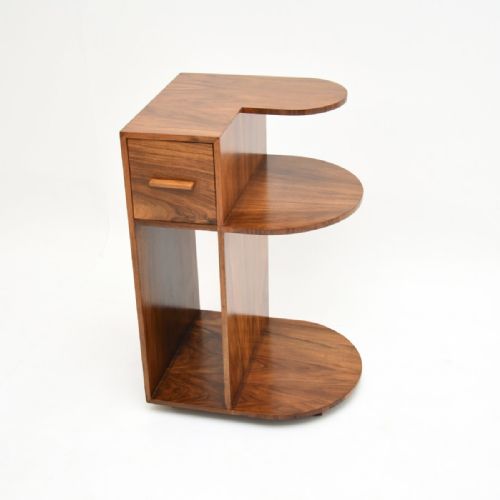
A dark walnut table encompasses a range of historical periods, extending from the seventeenth century through the Georgian, Victorian, and Edwardian eras. Buyers searching for a dark walnut table will encounter diverse formats including side tables, occasional tables, refectory surfaces, and gateleg designs.
The material displays distinct character through figured grain, burr walnut, and red walnut variations. Pieces often originate from English, French, Spanish, or Italian workshops, reflecting regional cabinet-making traditions across different centuries.
Materials and construction
Construction relies heavily on solid walnut and burr walnut veneers applied to secondary timbers, occasionally supplemented with boxwood inlay, brass fittings, marble tops, or glass. Cabinet-makers utilised traditional joinery techniques, such as dovetailing for drawers and mortise and tenon joints for frames.
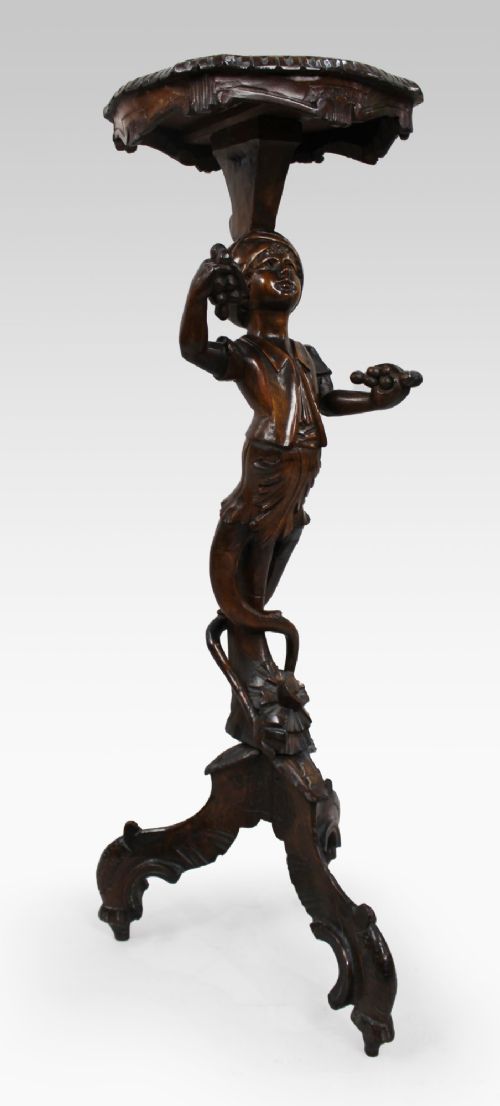
Surfaces received polished or waxed finishes that emphasised the dark, figured grain of the wood. Marquetry work and carved elements appear on select examples, demonstrating specialist decorative skills.
Dark Walnut Table Retail Price Guide 2026
Typical asking prices for dark walnut table among the pieces listed under this phrase on Sellingantiques today, from the lower quarter to the upper quarter. They describe what is for sale here now, not the wider market.
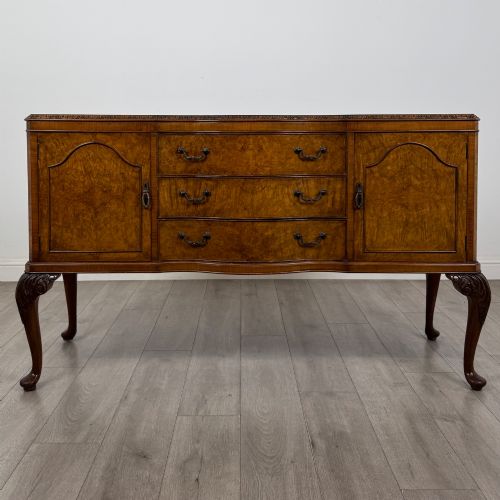
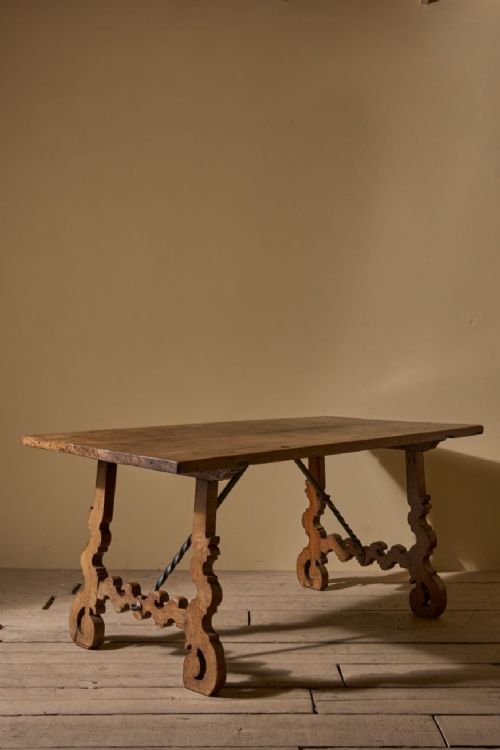
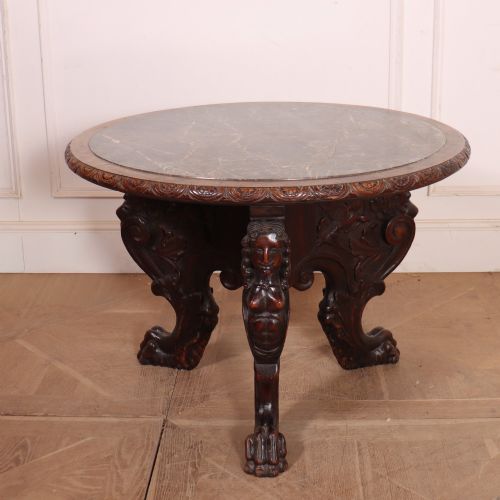
Listings feature walnut combined with brass, marble, glass, and bone across Victorian, Edwardian, and seventeenth-century periods.
Assessing quality and character
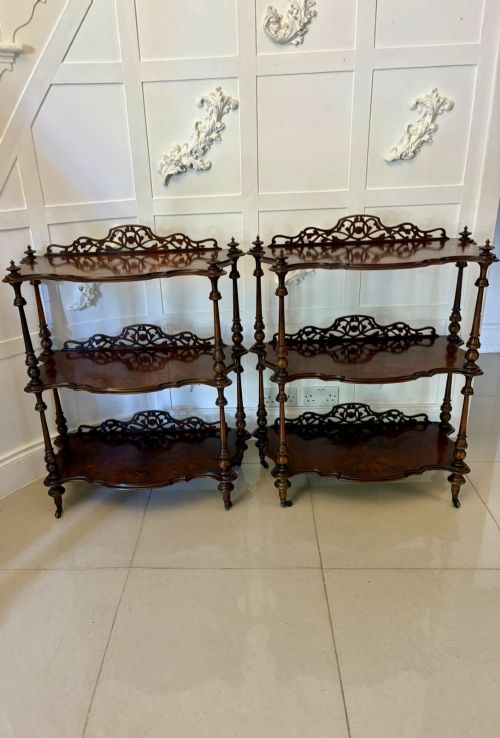
The standard of a dark walnut table rests upon the choice of timber figure, particularly the richness of burr walnut or the warmth of red walnut. Superior examples display crisp carving, balanced proportions, and careful timber selection that allows the natural grain patterns to align harmoniously.
Patina and surface depth distinguish finer pieces from plainer iterations. Original hardware, intact marquetry, and stable structural joinery further elevate a piece within its period category.
Liberty of London·William Birch·Shoolbred
The Dark Walnut Table Glossary
- Burr walnut
- A highly figured wood grain obtained from the knot growth of a walnut tree, prized for its swirling patterns.
- Gateleg table
- A dining or side table with hinged leaves supported by swing-out legs that resemble a gate.
- Marquetry
- Decorative veneer patterns applied to a surface using pieces of wood, bone, or other materials to form intricate designs.
- Refectory table
- A long, narrow dining table traditionally used in communal dining halls and constructed with sturdy stretcher bases.
- Patina
- The deep sheen and surface alteration developed on wooden furniture through age, use, and polishing.
Dark Walnut Table: Frequently Asked Questions
What periods do these tables cover?
These tables span multiple centuries, appearing in seventeenth-century formats, eighteenth-century red walnut designs, and nineteenth-century Victorian or Edwardian interpretations.
Craftsmanship evolves across these eras, moving from solid seventeenth-century constructions to decorative Victorian burr walnut veneers and Arts and Crafts styles.
How do I care for a walnut surface?
Walnut benefits from regular dusting with a soft cloth and occasional application of traditional beeswax to nourish the timber and maintain the polish.
Keep wooden furniture away from direct heat sources and strong sunlight to prevent the dark timber from fading or drying out.
What is burr walnut?
Burr walnut refers to the swirling, patterned wood grain harvested from tree growths or burls, highly valued for decorative table tops and cabinets.
Cabinet-makers sliced this figured timber into thin veneers to display the complex grain across prominent surfaces of nineteenth-century furniture.
Where were these tables made?
Originating workshops include English, French, Spanish, and Italian regional makers, each applying distinct regional styles and turning techniques to the timber.
English pieces often follow Georgian or Victorian conventions, whereas continental examples showcase seventeenth-century Spanish Baroque or French provincial designs.