



17th Century Centre Table
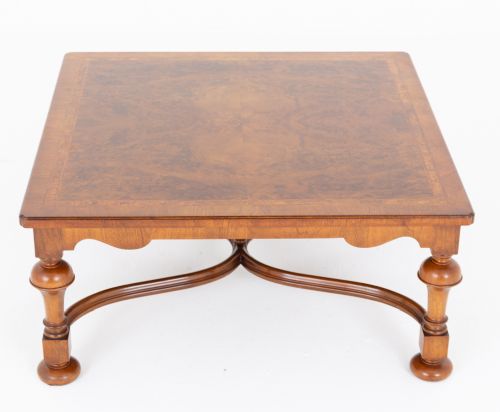
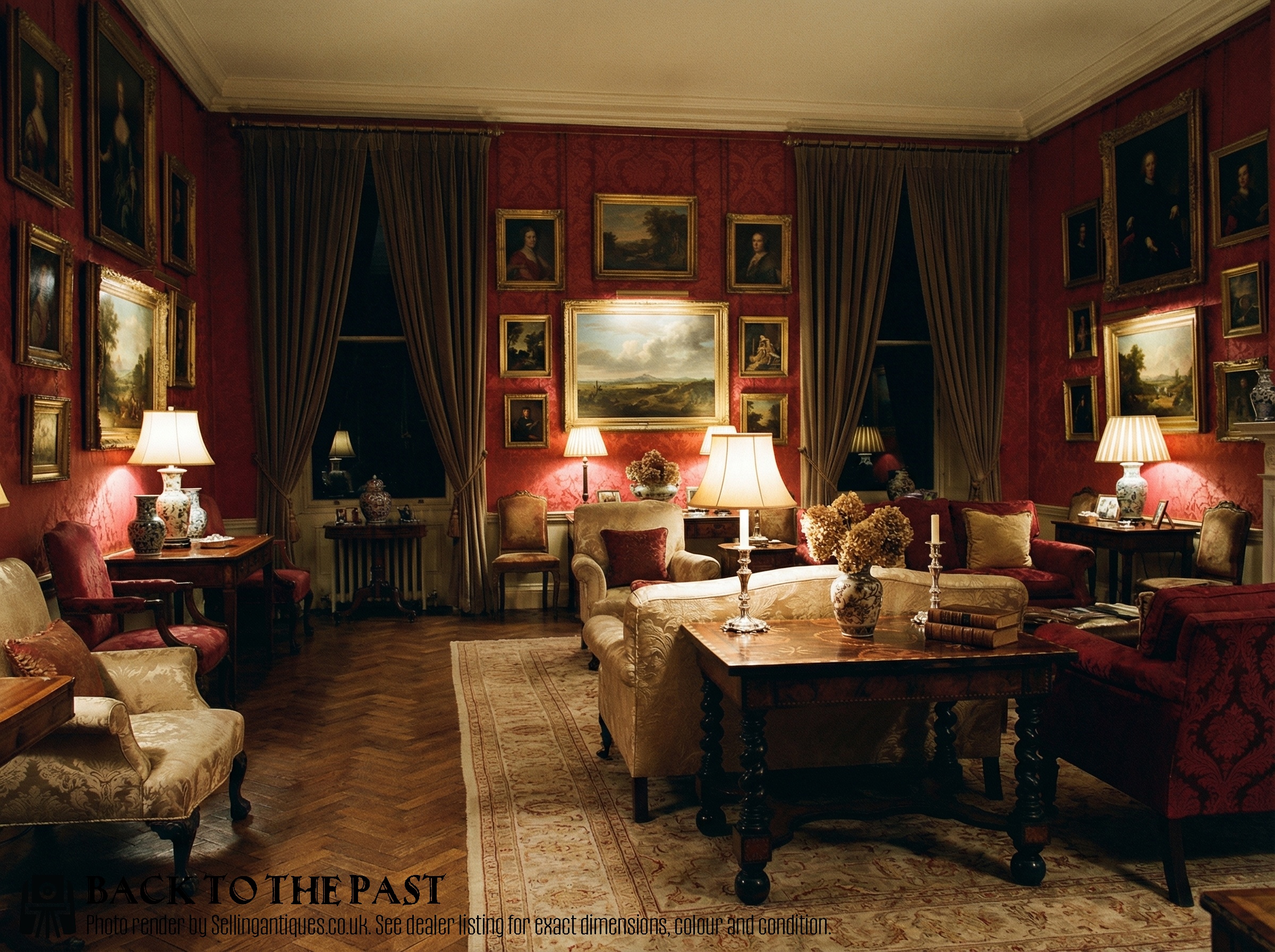
A 17th century centre table anchors a room with deep timber and centuries of patina, offering sturdy construction and rich historical character.
17th Century Centre Table
The surviving forms include heavy tavern tables, joined side tables, and occasional tables adapted over time into coffee tables. Many pieces date directly to the seventeen hundreds, while others reflect later stylistic revivals from the early twentieth century.
Geographic origins span English workshops, Dutch baroque centres, Spanish and Iberian makers, and Flemish studios. This variety ensures that every piece displays distinct regional joinery traditions and individual decorative vocabularies.

Materials and Construction
Carpenters relied primarily on solid oak and walnut, utilising pegged joints and joined construction to build rigid frames that withstand centuries of use. Secondary timbers such as fruitwood and burr walnut provided contrasting tones for decorative surface work.
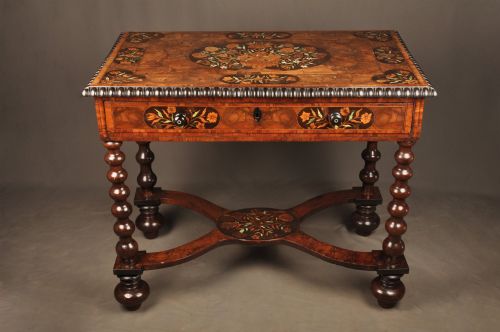
Surface ornamentation often involved elaborate marquetry and oyster veneering, setting delicate wood slices into geometric patterns. Wrought iron bracing and hardware provided structural reinforcement on heavy Spanish and Flemish forms.
17th Century Centre Table Retail Price Guide 2026
Typical asking prices for 17th century centre table among the pieces listed under this phrase on Sellingantiques today, from the lower quarter to the upper quarter. They describe what is for sale here now, not the wider market.
Listings feature periods spanning from the seventeen hundreds through to nineteen twenty, utilising oak, walnut, burr yew, and wrought iron.
Distinguishing Quality
Quality rests in the integrity of the timber and the depth of the original surface patina accumulated through long domestic use. Untouched finishes and honest timber shrinkage reveal the true age of a piece more reliably than heavily restored surfaces.
The refinement of the carving and the precision of the parquetry inlay separate standard provincial furniture from ambitious workshop productions. Superior examples maintain balanced proportions and original structural pegging without excessive replacement timber.
The 17th Century Centre Table Glossary
- Marquetry
- Decorative veneer work arranged in pictorial or geometric patterns using various coloured woods. This technique demands immense skill from the cabinetmaker.
- Oyster Veneer
- Thin circular slices cut across small branches to create distinctive concentric ring patterns. Artisans prized this method for its decorative surface movement.
- Parquetry
- Geometric mosaic woodwork used to surface tabletops. It creates repeating patterns that catch the light.
- Patina
- The surface sheen and mellowing developed by wood over centuries of handling and exposure. It indicates genuine age and use.
- Joined Table
- Furniture constructed using mortise and tenon joints secured with wooden pegs rather than metal nails. This method defined sturdy seventeenth-century carpentry.
17th Century Centre Table: Frequently Asked Questions
Where should I place a centre table?
These tables work best freestanding in the middle of a room, library, or large hallway where people can walk around them.
Because they were designed to be viewed from all sides, placing them away from walls highlights their carved legs and detailed tabletops.
How do I clean an antique wooden table?
Dust the surface regularly with a soft, dry cloth to prevent dirt accumulation.
Avoid modern liquid polishes, using only traditional beeswax sparingly when the timber appears dry to maintain the natural finish.
Can I use a centre table for daily dining?
Many sturdy oak and walnut examples function well for daily use if protected from excessive heat and moisture.
Delicate marquetry surfaces require greater care, often benefiting from coasters and placement out of direct sunlight.
How do I tell an original from a revival piece?
Examine the underside and joints for hand-cut tool marks, wood shrinkage, and period-appropriate pegging.
Revival pieces often utilise machine-sawn timber and lack the deep, settled patina found on surfaces exposed to centuries of light and air.