



Italian Walnut Table
When choosing an italian walnut table, collectors find walnut furniture distinguished by rich grain, sculptural carving, and intricate marquetry.
Italian Walnut Table
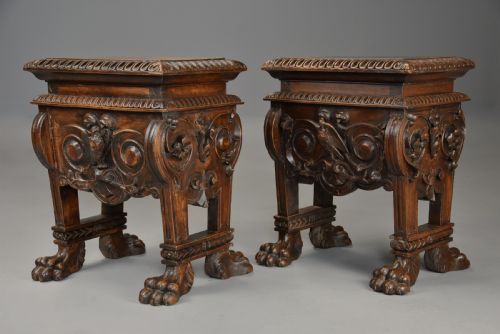
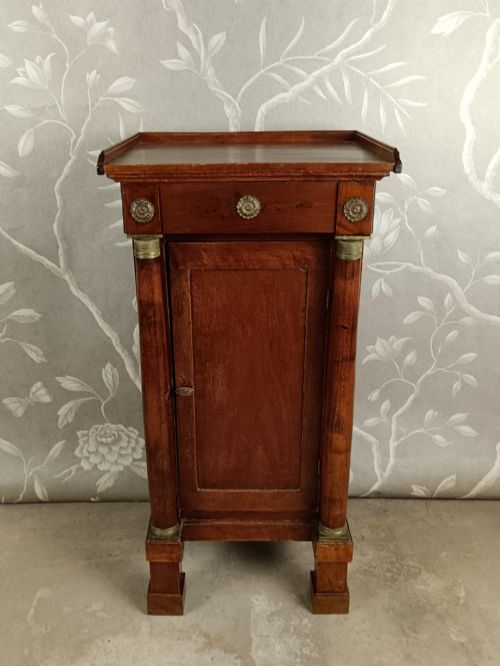
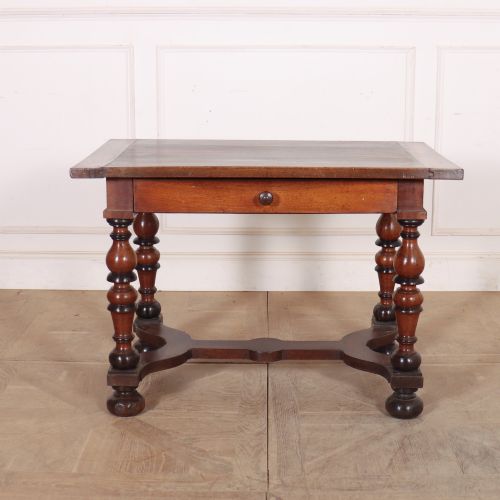
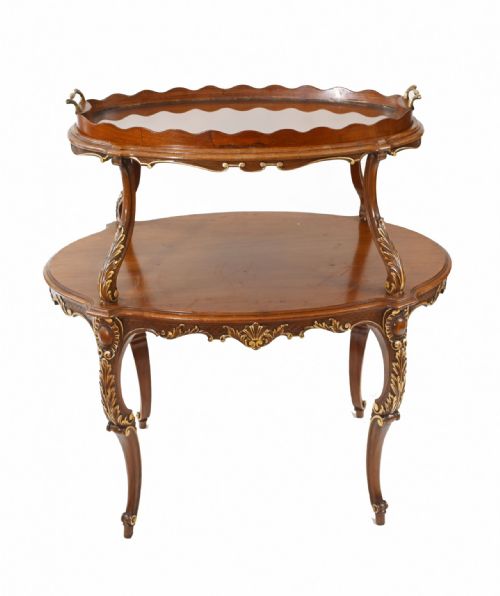
An italian walnut table encompasses diverse forms ranging from grand console and centre tables to modest bedside cabinets and occasional pieces. Surviving examples originate principally from the eighteenth and nineteenth centuries, alongside select twentieth-century interpretations.
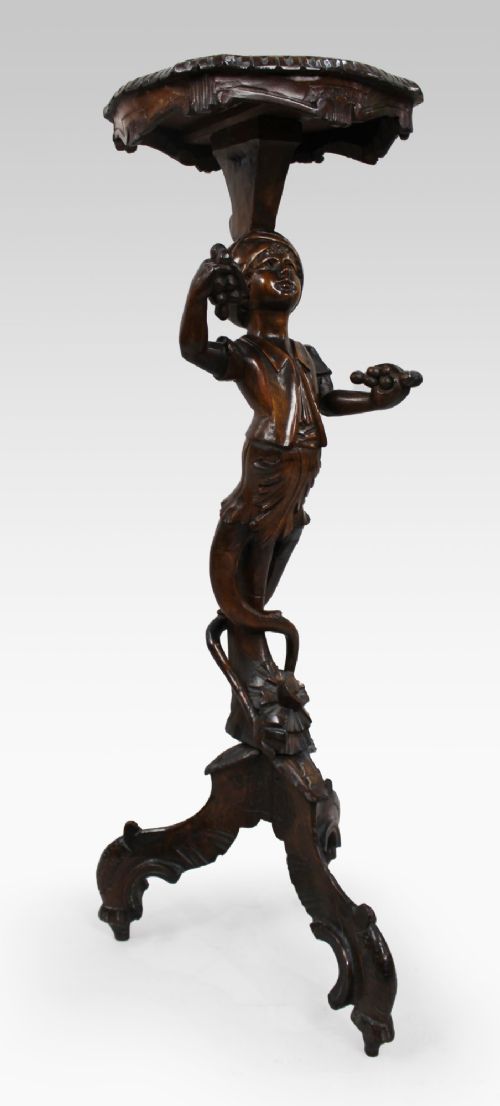
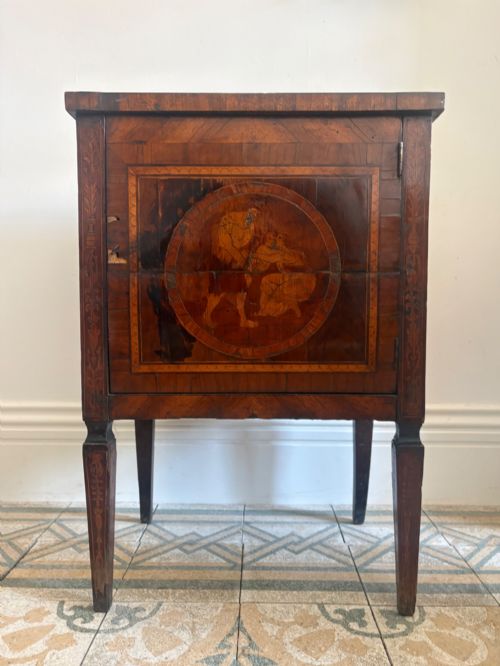
Buyers encounter regional console tables, occasional tea and coffee surfaces, and specialised desks shaped by historic Italian aesthetics. Eighteenth-century pieces frequently display restrained neoclassical or baroque lines, whereas nineteenth-century iterations often incorporate elaborate Sorrento marquetry and figural carving.
The selection on this page bridges formal dining and serving tables with smaller domestic furniture. These walnut pieces reflect centuries of craftsmanship spanning provincial workshops to exhibition-quality urban ateliers.
Materials and Construction
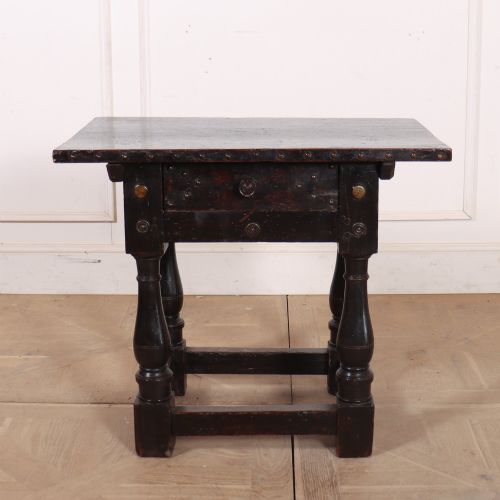
Makers utilised European walnut and burr walnut as the primary timber, valued for deep colour and dynamic grain patterns. Fruitwood, olivewood, and occasional exotic veneers provided tonal contrast for geometric and pictorial inlay.
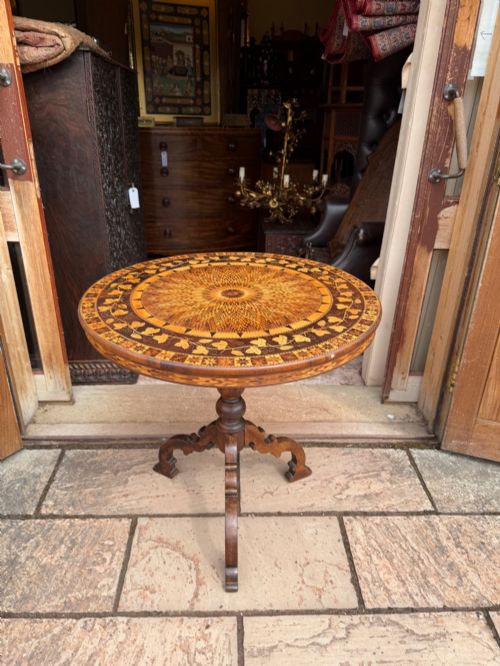
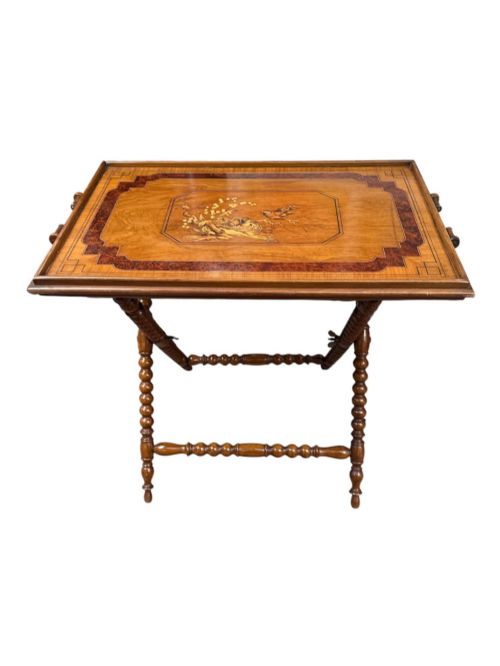
Surface ornamentation relied on meticulous marquetry, parquetry, and bone inlay, often integrated into table tops and drawer fronts. Heavy solid timber construction gave way in certain pieces to sophisticated veneering over secondary woods, paired frequently with marble or leather inserts.
The inventory spans eighteenth-century neoclassical designs, nineteenth-century Sorrento ware, and twentieth-century art deco cabinets.
Assessing Craftsmanship
The hierarchy of quality rests on the precision of the joinery and the complexity of the surface decoration. Master marquetry workers achieved pictorial depth through contrasting wood species, whereas lesser pieces relied on repetitive geometric banding.
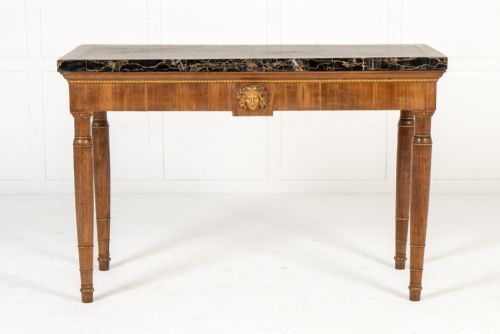
Carved elements demonstrate the sculptor's hand through crisp undercutting and organic movement rather than flat, mechanical detailing. The integration of high-grade materials, such as specimen marble or purple marble tops, elevates a piece beyond standard domestic utility.
Pietro Ferrario
The Italian Walnut Table Glossary
- Sorrento Ware
- A style of decorative woodwork originating from southern Italy, defined by intricate micro-mosaics and pictorial marquetry. These scenes often depict landscapes, figures, or architectural motifs using naturally coloured woods.
- Marquetry
- The art of applying thin veneers of different woods to a structural surface to create decorative patterns or pictures. Craftsmen selected woods with varied tones to achieve shading and perspective.
- Demi-Lune
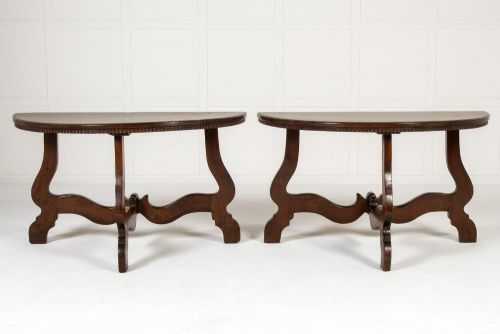
- A half-moon shape characteristic of console and side tables designed to stand flush against a wall. This profile became particularly popular during the neoclassical period.
- Parquetry
- Geometric mosaic woodwork formed by small pieces of veneer arranged in repeating patterns such as cubes or chequers. It differs from marquetry by strictly utilising geometric rather than pictorial designs.
- Specimen Marble
- A multi-coloured decorative stone top composed of various geological fragments arranged in geometric slabs. These tops were frequently imported for elite nineteenth-century tables.
Italian Walnut Table: Frequently Asked Questions
What rooms suit an italian walnut table?
These tables adapt easily to various domestic settings, from grand entrance halls housing console tables to drawing rooms centred around carved occasional pieces.
Smaller bedside cabinets and low tables integrate smoothly into contemporary bedrooms as functional storage surfaces.
How do I care for walnut wood?
Maintenance requires keeping timber surfaces away from direct sunlight and excessive heat sources to prevent warping and veneer drying.
Periodic polishing with traditional beeswax helps preserve the natural sheen and moisture of the antique grain.
What is a demi-lune table used for?
The half-moon shape allowed these tables to rest against walls in narrow hallways without obstructing foot traffic.
They served traditionally as serving ledges or display surfaces for decorative objects and lighting.
How do marble tops affect use?
Inlaid marble and specimen stone surfaces provided durable, heat-resistant areas suitable for serving drinks or displaying heavy ornaments.
These dense stone slabs require careful handling during relocation to avoid edge chipping and structural stress.