

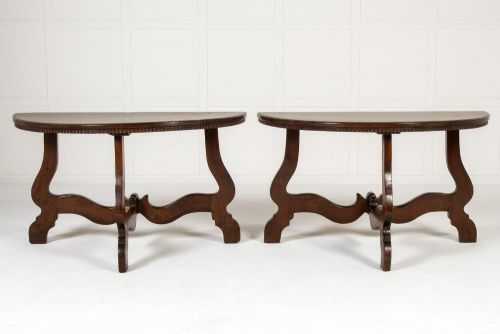


Carved Italian Console
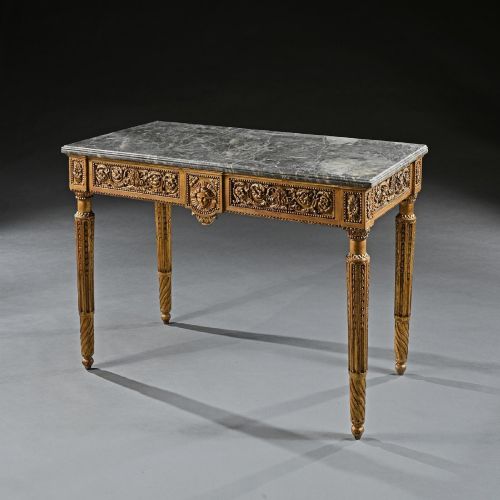
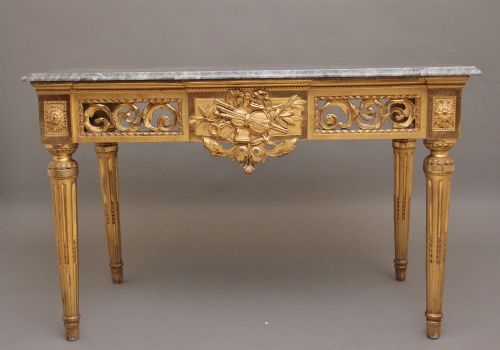
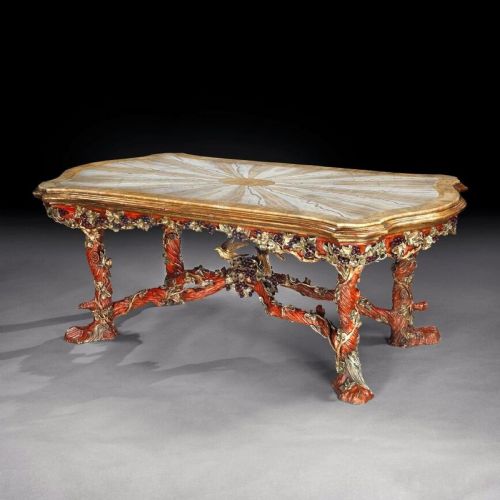
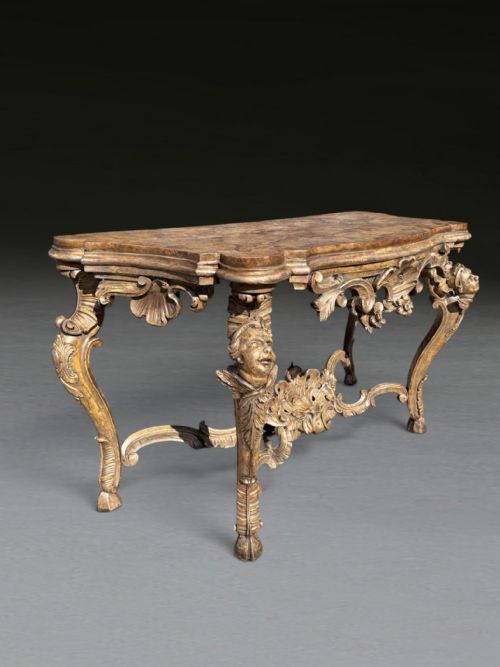
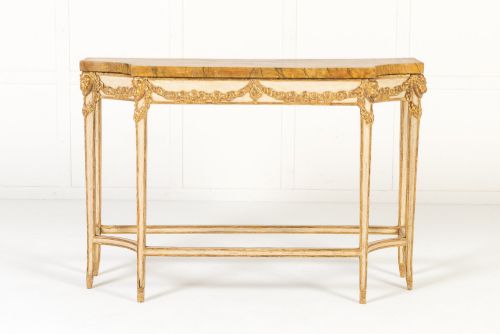
A carved italian console brings architectural weight and sculptural drama to a room, functioning as a focal point for displaying objects of curiosity.
Carved Italian Console
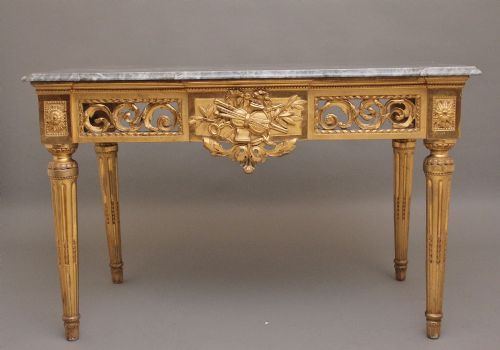
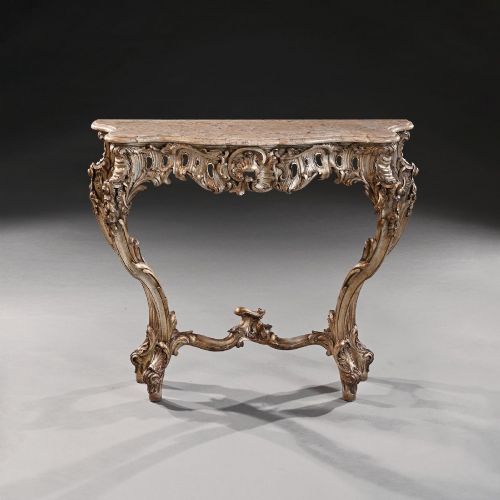
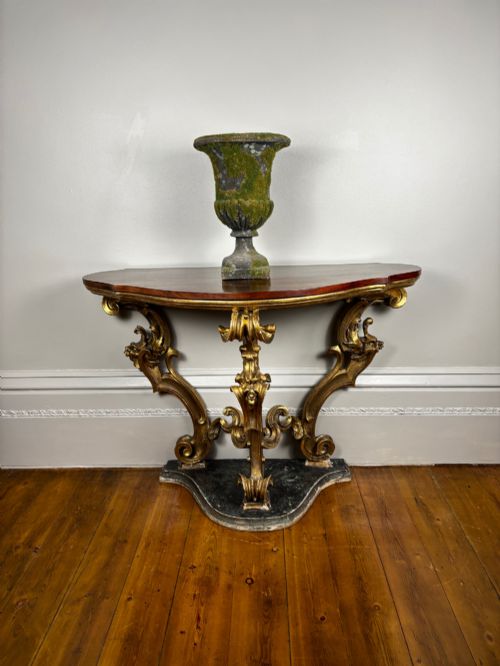
A carved italian console primarily takes the form of a console table designed to stand against a wall, frequently accompanied by a shaped marble top in varieties such as breccia or onyx. These pieces emerge across the eighteenth and nineteenth centuries, spanning styles from Italian Baroque and Rococo to Neoclassical and later revivals.
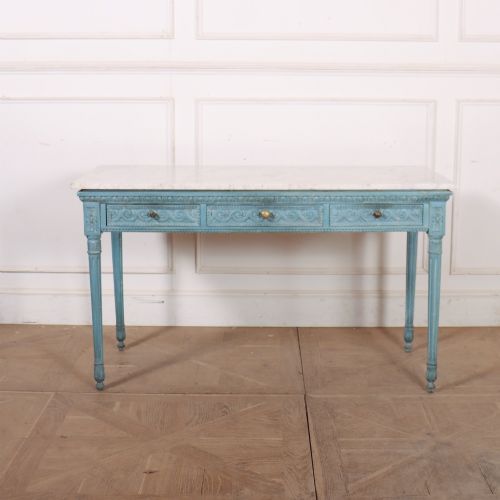
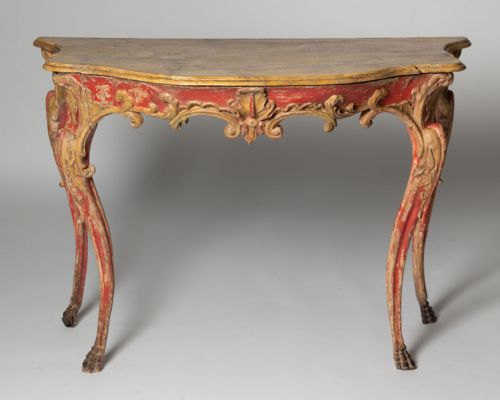
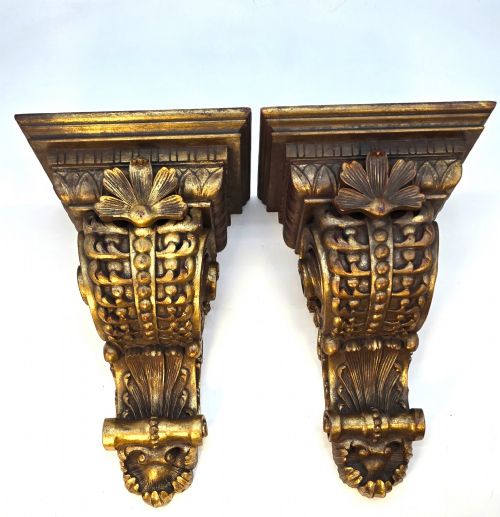
Beyond standard console tables, the category encompasses wall brackets, centre tables, side tables, and wall consoles. Eighteenth-century examples often display giltwood and painted surfaces, while nineteenth-century variations introduce mahogany, walnut, and elaborate figural supports like dolphins or lion's paw feet.
Materials and construction techniques
Makers shaped these tables from solid woods including walnut and mahogany, alongside softer timbers prepared for gesso and gilding. Carved wooden frames received layers of gold leaf, silver gilt, or polychrome paint, often finished with faux porphyry effects.
Heavy stone slabs, including marble and onyx, form the tabletops, resting upon intricately carved bases that frequently incorporate structural motifs from the Baroque and Rococo repertoires.
Carvers occasionally hid grotesque faces and tiny devils within the swirling acanthus leaves of eighteenth-century frames to surprise observant guests.
Distinctions in execution and material depth
Quality rests in the crispness and depth of the wood carving, where master carvers achieved fluid asymmetry in rococo scrolls and lifelike muscular tension in animal supports. Lesser examples rely on repetitive mechanical shaping and shallow surface relief.
The selection of materials marks the upper tier, seen in thick slabs of figured marble, genuine gold leaf applied over carefully smoothed gesso, and solid cabinet woods rather than basic painted pine.
Amleto Bertoni·Luigi Frullini
The Carved Italian Console Glossary
- Console table
- A table designed to be fixed against a wall, often supported by two ornamental legs or brackets rather than four freestanding supports. These pieces frequently feature shaped tops to fit architectural cornices.
- Giltwood
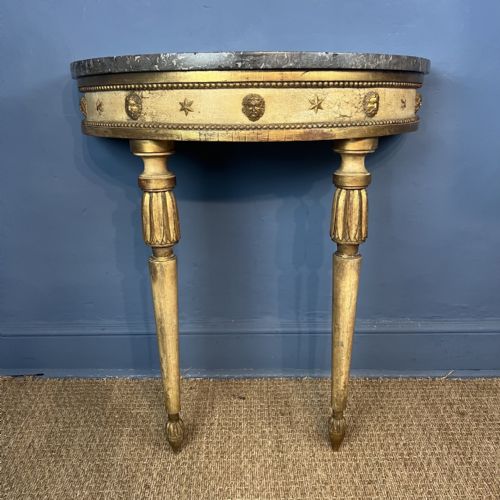
- Timber coated with gold leaf over a prepared ground of gesso and bole. This technique creates a luminous metallic surface that reflects candlelight.
- Breccia marble
- A composite stone made of broken rock fragments embedded in a fine-grained matrix, prized for its varied multi-coloured patterns on tabletop surfaces.
- Gesso
- A plaster mixture applied to wood surfaces as a smooth base for gilding and painting. It allows carvers to achieve sharp details before applying gold leaf.
- Demi lune
- A half-moon or semicircular shape common in eighteenth-century console tables designed for smaller wall spaces.
Carved Italian Console: Frequently Asked Questions
Where should I place a console table?
These tables suit hallways, living rooms, and entrance spaces where floor depth is limited. Placing them against a blank wall allows the carved base and stone top to act as a primary focal point.
Pairing a wall console with a matching mirror creates a traditional arrangement that reflects light and balances the heavy architectural presence of the woodwork.
How do I identify an eighteenth-century piece?
Eighteenth-century examples typically display hand-carved gesso and giltwood surfaces with organic wear revealing the red bole beneath the gold leaf. The joinery relies on traditional hand-cut construction methods characteristic of the period.
Stones such as early marble and breccia tops on these older pieces show natural ageing and patination distinct from later nineteenth-century revival manufacturing.
Are these tables designed to stand alone?
Most console tables require structural attachment to the wall for complete stability due to their heavy marble tops and narrow bases. Wall brackets and certain console designs explicitly depend on wall fixings to bear weight safely.
Freestanding centre tables appear within the same stylistic group but feature four independent legs designed for placement in the middle of a room rather than against vertical surfaces.
What is the difference between baroque and rococo styles?
Baroque pieces emphasise monumental symmetry, heavy architectural proportions, and dramatic motifs such as lion's paw feet and bold scrolling. They convey strength and formal grandeur.
Rococo designs introduce asymmetrical C-scrolls, lighter serpentine lines, and naturalistic shell or floral carvings that replace rigid symmetry with fluid movement.