




Dark Walnut Pistol
A dark walnut pistol brings tangible history to your cabinet, combining rich timber stocks with precision mechanics from past centuries.
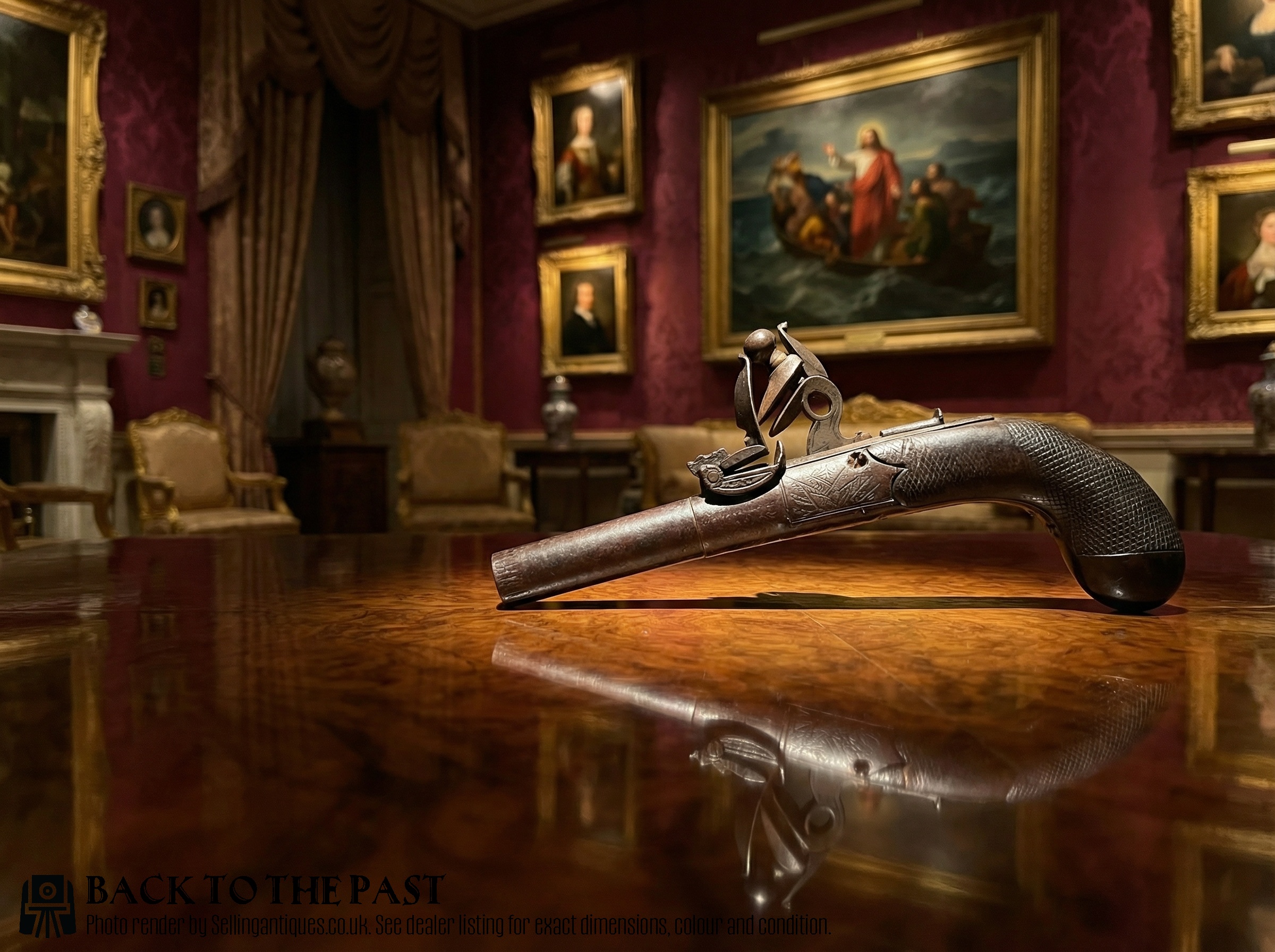
Dark Walnut Pistol
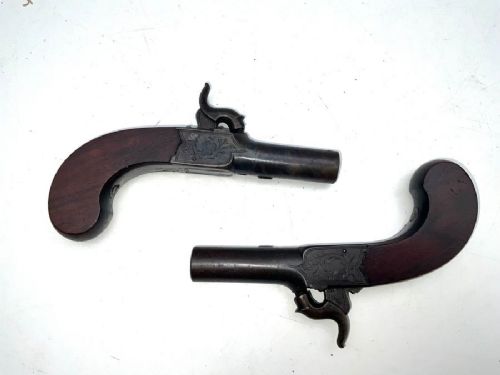
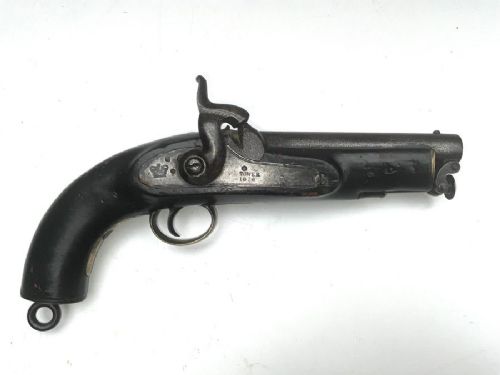
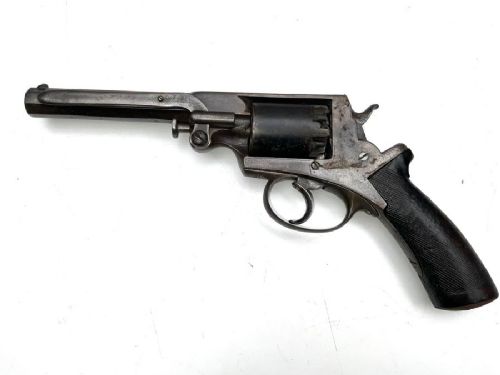
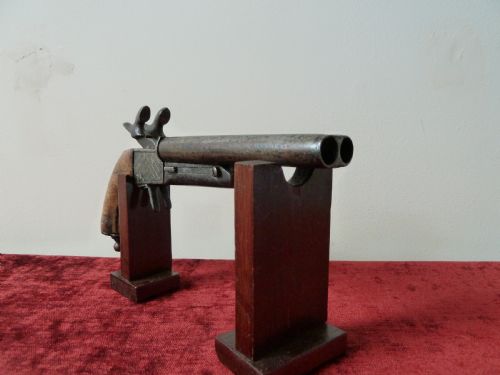
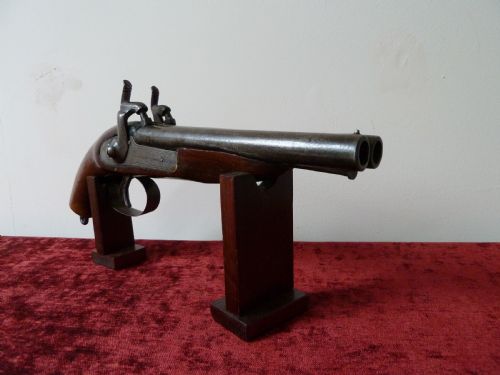
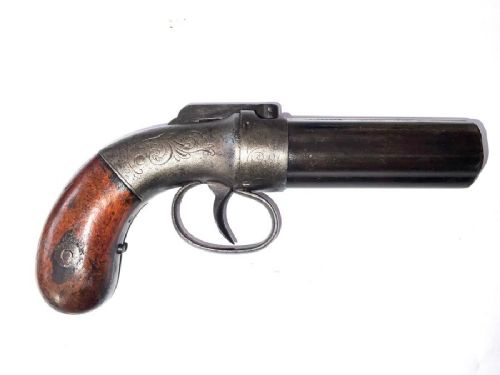
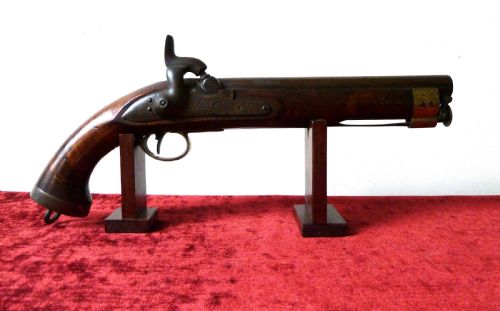
A dark walnut pistol encompasses antique firearms housed in rich, dense timber stocks, spanning flintlock, percussion, and early revolver mechanisms. These pieces emerge from military contracts, private officers' purchases, and civilian self-defence makers across the seventeenth, eighteenth, and nineteenth centuries. You encounter pocket pieces, heavy cavalry holster arms, and sea service models designed for utility or authority.
The versions most common on this page date from the Georgian and Victorian eras, particularly utilising percussion cap systems or earlier flintlock ignition. Makers ranged from London workshops to continental centres like Liège and Brescia, alongside notable American military suppliers. Each surviving specimen reflects the specific tactical requirements of its original period.
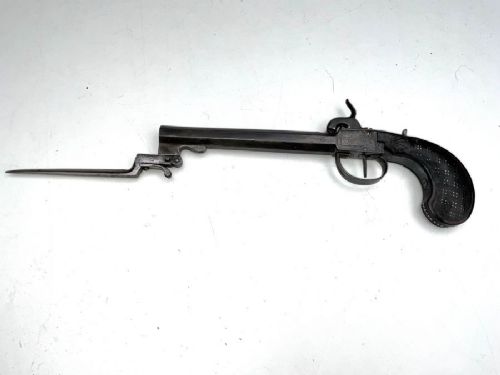
The dark walnut stock forms the visual anchor of these pieces, contrasting against steel barrels and brass or silver furniture. Certain examples include folding bayonets, belt hooks, or engraved brass mounts that indicate specialised military or naval deployment. The classification bridges antique militaria and fine functional mechanism collecting.
Materials and construction
Stocks were shaped from seasoned walnut wood, valued for its grain stability and resistance to splitting under the shock of discharge. Gunmakers carved these stocks to fit lock mechanisms precisely, occasionally integrating silver parc or intricate cast brass furniture into the design.
Barrels and lockplates utilised forged iron and steel, often finished with crisp maker stamps or proof marks from London and continental inspection houses. Some luxury or presentation models featured gilt inlay decoration on the barrel alongside fine checkering or carved relief on the timber.
Available forms range from heavy cavalry holster arms and sea service models to compact pocket pistols and revolvers.
Evaluating quality and preservation
Quality separates through the crispness of the lock action, the legibility of maker signatures, and the original integrity of the walnut stock. Superior pieces retain sharp metal engraving, unpolished brass or iron furniture, and mechanical timing that functions cleanly on half-cock and full-cock.
The grade of a piece rests on whether components remain matching and untouched since the period of use, rather than heavily restored or sanded. Finer specimens display harmonious patination across both the timber grain and the steel components, indicating careful preservation over generations.
Allen and Thurber·Auguste Francotte·Barber of Newark·T. Potts London
The Dark Walnut Pistol Glossary
- Flintlock
- An ignition mechanism utilising a flint held in a cock to strike a steel frizzen, creating sparks to ignite priming powder. This system dominated military and civilian firearms throughout the seventeenth and eighteenth centuries.
- Percussion
- A later ignition system relying on a hammer striking a small detonating cap placed on a nipple. It replaced the flintlock mechanism during the nineteenth century for greater reliability in wet weather.
- Holster pistol
- A large firearm designed to be carried in a saddle holster rather than on a belt. These specimens typically saw service with cavalry officers and troopers.
- Proof mark
- An official stamp applied to the barrel after passing tests for pressure and safety. These marks help identify the origin city and approximate date of manufacture.
- Pepperbox revolver
- A multi-barrel firearm where the entire cluster of barrels rotates with each shot. This design preceded the classic cylinder-and-barrel revolver configuration.
Dark Walnut Pistol: Frequently Asked Questions
How do I care for a walnut stock?
Keep the timber clean using a soft, dry cloth and avoid modern chemical polishes that can degrade the historic finish.
Maintain a stable room humidity to prevent the old walnut from drying out or splitting around the metal pins.
Were these pistols used in combat?
Many examples on this page carry military, cavalry, or East India Company stamps indicating official service deployment.
Others served private individuals as officers' sidearms, coach protection tools, or civilian pocket defence pieces.
What does untouched condition mean?
It indicates the piece retains its original components, finish, and patina without modern cleaning, replacement parts, or aggressive restoration.
Collectors value this state because it preserves the authentic historical character of the firearm.