

Dark Walnut Drawers
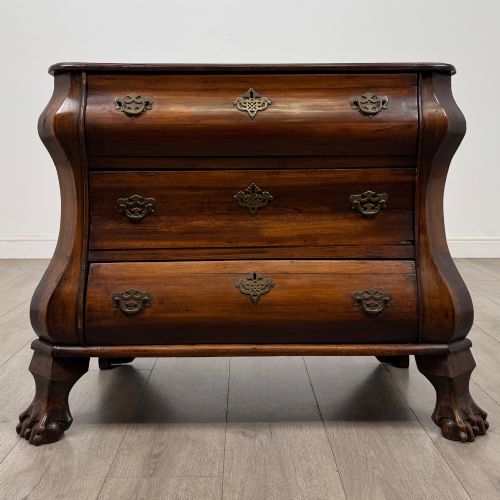
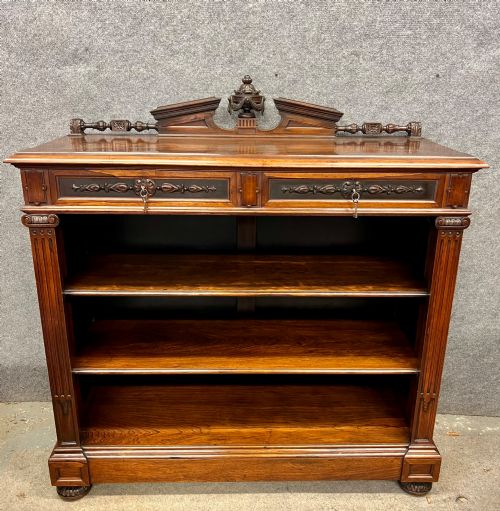
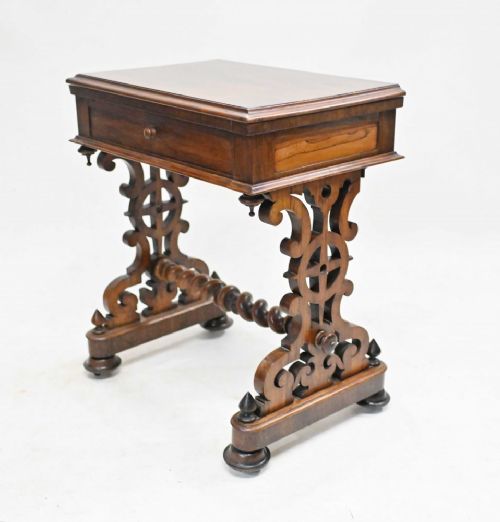
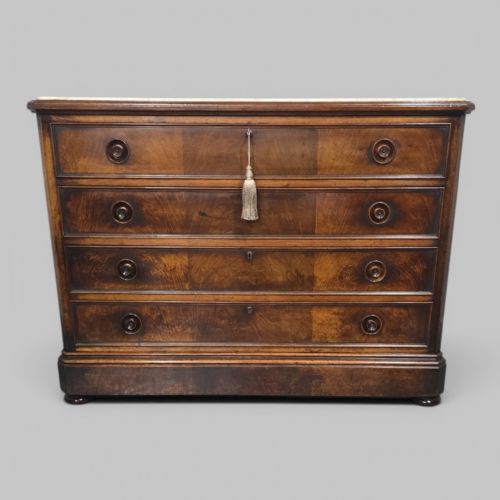
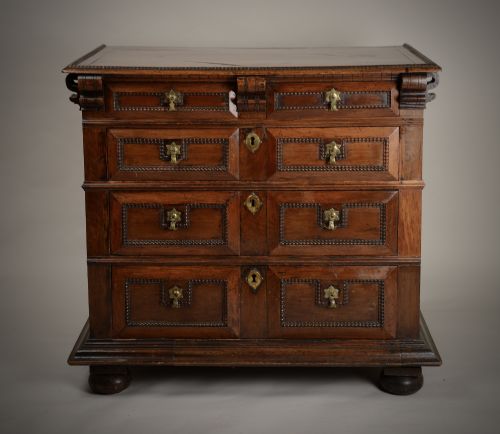
Dark walnut drawers offer deep timber tones and structured storage, ranging from compact bedside tables to tall chests.
Dark Walnut Drawers
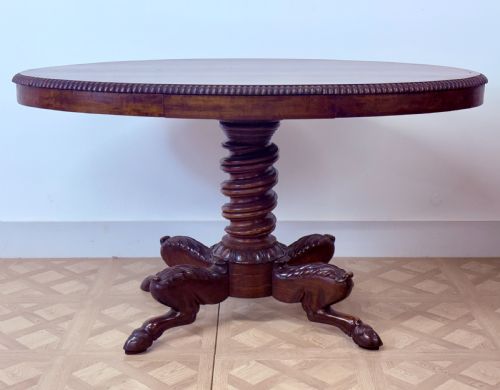
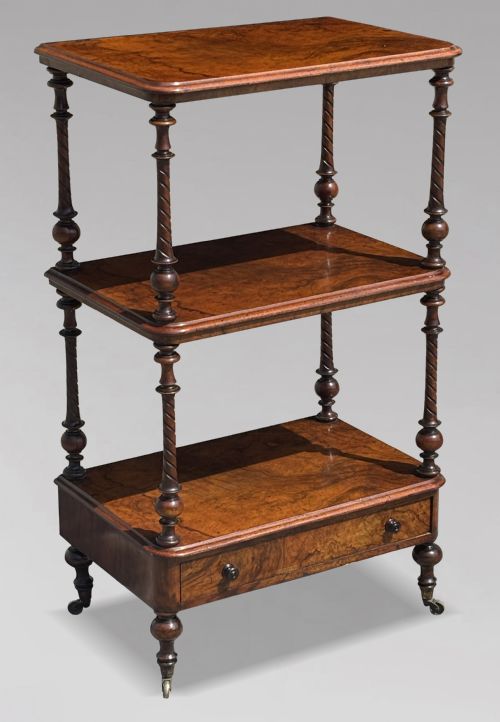
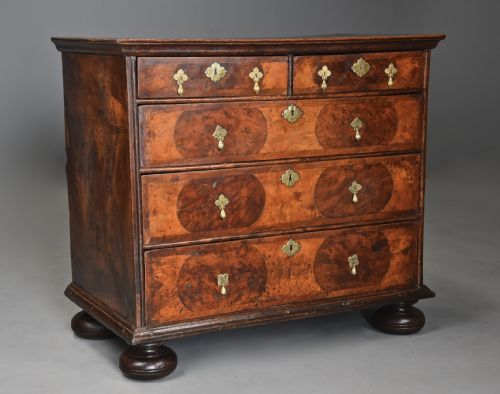
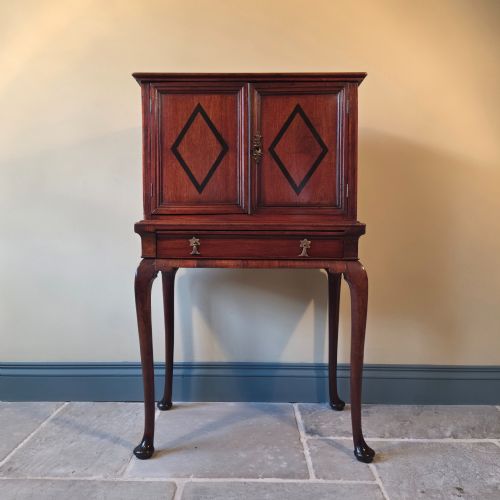
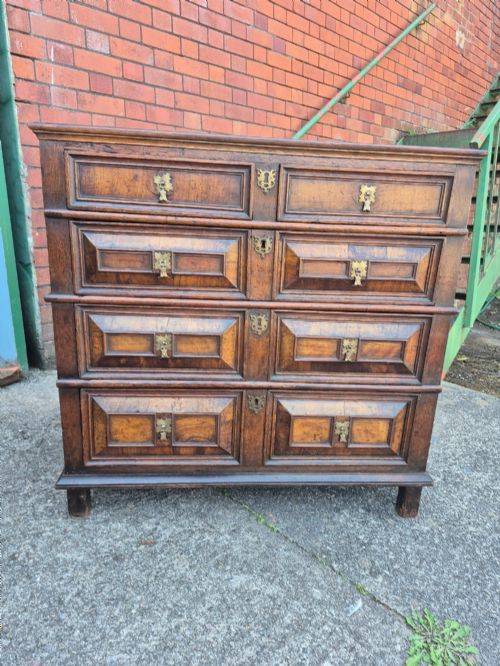
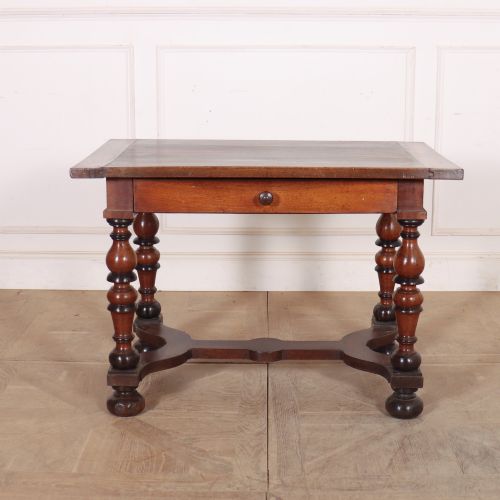
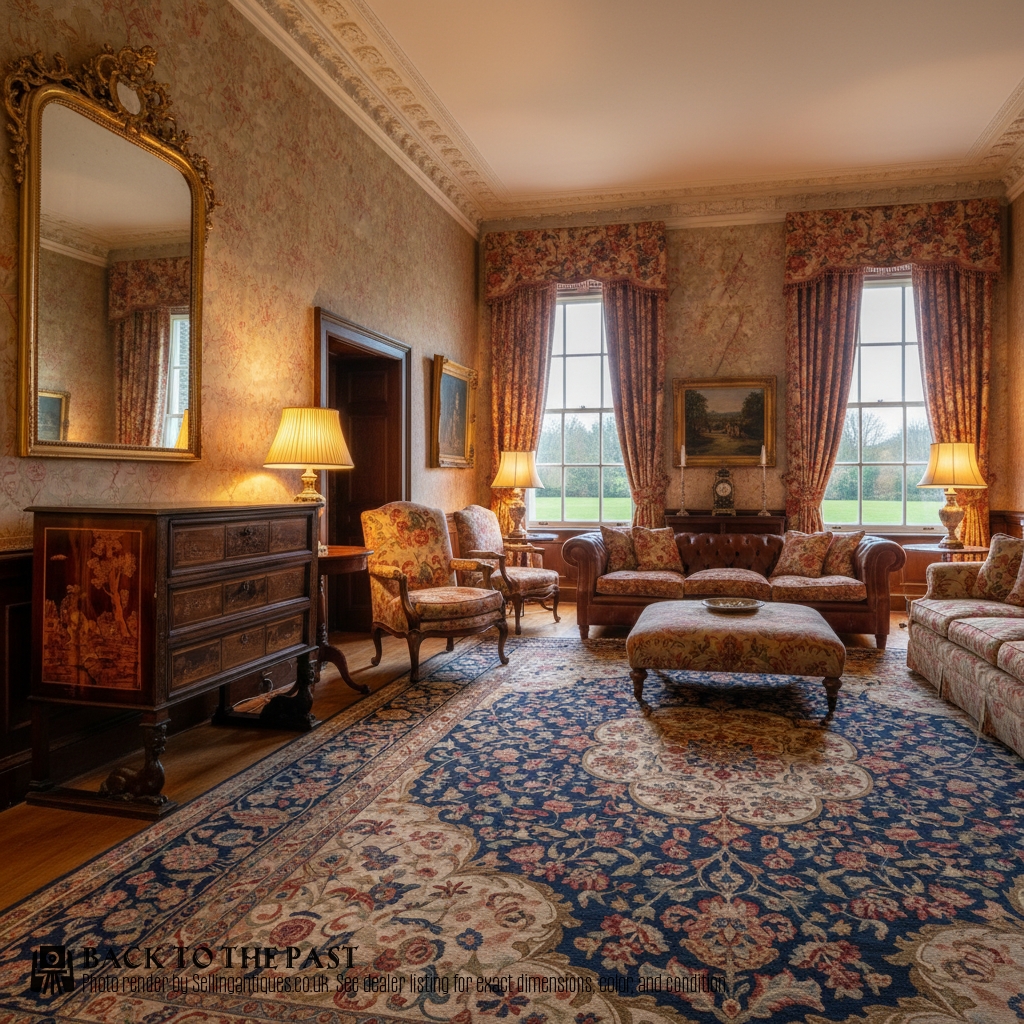
Dark walnut drawers encompass practical storage furniture shaped across centuries, connecting seventeenth-century craftsmanship with later Victorian and twentieth-century interpretations. A buyer searching for dark walnut drawers encounters chests of drawers, side tables, lowboys, and desks built from rich timber.
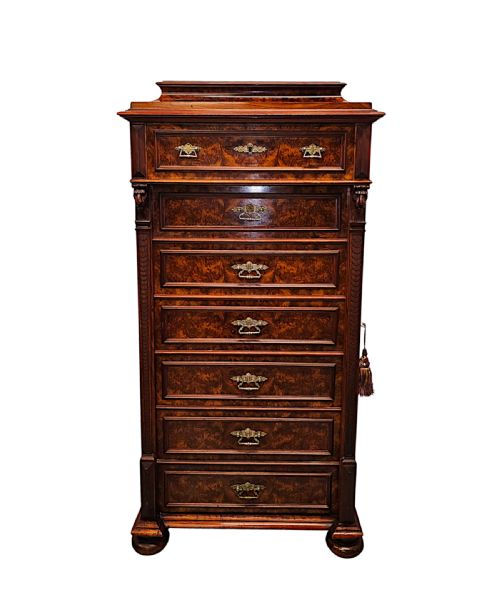
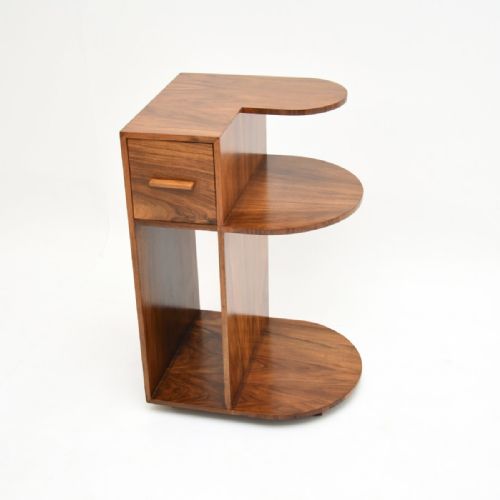
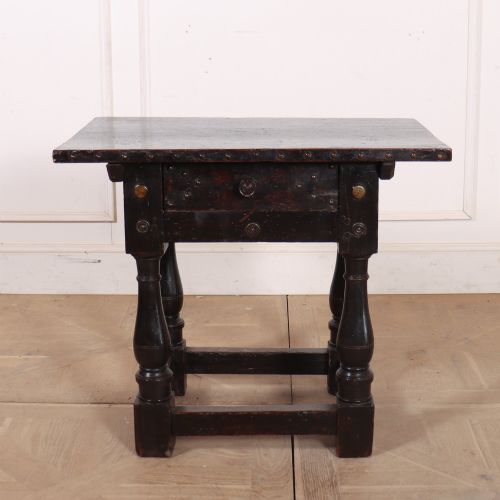
The pieces appearing most frequently bridge domestic storage and display, utilising walnut, burr walnut, and oak to create substantial forms. From compact bedside cabinets to taller commodes, these items serve functional roles while introducing dark wood grain into a room.
How they were made
Cabinet makers utilised solid walnut, burr walnut, and fruitwood over secondary timbers like oak, often applying marquetry or geometric veneers to flat surfaces. Grain selection guided the visual appearance, matching figured timber across drawer fronts.
Hardware such as brass handles and iron fittings secured the functional elements, while joinery techniques including dovetailing ensured drawer stability. Surfaces received polish or wax to highlight the natural darkness of the walnut.
Secret drawers hidden within Regency tables offered nineteenth-century owners a private spot to keep letters away from prying eyes.
What varies in quality
Quality rests in the selection of the timber and the precision of the veneer work, where figured walnut or geometric patterns show careful planning. Superior examples maintain original hardware and stable secondary woods that demonstrate the maker's hand.
Proportion and structural integrity define the higher end of the range, separating utilitarian items from pieces possessing refined proportions and patinated surfaces built to endure.
Edwards & Roberts
The Dark Walnut Drawers Glossary
- Burr walnut
- Timber taken from a tree growth, producing swirling, intricate grain patterns highly prized for veneer work.
- Lowboy
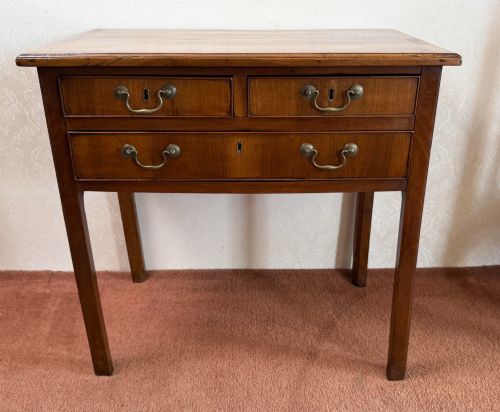
- A small side table with one or more tiers of drawers, originating in the late seventeenth century.
- Marquetry
- The art of applying pieces of veneer to a structure to form decorative patterns and pictures.
- Dovetail
- A joint formed by interlocking wedge-shaped fingers, commonly used in drawer construction.
- Commode
- A low chest of drawers, often French in origin, standing on relatively tall legs.
Dark Walnut Drawers: Frequently Asked Questions
How do I date a walnut chest?
Dating relies on examining construction methods, secondary timbers, and hardware styles. Early pieces often employ oak linings and hand-cut dovetails.
Changes in drawer proportions and decorative veneers from periods like William and Mary or the Victorian era provide further chronological clues.
Are these drawers suitable for daily use?
Most antique chests and tables function well for everyday storage when handled with care. Solid construction allows them to hold modern items safely.
Maintaining consistent room humidity prevents timber movement and keeps the drawers sliding smoothly.
What is burr walnut?
Burr walnut comes from a deformed growth on the walnut tree, resulting in dense, swirling patterns. Cabinet makers sliced this wood into thin veneers for decorative fronts.
Its complex grain makes it distinct from straight-grained timber.
How do I care for dark walnut furniture?
Cleaning requires a soft, dry cloth to remove dust without harming the polished surface. Avoid placing pieces near direct heat sources or strong sunlight.
Occasional waxing preserves the moisture in the timber and maintains the dark patina.