



Antique Drawers Ball Feet
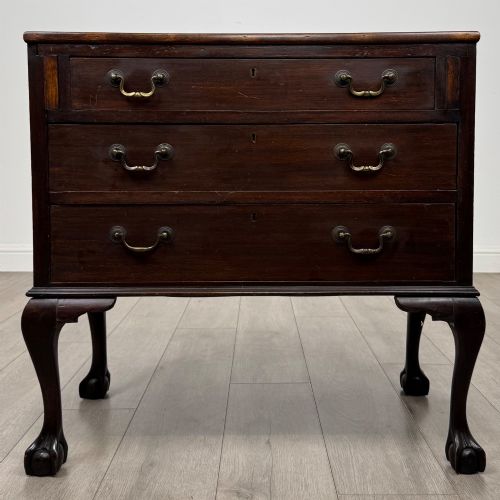
These antique drawers ball feet pieces bring substantial mahogany and walnut timber together with robust spherical supports, offering practical storage and distinct period character for any interior.
Antique Drawers Ball Feet
When you search for antique drawers ball feet, you encounter a selection of chests of drawers, side tables, lowboys, and bureau bookcases spanning several centuries. The domestic storage forms dominate this group, particularly mahogany and walnut chests originating from the Georgian period through to the Edwardian era.
The distinct visual anchor across these pieces is the spherical foot, often paired with substantial timber construction in mahogany, walnut, and oak. You will find items representing both original 18th-century cabinet-making and later revival movements such as Chippendale Style, Queen Anne Style, and Georgian Revival.
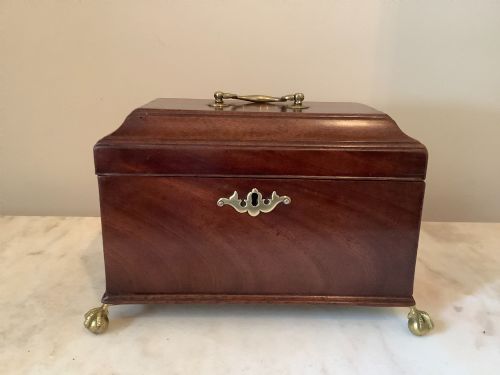
Beyond standard chests, the form extends to specialised pieces like tea caddies incorporating secret drawers, side tables, and Dutch marquetry bombé chests. Each object demonstrates the enduring appeal of raised timber furniture resting upon solid turned supports.
How they were made
Cabinet-makers constructed these pieces primarily using dense timbers such as mahogany and walnut, occasionally incorporating decorative marquetry veneers and brass hardware. The structural framework relies on traditional joinery methods suited to heavy storage furniture and smaller decorative items like tea caddies.
Support elements like the characteristic ball feet are turned from solid wood to bear the weight of the carcase securely. Glass elements appear where appropriate, and specialised pieces integrate intricate internal compartments such as secret drawers.
Listings feature pieces from the Georgian period, 18th Century, Edwardian era, 1890, 1900, and 1920, constructed in mahogany, walnut, oak, marquetry, and brass.
What varies in quality
The standard of timber selection and surface figure largely determines the distinction between ordinary pieces and superior examples. Dense, well-figured mahogany and richly patterned walnut display a depth of grain that elevates the overall presence of the cabinet.
Proportion and the execution of turned supports also define the upper tier of these items. Refined shaping in the ball feet and crisp detailing in styles like Chippendale or Dutch marquetry indicate greater skill in the workshop.
Muirhead Moffat Co
The Antique Drawers Ball Feet Glossary
- Ball feet
- Spherical wooden supports carved or turned at the base of furniture legs. They lift the carcase cleanly off the floor.
- Bombé
- A swelling, convex shape characteristic of advanced case furniture. This curved profile requires considerable skill in veneer and timber shaping.
- Lowboy
- A small occasional table fitted with one or more rows of drawers. It typically rests on slender legs terminating in appropriate feet.
- Marquetry
- Decorative patterns formed by the insertion of different woods into a veneer. It creates complex pictorial or geometric designs on the surface.
- Bureau bookcase
- A dual-purpose cabinet featuring a sloping desk flap above lower drawers and surmounted by shelving. These units combine writing and storage functions efficiently.
Antique Drawers Ball Feet: Frequently Asked Questions
What periods do these pieces span?
The selection encompasses authentic 18th-century examples alongside 19th-century items and Edwardian or 1920s revival pieces.
Cabinet-makers across these eras utilised traditional materials like mahogany and walnut while adapting earlier design influences.
Are all these items large chests?
While chests of drawers form a significant portion of the selection, the category also includes side tables, lowboys, and tea caddies.
Smaller items often retain the same characteristic ball feet and timber construction found on larger storage furniture.
How do revival styles differ from original pieces?
Revival items, such as those from the Edwardian period or the 1920s, recreate earlier aesthetics like Chippendale and Queen Anne.
They offer the decorative presence of historical periods while reflecting the manufacturing techniques of their actual production date.
What timbers should I expect to see?
Mahogany and walnut predominate throughout the inventory, supplemented by oak and decorative marquetry work.
Brass hardware and occasional glass elements complete the primary material palette used in these historical items.