







Italian Inlaid Furniture
Italian inlaid furniture brings together precise wood marquetry and classical forms from the eighteenth and nineteenth centuries.
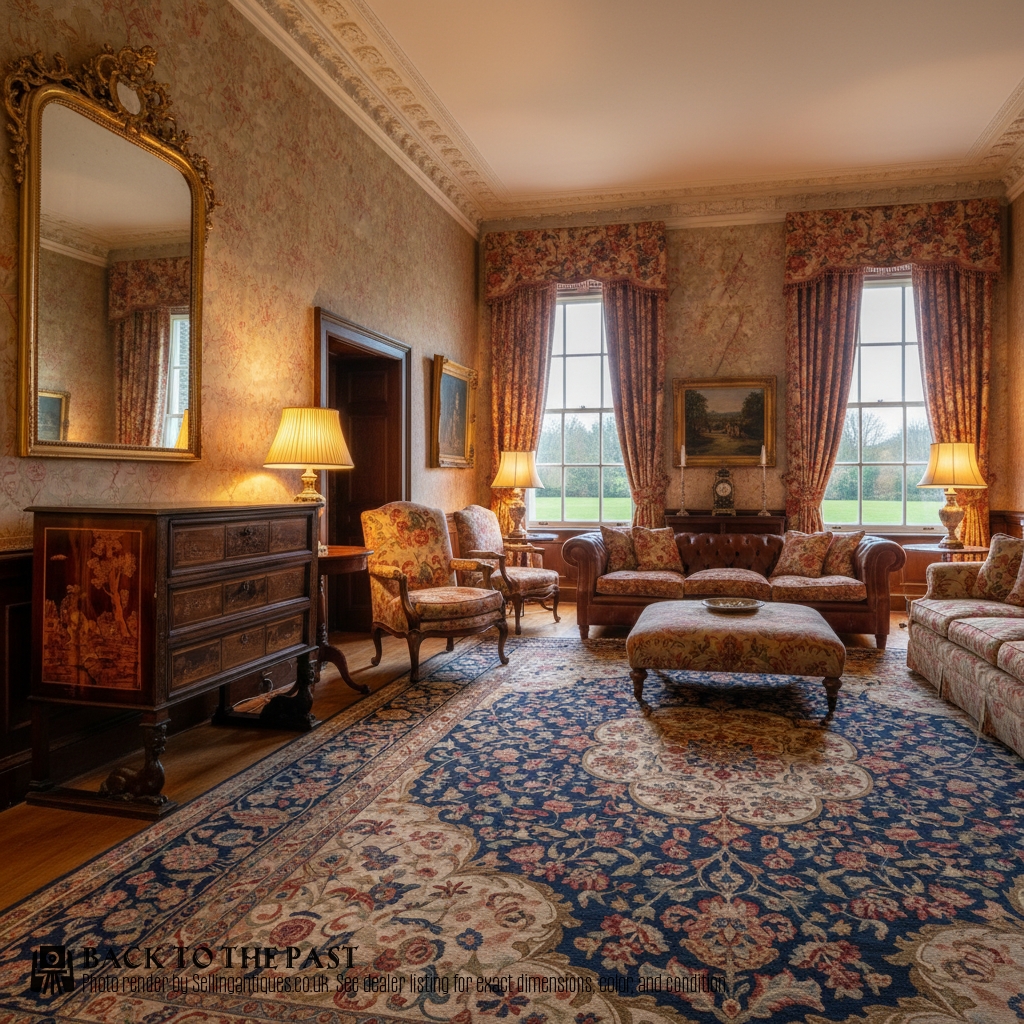
Italian Inlaid Furniture
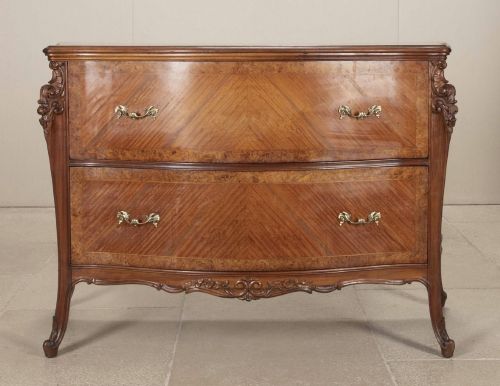
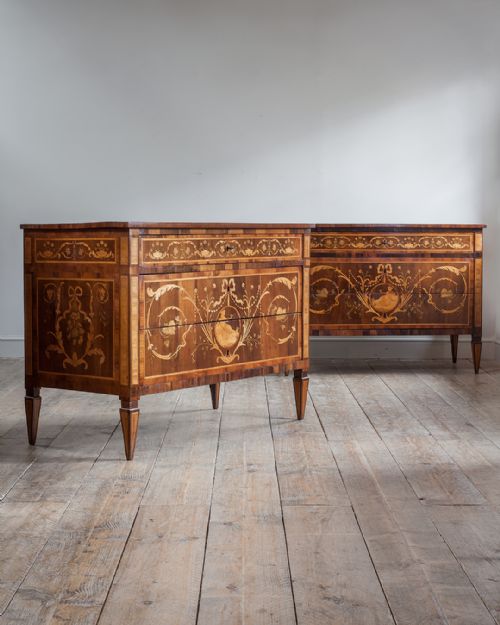
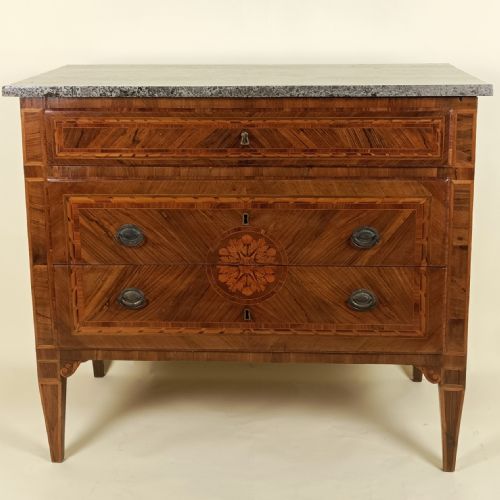
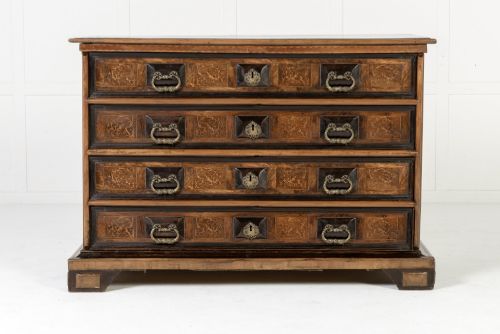
When searching for Italian inlaid furniture, you encounter practical storage pieces and decorative surfaces spanning several distinct periods. Chests of drawers and commodes dominate the larger forms, constructed primarily in walnut and kingwood during the eighteenth century.
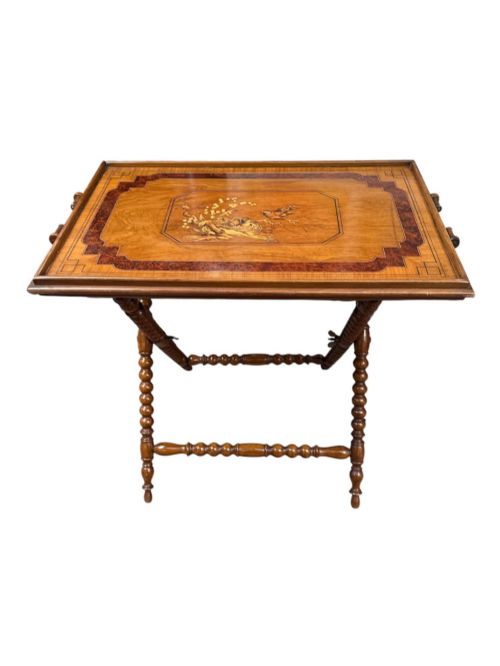
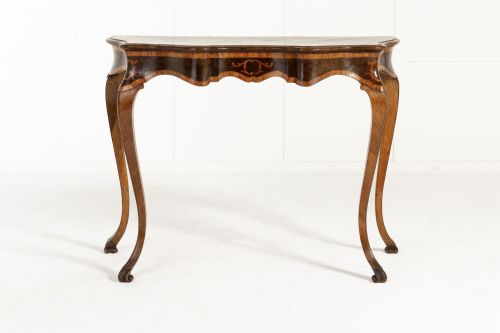
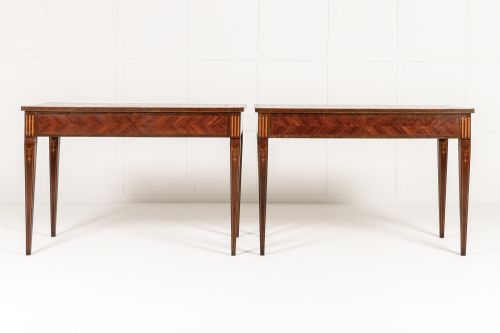
Smaller decorative items appear frequently, particularly occasional tables, console tables, and tray tables associated with Sorrento ware. These pieces showcase detailed wood marquetry and geometric patterns utilising various fruitwoods and olive wood.
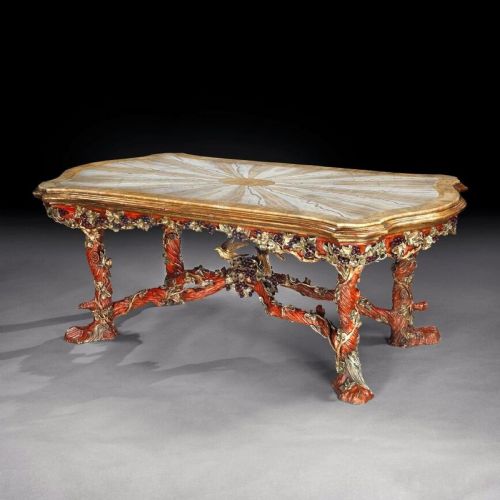
Regional variations emerge across different eras, ranging from restrained Neoclassical designs to ornate nineteenth-century revival styles. Occasional examples also incorporate specialised materials like pietra dura panels or brass mounts alongside traditional wood inlay.
Materials and Construction
Cabinetmakers built foundational carcases using solid timbers such as walnut, layering finer decorative veneers across visible surfaces. Marquetry designs relied on contrasting fruitwoods, satinwood, and olive wood cut into precise pictorial or geometric motifs.
Specialist workshops integrated additional elements like brass furniture, ebonised wood details, and stone inlay surfaces including onyx and pietra dura. These diverse materials required careful jointing and veneering techniques to ensure stability across complex table tops and commode fronts.
Listings feature eighteenth and nineteenth-century Italian furniture, incorporating walnut, kingwood, and fruitwood alongside specialist Sorrento ware.
Assessing Quality and Execution
The selection of secondary timbers and the integrity of the underlying cabinet construction dictate long-term durability and structural balance. Signed pieces by recognised makers demonstrate a higher grade of artistic execution and material selection across the finished surface.
Amleto Bertoni·Adriano Brambilla·Almerico Gargiulo·Carlo Bugatti
The Italian Inlaid Furniture Glossary
- Marquetry
- Decorative veneer work arranged in pictorial patterns using various coloured woods. This technique forms the primary visual interest on tabletop surfaces and commode drawers.
- Sorrento Ware
- Nineteenth-century inlaid woodwork originating from the town of Sorrento, typically featuring geometric or botanical motifs in olive wood and fruitwood. These items include small tables, trays, and corner shelves.
- Commode
- A decorative chest of drawers or cabinet dating from the eighteenth or nineteenth century. Italian examples often feature serpentine fronts and rich walnut or kingwood veneers.
- Pietra Dura
- Inlay work using polished, coloured stones such as marble to create pictorial designs. This technique appears on decorative table tops and cabinet panels.
- Ebonised Wood
- Timber treated to imitate ebony through a dark staining or finishing process. This treatment provides stark contrast against lighter inlaid veneers.
Italian Inlaid Furniture: Frequently Asked Questions
How do I date an inlaid commode?
Dating relies on examining the construction methods of the drawer linings, the framing timber used for the carcase, and the prevailing stylistic traits. Eighteenth-century models often feature robust walnut structures with understated neoclassical or baroque proportions, whereas nineteenth-century versions lean towards elaborate Sorrento marquetry.
Hardware placement and the specific combination of veneer woods also offer reliable clues to the decade of manufacture. Comparing the secondary timbers inside the piece helps confirm the expected period.
Where should I place a Sorrento table?
These decorative occasional and tray tables function well as accent pieces in living spaces where their detailed wooden surfaces remain visible. Natural daylight enhances the varied tones of the fruitwood and olive wood marquetry without exposing the finish to direct heat.
Because many examples have delicate inlaid tops, placing them away from direct radiators prevents the timber from drying out. Using coasters protects the polished wood from moisture rings during everyday use.
What is the difference between marquetry and pietra dura?
Marquetry utilises thin slices of various woods arranged to form pictures or geometric patterns across furniture surfaces. Craftsmen cut and fit the timber veneers meticulously into a prepared background ground.
Pietra dura involves inlaying precisely shaped hard stones and marbles into a solid stone base to create floral or figurative compositions. This technique appears on specialised table tops and cabinet fronts rather than standard wooden furniture.
How do I clean antique inlaid surfaces?
Maintenance requires gentle dusting with a soft, dry cloth to prevent abrasive particles from scratching the polished wood veneer. Avoid using commercial liquid polishes or silicone-based sprays, which can penetrate hairline cracks in the old finish and darken the marquetry.
Applying a light coat of microcrystalline wax periodically helps nourish the timber and protect the delicate inlay work. Professional conservation is advisable if the veneer shows signs of lifting or separation.