

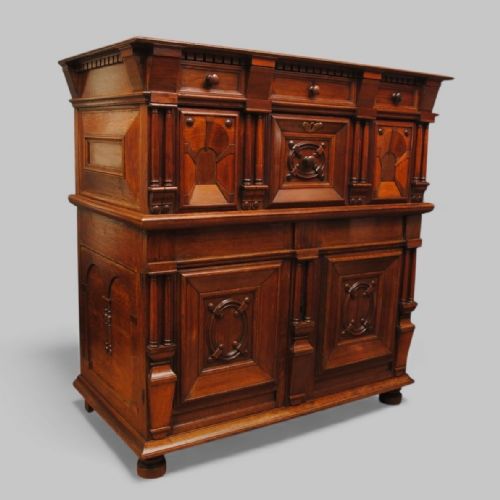


Dark Walnut Cupboard
A dark walnut cupboard anchors a room with deep timber tones, offering practical storage through centuries of craftsmanship.
Dark Walnut Cupboard
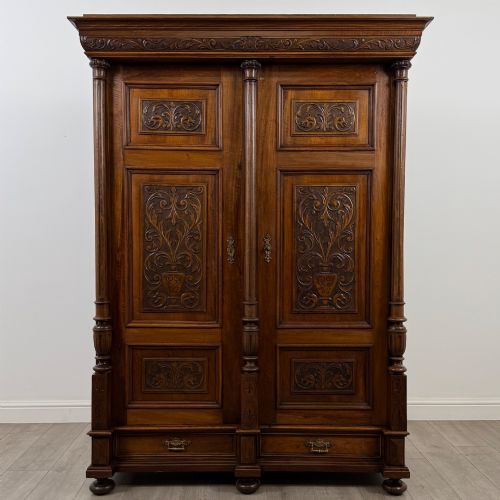
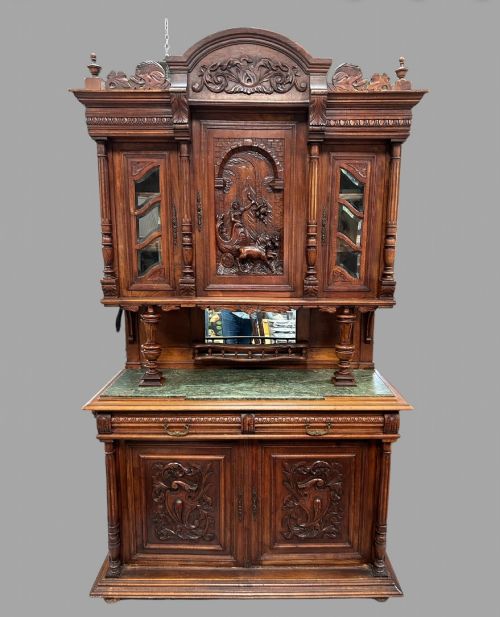
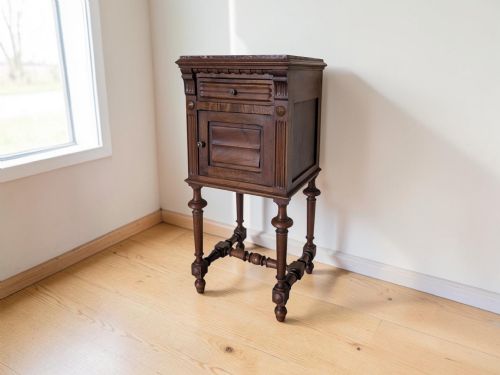
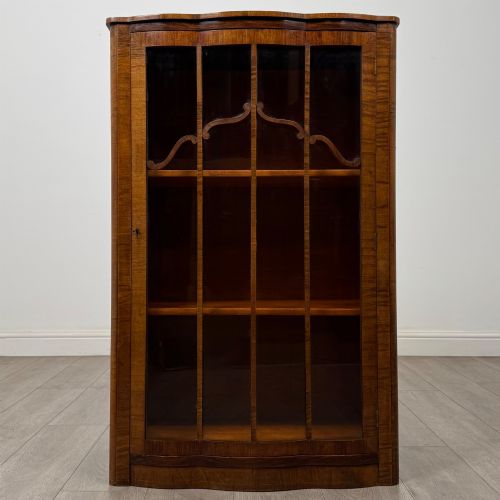
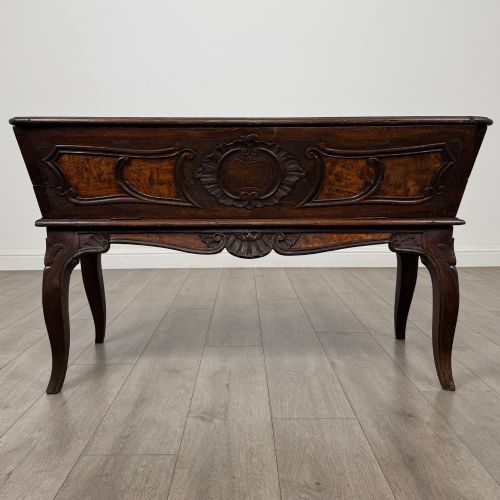
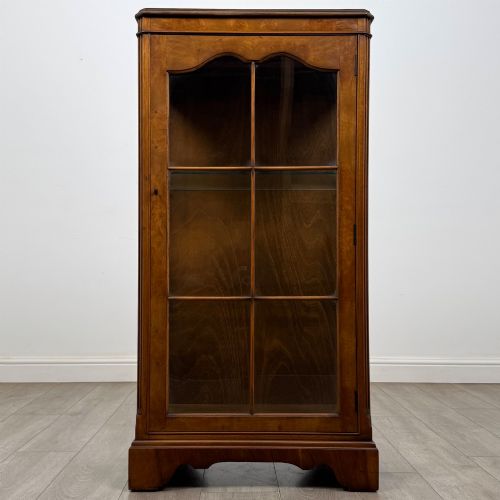
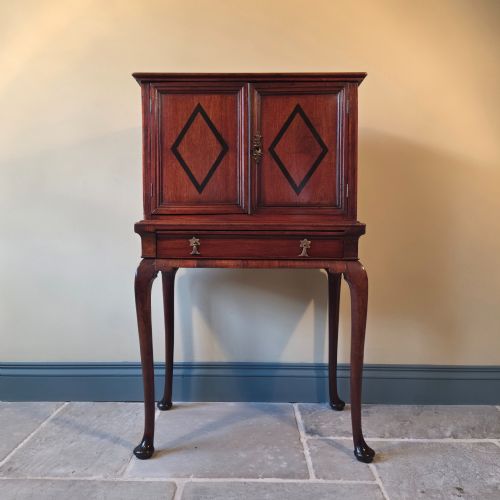
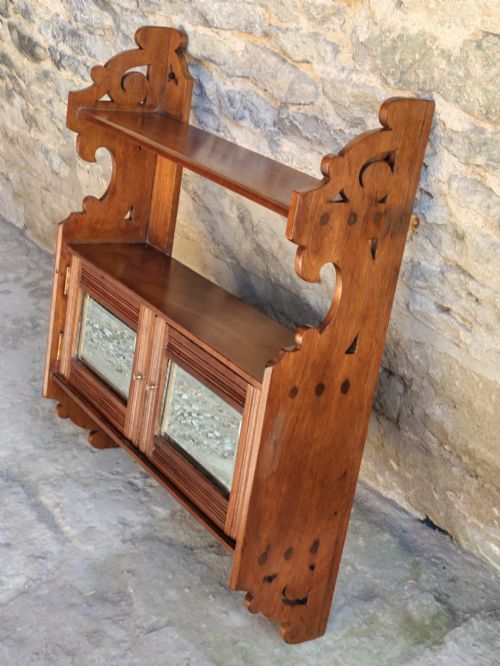
A dark walnut cupboard spans an array of forms from compact bedside cabinets and wall units to imposing sideboards, dressers, and display cases. These pieces emerge across the seventeenth, eighteenth, and nineteenth centuries, alongside Edwardian and later twentieth-century iterations.
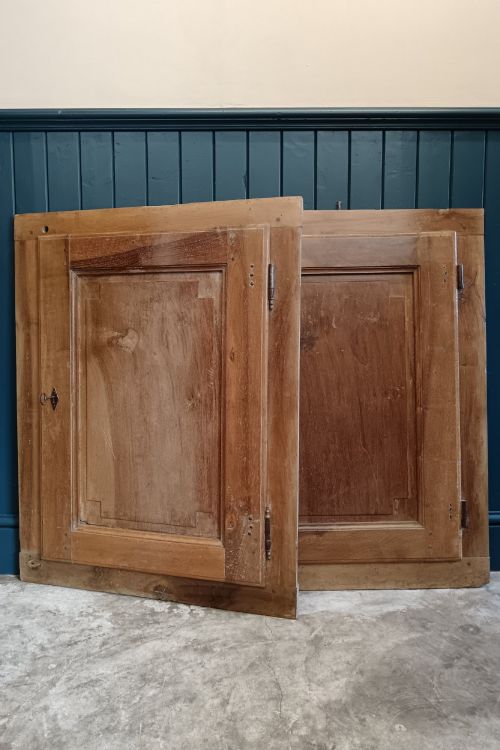
Makers shaped these items within diverse regional traditions including French Provincial, Italian Provincial, Spanish Baroque, and Gothic Revival styles. Buyers commonly encounter bedside tables, hanging cabinets, and multi-part buffets constructed from this dense, rich wood.
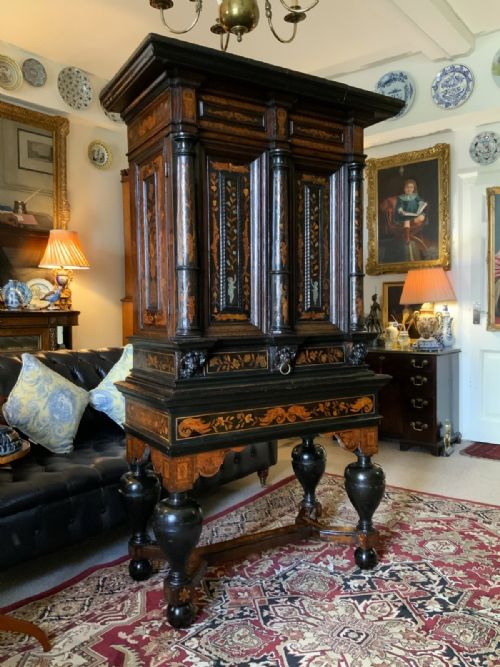
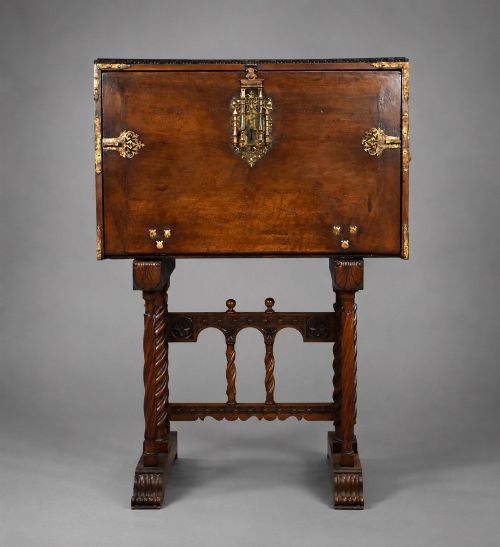
The architectural presence of these items derives from distinct historical periods, stretching from seventeenth-century Dutch marquetry and Spanish bargueño cabinets to Victorian salon pieces. Each variant demonstrates the enduring utility of enclosed timber storage across European workshops.
Materials and construction methods
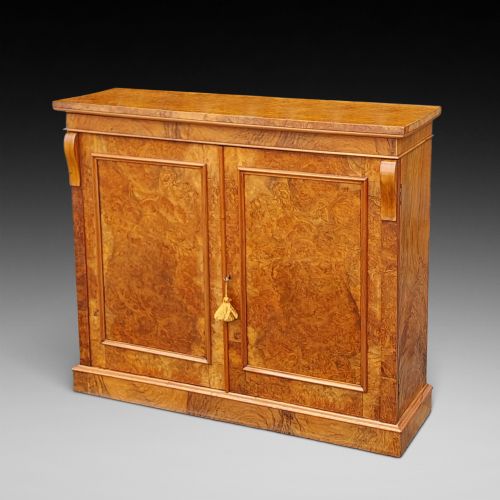
The primary material is walnut, frequently utilised in figured or burr veneers that highlight complex grain patterns, complemented by solid timber framing. Artisans occasionally enhanced these surfaces with decorative inlays of pewter, mother-of-pearl, or contrasting fruitwoods and oak.
Structural integrity relied on traditional joinery supplemented by brass and iron hardware, hinges, and locks. Certain cabinets incorporated glass panels for display purposes or marble tops for functional durability.
Carving and parquetry define the decorative approach, ranging from ornate Renaissance Revival motifs to geometric veneer patterns on twentieth-century surfaces.
Listings feature walnut, burr walnut, oak, and fruitwood alongside brass, iron, glass, and marble elements across multiple European styles.
Distinctions in craftsmanship and design
The caliber of a dark walnut cupboard rests upon the selection of timber veneers, where highly figured burr walnut or complex marquetry distinguishes finer commissions from plain stock. The precision of the joinery and the depth of hand-carved detailing further separate standard production from exceptional examples.
Hardware execution also signals distinction, as heavy cast brass mounts or intricate metal inlay demonstrate superior workshop output. Original components, including integrated locks and matched doors, preserve the integrity of the piece.
Gordovil Spain·Grunderzeit
The Dark Walnut Cupboard Glossary
- Burr walnut
- A figured wood grain obtained from walnut tree growths, prized for its swirling patterns. Cabinetmakers sliced this timber into veneers to ornament primary surfaces.
- Bargueño
- A portable writing cabinet originating in Spain, typically mounted on a decorative stand. These pieces feature drop fronts concealing numerous small drawers.
- Marquetry
- The art of applying pieces of veneer to a structure to form decorative patterns. Artisans utilised woods, metals like pewter, and shell.
- Buffet
- A sideboard or cabinet used for storing and serving food. French examples from the eighteenth century demonstrate regional provincial carving.
Dark Walnut Cupboard: Frequently Asked Questions
How do I date a walnut cabinet?
Dating relies upon examining construction methods, hardware types, and stylistic indicators such as Gothic Revival tracery or seventeenth-century Dutch marquetry. Secondary woods inside drawers and the thickness of veneers also provide clues to the era of manufacture.
Comparison with documented examples from periods like the Victorian era or William and Mary helps narrow down the decade of production. Hardware fixings and dovetail joints evolved significantly from the seventeen-hundreds onward.
Where were these cupboards placed historically?
Bedside cabinets and night tables stood in sleeping quarters for personal items, while larger buffets and sideboards resided in dining rooms and parlours for china and linens. Hanging cabinets and wall units maximised floor space in smaller domestic rooms.
Grand display cabinets and bargueños occupied reception rooms to exhibit precious objects and writing materials. Their placement reflected both the social function of the room and the status of the household.
How do I care for antique walnut furniture?
Maintaining walnut surfaces requires stable indoor humidity away from direct sunlight and heat sources to prevent timber splitting or veneer lifting. Gentle dusting with a soft cloth preserves the polish without introducing harsh chemical residues.
Periodic application of suitable furniture wax feeds the grain and protects the patina. Avoid excessive moisture and abrasive cleaners on brass hardware and inlaid elements.
What is the difference between a buffet and a sideboard?
Buffets traditionally emphasise enclosed cupboard storage with doors, often featuring deep lower compartments for heavy tableware. Sideboards frequently incorporate a combination of drawers and shallow cupboards designed for serving.
Regional variations across French and Italian traditions shaped these forms differently over the centuries. Both served primary functions in dining spaces but varied in their internal partitioning.